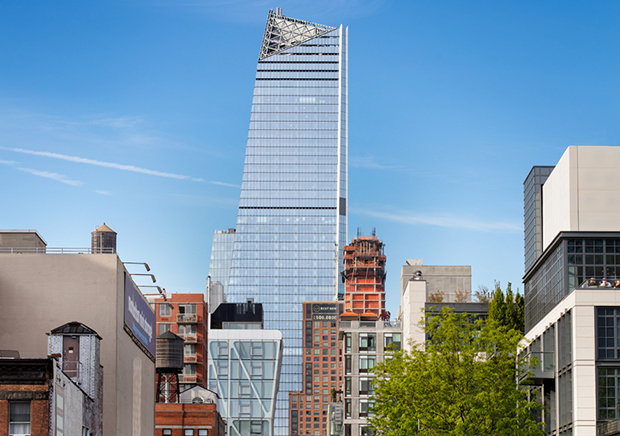
Steve Freihon/Related-Oxford
New York, New York
Global experience.
Regional perspective.
Local impact.
New York, New York
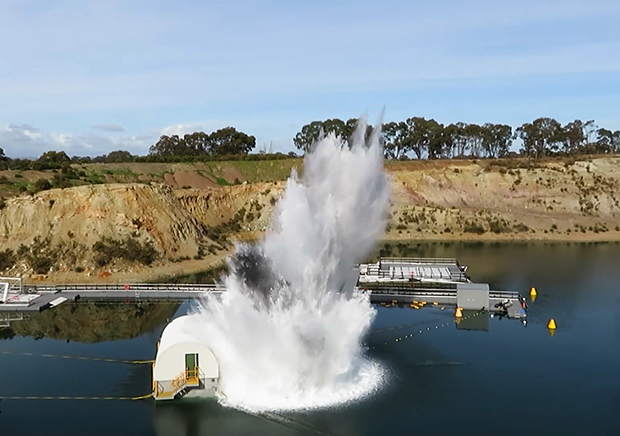
Australia

London, United Kingdom
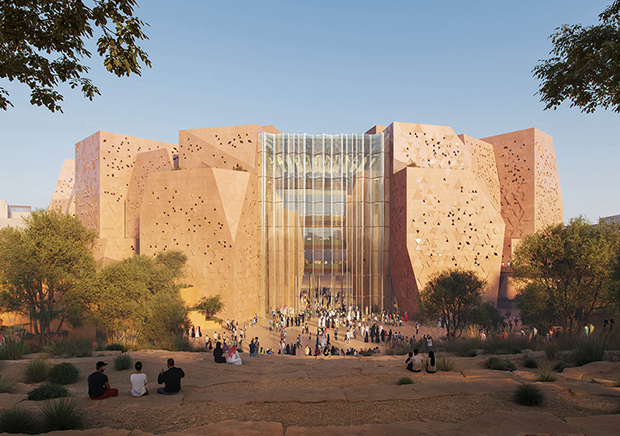
Diriyah, Riyadh, Saudi Arabia
A state-of-the-art forensic study detailing the failure sequence leading to the tower's collapse on September 11, 2001.

ACEC, National Grand Award, 2015
ACEC, New York, Diamond Award, 2015
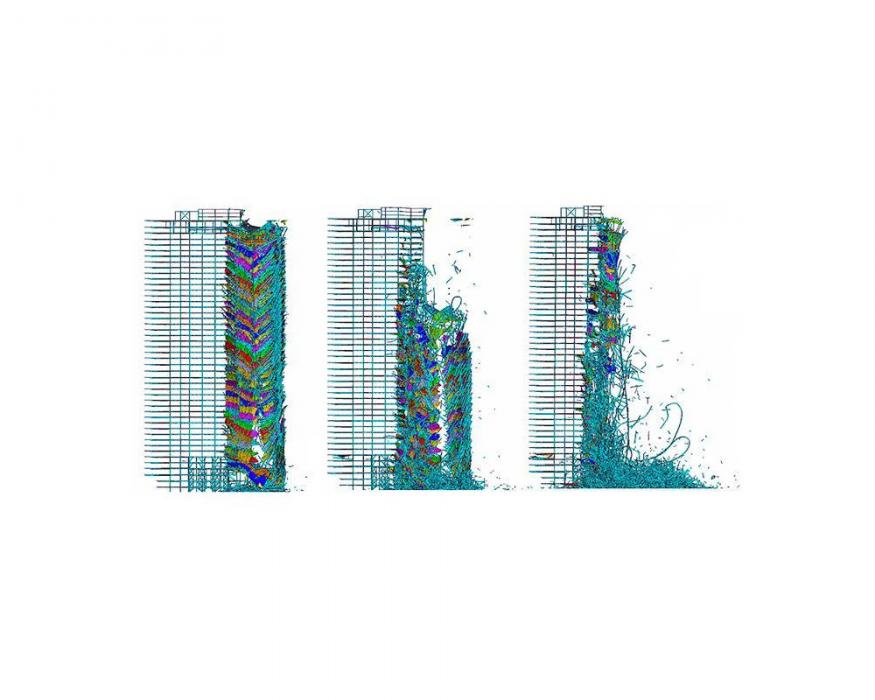
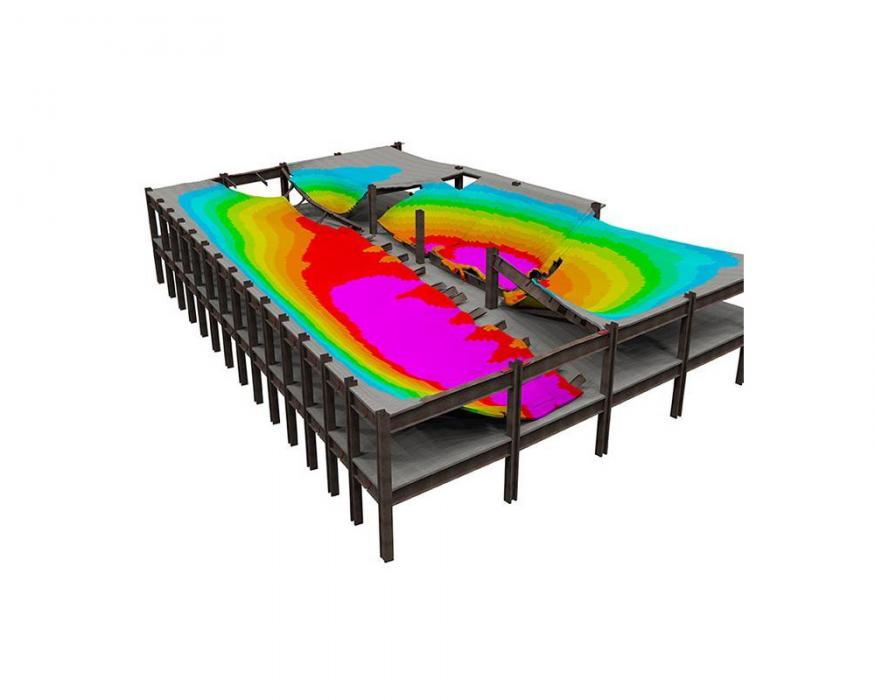
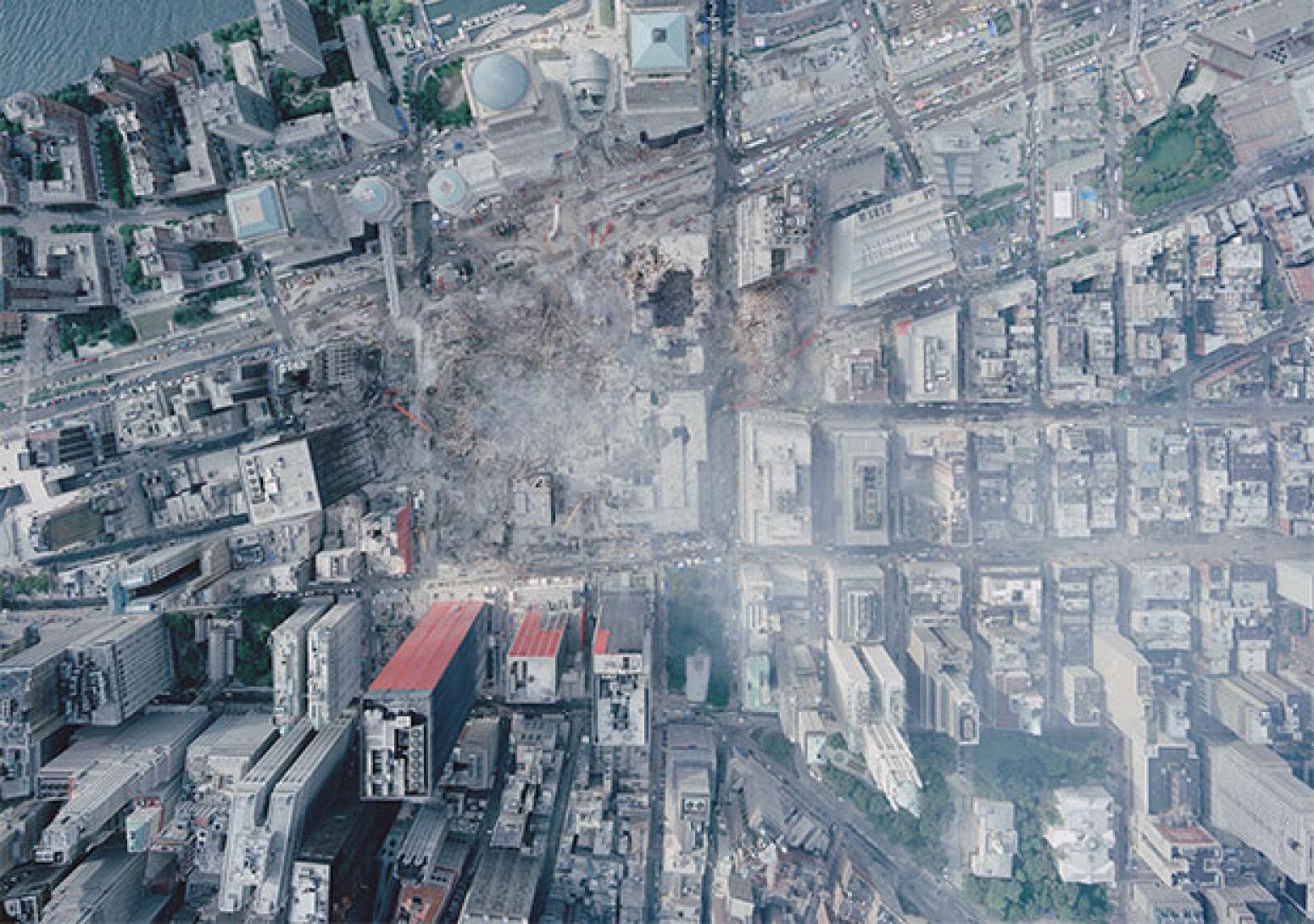
On September 11, 2001, World Trade Center 7 (WTC 7) was showered by debris from the collapse of WTC 1. Portions of the structural system were destroyed and fires, which burned unfought throughout the day, were ignited on multiple floors. The building collapsed at approximately 5:20 p.m.
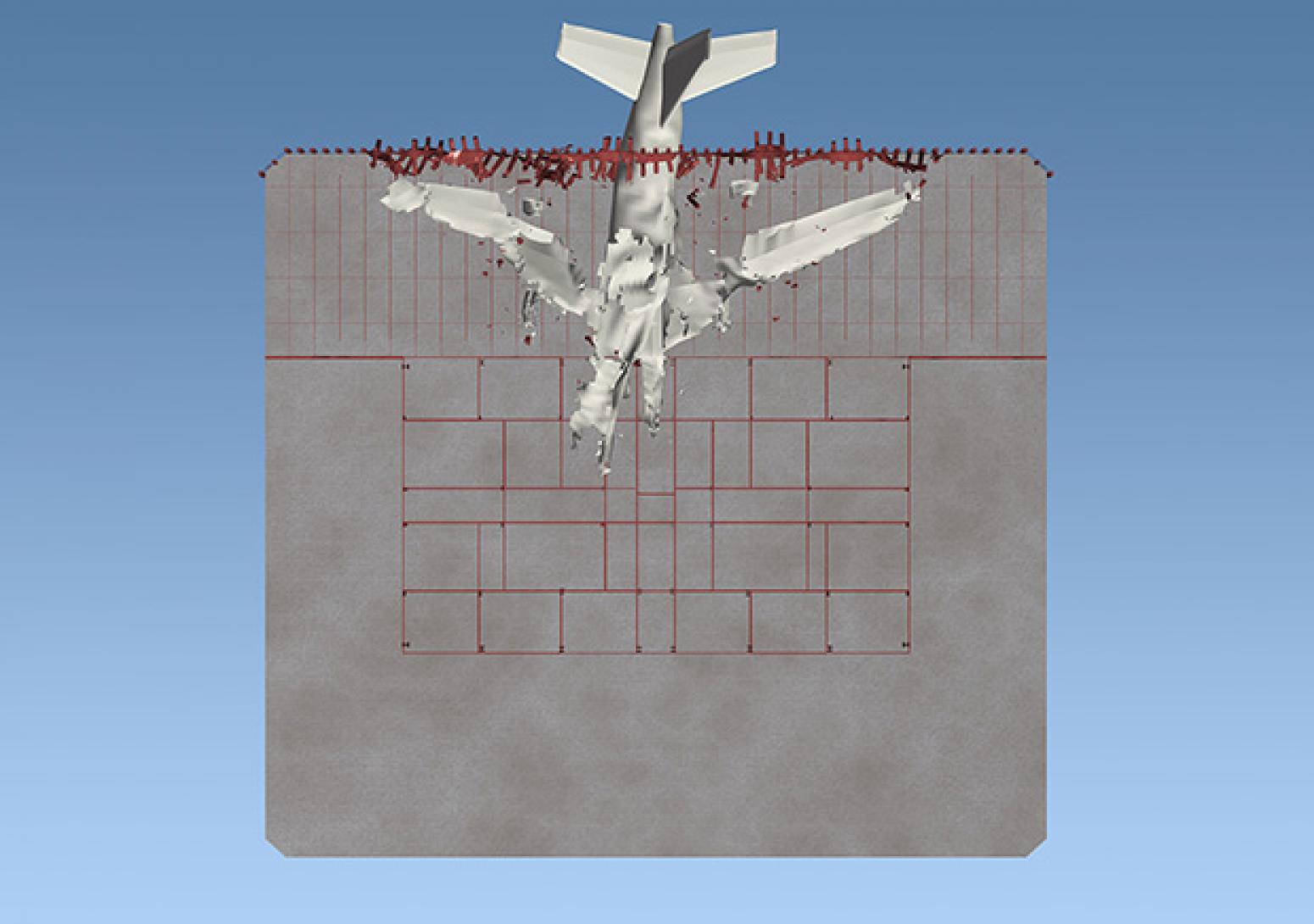
Our Applied Science team performed a forensic study of the failure sequence leading to the collapse. We combined state-of-the-art computational analysis with photos, videos, eyewitness accounts and other data to answer three important questions:
Our nonlinear dynamic thermomechanical computational analyses captured the physics of the phenomenon, identifying the most plausible failure sequence:
The study refuted assertions that the collapse resulted from construction or design errors, and showed that the extraordinary events of 9/11, rather than any deficiency, caused the collapse.
The study also led to two inferences that could have widespread implications for building design. First, the expectation that a modern building should withstand any unfought fire without collapsing is “aspirational,” and is not guaranteed by established codes or design procedures. Second, that the analytical tools to allow a risk-based performance design paradigm to be adopted in practice exist: engineers are now able to design for fires and evaluate outcomes under a variety of scenarios.