Steve Freihon/Related-Oxford
New York, New York
Global experience.
Regional perspective.
Local impact.

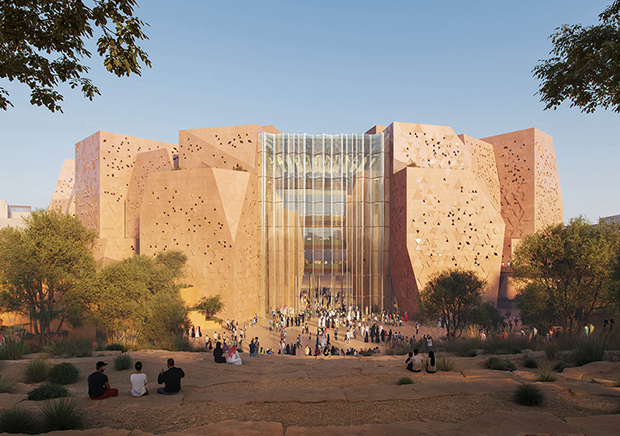
We partner with clients to deliver high-performance, low-carbon buildings and districts optimized for energy, resilience, and occupant health across the full life cycle.

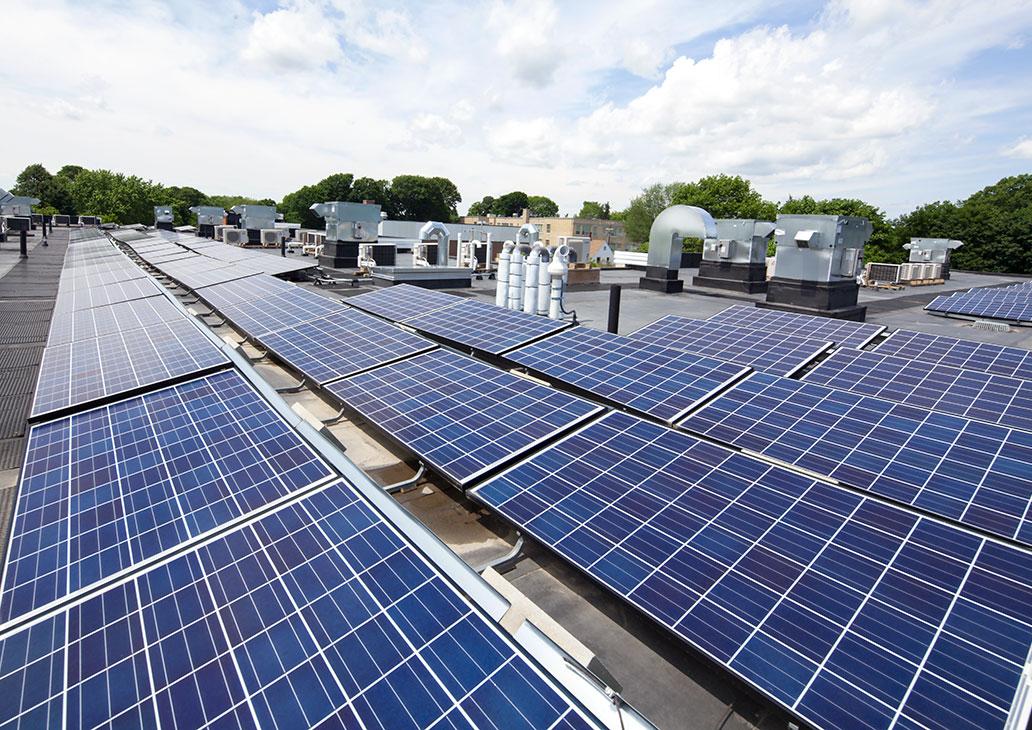 Sandy Agrafiotis photo
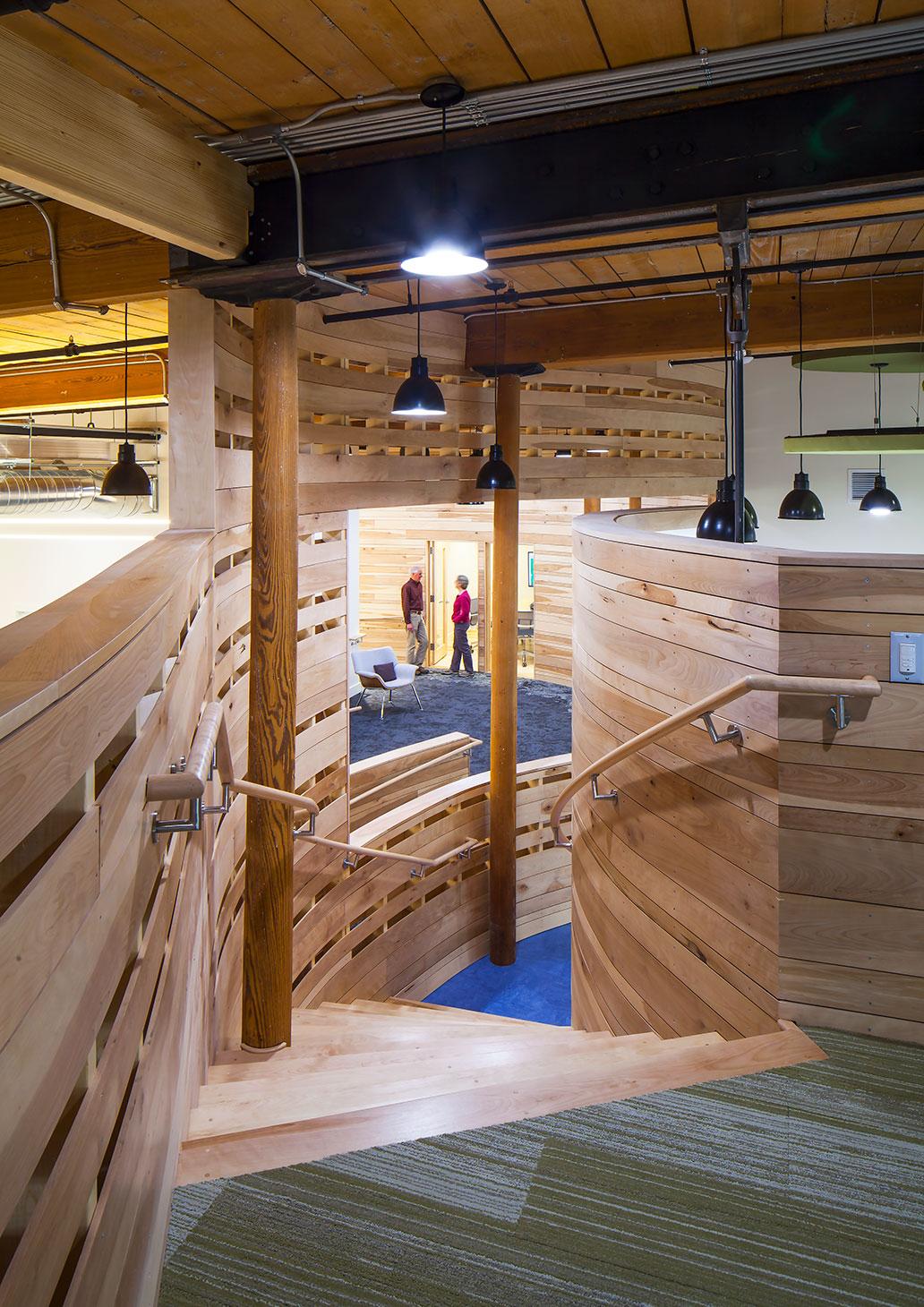 Sandy Agrafiotis photo
We work collaboratively with stakeholders to define goals, evaluate constraints, and identify opportunities across interconnected systems. Leveraging advanced modelling, simulation, and analytical tools, we assess performance, test scenarios, and quantify impacts to inform decision-making. Our role is not simply to recommend solutions, but to provide the technical rigor and clarity needed to support resilient, efficient, and implementable outcomes.
We partner with architects, engineers, building owners, and operators from early planning through design, construction, and operations to integrate sustainability and resilience throughout the built environment.
Our expertise combines energy and carbon analyses, decarbonization and net-zero strategies, and building performance optimization with resilience and risk advisory to improve asset performance. The result is future-ready, high-performance buildings and portfolios that balance efficiency, resilience, and occupant health.
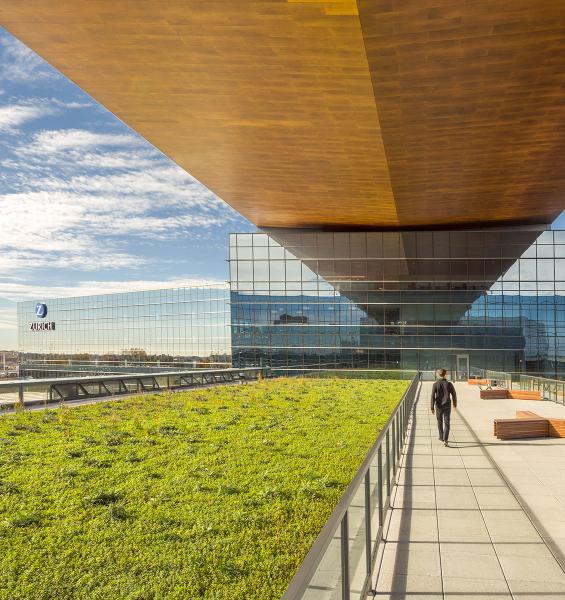 Zurich American Insurance Company, North American Headquarters
© James Steinkamp Photography
Zurich American Insurance Company, North American Headquarters
© James Steinkamp Photography
Here’s how we can help you:











Featured Project
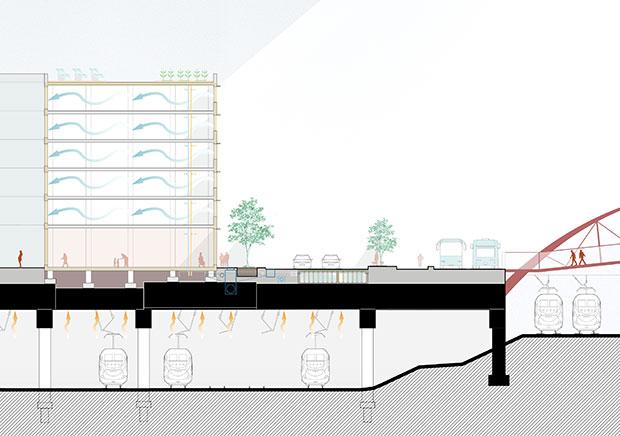
Sunnyside Yard Master Plan Reinventing what a sustainable, resilient, people-first community can be – by creating a neighborhood out of thin air.Featured Project
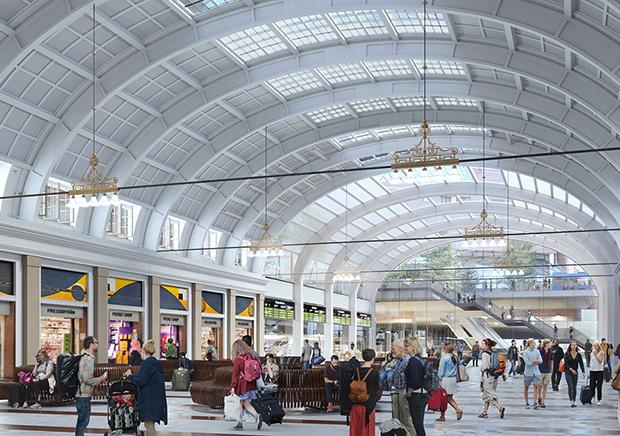
Stockholm Central Station Overbuild Eighty percent of Sweden’s train trips start or end at Stockholm Central Station, which is being transformed into a sustainable mobility hub that spans the tracks.Featured Project
Stonecutter A new office building rewrites the rules of sustainable construction in London, doubling size without adding weight, reusing foundations and setting a low-embodied-carbon record for the City of London.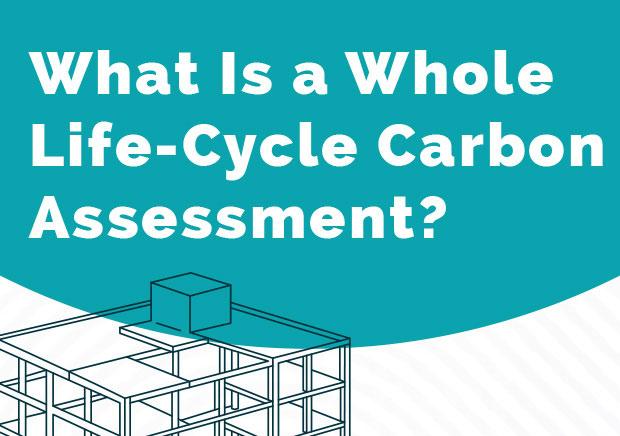
Insight
Whole Life-Cycle Carbon Assessment LondonInsight
The UK Net Zero Carbon Buildings Standard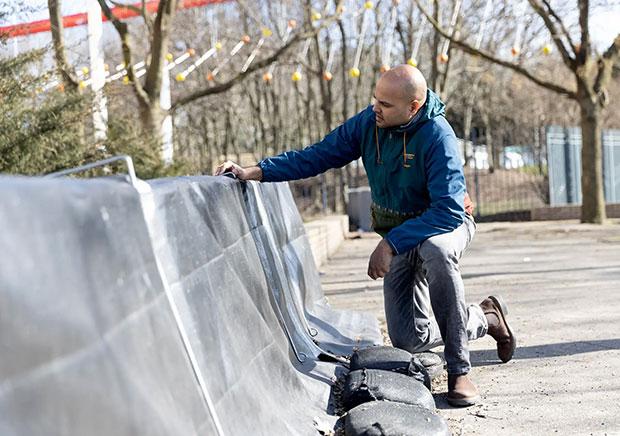
Insight
Flood Resilience: Designing for RecoveryInsight
Decarbonizing the Fine Art Supply Chain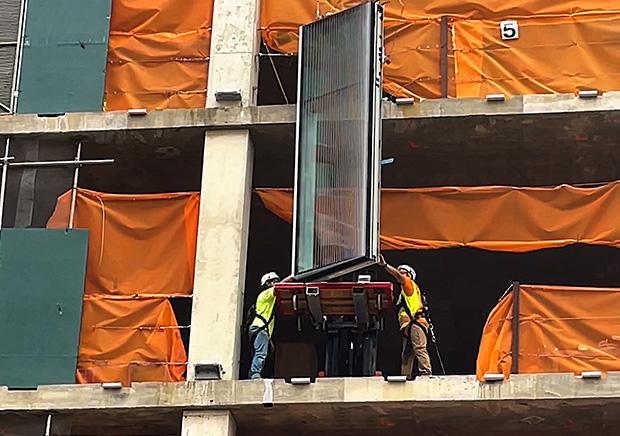
Insight
Circular Design in London: A Practical Strategy for Reducing Embodied Carbon