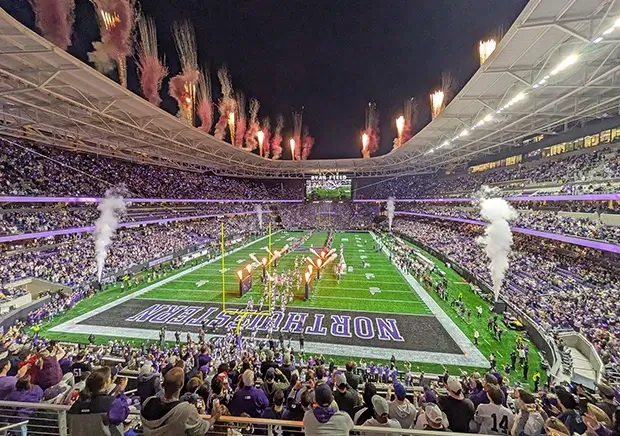

Steve Freihon/Related-Oxford
New York, New York
Global experience.
Regional perspective.
Local impact.
New York, New York
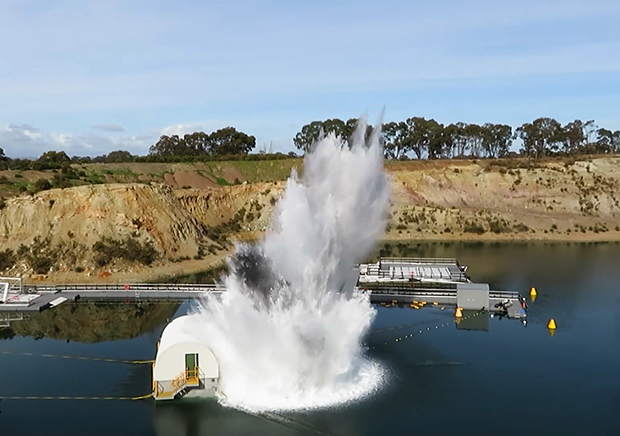
Australia

London, United Kingdom

Diriyah, Riyadh, Saudi Arabia


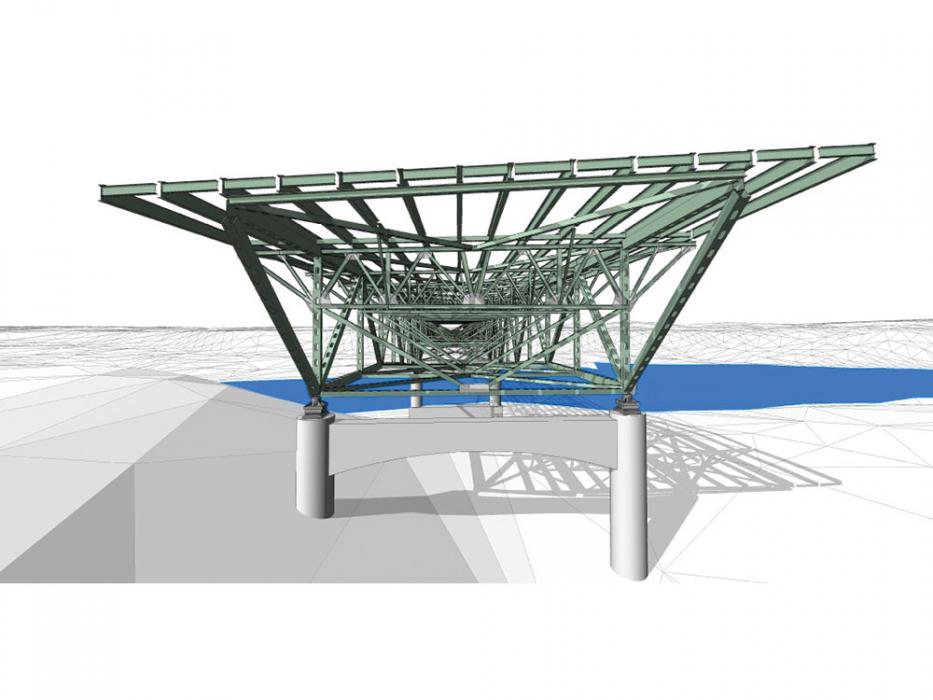
Francesca Brando, Alexandra Iannitelli, Liling Cao, Elisabeth Malsch, Gary Panariello, John Abruzzo and Marguerite J. Pinto
Civil Engineering Magazine, January 2013
The investigation into the causes of the collapse in Minneapolis in August 2007 of the I-35W bridge required sifting through a vast amount of design, retroft, and maintenance data prior to initiating the complicated work of analyzing the condition and loading of the bridge at the time of collapse. A new forensic tool—forensic information modeling—was created to store all of these data, as well as the geometry, as a three-dimensional visual database, enabling the engineers to pinpoint possible trouble areas in need of further inquiry.
I-35 W Bridge, collapse mechanism, forensic information model (FIM), 3-D visual database, collapse simulation