
Steve Freihon/Related-Oxford
New York, New York
Global experience.
Regional perspective.
Local impact.
New York, New York
Australia

London, United Kingdom

Diriyah, Riyadh, Saudi Arabia
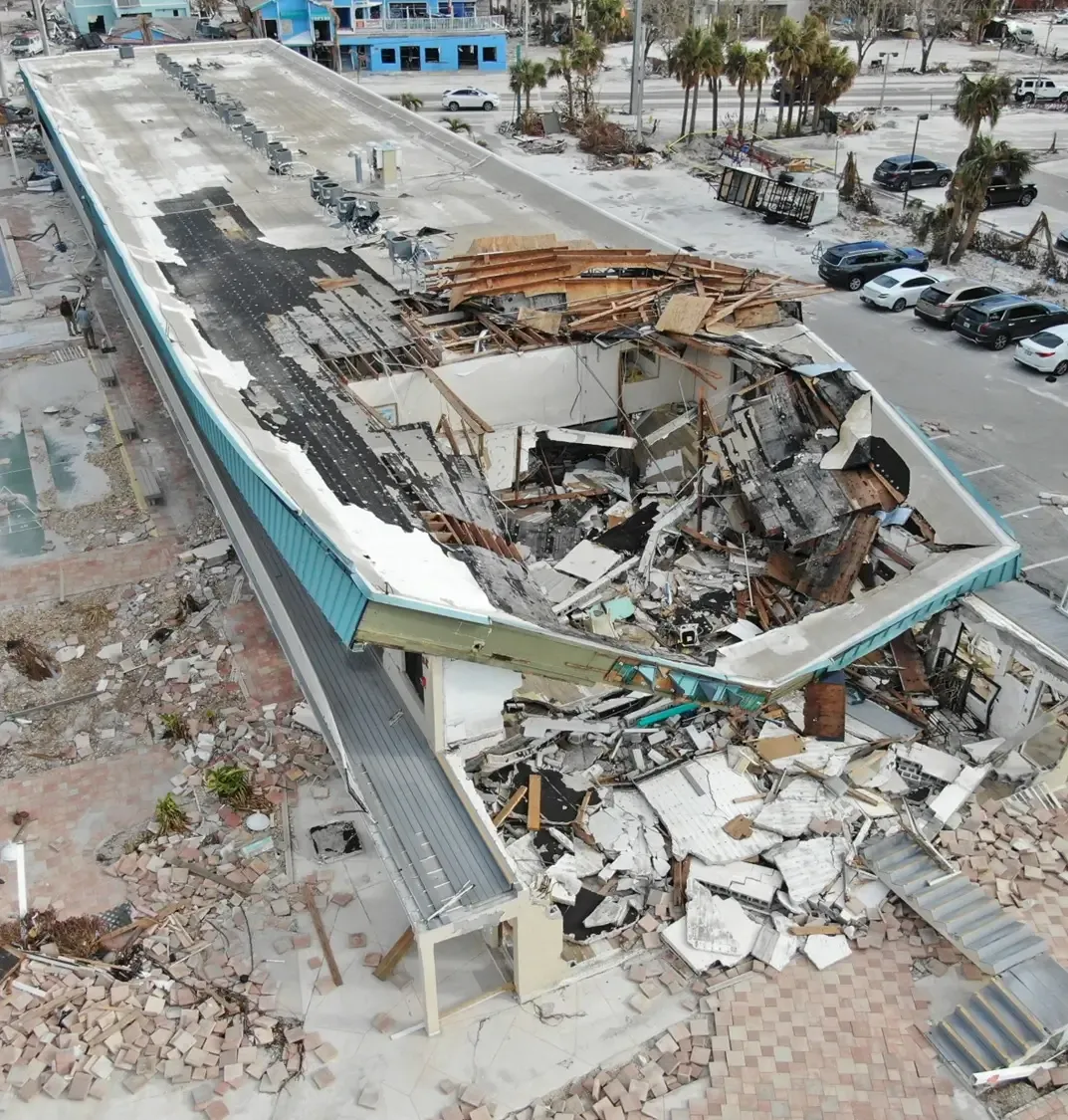
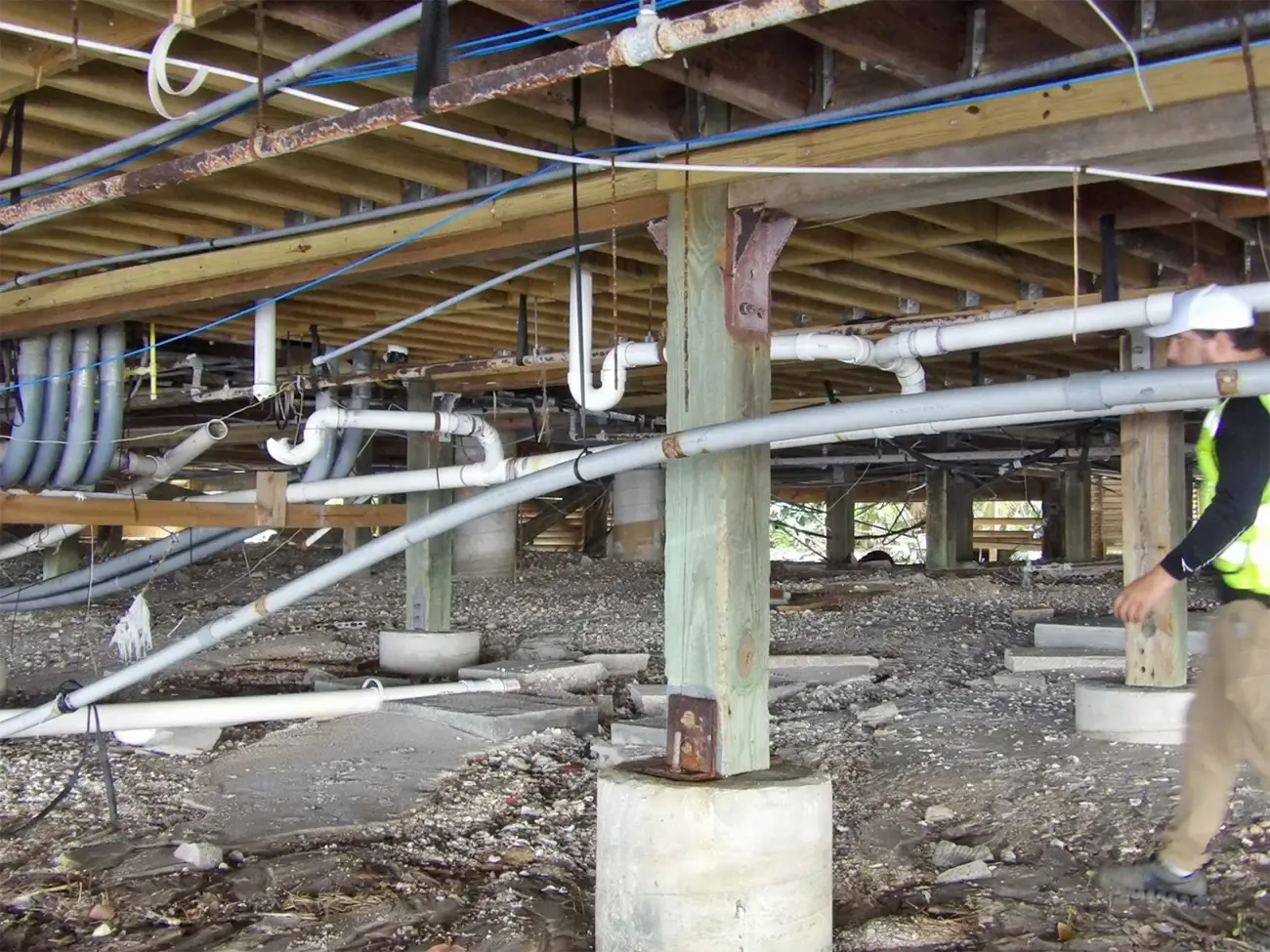
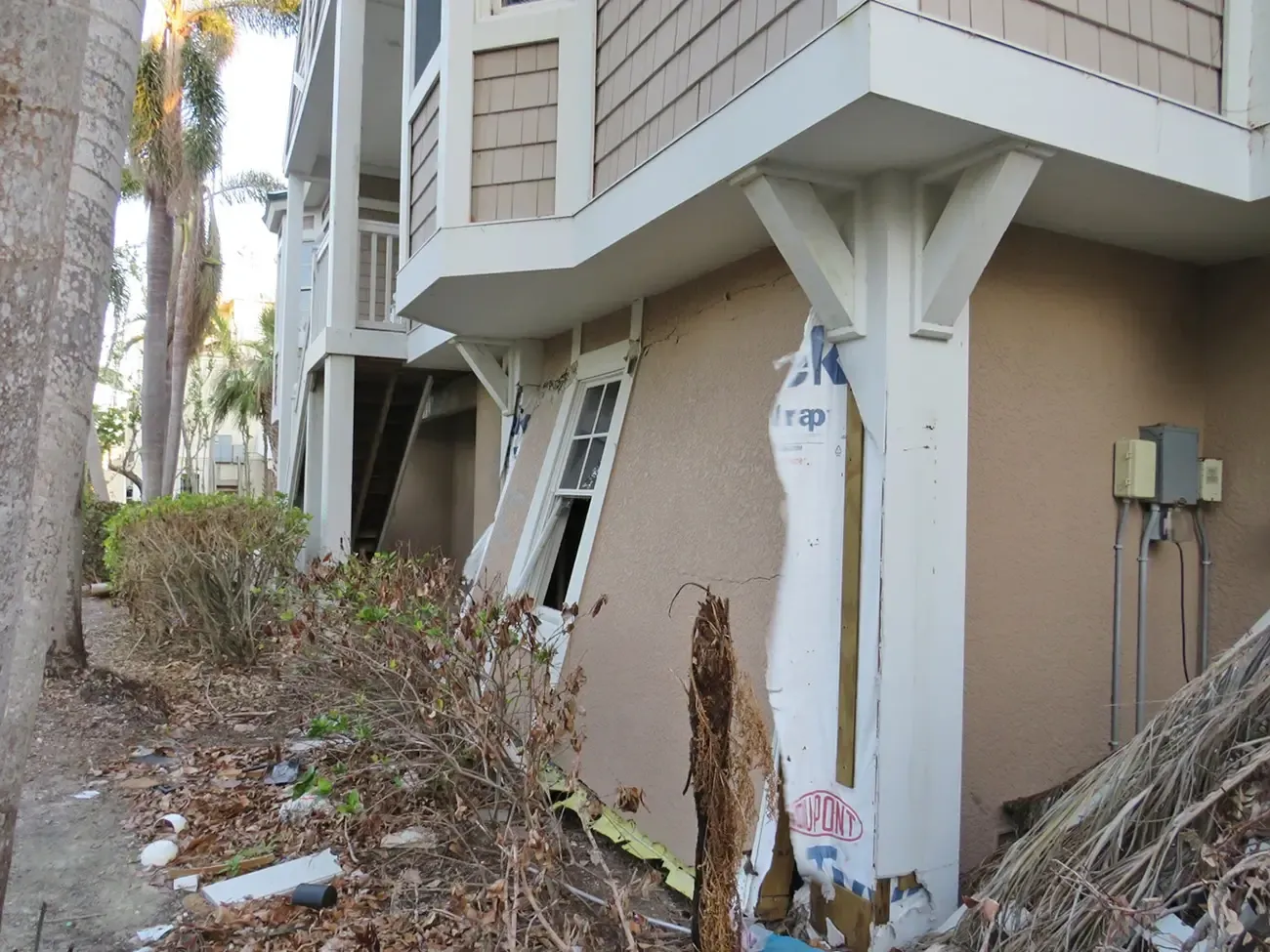
NOAA forecasts a below-normal 2026 Atlantic hurricane season, with 8–14 named storms, 3–6 hurricanes, and 1–3 major hurricanes. The outlook reflects the likely development of El Niño, which can increase wind shear across the Atlantic and suppress storm formation.
For building owners, facility managers, and insurers, hurricane preparedness is not about the total number of storms. It is about whether a specific property is exposed, whether vulnerable systems have been evaluated, and how quickly the building can be assessed, stabilized, documented, and repaired after an event.
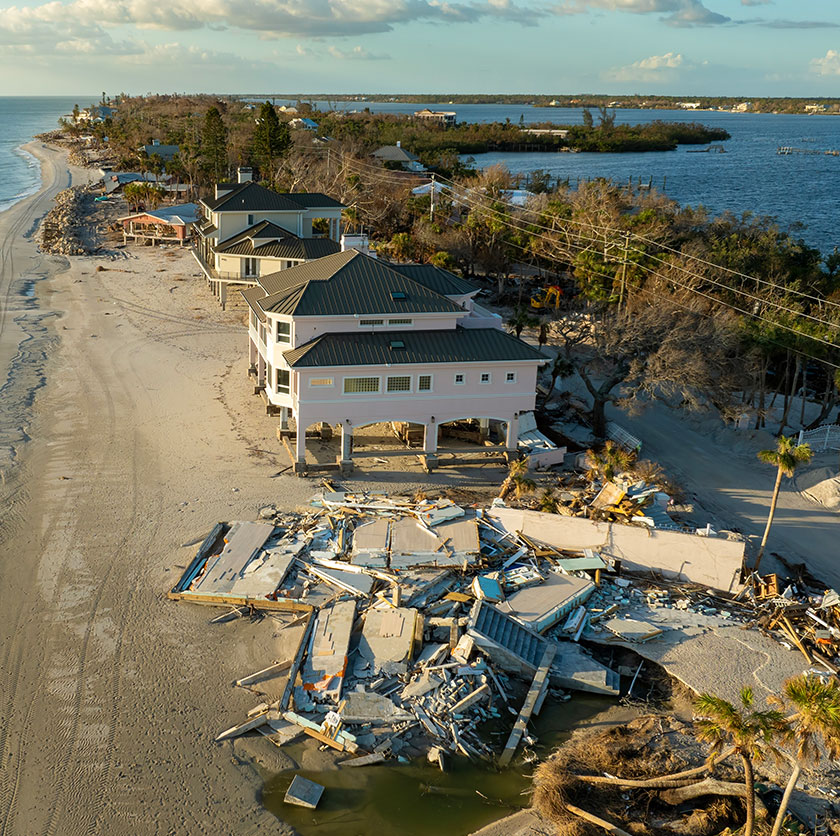 Bilanol/Shutterstock
A below-normal season can still produce damaging landfalls for properties across the Atlantic coast, Caribbean, Gulf of Mexico, and Pacific regions. Seasonal forecasts estimate basin-wide activity; they do not determine which buildings will experience wind, storm surge, flooding, debris impact, water intrusion, roof damage, façade distress, or equipment failure.
For owners and operators, the practical question is direct: is the property ready for the storm it could experience, not the season average?
That question matters across commercial buildings, multifamily properties, hospitals, campuses, industrial facilities, hospitality assets, public-sector buildings, and infrastructure portfolios. Even limited storm activity can create significant losses when buildings have unresolved roof conditions, vulnerable façades, aging drainage systems, exposed mechanical equipment, or inadequate post-storm response plans.
Hurricanes can affect multiple building systems at the same time. Damage is often driven not by one isolated failure, but by cascading impacts involving wind, water, equipment disruption, access limitations, and delayed stabilization.
Common risks include:
Effective hurricane preparedness starts before a storm is named. Owners and operators should identify vulnerabilities, address deferred maintenance, document existing conditions, and establish a technical response plan before severe weather develops.
Priority areas for pre-storm engineering review include:
Pre-storm assessments help owners make informed decisions about repairs, temporary protection, maintenance priorities, and emergency response planning. They also create baseline documentation that can be valuable if damage occurs later.
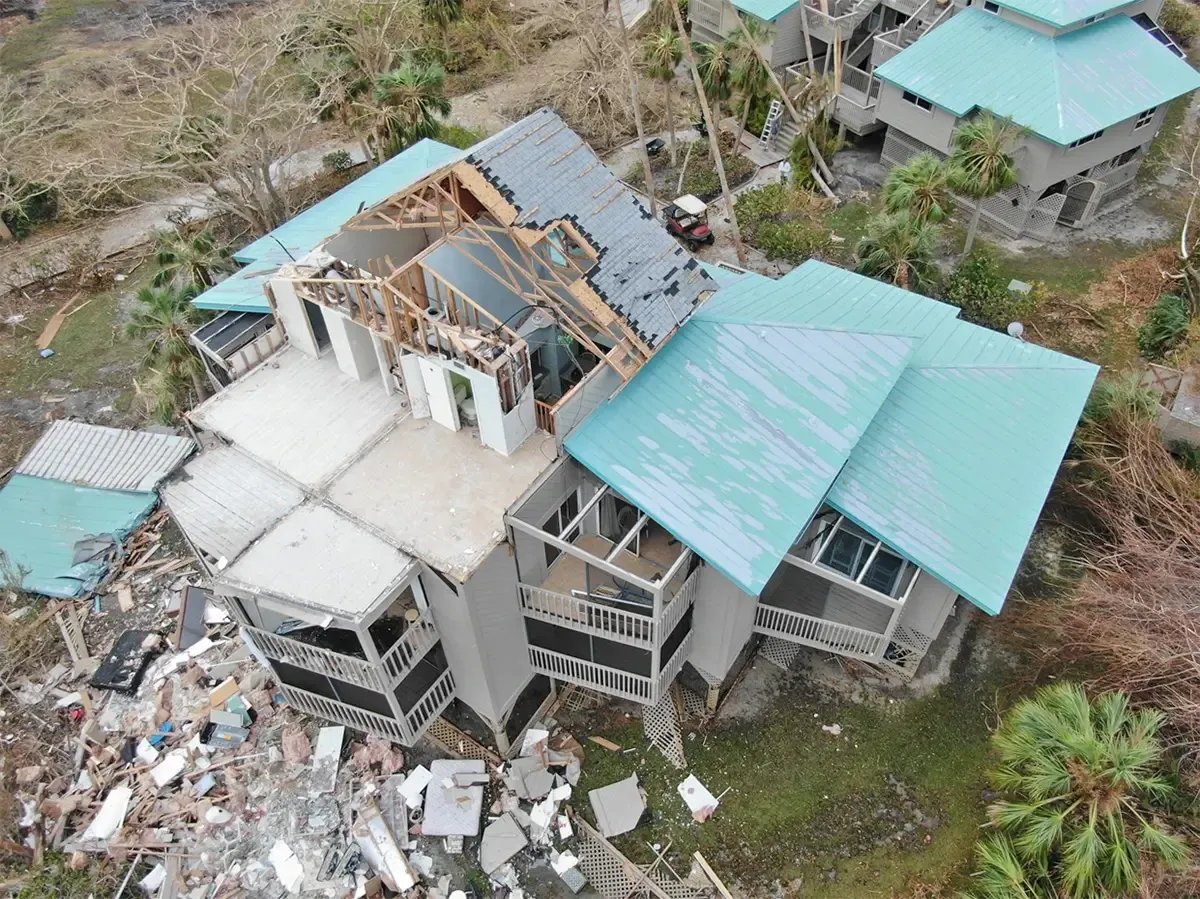
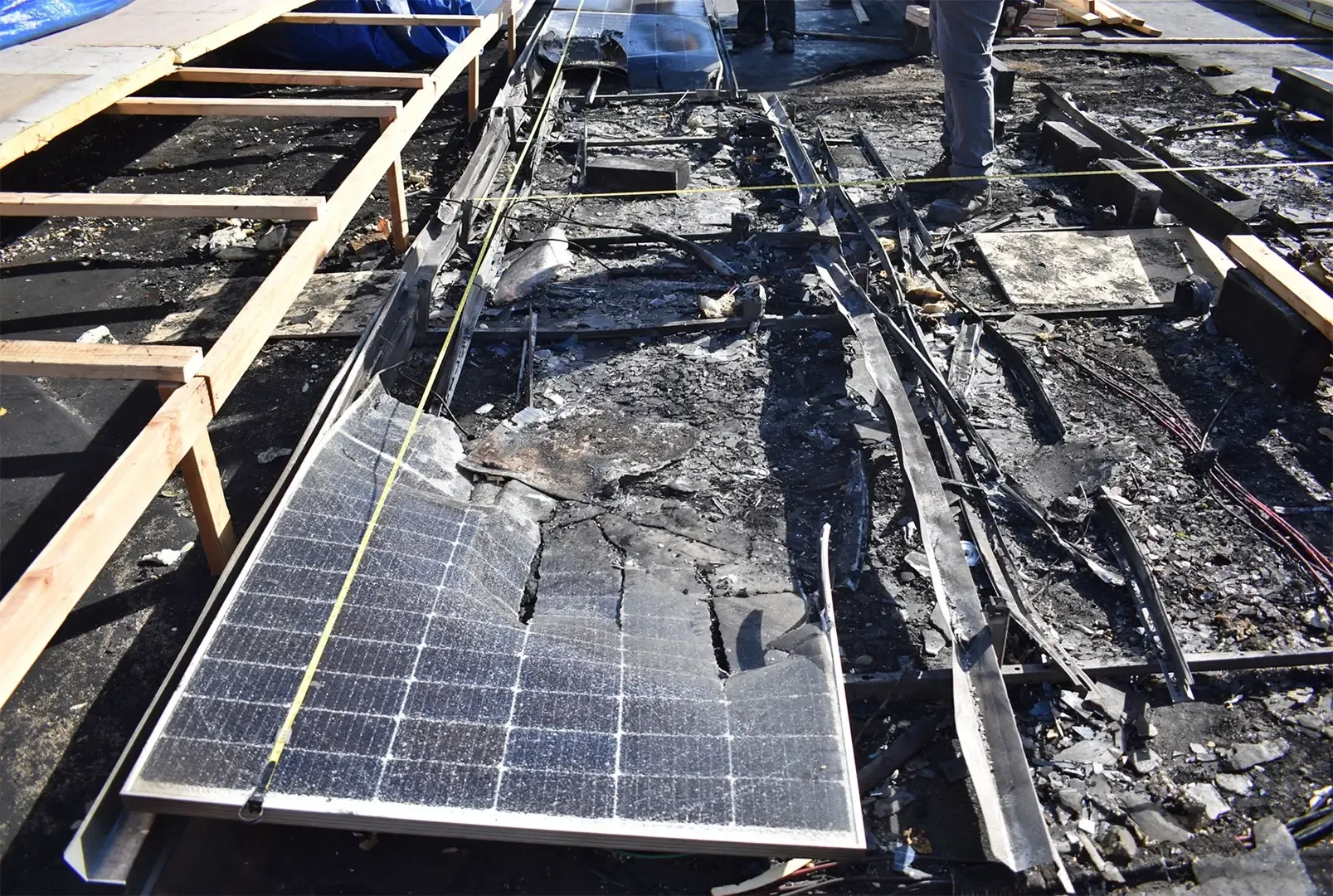
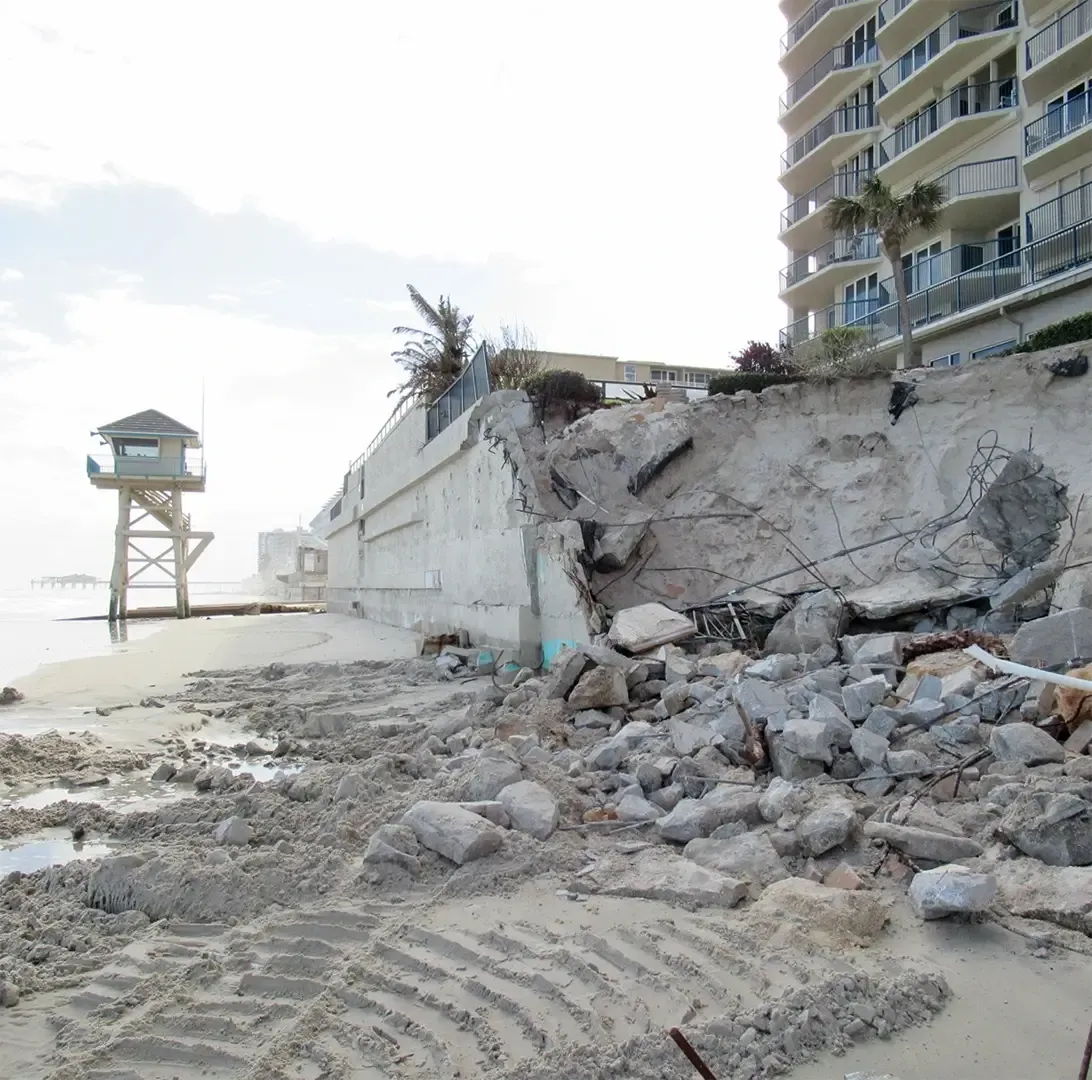
Post-storm response is a critical part of hurricane preparedness. After a storm, owners often need to make fast decisions about safety, access, stabilization, repairs, tenant communication, operations, and insurance documentation.
Delays can compound losses. Water intrusion can spread. Temporary repairs can conceal damage. Damaged rooftop equipment can affect building operations. Structural, envelope, or moisture-related distress may not be obvious without technical review.
A coordinated post-storm engineering response helps owners determine:
Forensic engineering assessments can also help evaluate damage causation, distinguish storm-related conditions from pre-existing distress, and support owners, insurers, and legal teams when technical documentation is required.
Thornton Tomasetti’s forensic and emergency response engineering professionals support clients before and after hurricanes with vulnerability assessments, damage evaluations, emergency stabilization recommendations, repair strategies, and resilience-focused mitigation planning.
Our teams help building owners, facility managers, insurers, and public agencies evaluate storm-related damage to structural systems, façades, roofs, building envelopes, rooftop equipment, and critical infrastructure. We also provide technical investigations, property loss consulting, expert support, and litigation support when needed.
For owners preparing for the 2026 hurricane season, the most effective time to identify vulnerabilities is before a storm forms. The most important time to document damage is immediately after it occurs.