
Mobile Navigation

News & Insights

Insight

Aortas, Aneurysms, & AI
July 31, 2023
In this demonstration, the goal of the in silico trial is to assess the efficacy and safety of a generic, representative stent graft for the treatment of a thoracic aortic aneurysm (TAA). We used finite element analysis (FEA) for surgery simulation, along with Python packages for machine learning (ML) and data visualization.

News

Flood Resilience for Hurricanes
July 10, 2023
Climate change brings rising water levels, rendering many structures vulnerable to potential flooding. In fact, scientists have predicted that global sea levels could rise by as much as 12 inches by 2050. Add hurricanes to the mix, and it’s more important than ever for owners to establish flood resilience strategies ahead of a storm.

Insight

Consideration Of The Threat from Hydrogen As We Expand Its Use
July 05, 2023
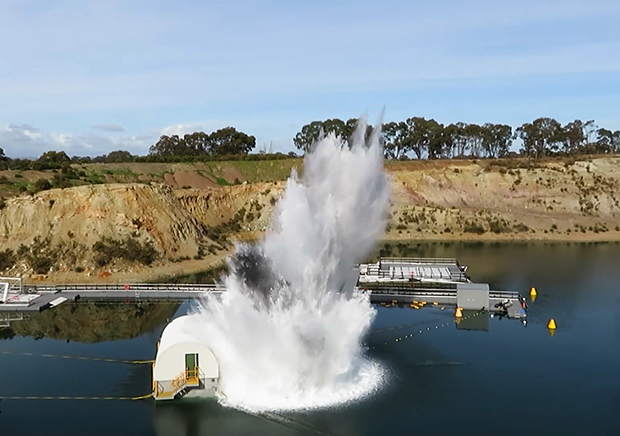
Hydrogen has been used for many years across a number of industries and its characteristics as a flammable fluid are well known. As the world starts its progression to net zero, hydrogen is seen as a form of energy that is both transportable and flexible and can replace traditional hydrocarbon fuels. Looking forward, there exists plans for uses of liquid and gaseous hydrogen at much wider ranges of volumes and pressures than are typical of current hydrocarbon projects.

News

Driving Electric Vehicle Production
June 22, 2023
As demand for electric vehicles (EVs) grows, we’re partnering with steel fabricators and erectors to optimize constructability for several U.S. manufacturing facilities.

News

Preparing for Hurricane Season 2023
June 01, 2023
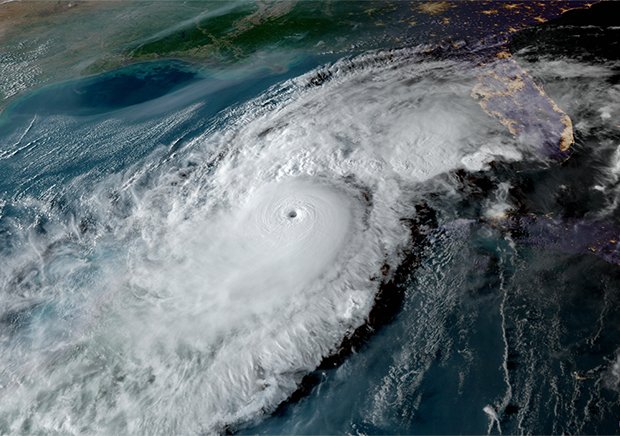
As we approach the start of the 2023 Atlantic hurricane season, let’s take a look back at the 2022 season, as well as the developing El Niño, and learn what this means for the season to come.

Insight

Hydrogen Explosion Events and Comparison with Methane
November 09, 2022
The use of hydrogen as a replacement for natural gas presents all of the hazards we associate with natural gas although the extent of the hazards can be greater for hydrogen; the flammability ranges in air for hydrogen are 4 % to 75 % by volume, high pressure releases of hydrogen can auto-ignite and hydrogen explosions can be more severe as hydrogen is more prone to detonation.