
Steve Freihon/Related-Oxford
New York, New York
Global experience.
Regional perspective.
Local impact.
New York, New York
Australia

London, United Kingdom

Diriyah, Riyadh, Saudi Arabia

When something goes wrong in a complex industrial system, determining what happened is only part of the challenge. Understanding why it happened is often far more difficult.
For industrial owners, insurers, and attorneys, that distinction is critical in determining who may be responsible, what the damages are, and what the appropriate corrective action is.
Industrial system failures are rarely caused by a single event. More often, they emerge from a combination of technical, operational, and organizational factors that develop over time.
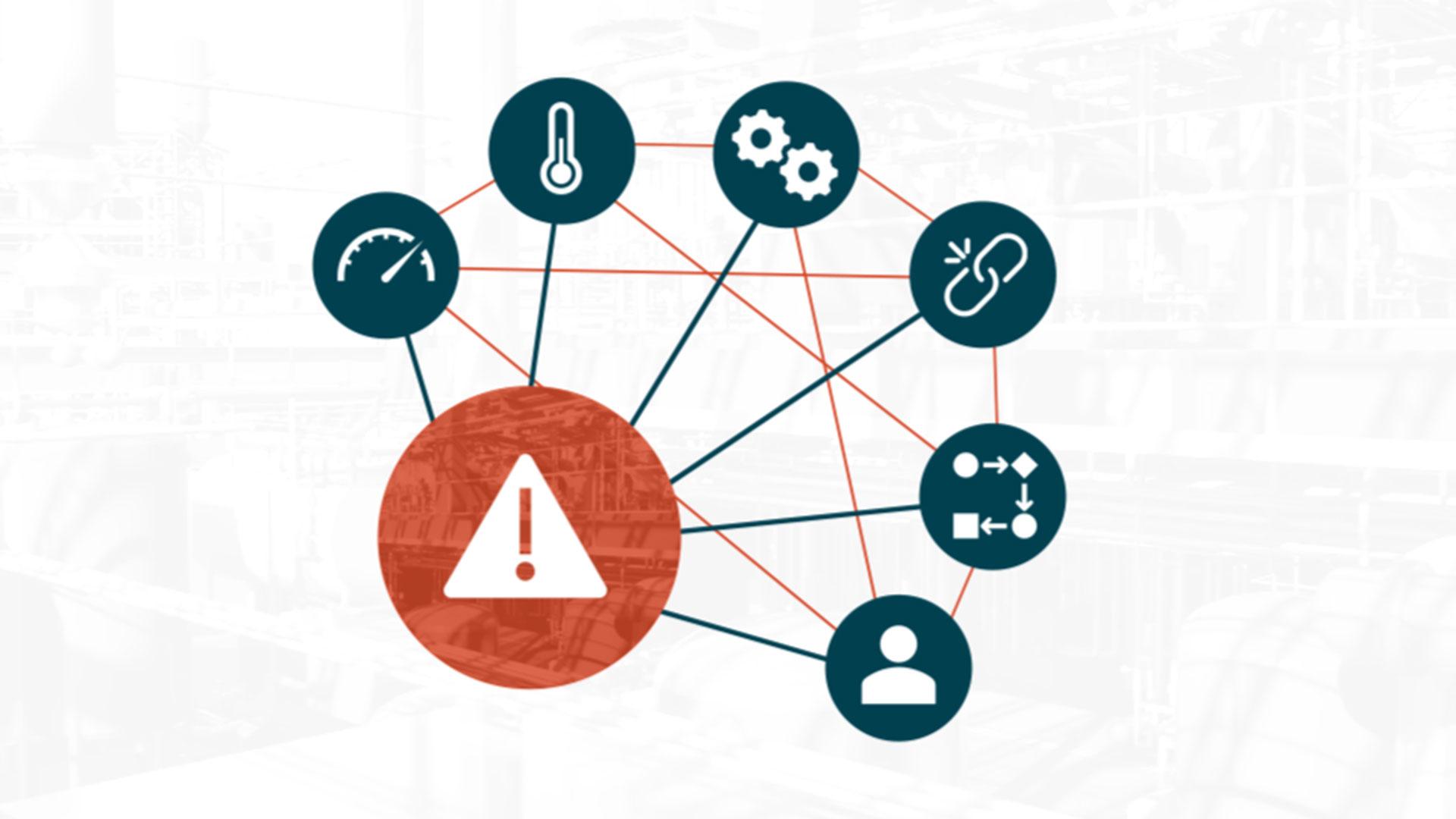
Effective root cause analysis identifies the contributing factors behind a failure. Systems-level thinking builds on that analysis by helping investigators understand how those factors interacted across the broader system. Together, they provide a more complete picture of why failures occur.
In many cases, the direct cause immediately precedes and is associated with the failure. For instance, it could be a fractured component, an environmental event, or a controls malfunction. A root cause explains why the failure occurred by identifying the underlying technical, operational, or organizational conditions that made the failure possible.
Failure analysis determines how and why an industrial component, system, or process failed. Root cause analysis identifies the underlying factors that contributed to that failure. In complex industrial failure investigations, understanding how those factors interact across the broader system often provides the most complete picture
Contributing factors are the technical, operational, environmental, or human conditions that influence an industrial failure. Examples include maintenance practices, process changes, equipment condition, control systems, operating procedures, and organizational decisions. Industrial failures rarely result from a single factor.
Root cause analysis (RCA) in engineering is a structured process used to identify the underlying causes of industrial equipment failures, process upsets, construction issues, and other engineering problems. The goal is to determine why a failure occurred so corrective actions can be implemented to address the true cause rather than the symptoms.
Recurring equipment failures often indicate that only the failed component was repaired – not the conditions that caused the failure. Root cause analysis helps identify underlying issues such as operating conditions, maintenance practices, process changes, or human factors that continue to affect performance.
The right team depends on the complexity of the failure. Industrial root cause analysis often requires expertise from product design, operations, maintenance, process engineering, controls and automation, and forensic engineering. A multidisciplinary team provides a more complete understanding of complex failures.
A forensic engineering team should be involved when the cause of an industrial failure is unclear, when significant damage or business interruption has occurred, or when insurance claims, litigation, or liability questions require independent technical analysis. These investigations often require expertise across multiple engineering disciplines.
In many industrial failure investigations, the most obvious explanation turns out to be an effect – or a symptom – of deeper issues elsewhere in the system, rather than the root cause itself.
A piece of equipment operating below the expected production rate, a failed bearing, construction change orders, or an explosion may help explain what happened in the moment. But those observations do not necessarily explain why the failure occurred.
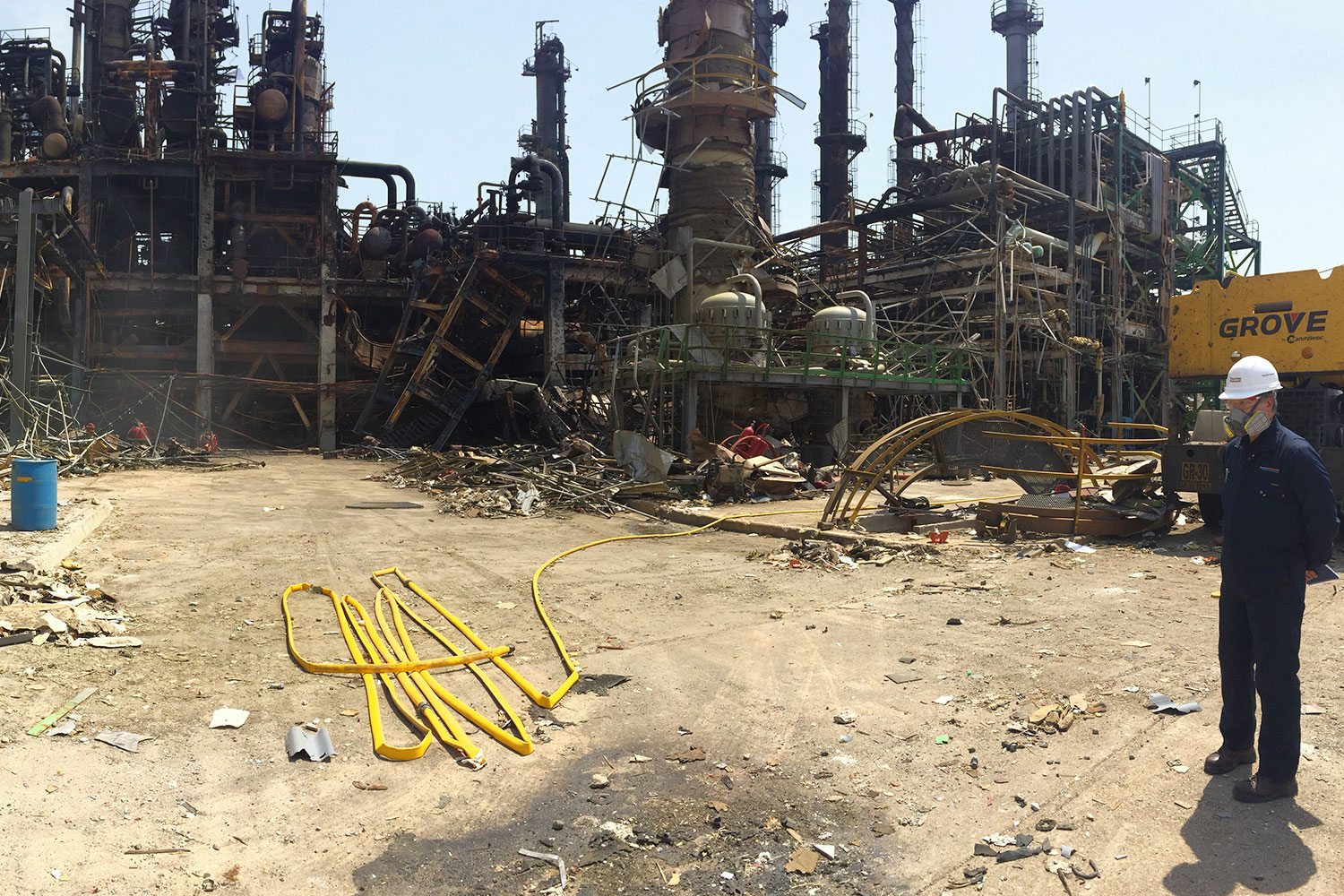
That distinction reflects one of the most common challenges in industrial investigations: separating direct causes from root causes. An emergency shutdown may immediately precede a catastrophic equipment failure. A component may fracture. A process upset may trigger a chain of events. These observations help establish what happened, but they do not explain why the system became vulnerable in the first place.
When investigators focus on the most visible symptom, corrective actions often address the immediate issue while leaving the underlying conditions unaddressed. The result can include inaccurate conclusions, false claims, recurring failures, unresolved disputes, and continued operational risk.
Effective root cause analysis examines the technical, operational, and organizational conditions that made failure possible.
Across industries, one theme appears repeatedly: something changed.
A process was modified. Design assumptions changed. Equipment was taken offline and returned to service. Maintenance practices evolved. Control system settings changed. Responsibilities shifted between teams.
Individually, these changes may have minor effects. Collectively, they can alter how a system behaves.
In many investigations, management of change becomes central to understanding the root cause. The technical failure may occur in one location, but the conditions that contributed to it often originate elsewhere in the system.
Organizations naturally focus on the failure event. Effective investigations focus on the events, decisions, and changes that preceded that event.
As industrial systems become increasingly interconnected, understanding the impact of change is becoming just as important as understanding the failure itself.
Root cause analysis requires more than technical expertise. It requires a disciplined approach to evaluating the many causal factors that affect component and system performance.
At Thornton Tomasetti, industrial investigations often draw on expertise from multiple disciplines to evaluate how technical, operational, and organizational factors contributed to a failure. One framework for structuring that analysis evaluates six sources of variability: man, machine, material, measurement, method, and environment.
The framework helps investigators identify interactions they might otherwise overlook. A maintenance activity may influence equipment performance. A process change may alter operating conditions. Environmental factors may affect measurements. Operational decisions may be based on incomplete information.
By examining each source individually and understanding how they interact, investigators can develop a more complete picture of why a failure occurred.
The same investigative challenges appear across industries, even when the failures themselves look very different.
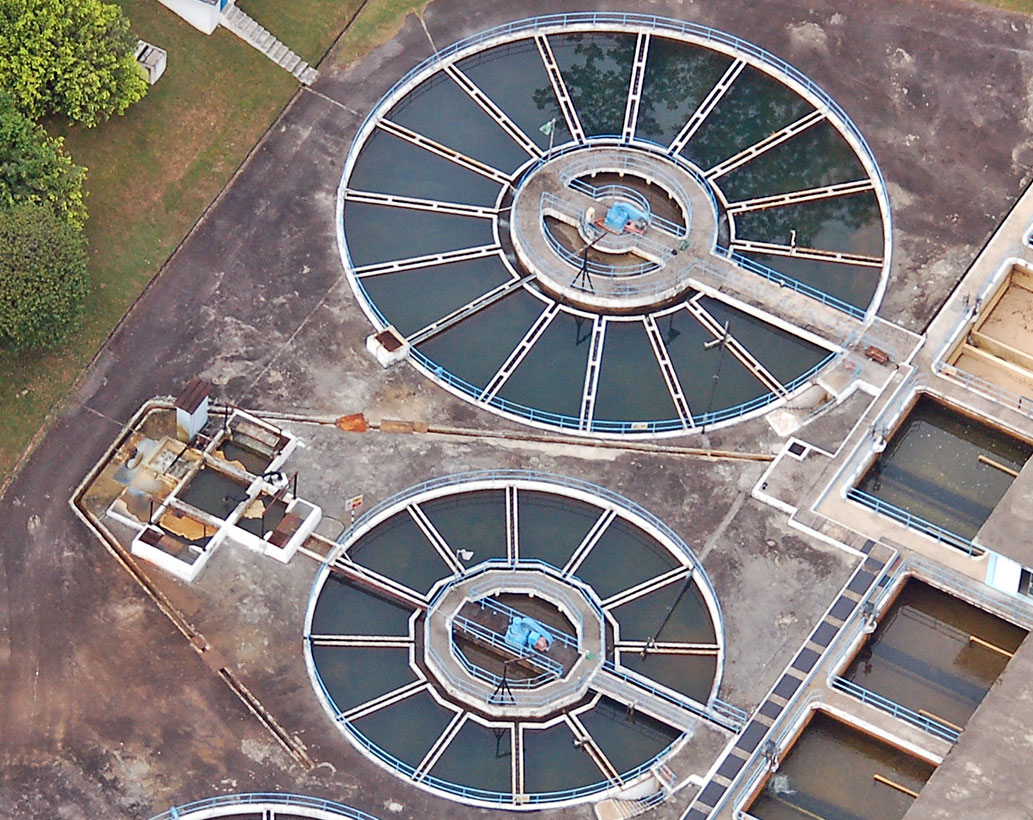
In one water infrastructure investigation, a catastrophic equipment failure initially appeared to be linked to an emergency shutdown event. A broader analysis revealed a sequence of operational and mechanical conditions that had been developing long before the shutdown occurred – a reminder that the triggering event is not always the root cause.
The industries differ. The investigative approach does not. Whether the matter involves a process failure, equipment damage, construction dispute, or catastrophic loss, identifying the root cause requires understanding how the broader system behaved before, during, and after the event.
Industrial failures rarely have a single cause.
The most effective investigations do more than identify what broke. They focus on understanding how failures emerge within complex systems.
Systems-level thinking helps investigators work backward from the failure event to understand the technical, operational, and organizational conditions that existed long before the failure occurred. The goal is not simply to determine what happened, but to understand why the system allowed it to happen.
By combining systems-level thinking with multidisciplinary expertise, investigators can connect the dots between seemingly unrelated events, identify the true drivers behind failures, and help organizations make better-informed decisions about risk, reliability, and future performance.
Need to Understand Why an Industrial System Failed? Request an Investigation Consultation