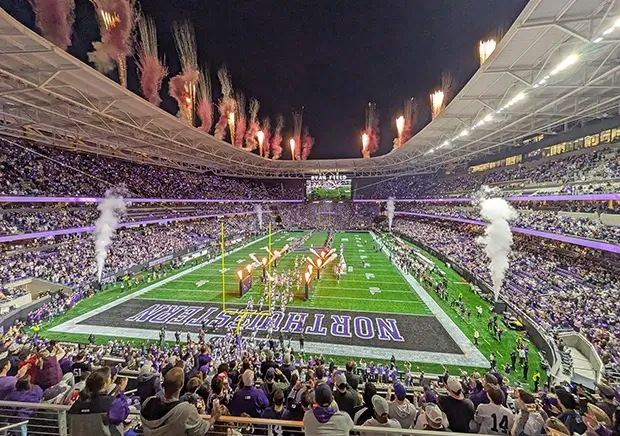

Steve Freihon/Related-Oxford
New York, New York
Global experience.
Regional perspective.
Local impact.
New York, New York
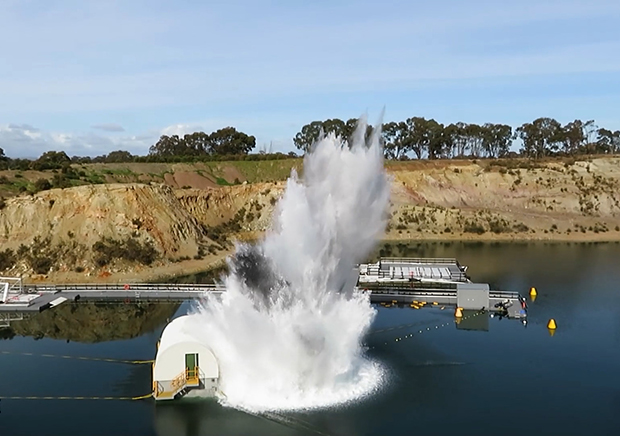
Australia

London, United Kingdom

Diriyah, Riyadh, Saudi Arabia


Maritime decarbonization is changing not only how vessels are powered, but also the risks associated with their operation. Pressure to reduce greenhouse-gas emissions is accelerating the development and adoption of alternative marine fuels. If passed, the International Maritime Organization’s proposed Net-Zero Framework would establish greenhouse-gas fuel-intensity requirements for large ocean-going ships as part of the industry’s path toward net-zero emissions by 2050. These requirements would limit lifecycle greenhouse-gas emissions per unit of energy used.
As alternative marine fuels move into the fleet at scale, they also change the risks associated with vessel operations. These fuels can introduce new hazards, failure modes, and affect how incidents develop, with potential consequences to vessels, port infrastructure, operations, and personnel. Liquefied natural gas (LNG), methanol, ammonia and hydrogen can all play a role in lower-carbon shipping, but each introduces its own combination of physical, chemical, and environmental hazards and risks.
The maritime industry’s existing safety framework was largely built around conventional petroleum fuels, like diesel. Diesel is an easy fuel to use. It is liquid at ambient temperature and pressure. It doesn’t create flammable vapor at normal engine-room temperatures. A leak pools rather than creating a vapor cloud. A leak without a fire rarely kills unless ingested and it floats on water. The industry has mature rules and procedures for its use.
Alternative marine fuels have different physical and chemical properties that can introduce new hazards, failure modes, and require different emergency response strategies.
The risks associated with alternative marine fuels depend on more than their physical and chemical properties. The consequences of an unexpected release also vary based on factors such as whether it occurs in an open or confined space, storage conditions, and ventilation. Vessel geometry, materials, detection systems, and other safeguards can influence whether a release remains contained or escalates into a fire, explosion, or toxic exposure.
This systems-based view is central to marine/ports or industrial forensics: understanding how equipment, materials, operating conditions, safeguards, and human actions interact, and where failure can propagate beyond its point of origin. Scenario-based hazard analysis can identify where a release could escalate, and where design, operational, or response measures can be implemented to reduce the risk.
Marine and port operators must also consider shipboard risks and those extending beyond the vessel to ports, crews, maintenance personnel, and emergency responders. Depending on the fuel being handled, these groups may need different detection systems, protective equipment, firefighting, evacuation procedures, and training. As alternative fuels scale, preparedness must scale with them.
Environmental performance cannot be measured by lifecycle carbon alone. An alternative fuel can contribute to maritime decarbonization while creating a very different set of consequences if released into a port, vessel space, or marine environment.
Those consequences vary by fuel chemistry and release conditions. Biodiesel and methanol can biodegrade in water, but that process can consume dissolved oxygen and affect aquatic organisms. Ammonia is highly soluble and can create acute toxicity concerns for marine life. LNG presents a different issue: although it can reduce certain air pollutant emissions compared with conventional marine fuels, unburned methane released through an engine or fuel system – known as methane slip – can reduce its climate benefits.
As alternative fuels scale, environmental risk assessment must account for both the global benefits the transition is intended to achieve and the local consequences that can result from accidental releases.
U.S. marine spill-response laws were largely developed around oil spills. As alternative marine fuels enter service, these existing regulatory categories do not always account for their different hazards.
The Oil Pollution Act, for example, establishes response-planning and cleanup mechanisms for petroleum products only. CERCLA applies to listed hazardous substances, including ammonia and methanol, but expressly excludes LNG and liquefied petroleum gas (LPG). As a result, reporting requirements, response obligations, cleanup mechanisms, and potential liability can differ substantially depending on what fuel is released and under what circumstances.
As the range of marine fuels expands, preparedness must account for both the physical hazards of a release and the applicable regulatory requirements. Understanding how a fuel behaves is essential, but so is knowing whether existing response plans, cleanup funding mechanisms, and regulatory requirements adequately address the consequences of a release.
The maritime fuel transition is already underway. Managing it means looking beyond fuel selection to the full system around it, including containment, materials, vessel arrangement, conditions, vessel operations, detection, emergency response, and environmental consequences.
Industrial forensics applies systems thinking to those interactions, bringing together expertise in failure analysis, fire and explosion behavior, materials and chemical behavior, consequence modeling, equipment performance, and operating conditions to understand how these factors interact.
Historically, safety regulations have often evolved in response to accidents, with new requirements intended to prevent similar incidents. But scenario-based, system-wide risk analysis can help identify potential hazards before an incident occurs, informing vessel design, operating procedures, and emergency preparedness. As alternative marine fuels become more widely adopted, the industry has an opportunity to address emerging risks proactively rather than waiting for accidents to expose them.
Navigating the Risks of Alternative Marine Fuels? Our experts can help you understand maritime risks