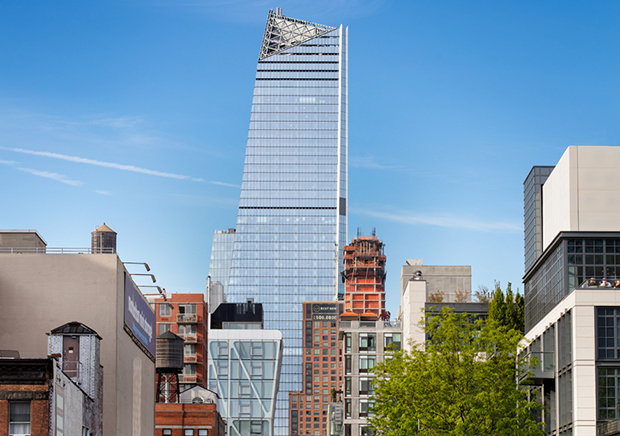
Steve Freihon/Related-Oxford
New York, New York
Global experience.
Regional perspective.
Local impact.
New York, New York
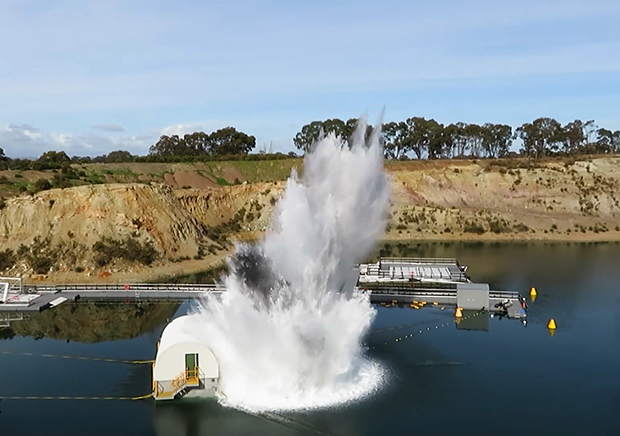
Australia
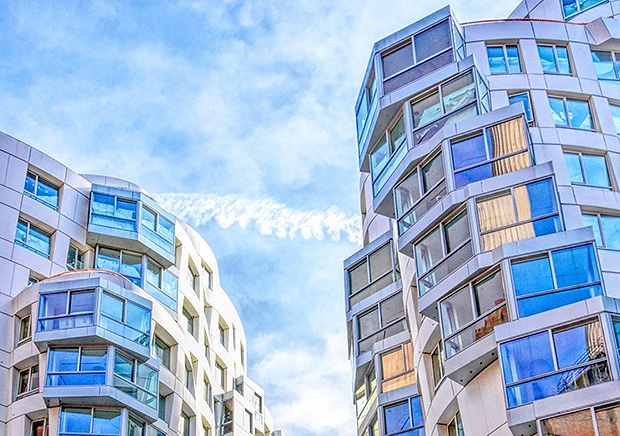
London, United Kingdom
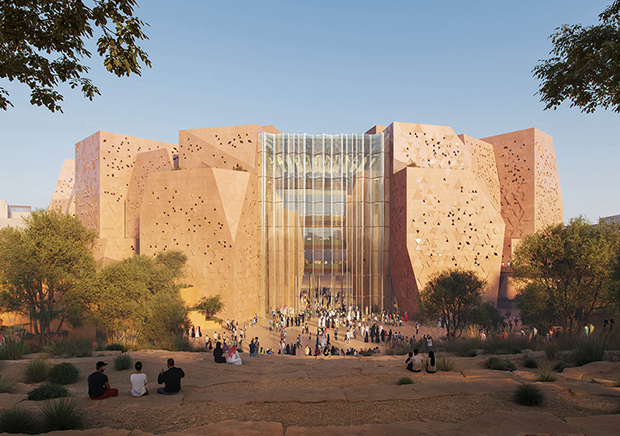
Diriyah, Riyadh, Saudi Arabia

 Damion Hamilton Photography
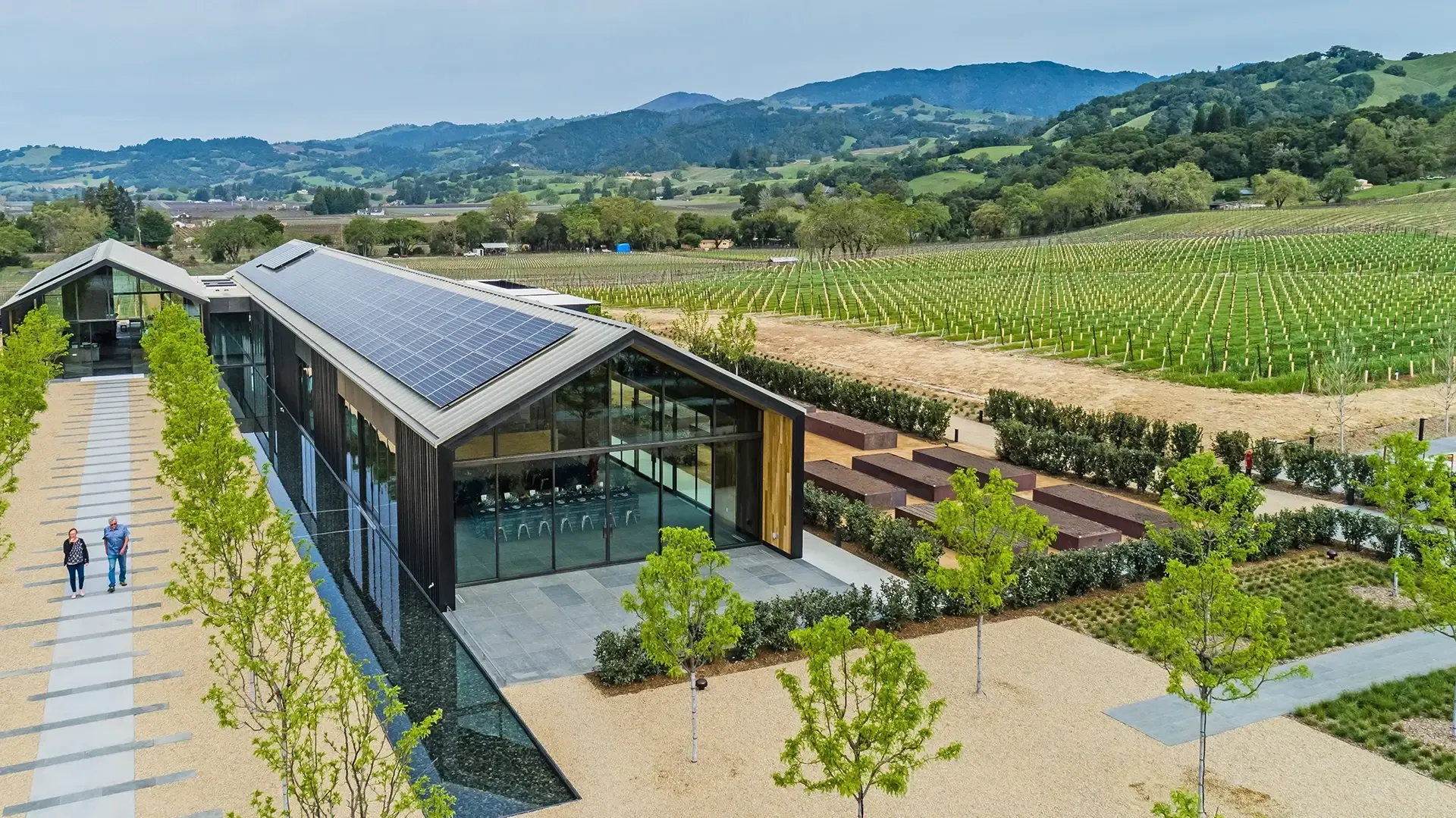
Jose Rodriguez, Associate Principal, Thornton Tomasetti
This article appeared in IEEE Energy Sustainability Magazine, Volume 1, Issue 2, August 2025.
Sustainable Building Practices have evolved from ancient traditions that used local materials and passive design to modern innovations addressing current environmental challenges. Today’s sustainable buildings emphasize energy efficiency, resource conservation, and occupant health using advanced materials and technologies such as energy modeling and lifecycle assessments to minimize their carbon footprint. Certification systems like Leadership in Energy and Environmental Design (LEED) set rigorous standards, requiring buildings to meet criteria for energy use, materials, and indoor environmental quality. The movement now addresses decarbonization, resilience to climate hazards, and ethical considerations, while also facing challenges like greenwashing and market adoption. Looking forward, the focus is shifting toward restorative design as some question whether current practices truly achieve long-term sustainability.