
Steve Freihon/Related-Oxford
New York, New York
Global experience.
Regional perspective.
Local impact.
New York, New York
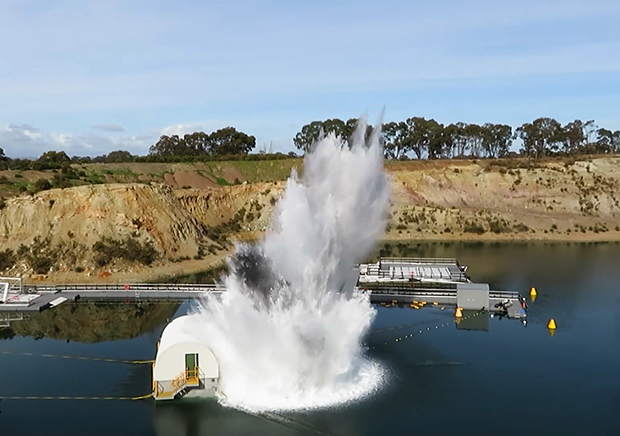
Australia
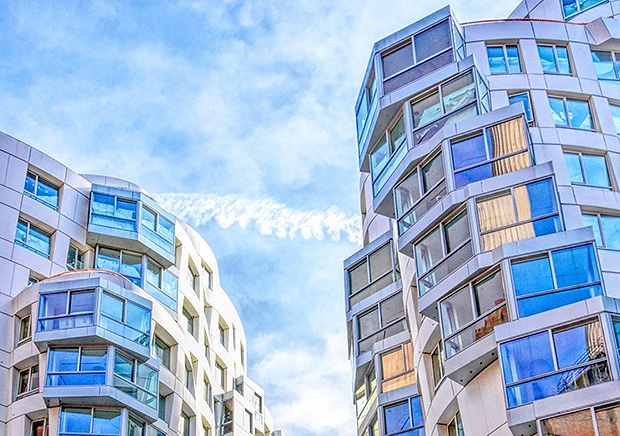
London, United Kingdom
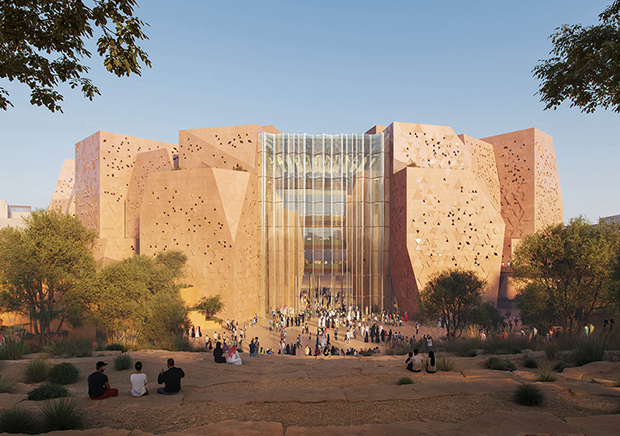
Diriyah, Riyadh, Saudi Arabia
We have the experience and capabilities to help reduce the carbon footprint of your project’s concrete.
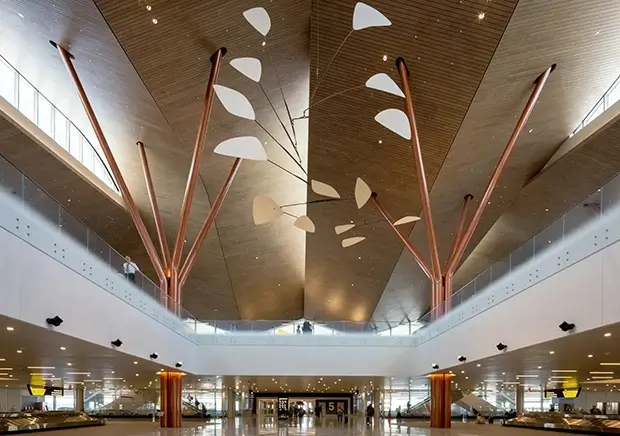
 Courtesy ZGF
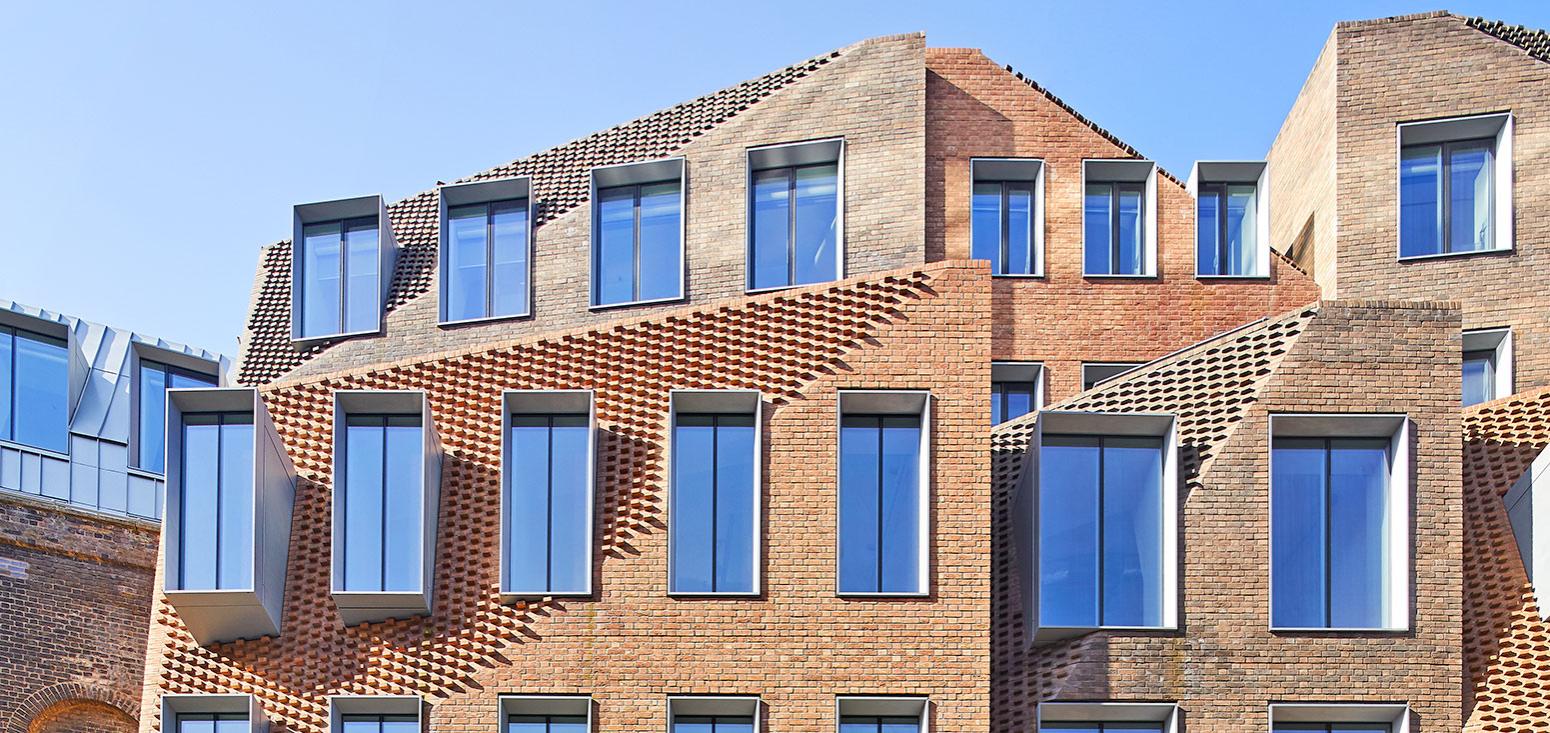
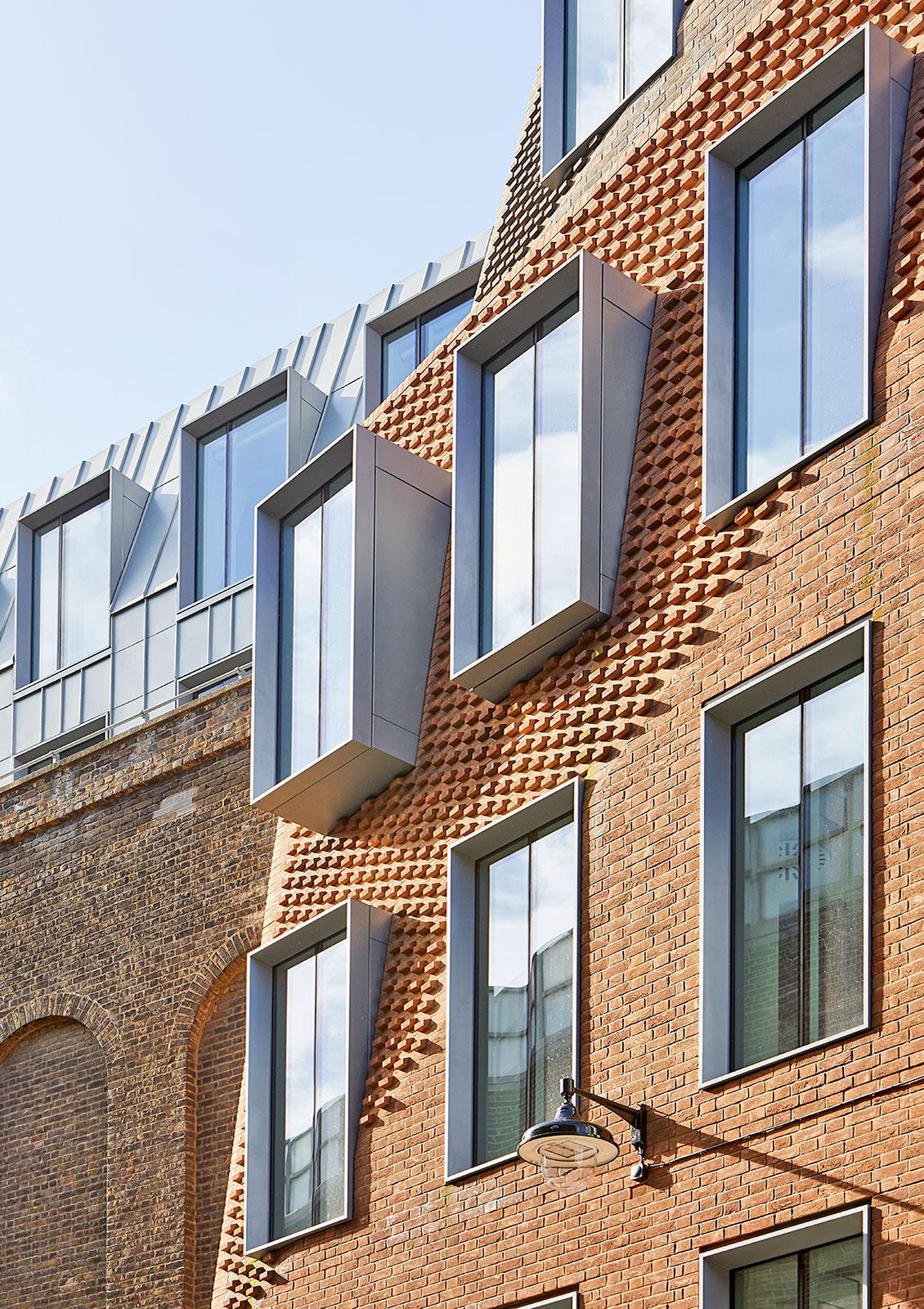 (c) Hufton+Crow
Concrete is the world’s most widely used building material. Cement is a key ingredient in concrete, and its production accounts for about 8% of global carbon emissions every year.
We've been leading industry efforts to reduce the carbon footprint of structural materials since 2013, and we have the means to help achieve large carbon-footprint reductions for projects of any scale, including:
Starting from concept-level studies, we guide designs toward lower concrete volumes and increased efficiency. We use design tools like Beacon to evaluate and track the carbon footprints of our concrete frames. Then we leverage our global presence and in-depth knowledge of local markets to integrate novel low-carbon and carbon-negative materials into structures, advancing the move toward carbon-neutral buildings.

We're serious about carbon reduction in the built environment: