Steve Freihon/Related-Oxford
New York, New York
Global experience.
Regional perspective.
Local impact.
New York, New York
Australia

London, United Kingdom

Diriyah, Riyadh, Saudi Arabia
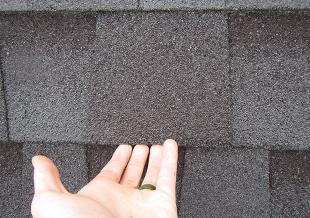
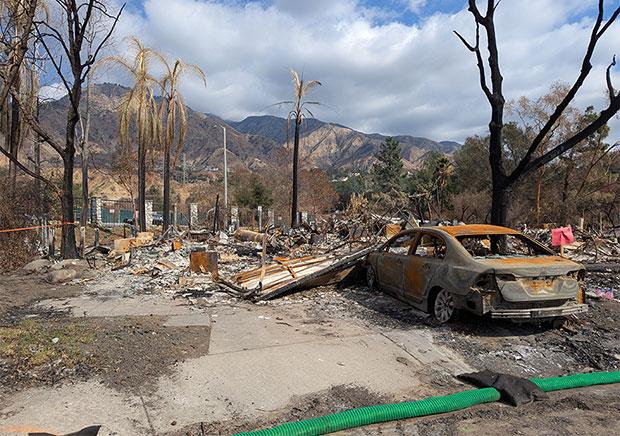
Beginning in early January 2025, the Eaton Fire rapidly spread through Pasadena and Altadena, California, driven by extreme winds and prolonged dry conditions. By mid-January, the fire had burned more than 14,000 acres and caused widespread structural and environmental damage across residential, commercial and public facilities.
Thornton Tomasetti’s fire forensics team was engaged to investigate damage at multiple properties affected by the fire. This case study focuses on a newly constructed school building in Altadena and highlights how wildfire exposure can impact roofing systems, building envelopes and rooftop mechanical and electrical equipment, even when fire-resistant materials are used.
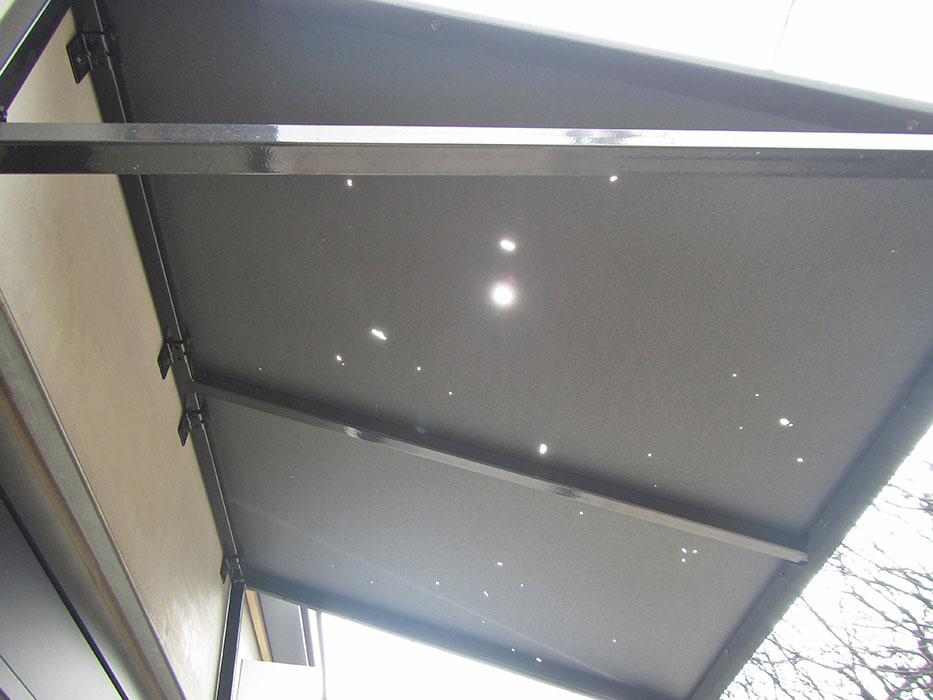
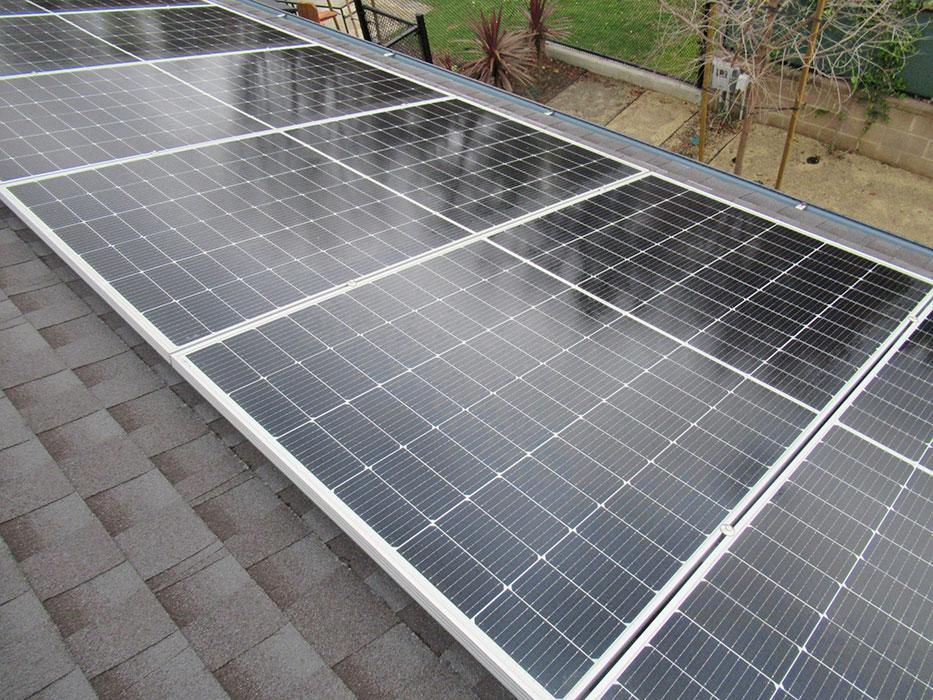
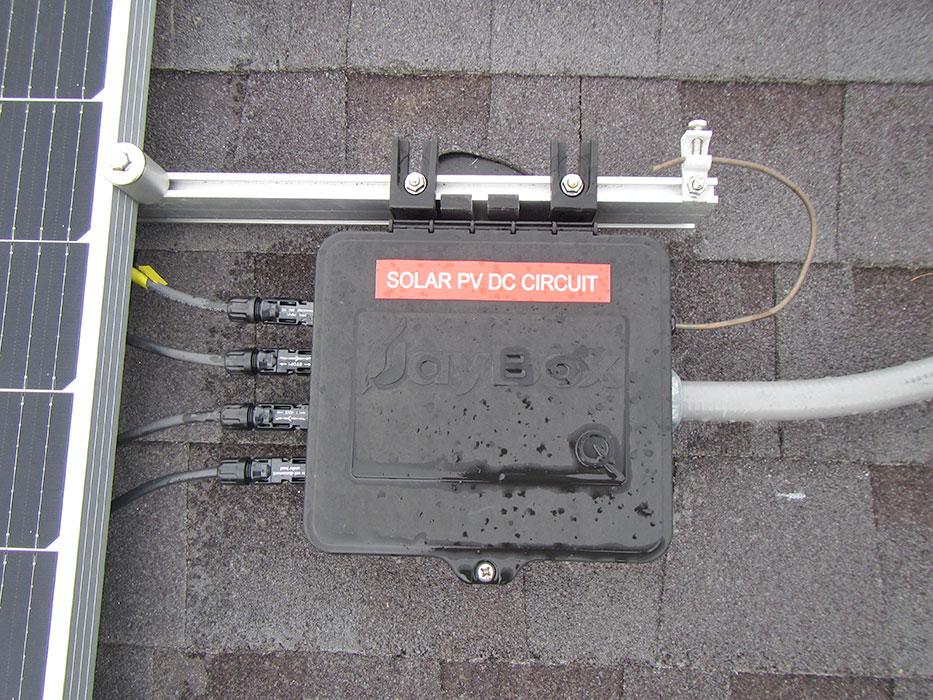
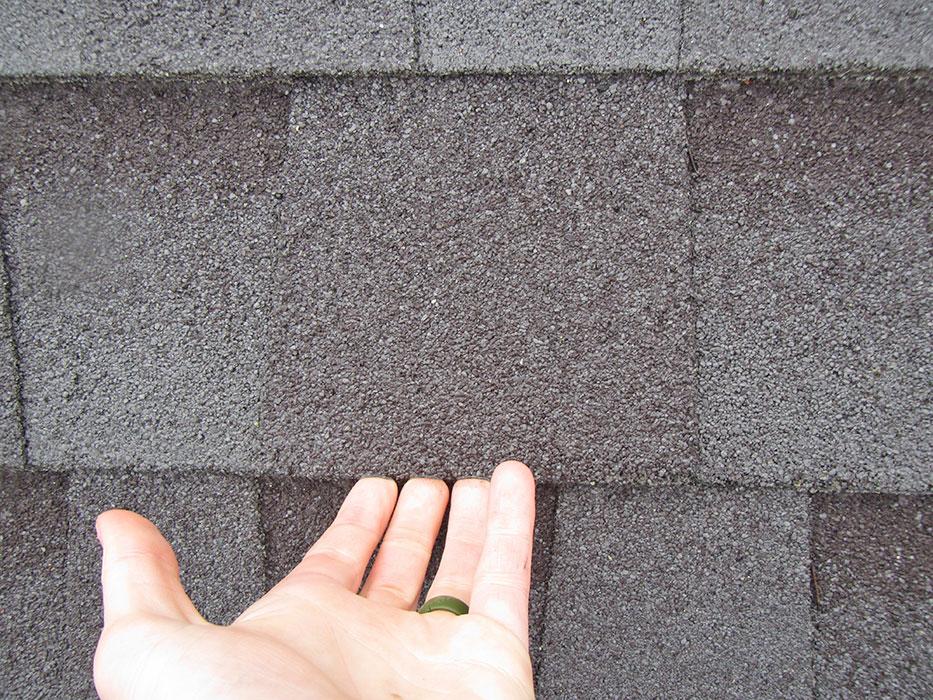
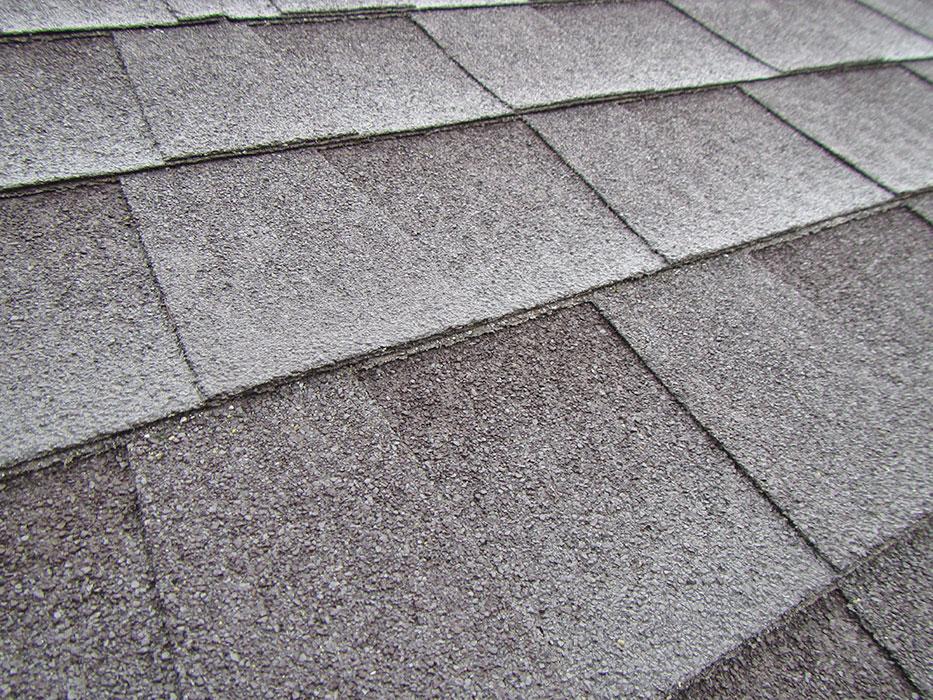
The school building performed comparatively well relative to surrounding structures, likely due to its modern construction and use of newer, fire-resistant materials. While the building was nearing completion, it had not yet been occupied at the time of the fire.
Thornton Tomasetti was retained to perform a forensic engineering assessment focused on identifying wildfire-related damage and distinguishing it from preexisting construction or installation deficiencies, a critical step in insurance and recovery decision-making.
The building includes:
Rooftop systems include HVAC units and photovoltaic solar panels mounted on the roofing assemblies.
Our investigation included a detailed visual inspection of:
The goal was to determine the extent of fire-related impacts, assess potential environmental contamination, and identify any conditions unrelated to wildfire exposure that could affect repair or replacement decisions.
A key outcome of this investigation was differentiating wildfire-related damage from preexisting construction conditions. While ember exposure caused localized roof damage, water infiltration issues were primarily associated with construction sequencing and detailing deficiencies.
This distinction is essential for insurance coverage determinations, repair prioritization and long-term asset management decisions following wildfire events.
The Eaton Fire caused limited, localized damage to the school building, primarily affecting sections of the TPO and polycarbonate roofing systems. No significant structural damage was identified. Most observed water intrusion and interior staining resulted from non-fire-related construction issues rather than thermal exposure. Recommended actions included targeted roof repairs, cleaning and testing of rooftop mechanical systems, and selective component replacement as needed to restore full functionality.
Wildfires increasingly threaten schools and public facilities across the U.S. West Coast. Even when buildings survive without major structural loss, embers, heat and smoke can compromise roofing assemblies, mechanical systems and indoor environmental quality.
Forensic engineering assessments play a critical role in:
Thornton Tomasetti’s fire forensics team works with school districts, property owners, insurers and legal teams to deliver objective, science-based evaluations following wildfire events. Our investigations help clarify what was damaged, why it failed and what steps are required to safely restore or rebuild.
If you need expert support for wildfire damage assessments, fire investigations or insurance claim evaluations, our forensic engineers are ready to help.



Insight
Structural Damage to Concrete & CMU Foundations