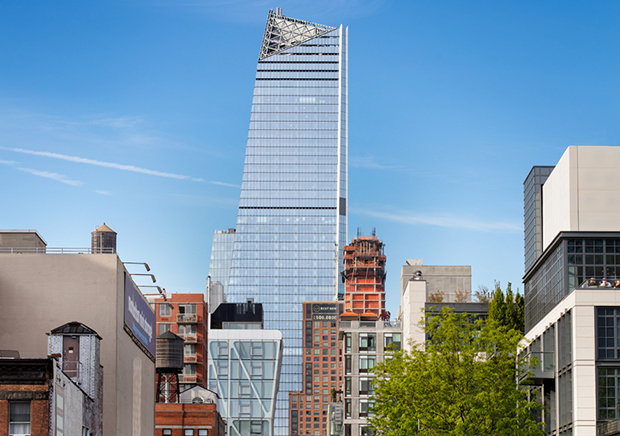
Steve Freihon/Related-Oxford
New York, New York
Global experience.
Regional perspective.
Local impact.
New York, New York
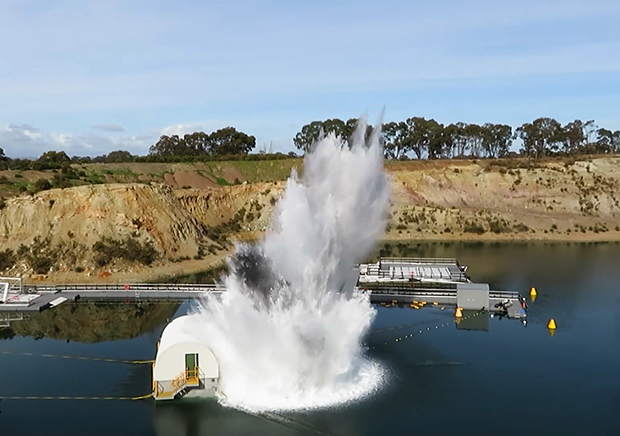
Australia

London, United Kingdom
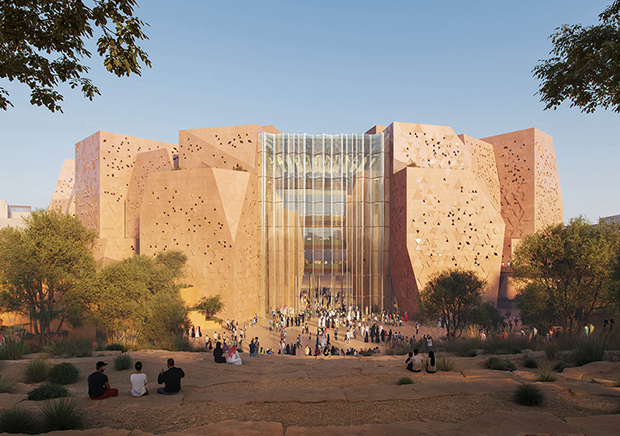
Diriyah, Riyadh, Saudi Arabia


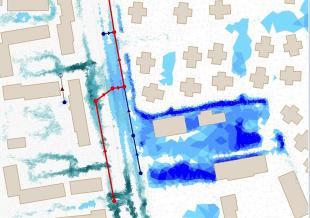
Building codes establish the minimum standards needed to protect people during a flood. But as climate conditions evolve and storms become more intense, designing to code is no longer the same as designing for future flood risk.
Many buildings, campuses, and public infrastructure were designed using historical flood data, rainfall patterns, and code requirements that reflected the conditions of the past. Those standards remain essential, but they’re inherently backward-looking. Owners planning for assets that will operate for decades need to ask a different question: Will this asset be resilient to the climate it is likely to experience over its lifetime – not just the climate it was originally designed for?
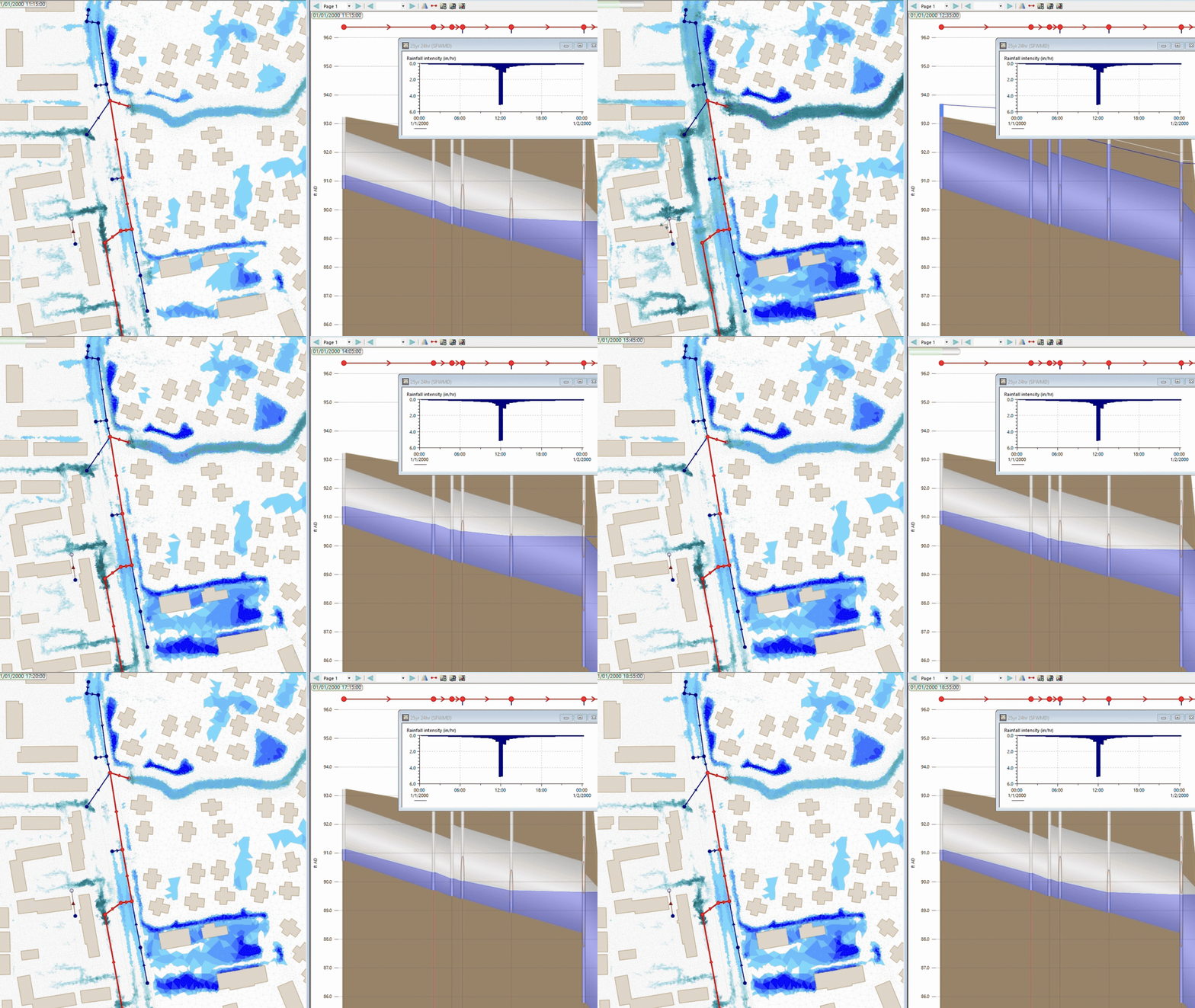
Today’s flooding challenges aren’t driven by a single factor. More intense rainfall and changing storm patterns are colliding with infrastructure, drainage systems, and development standards that were designed using historical assumptions. In many areas, storms are delivering the same amount of rainfall over much shorter periods, overwhelming systems that were never intended to handle those peak intensities.
That doesn’t mean building codes are obsolete. They remain the foundation for safe design. But they are intended to establish minimum requirements, not predict how flood risk may change over the next 30, 50, or 75 years. For owners making long-term investments, code compliance should be the starting point, not the finish line. Forward-looking flood risk assessments can help identify how future conditions may differ from historical assumptions and whether additional resilience measures are warranted.
Preparing for future flood risk doesn’t mean designing every building for the most extreme storm imaginable. It means understanding what level of resilience is appropriate for the asset, its operations, and the owner’s long-term objectives.
A hospital, for example, has very different resilience requirements than a warehouse. A municipality has different priorities than a commercial office building. Some owners may prioritize rapid re-occupancy after a flood. Others may focus on maintaining critical operations or protecting essential infrastructure. The right solution depends on what needs to keep functioning, not simply on achieving the highest possible level of protection.
Rather than applying the same resilience strategy everywhere, owners should focus on adaptability: understanding how flood risk may evolve over time and investing in solutions that can evolve with it. That approach leads to smarter capital planning and more targeted resilience investments.
Flood barriers are only one part of a comprehensive resilience strategy. For municipalities and communities, resilience often starts upstream, understanding flood risk at the watershed scale, evaluating different flood mechanisms, and using advanced flood modeling to identify where layered protection strategies can reduce risk before floodwaters reach critical assets. Publicly available flood maps provide an important foundation, but additional analysis may be needed to understand localized flooding or future climate scenarios they weren’t designed to capture.
At the building level, resilience extends beyond physical protection. A building may meet code and keep occupants safe during a flood but still be unable to reopen because critical systems are offline. Designing for resilience means planning for recovery as well as survival – protecting essential systems, reducing reliance on manual emergency actions where possible, and planning for business continuity so owners can restore operations more quickly after a flood.
As flood risks continue to evolve, owners need more than historical assumptions and minimum code requirements to guide long-term decisions. Thornton Tomasetti helps owners evaluate flood scenarios, identify the vulnerabilities that matter most, and develop resilience strategies aligned with their operational goals, helping them make smarter investments that protect critical assets both today and in decades ahead.
Contact Our Resilience Experts to assess How resilient your assets are to future flood risk