
Steve Freihon/Related-Oxford
New York, New York
Global experience.
Regional perspective.
Local impact.
New York, New York
Australia

London, United Kingdom
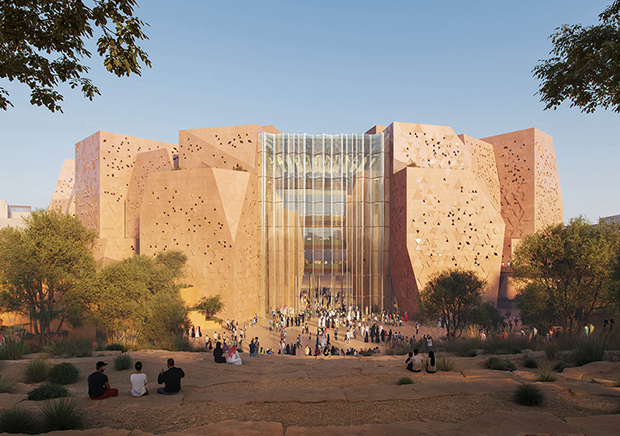
Diriyah, Riyadh, Saudi Arabia
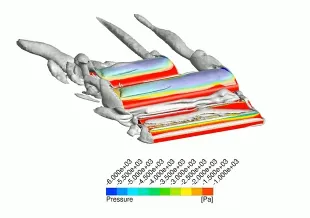
After a major storm, understanding why a building or structure was damaged can require more than knowing how fast the wind was blowing. Wind direction, surrounding topography, and the shape and configuration of a structure can all influence how wind behaves as it moves around and over a building.
For forensic investigations, computational fluid dynamics (CFD) modeling – a method that uses computer simulations to analyze how air and other fluids move and interact with structures – can provide another way to examine those interactions. By simulating wind flow around a structure, CFD can reveal highly dynamic aerodynamic effects that may be difficult to capture through standard wind-loading analysis alone.
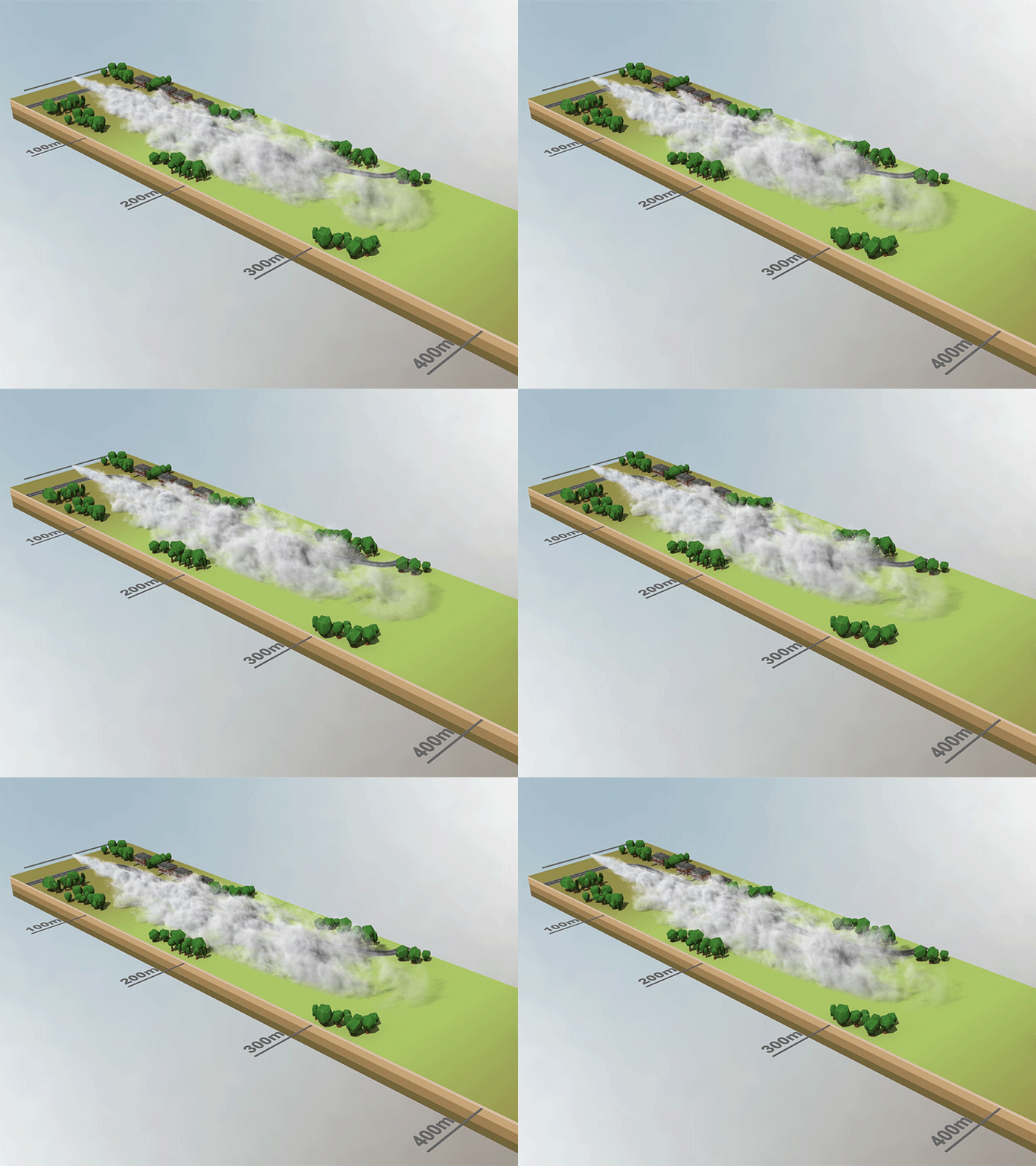
Key Takeaway: Some storm failures involve highly dynamic wind behavior that standard wind analysis may not reveal. Computational Fluid Dynamics (CFD) can help visualize those effects and understand how they may have contributed to the damage.
Standard wind-loading calculations are important tools for understanding how structures respond to wind. But some failures involve complex, transient effects that those calculations may not fully capture.
CFD allows investigators to simulate how wind interacts with a specific structure and examine whether dynamic behavior may have played a role in the damage. The analysis can also help determine whether further investigation or more specialized testing is warranted.
That can be particularly useful after severe storms, when the interaction between the wind, the site, and the structure itself may be critical to understanding what happened.
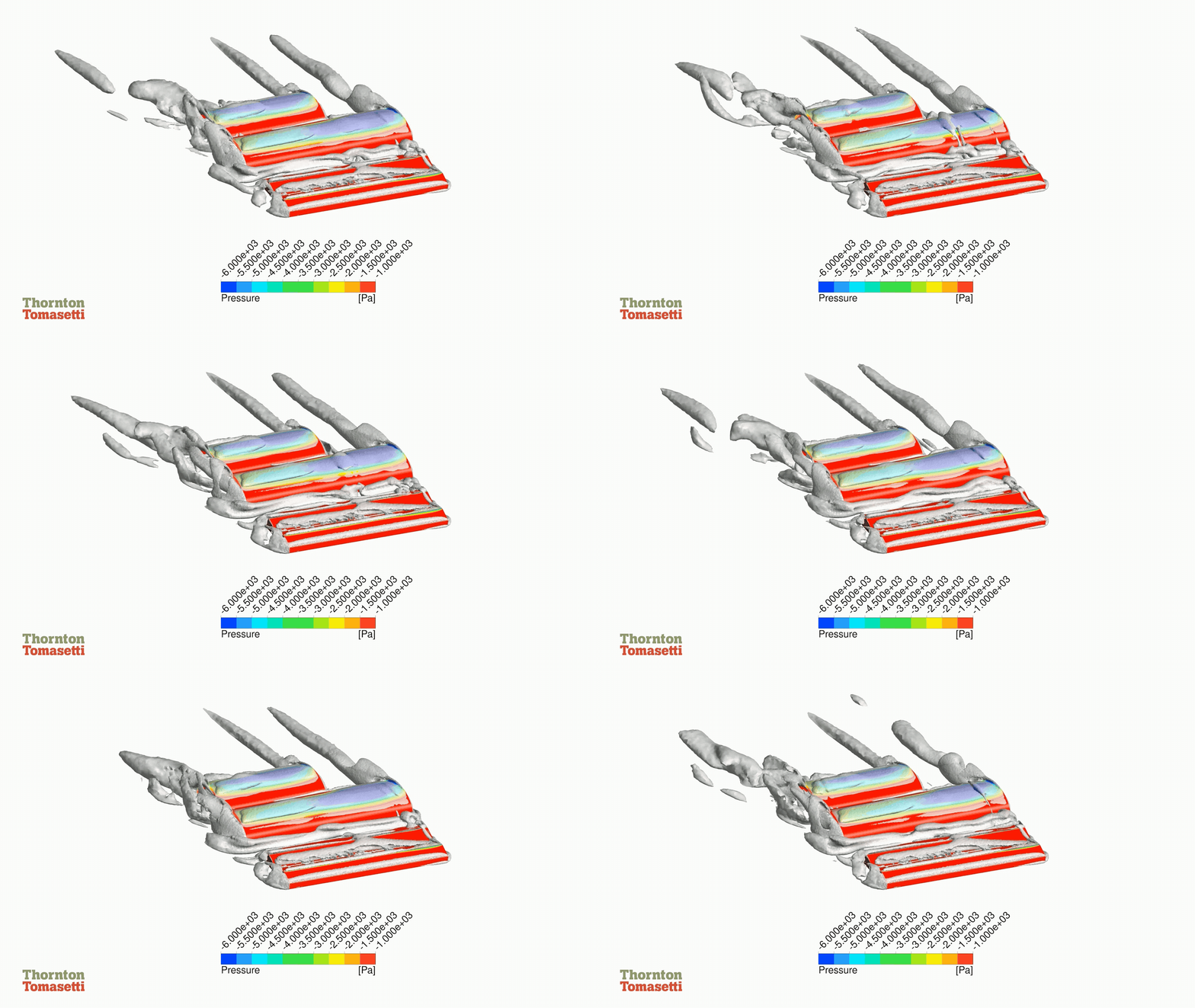
In one forensic investigation, Thornton Tomasetti used transient CFD modeling to study the partial roof collapse of a large industrial structure during a typhoon.
The team examined the specific conditions surrounding the failure, including wind direction and intensity, the surrounding topography, and the building’s open-ended configuration. The analysis indicated that the wind flowing over the roof acted like an aircraft's wing, creating lift, while the building configuration contributed to a buffeting effect.
The CFD model provided a way to visualize what couldn't be observed during the storm itself. It showed large, coherent vortical structures forming over the roof, including sustained activity over the area where the collapse occurred. The simulation revealed highly dynamic wind effects that may not have been captured through standard wind-loading calculations or scaled wind tunnel testing alone.
For forensic investigations, that visibility can help stakeholders better understand the forces that acted on a structure. CFD does not necessarily replace standard wind analysis or physical testing. Instead, it can help identify whether complex aerodynamic behavior warrants a closer look and provide another piece of evidence for understanding how a structure responded when the storm hit.
Have questions about CFD for a storm damage investigation? Contact our team

Alberto Cuevas is a structural and forensic engineer specializing in failure investigations, condition assessments, advanced structural analysis, and post-disaster response. His experience includes structures affected by extreme events, as well as complex deconstruction and demolition projects.

Nic Cerulus is an applied science engineer with a background in computational fluid dynamics and fluid mechanics. His work focuses on using advanced simulation and modeling to understand complex, transient flow behavior.

Keane Quigley is an applied science engineer with a background in mathematics and computational modeling. As part of the thermofluids team, he uses simulation and modeling to solve advanced engineering problems involving complex fluid behavior.