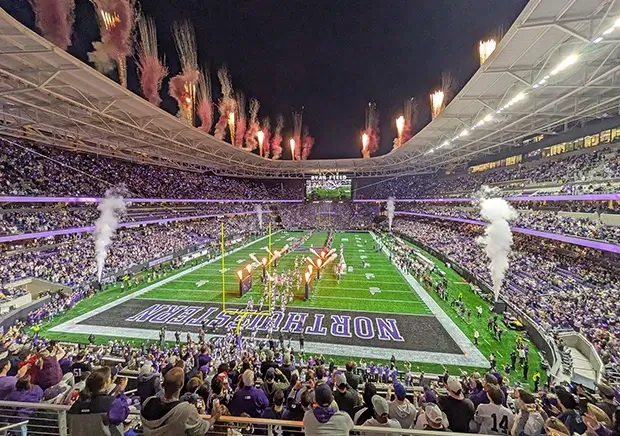

Steve Freihon/Related-Oxford
New York, New York
Global experience.
Regional perspective.
Local impact.
New York, New York
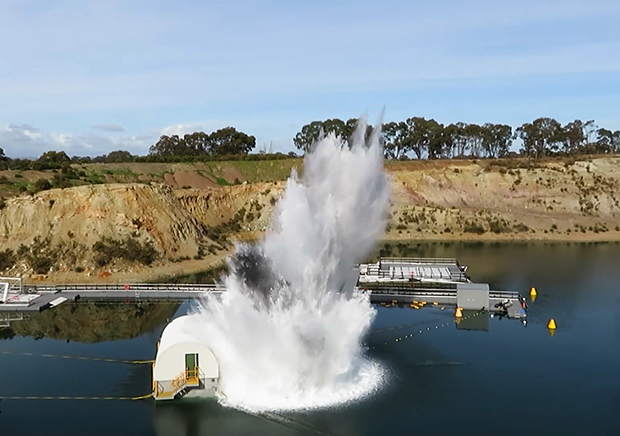
Australia

London, United Kingdom

Diriyah, Riyadh, Saudi Arabia

Mahesh Bailakanavar, Principal, Thornton Tomasetti
Brandon Perry, Project Engineer, Thornton Tomasetti
Shima Rajaei Dehkordi, Project Engineer, Thornton Tomasetti
Yuan Tian, Senior Project Director, Thornton Tomasetti
Jason Wu, Senior Associate, Thornton Tomasetti
Tonghao Zhang, Senior Engineer, Thornton Tomasetti
This article appeared at IABSE Symposium: Bridging Advanced Technologies - Structural Innovation, April 2026.
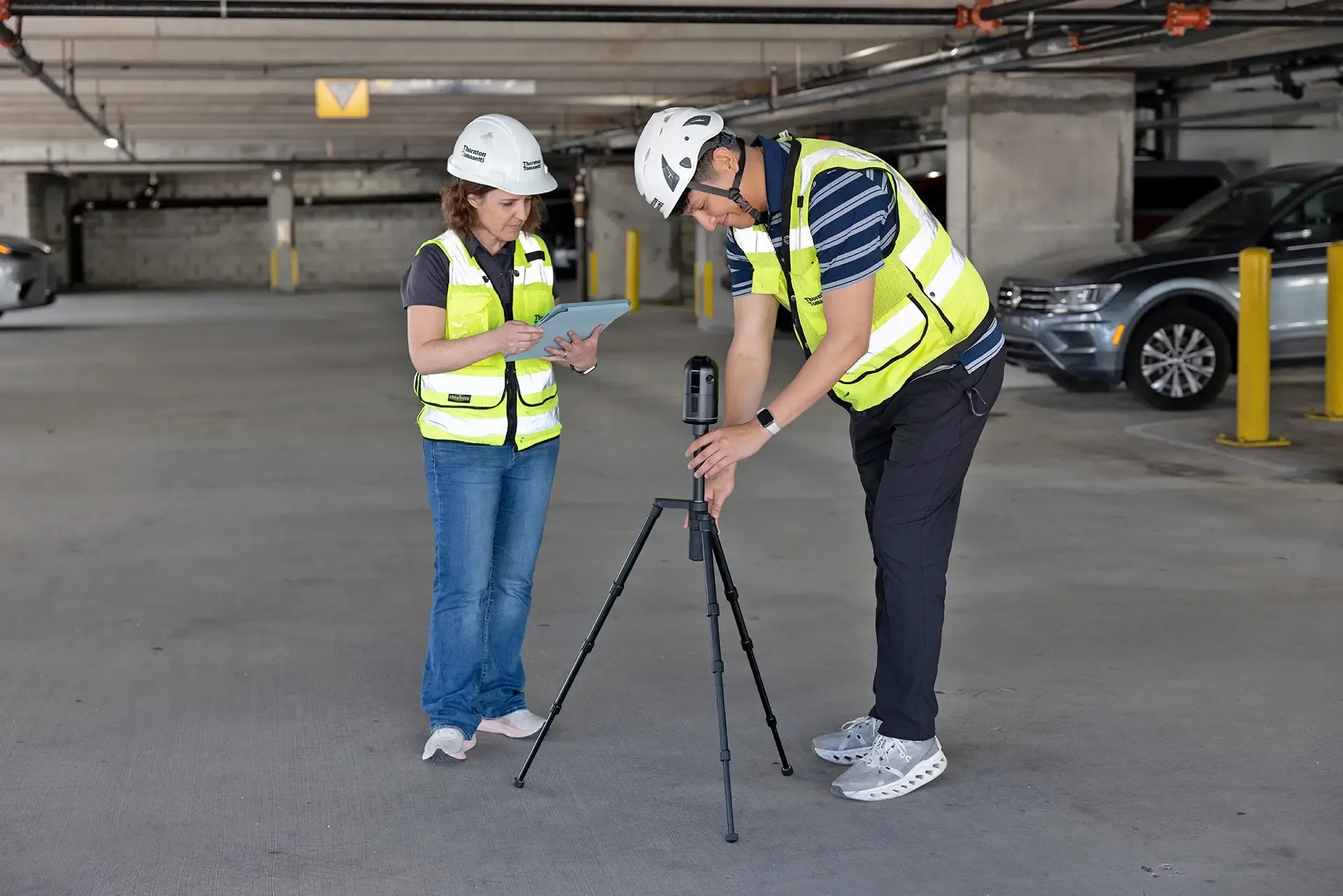
The value of scrap is a key economic factor in the overall cost of a demolition project. Demolition contractors adjust their proposed fee based on their anticipated salvage value. These estimates are typically based on heuristics and past data, and are often inaccurate due to limited or misused data. In this paper, a data-driven methodology is proposed to estimate scrap value from a LiDAR scan (light detection and ranging). The methodology uses six steps: scanning the structure and collecting 360-degree images; transforming the 360-degree images; identifying salvageable materials in the images with a trained U-Net machine learning (ML) model; transforming the ML labels back into 360-degree images; projecting these labels onto the point cloud to create a component-wise model; and measuring the volume of each material to estimate its value. This proposed methodology enables a more accurate estimate of the scrap value salvageable from demolition.