Steve Freihon/Related-Oxford
New York, New York
Global experience.
Regional perspective.
Local impact.
New York, New York
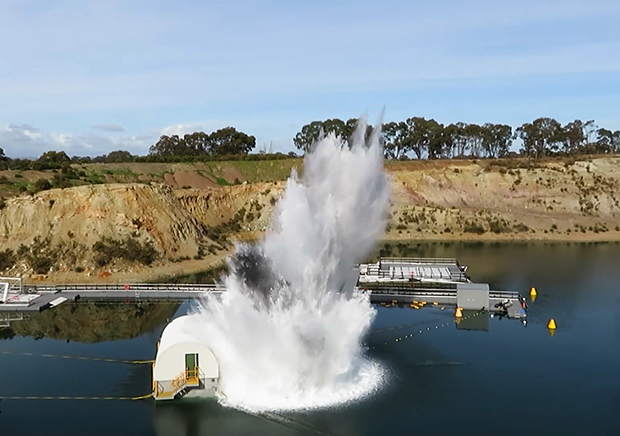
Australia
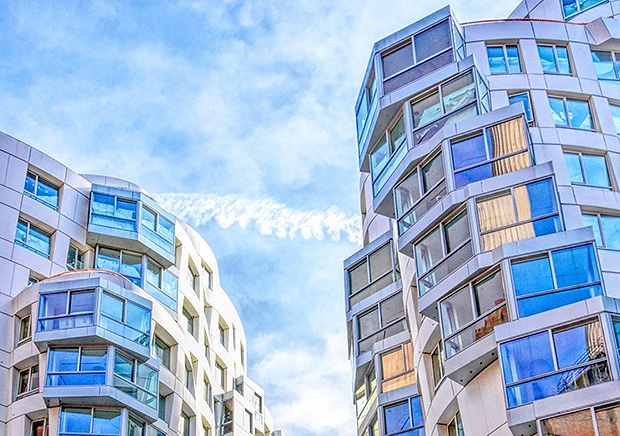
London, United Kingdom
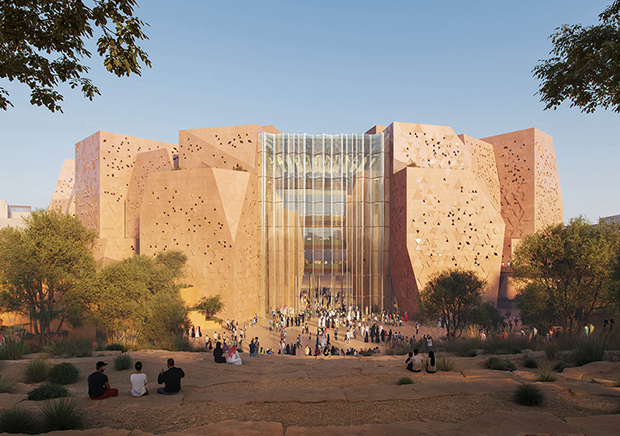
Diriyah, Riyadh, Saudi Arabia


Following storm damage at Rogers Stadium in Toronto, questions have emerged about how lightweight structures respond to extreme wind. In a recent NewsTalk 1010 interview, Thornton Tomasetti Associate Principal Ken Maschke explained why the stadium’s scaffold-type steel construction may behave differently from a conventional permanent venue.
Based on publicly available photos and videos, Ken noted that a lightweight structure may be more susceptible to movement when unoccupied and lacking the weight of a crowd. High winds can also create uplift pressures if a façade panel or other component is compromised, allowing wind to move beneath the structure. His observations illustrate the type of questions engineers consider when assessing structural damage.
A thorough building failure investigation after extreme wind or storm damage examines how loads moved through the structure and whether connections, cladding attachments, and tie-downs performed as intended. “It’s a good opportunity for those involved to take a second look at their assumptions,” Ken said.
Ken leads the growth of Thornton Tomasetti’s Renewal and Forensics practices in Canada. His experience includes building failure investigations, structural rehabilitation, recladding, and adaptive reuse.