Steve Freihon/Related-Oxford
New York, New York
Global experience.
Regional perspective.
Local impact.
New York, New York
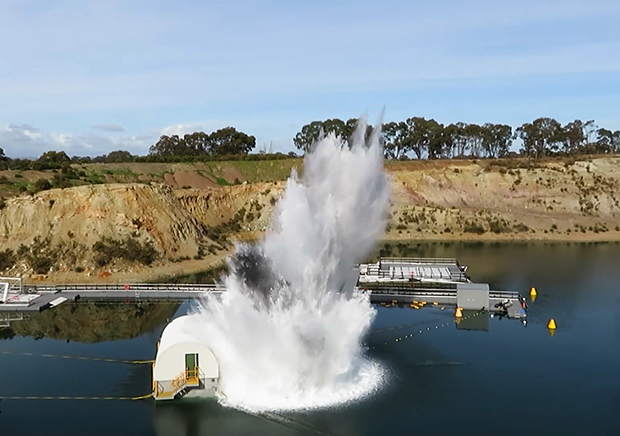
Australia
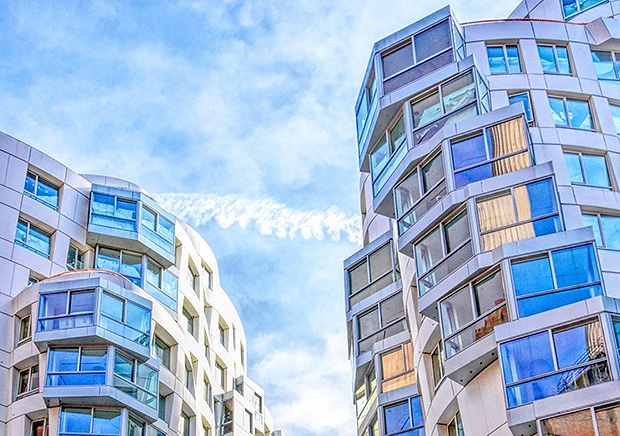
London, United Kingdom
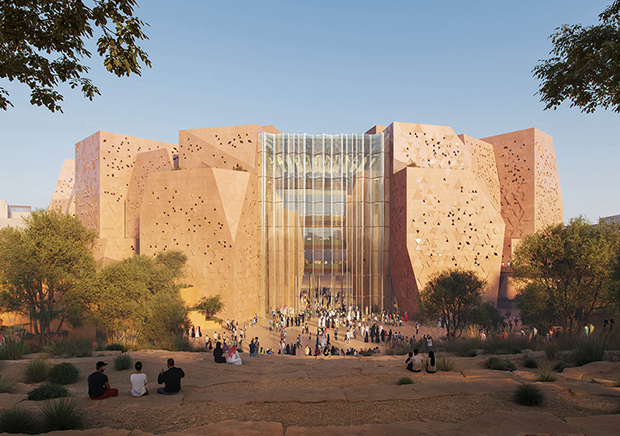
Diriyah, Riyadh, Saudi Arabia
The exhibition features a series of stainless-steel figures that appear on rooftops across downtown Dallas.

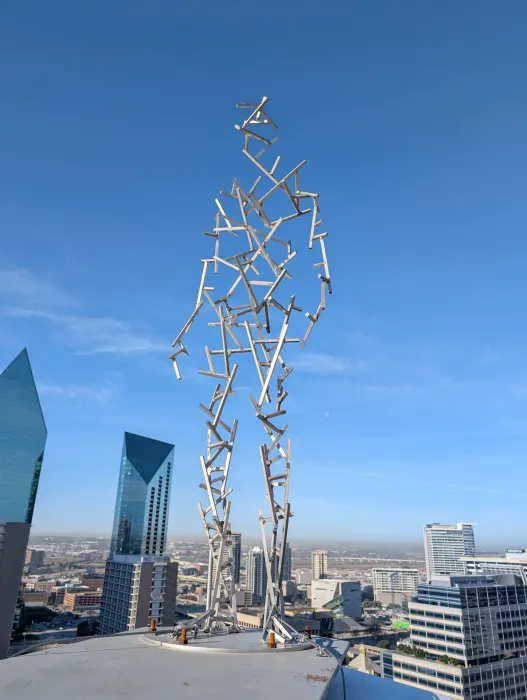
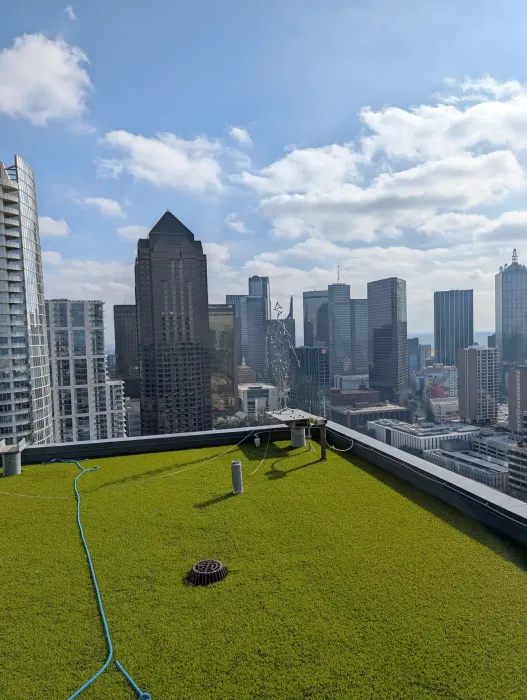
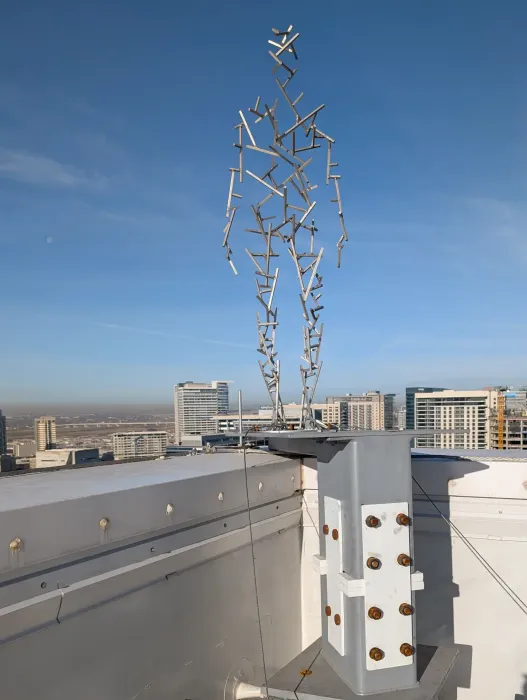
The rooftop installation places sculptures on buildings in and around the Arts District in downtown Dallas, Texas, creating a city-scale public artwork of figures perched lightly above the Nasher Sculpture Center garden and along multiple downtown sightlines with minimal visual impact on existing structures. Formed from stainless-steel trajectories that describe the human body as an “energy system of reflected light,” the sculptures are are part of the first major U.S. museum survey of British sculptor Antony Gormley’s work and continues his long-term investigation into the relationship between the body, architecture and urban space.
Thornton Tomasetti’s Dallas office served as structural engineer for the sculpture bases and building interfaces. Over roughly a year, we worked with Gormley Studio, the Nasher Sculpture Center and London-based engineer Price & Myers, who designed the steel superstructures, to integrate the artwork with a range of existing rooftops across downtown Dallas, coordinating structural analysis, attachment design and rooftop integration strategies.