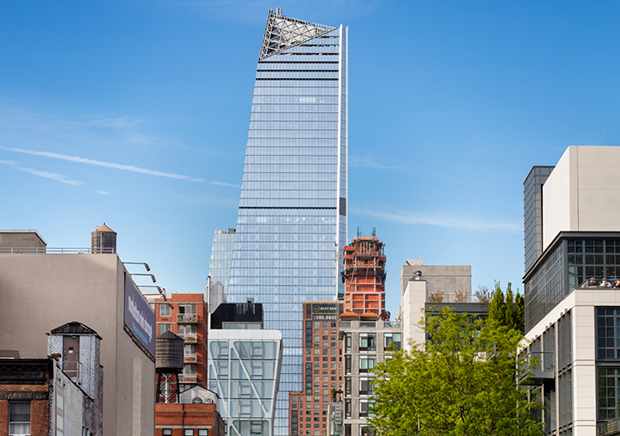
Steve Freihon/Related-Oxford
New York, New York
Global experience.
Regional perspective.
Local impact.
New York, New York
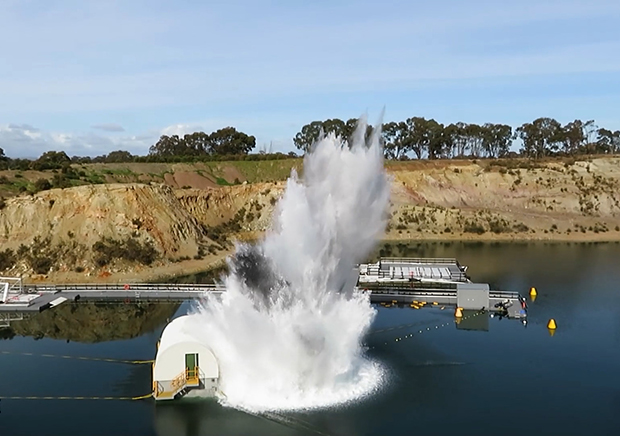
Australia

London, United Kingdom
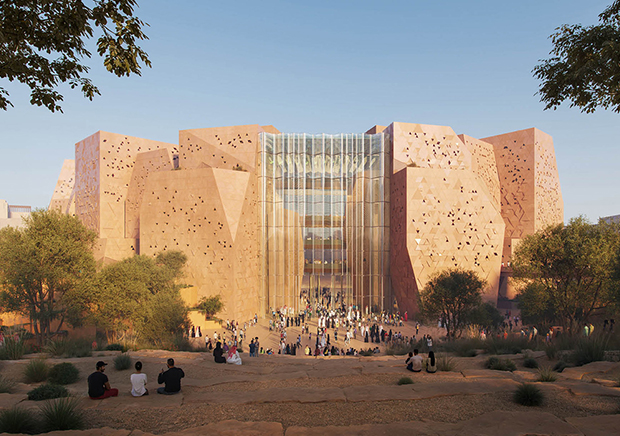
Diriyah, Riyadh, Saudi Arabia
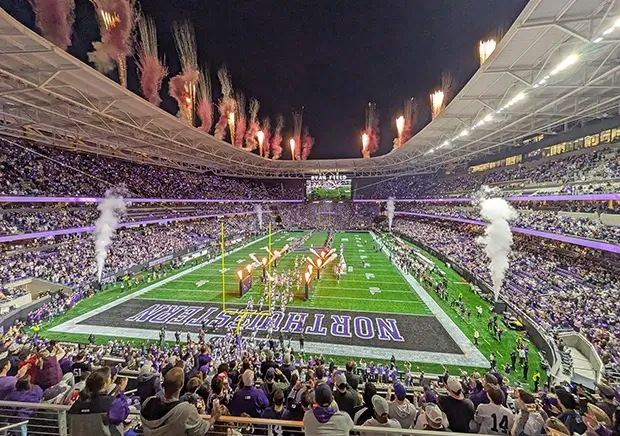
Northwestern University’s new Ryan Field combines a sunken lower bowl, dramatic steel canopy, and open-air gathering spaces to create a distinctive 35,000-seat stadium that brings fans closer to the action.

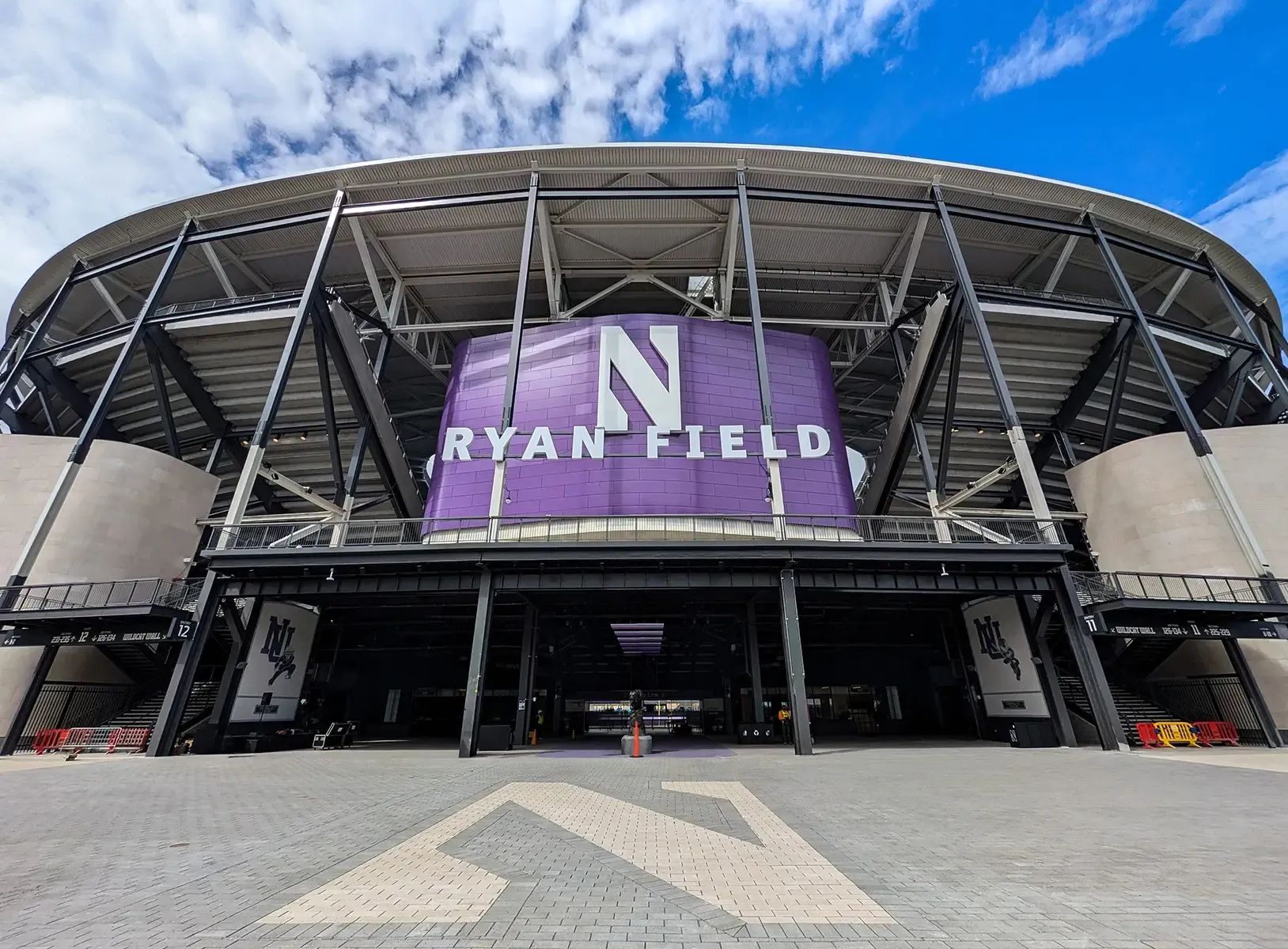
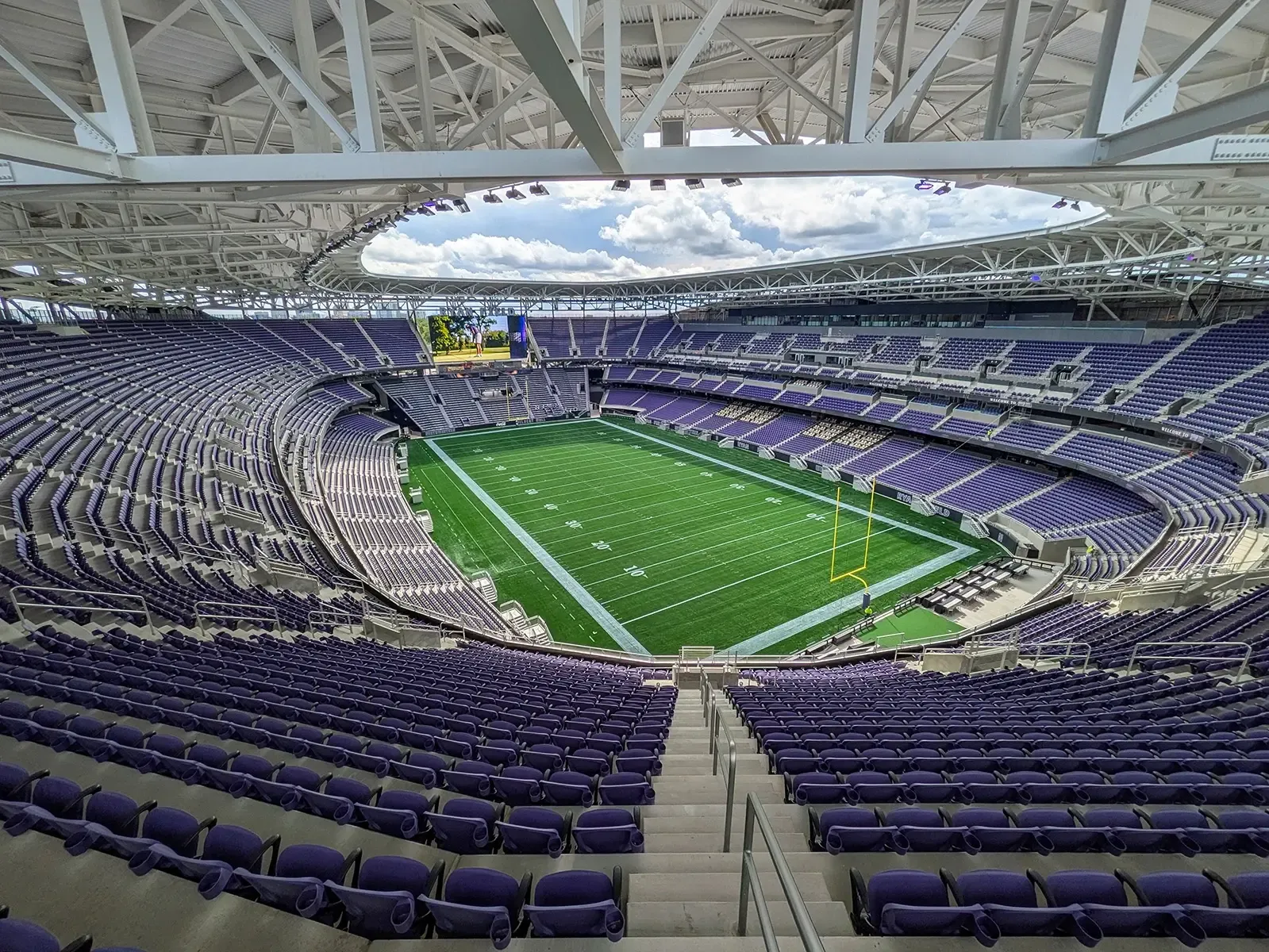
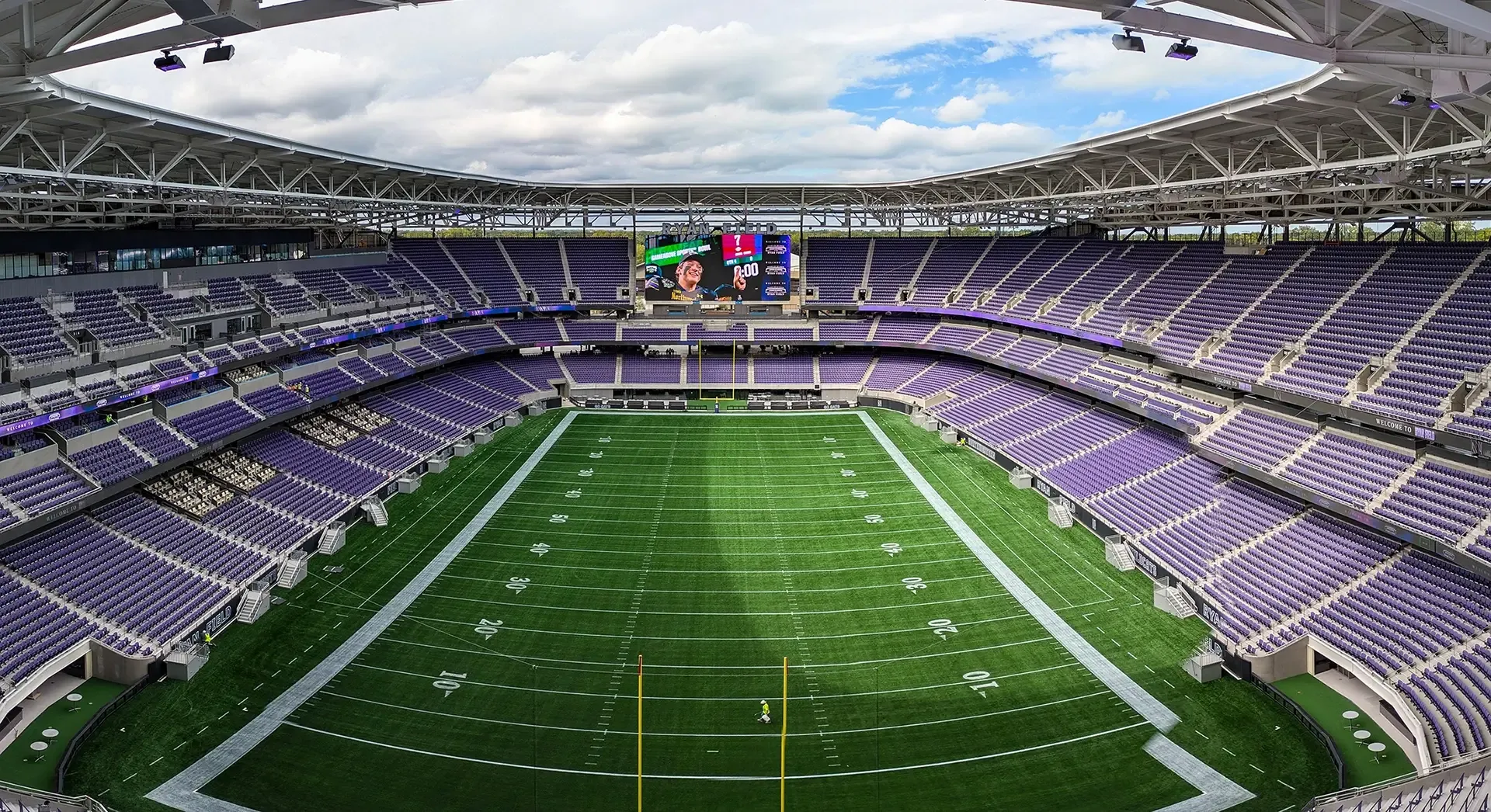
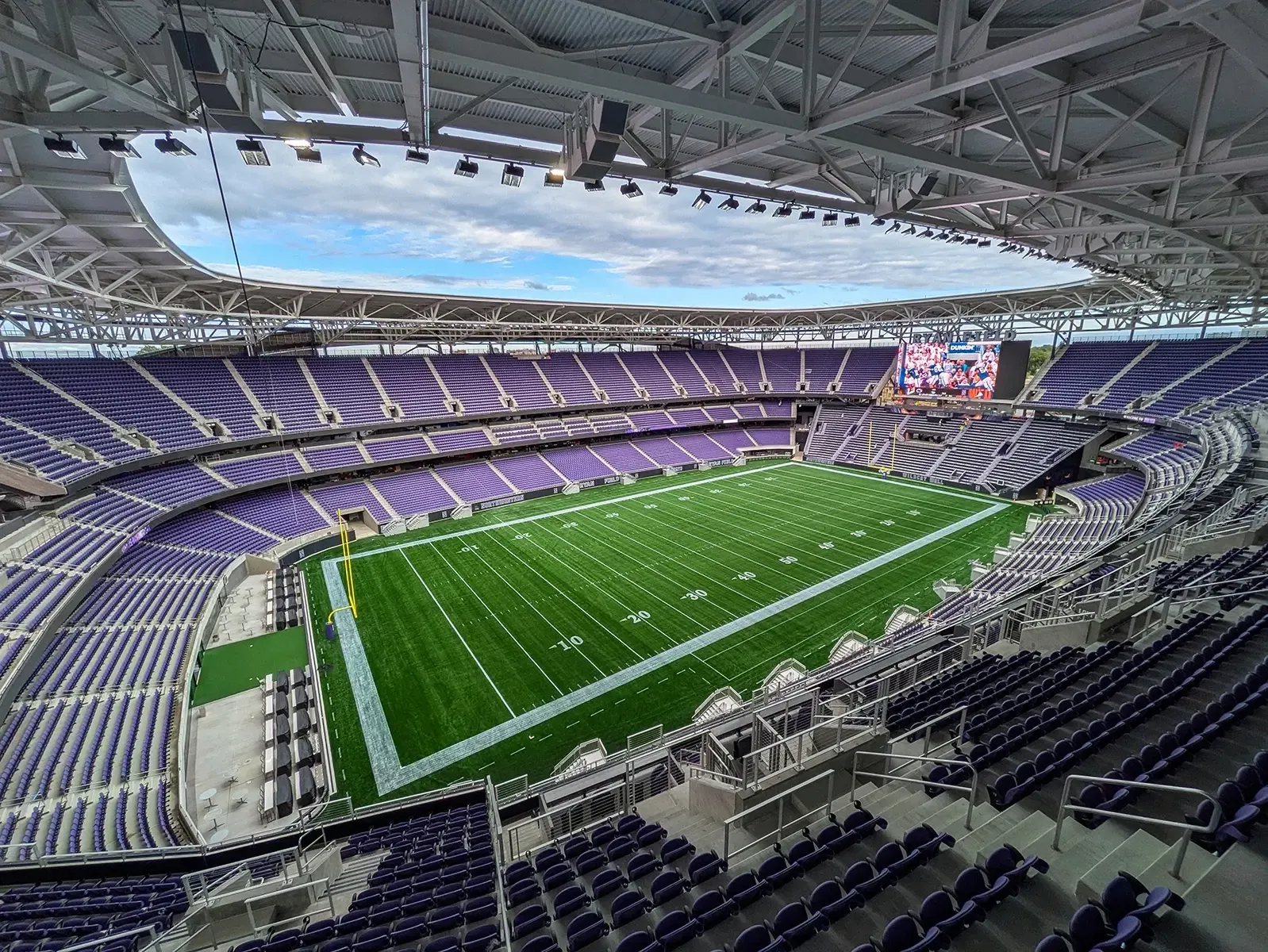
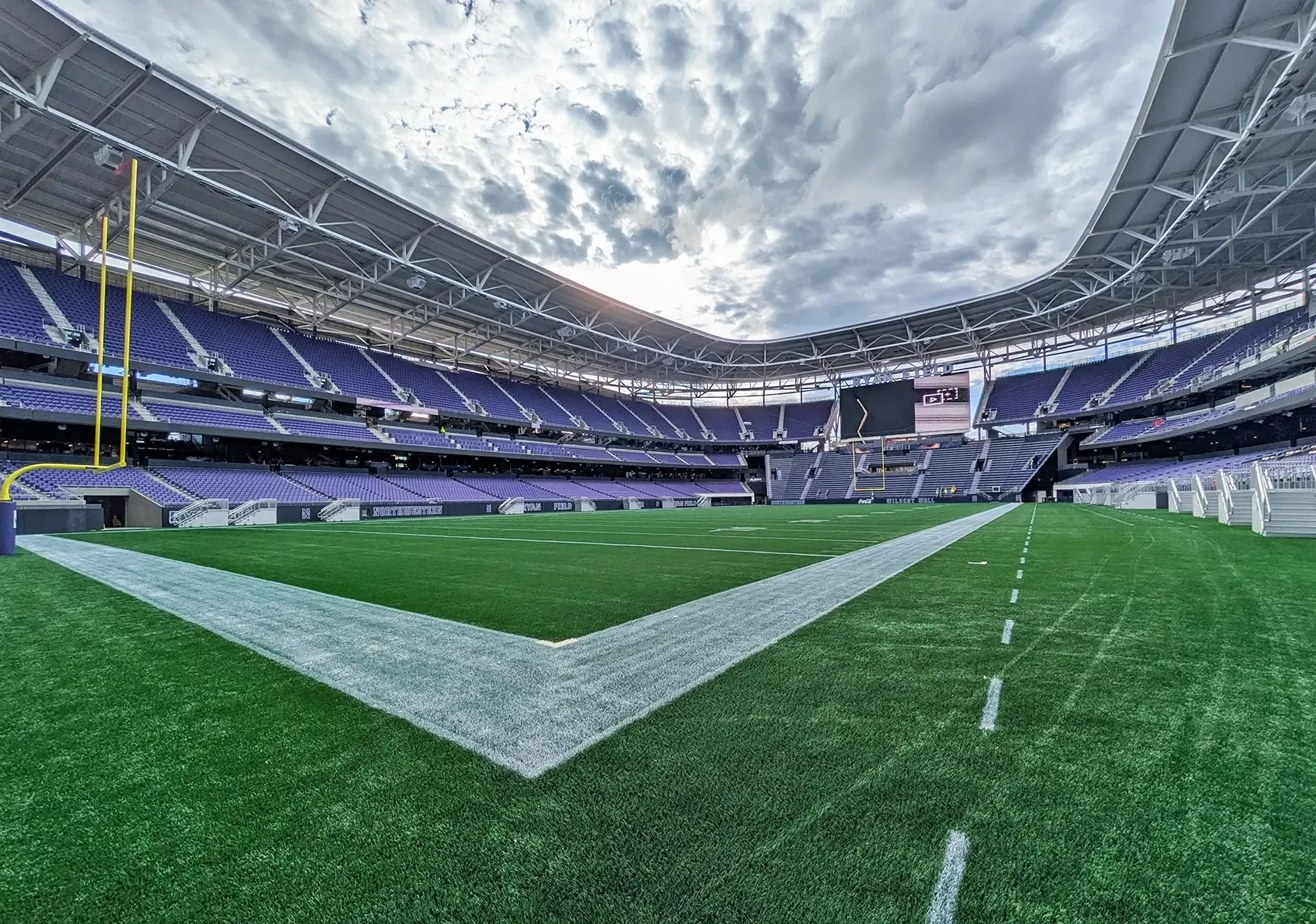
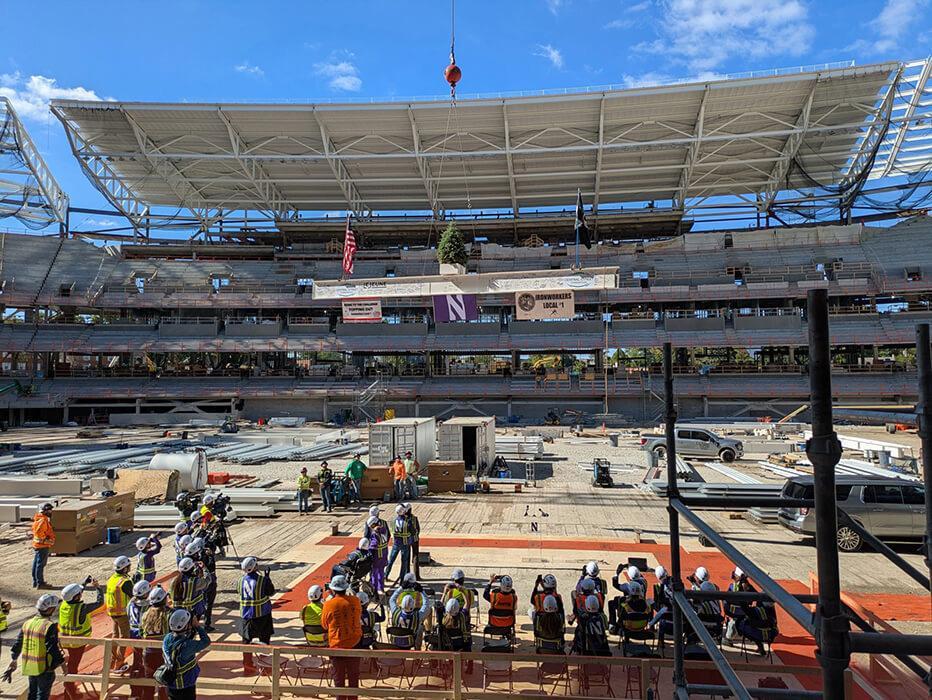
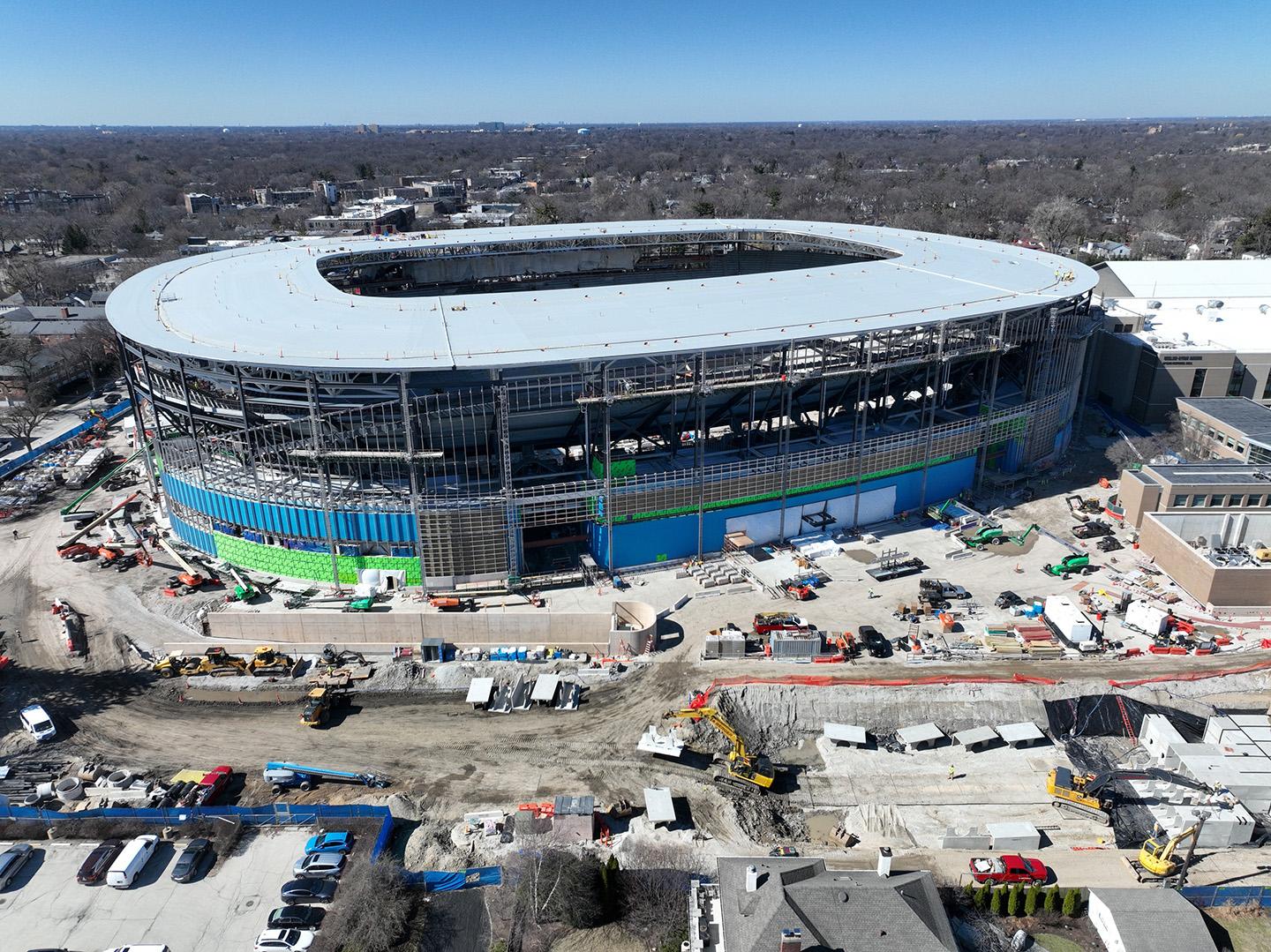


When Northwestern University set out to replace its longtime football stadium in Evanston, Illinois, the goal was more than simply building a new home for the Wildcats. The $850 million project created a venue designed to bring spectators closer to the game while also becoming a destination for the wider community.
The new Ryan Field occupies the same historic site as the former stadium but interacts very differently with its surroundings. Its lower profile, open corners, terraces, and landscaped areas help connect the venue to the neighborhood. Spaces for tailgating, festivals, and other events serve the community throughout the year.
Thornton Tomasetti provided structural design, erection and construction engineering, and temporary work inspection services for the project.
Ryan Field’s structure doesn’t disappear behind its architecture. In fact, its steel framing contributes substantially to the stadium's appearance, particularly around the upper seating areas and sweeping canopy. The canopy spans large areas and covers every seat in the stadium, helping form its distinctive silhouette. Its exposed steelwork, including carefully detailed bolted connections, gives the building an industrial character reminiscent of Chicago's iconic elevated rail system (the “L”).
The decision to create a new belowground level shaped much of the stadium above it. Lowering the playing field by 21 feet allowed the seating bowl to be steeper without making the building unnecessarily tall. This gives spectators more direct views of the field and creates a more intimate atmosphere. It also diminishes the stadium's visual impact on surrounding streets.
Lowering the field also introduced substantial structural demands. We designed a system that balanced a compact footprint with the support required for the steep seating geometry and the forces exerted by the surrounding soil on the sunken bowl.
The stadium's circulation provides more than twice the accessibility required under the Americans with Disabilities Act, with expanded entrances and ramps, additional accessible seating areas, and redesigned restrooms integrated into the overall layout rather than isolated in separate parts of the building. Accessible routes connect with the same major circulation spaces used by all spectators, creating a more unified experience throughout the venue.
And game days aren’t the whole story: Ryan Field’s terraces, plazas, and open spaces offer room for people to gather before and after games and can support a range of activities unrelated to football. By opening portions of the stadium to its surroundings, the design transforms the venue into a year-round community destination rather than allowing it to remain largely dormant between football seasons.
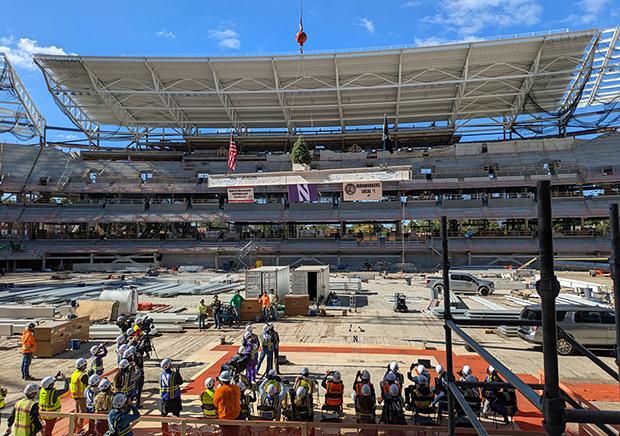
Thornton Tomasetti’s work went beyond designing the structural systems. Our team also performed construction engineering services, coordinating the assembly of the stadium’s major components on a tight construction site.
The work included full steel connection design; a detailed Phase I Tekla model to support steel procurement, fabrication, and schedule planning for the superstructure and canopy; and erection engineering. Early in the process, the team produced a mill order model with preliminary connection designs for four representative bents (steel frames). The model translated the structural design into quantities, erection information, and graphical details that steel contractors could use to develop bids and plan fabrication and erection. This helped improve bid accuracy, control costs, and reduce risk for all parties involved.
Later, the team provided an updated Phase I Tekla model to help meet the project schedule once the drawings had progressed and the steel contractor was selected.
We provided engineering and contractor support for temporary works and construction means and methods, including field inspections and evaluations of temporary conditions, construction loading, sequencing, access, and support requirements. Our team also performed engineering analyses and calculations, and provided sketches, field evaluations, and practical recommendations as construction progressed and conditions evolved.
Working with Complex Structures Group and LeJeune Steel, we planned the canopy’s erection sequence and developed procedures to ensure it could be safely and accurately assembled and positioned. We also evaluated the forces the canopy trusses would experience as they were lifted and rotated into position and designed the attachments used to connect the lifting equipment to the trusses.
The completed Ryan Field brings together structural engineering, architecture, and community-focused planning in a venue designed to be more stylish and more intimate than a conventional college stadium. Its exposed steel structure projects a powerful aesthetic, while its lowered field, enhanced accessibility, and open spaces connect its indoors to the community outside it.




News
Northwestern University Opens Ryan Field
News
Ryan Field Redefines Stadium Design in Chicagoland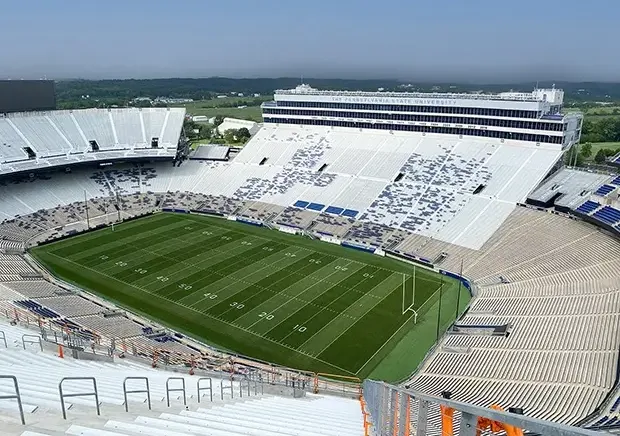
News
How College Football Stadiums Are Evolving in 2026
News
Grossett & Toellner on Ryan Field in Informed InfrastructureNews
Ryan Field Tops OutNews
Northwestern University’s New Ryan Field Now Underway