Steve Freihon/Related-Oxford
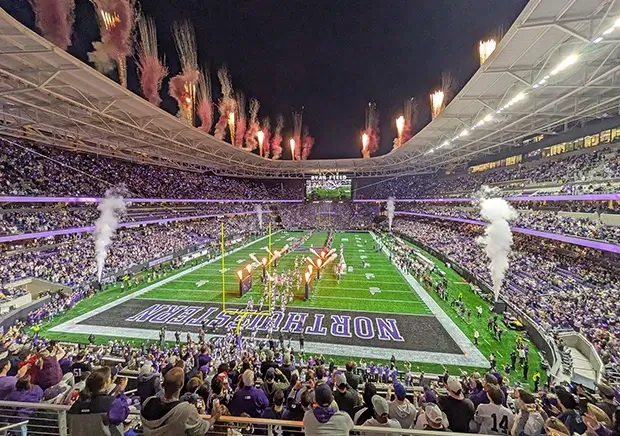
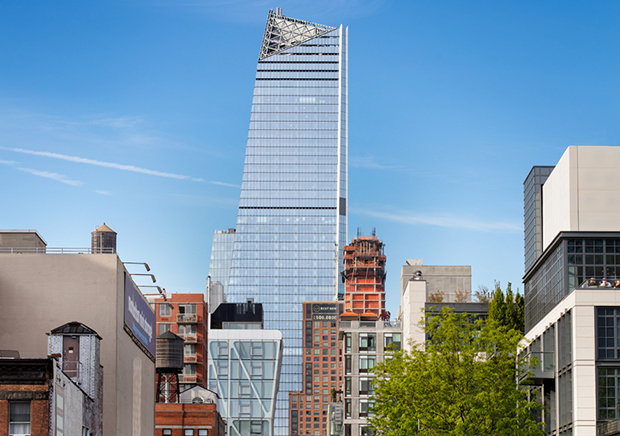
New York, New York
Global experience.
Regional perspective.
Local impact.
New York, New York
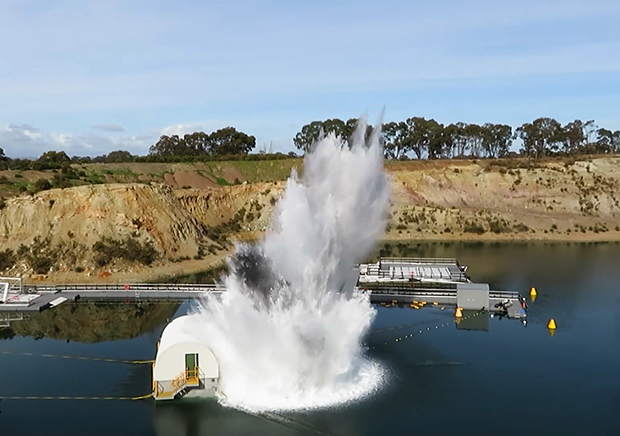
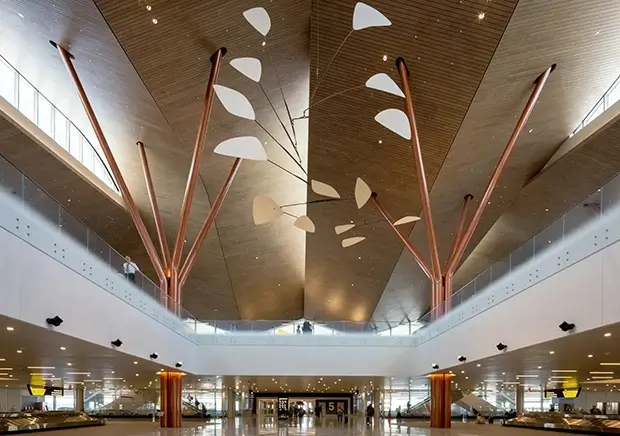
Australia

London, United Kingdom
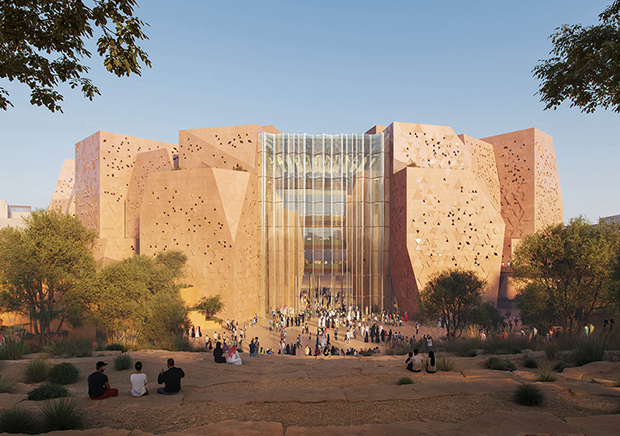
Diriyah, Riyadh, Saudi Arabia
We aspire to be one of the most sustainable firms, both in the way we design our projects and in how we operate as a responsible business.


Companies like ours must look beyond meeting financial objectives — we have the power to make a difference, and with that, have a social responsibility to improve the world. This is more than simply saying if we understand our customers and improve the community, we will be more successful. Our actions are based on our vision, which is to make a significant positive contribution to the world.
Climate change is one of the most significant challenges our world faces. But the magnitude of the problem, along with the complexity of potential solutions, has given Thornton Tomasetti an unprecedented opportunity to have a positive impact on the world. We've structured our approach to climate action across three main goals:
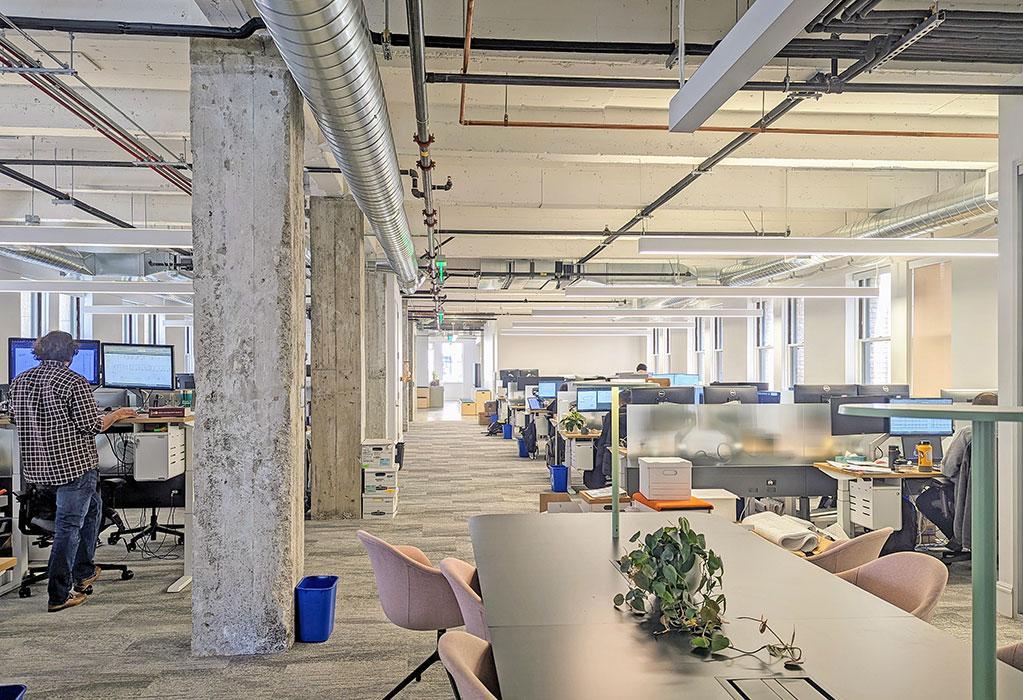
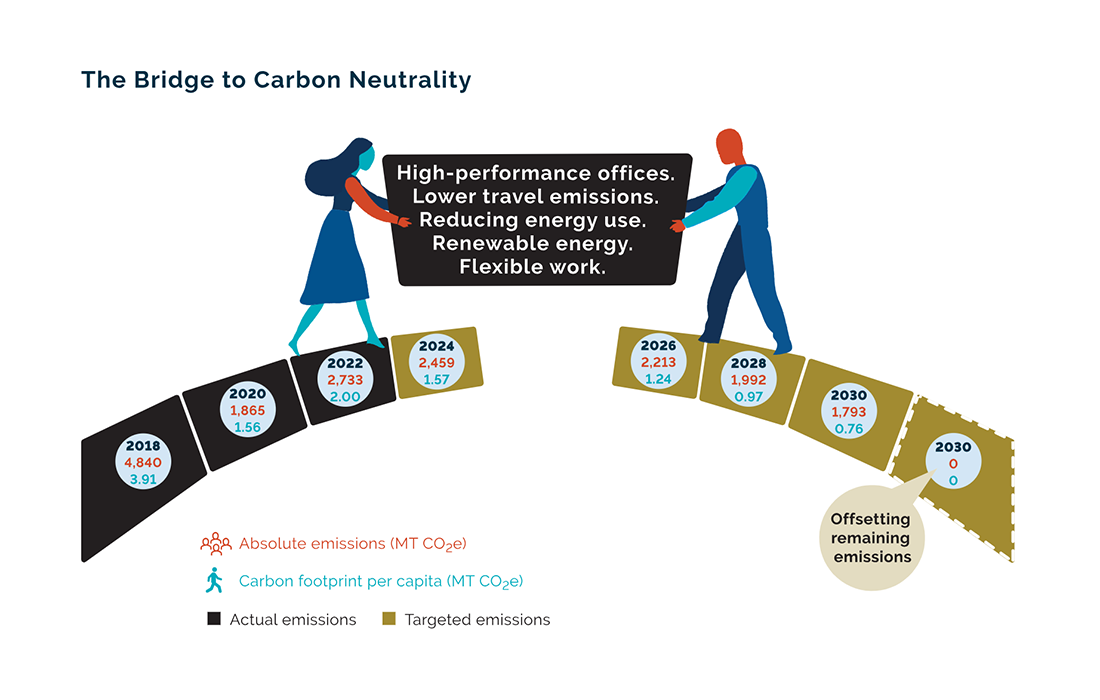
Our commitment to cutting carbon starts at home. In 2012, we established our goal of achieving carbon-neutral business operations by 2030. Since then, we’ve been reaching our annual targets by reducing energy use wherever possible and offsetting emissions for business-critical activities. We track and measure our progress toward sustainable business operations to keep each office accountable in our united goal. We do this by:
Our commitment to sustainability and carbon reduction is embedded in our corporate DNA. Beyond our own company, we are committed to promoting sustainability practices and policies across the industry. We were the first primarily structural engineering firm to join the American Institute of Architects (AIA) 2030 Commitment and are an early adopter of the Architecture 2030 Challenge, which put forth the goal of making all new buildings and major renovations zero-carbon by 2030.
One of the main ways we have contributed to the AEC industry is through our embodied carbon (EC) practices. Our EC story is one example of how we’ve provided leadership and advocated for changes in the industry.
Since establishing our Embodied Carbon Lab in 2012, we’ve been conducting R&D to improve our understanding of EC and to address the scarcity of data and benchmarks in the building sector. We also performed research with MIT and the Carbon Leadership Forum (CLF) to produce the Embodied Carbon Benchmark Study and the Life Cycle Assessment Practice Guide.
Following years of carbon-related R&D, we worked with CLF and others to conceive and develop the Structural Engineers 2050 Challenge, which calls on structural engineers to “understand, reduce and ultimately eliminate EC in their projects by 2050.” And as an inaugural member and advisor to the Structural Engineers 2050 Commitment, we contribute significantly to SE 2050’s EC database.
Since the outset of our EC investigations, our aims have been not only to develop our internal expertise but also to support others in mitigating climate change. One outcome of our research was the development of Beacon, a free and open-source EC measurement tool, to assist others in the industry with EC reduction.
Beyond embodied carbon, our practices have set global sustainability standards in building and structural design. We are committed to furthering collaboration with non-profits and other organizations to continue the movement to a cleaner world.
We’ve signed on to many leading climate-change declarations, including:
The AEC industry looks to us for leadership in sustainability – and for creative solutions. So we provide guidance to our employees, clients and partners on climate-related topics, decarbonization and resilience innovations. Here’s how: