Steve Freihon/Related-Oxford
New York, New York
Global experience.
Regional perspective.
Local impact.
New York, New York
Australia

London, United Kingdom
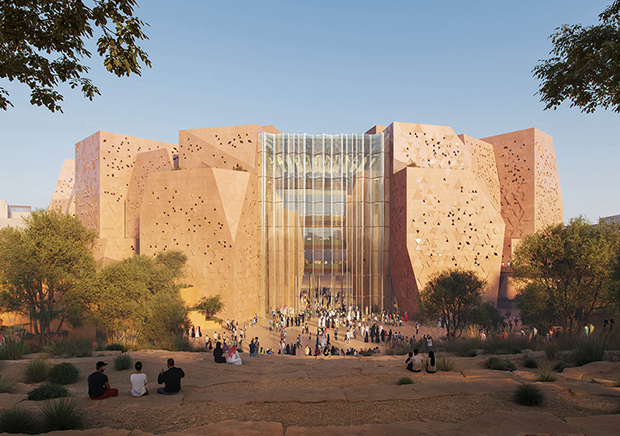
Diriyah, Riyadh, Saudi Arabia

 Nadine Ashkar Photography
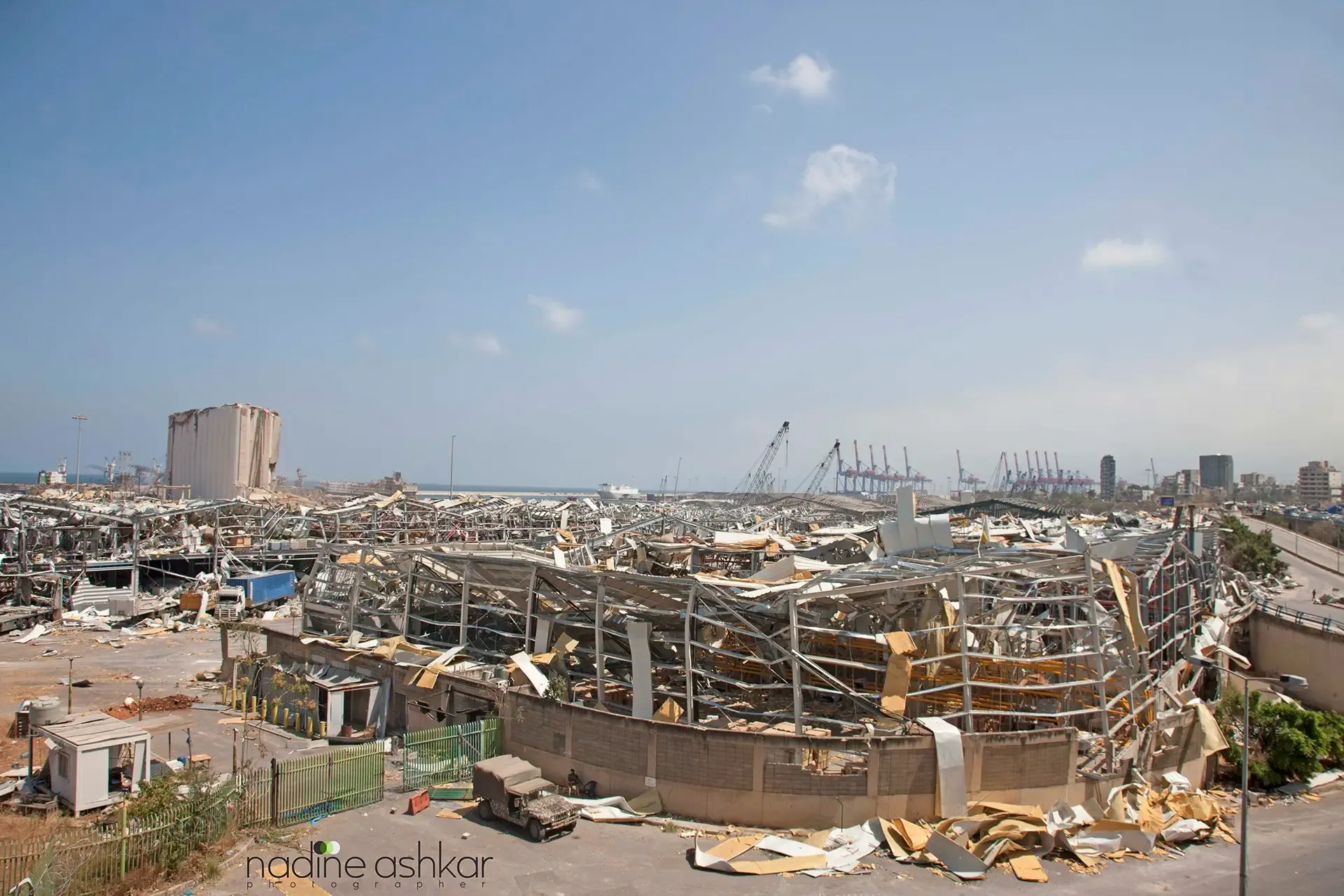
Kevin Mueller, Associate Principal, Thornton Tomasetti
This article appeared in Journal of Structural Engineering (ASCE), May 2026.
This paper presents the application of the Kingery-Bulmash equations and computational fluid dynamics (CFD) approaches to model the August 2020 Beirut Port explosion and consequently to predict the structural and nonstructural damage to representative buildings throughout the city. This paper addresses first a field survey of around 150 buildings in Beirut and discusses observed patterns of structural and nonstructural damage.
Further investigation into the extensively observed nonstructural damage is conducted through an assessment of one particular building located near the site of the explosion in which comparisons are drawn between blast modeling estimations and physical observations. The expected and actual damage at select buildings are also compared within the framework established by explosive safety standards for munition storage areas of similar trinitrotoluene (TNT) equivalency such as the United States Department of Defense Explosive Safety Board and the United Kingdom Ministry of Defence.
This paper lays the groundwork for further investigation into the observed patterns of blast-related structural and façade damage to allow for more accurate modeling of blast events in urban environments and to provide further insight into the correlation between façade damage and blast-related injuries.