
Steve Freihon/Related-Oxford
New York, New York
Global experience.
Regional perspective.
Local impact.
New York, New York
Australia

London, United Kingdom

Diriyah, Riyadh, Saudi Arabia


Nezar Abraham, Principal, Thornton Tomasetti
Jeong Hong, Vice President, Thornton Tomasetti
This article was featured in ASCE Forensic Engineering 2024.
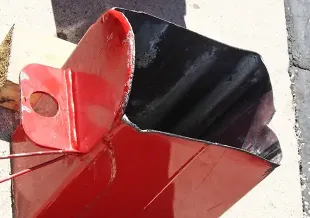
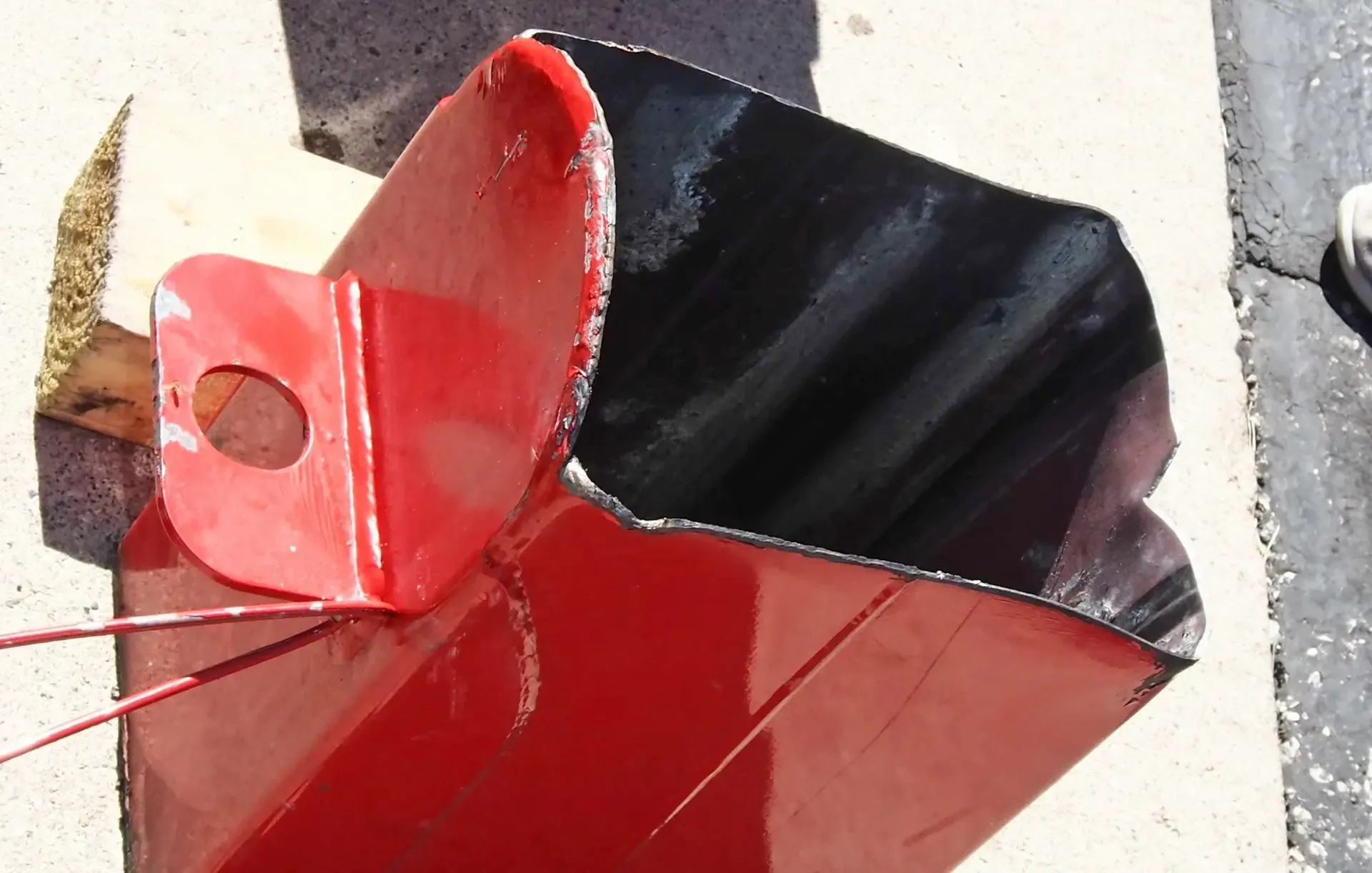
Mobile Elevating Work Platforms (MEWP) play a pivotal role in lifting workers and lightweight tools for tasks such as repairs, removal, and inspections. We present a case study examining the capacity of a high-strength steel boom structure by performing a global static analysis to determine the stresses acting on the boom as well as finite-element models to determine the stress state in the region of interest and the fatigue life. Three different scenarios for boundary conditions are simulated to understand the extent of the support system and the failure mechanism. Based on the comprehensive analysis of forensic evidence, metallurgical evaluation, and structural model findings, our investigation reveals that the design did not provide adequate fatigue life. The lessons learned from this study emphasize the importance of understanding machine static and dynamic actions with respect to stresses on a weld. Additionally, alternative weld improvement techniques used to increase fatigue strength are discussed.