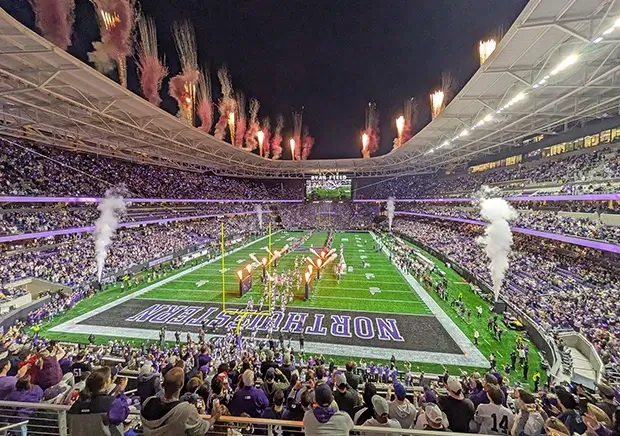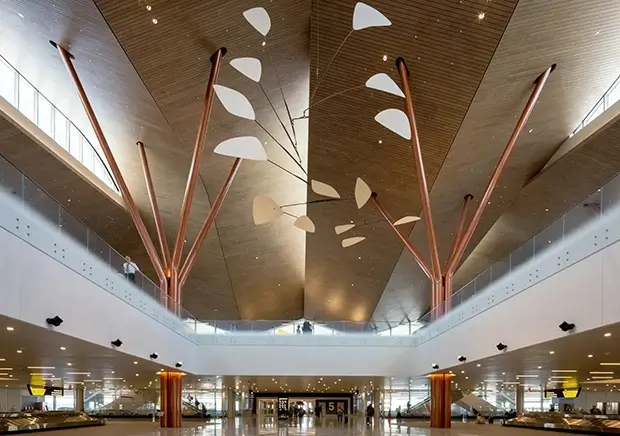

Steve Freihon/Related-Oxford
New York, New York
Global experience.
Regional perspective.
Local impact.
New York, New York
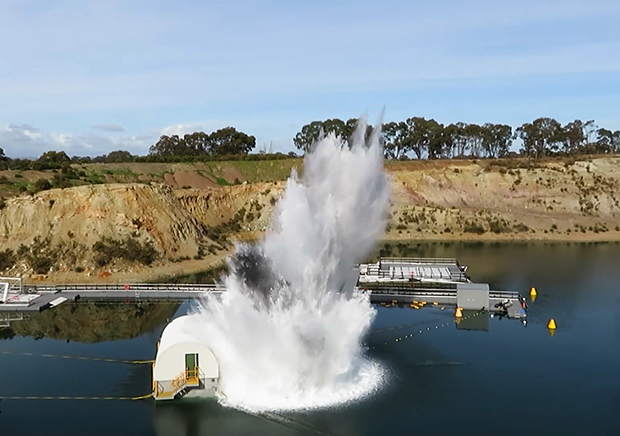
Australia

London, United Kingdom

Diriyah, Riyadh, Saudi Arabia


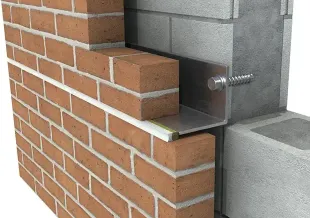
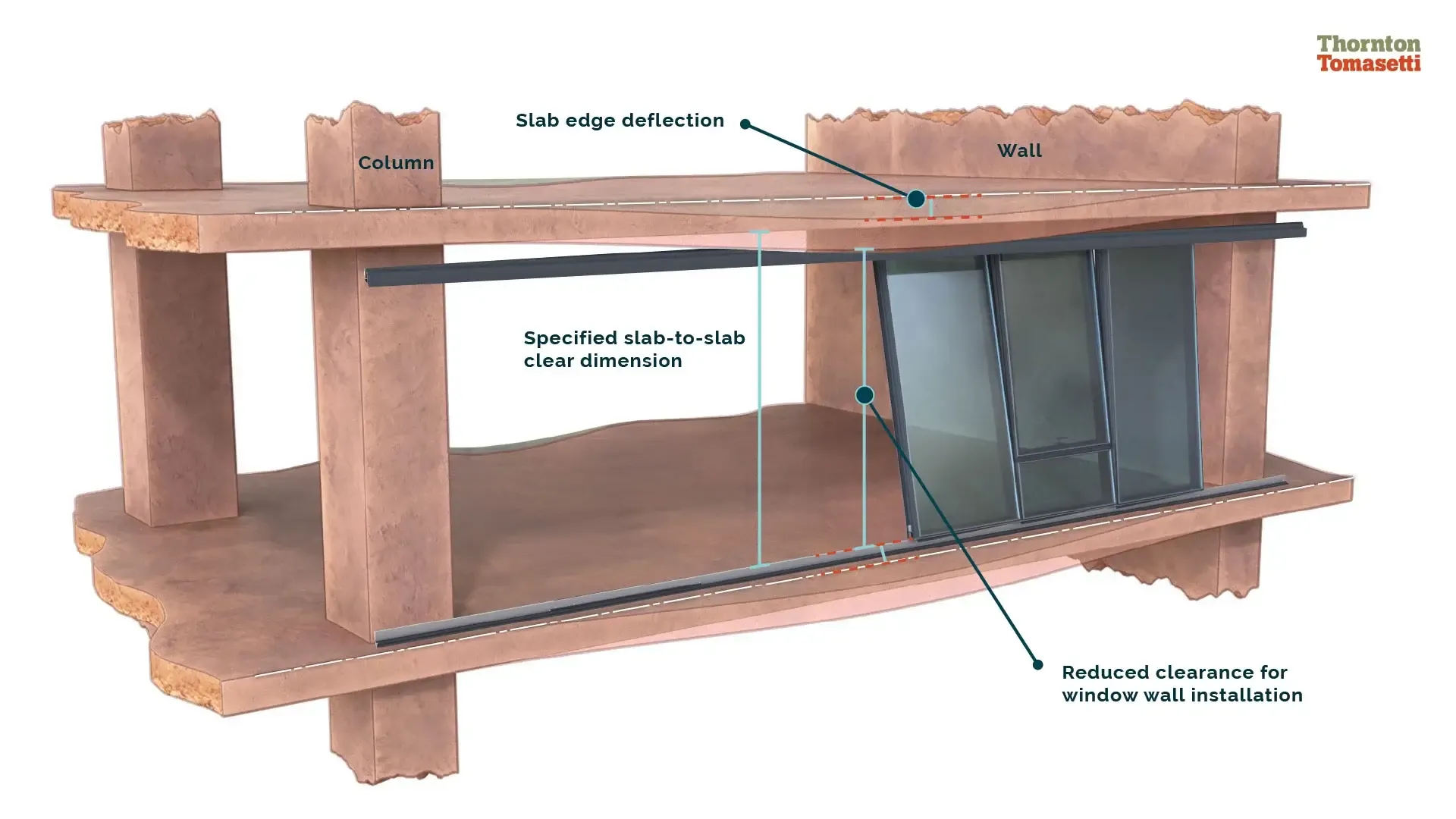
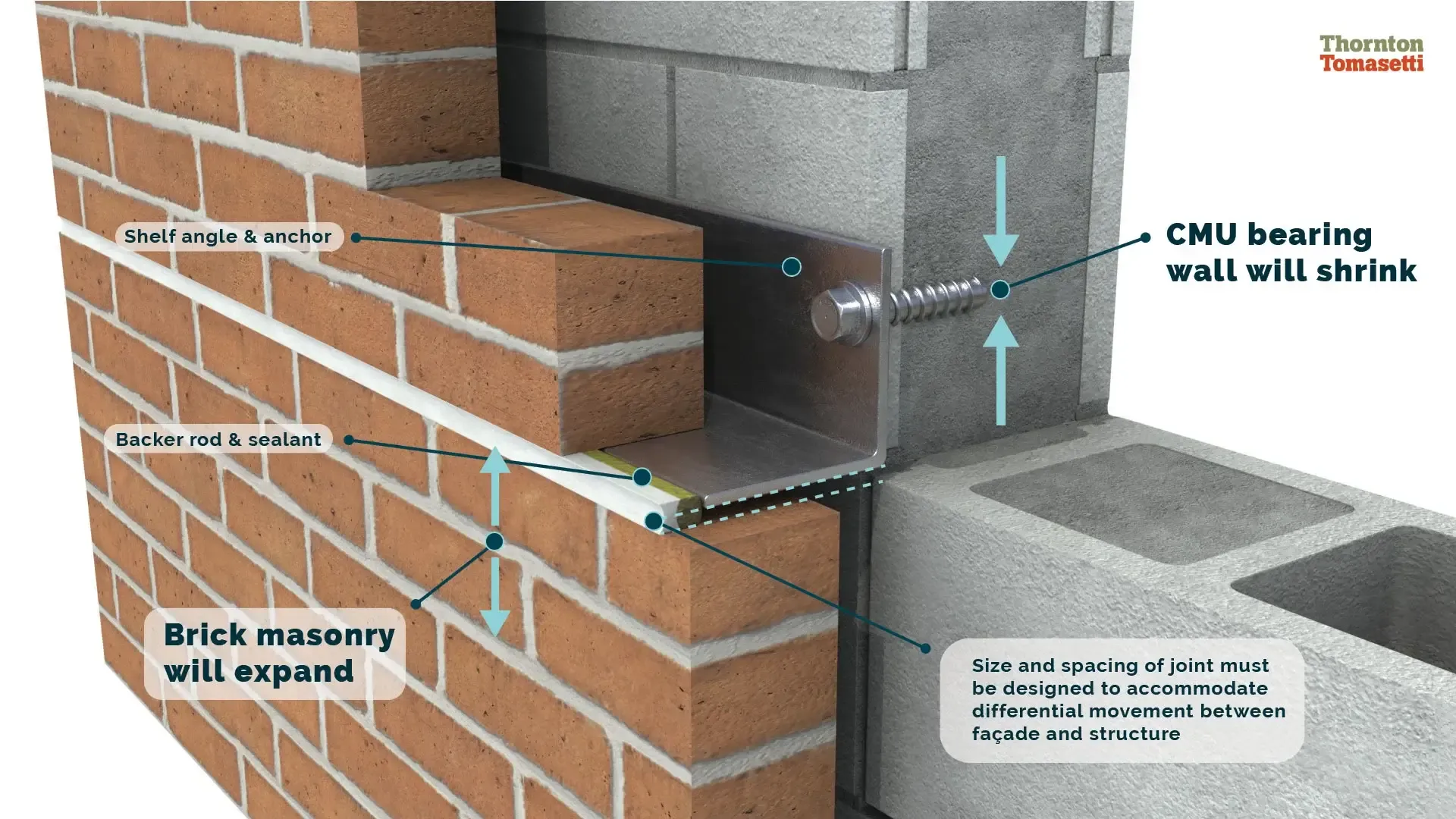
A well-designed façade depends on more than the building envelope. Its interaction with the building structure, and the way project teams communicate those interactions throughout design and construction, can significantly affect performance. Thornton Tomasetti principals Joseph Schuster, P.E., S.E., and Matthew Kuba, P.E., examine how structural engineers can improve this coordination throughout design and construction in “Structure and Facade Coordination”, published July 31, 2026, in STRUCTURE magazine.
Schuster and Kuba outline practical considerations for communicating structural movements and tolerances that affect façade design and installation, including slab-edge deflections, interstory drift, building lean, creep, and thermal and moisture-related movement. They also address façade submittal reviews, scope clarification, and coordination among façade anchors, reinforcement, and other structural components.
Organized around design, construction documents, construction administration, and construction, the article offers actionable recommendations for delivering better-performing building façades. The recommendations draw on Thornton Tomasetti’s experience in façade engineering and façade forensics, where understanding the interaction among structure, enclosure, and construction is essential to solving complex building envelope challenges.