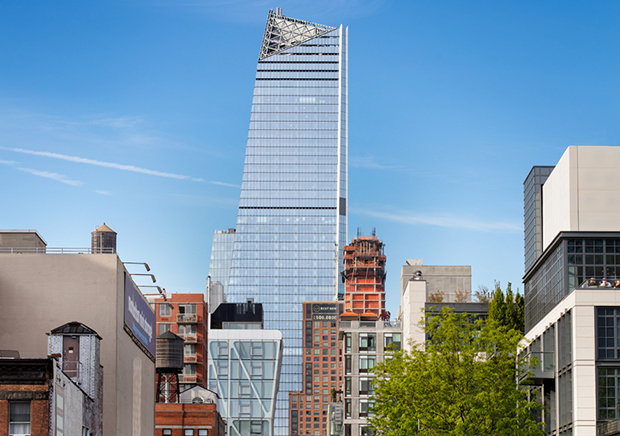
Steve Freihon/Related-Oxford
New York, New York
Global experience.
Regional perspective.
Local impact.
New York, New York
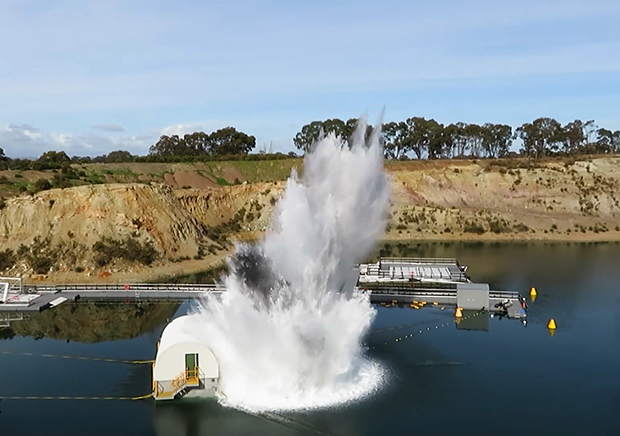
Australia

London, United Kingdom
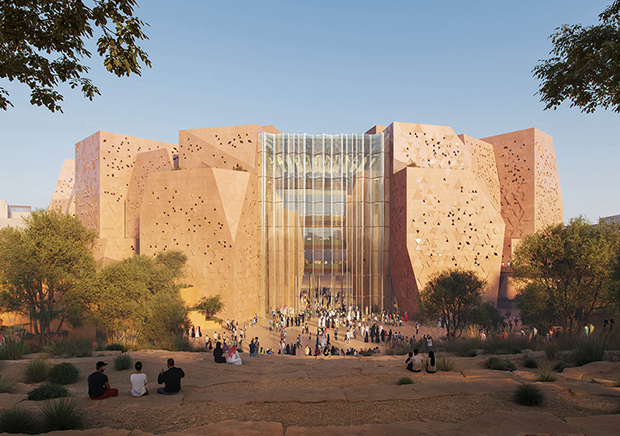
Diriyah, Riyadh, Saudi Arabia

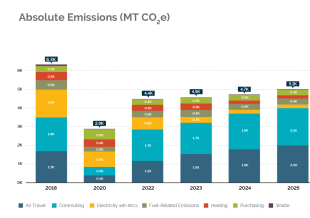
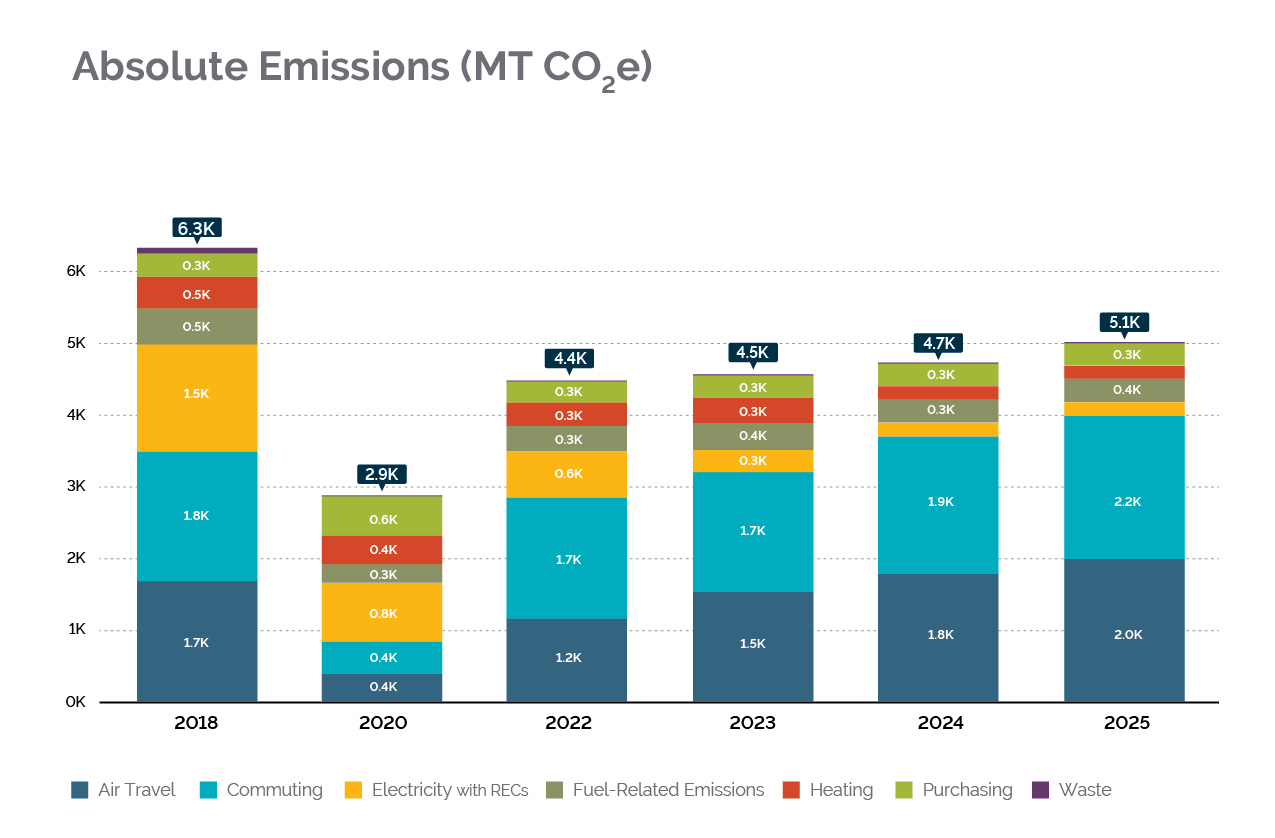
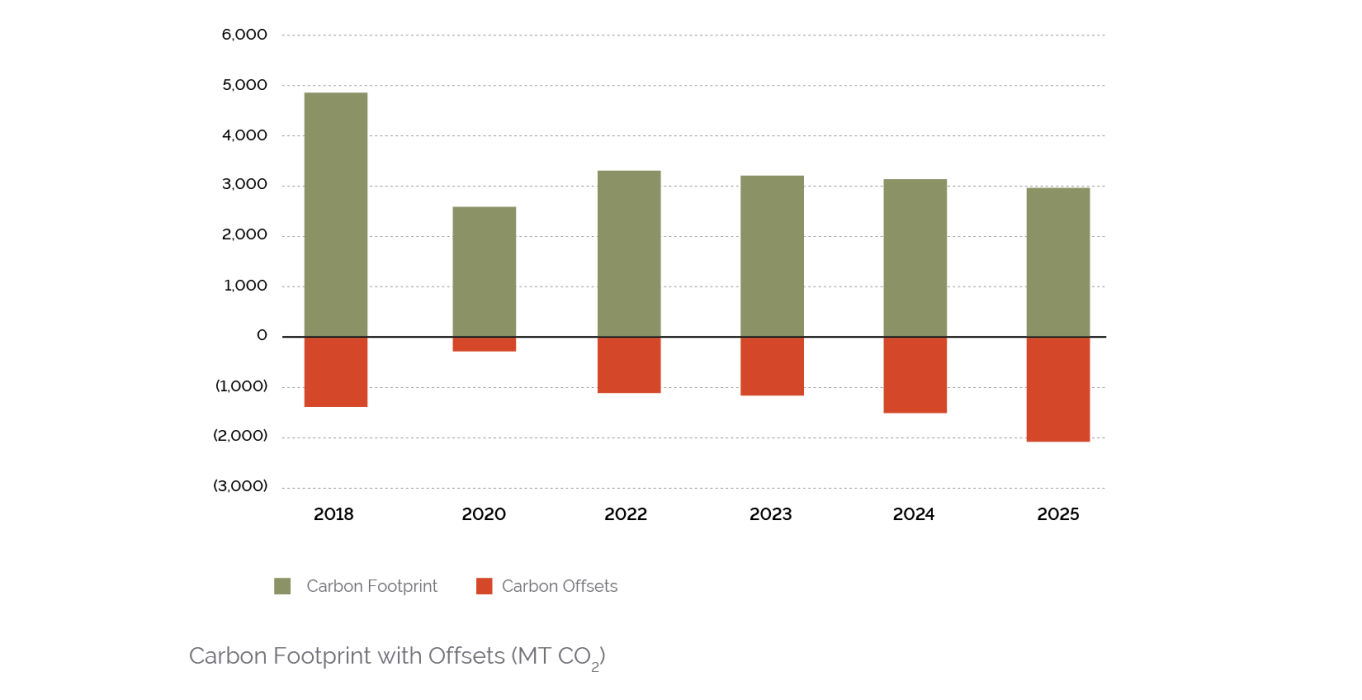
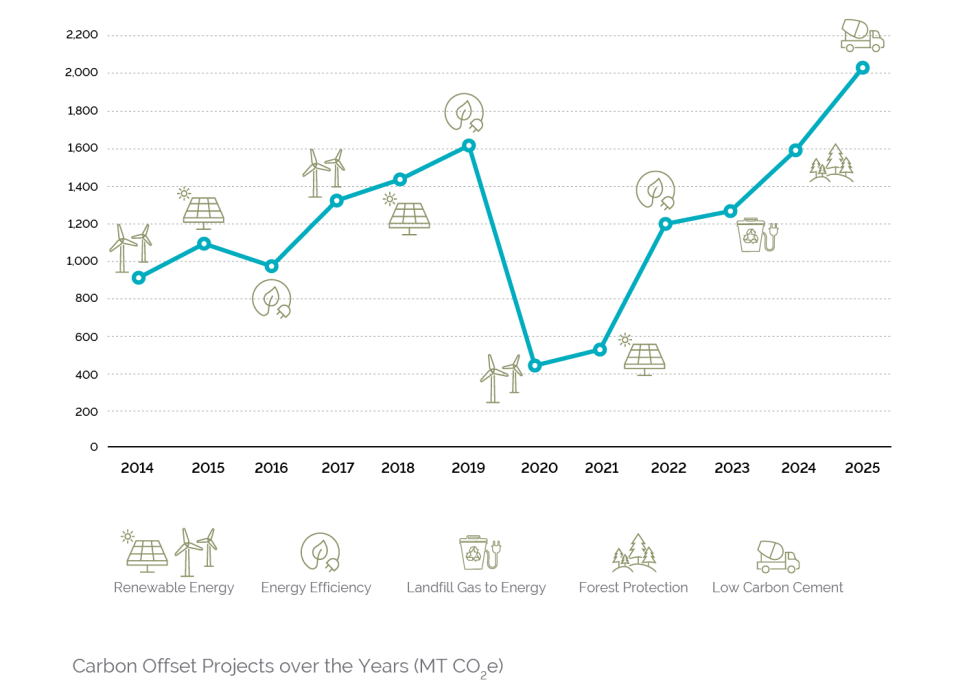
Thornton Tomasetti reduced absolute operational emissions by 20% from its 2018 baseline and lowered per capita emissions by 46%, to 2.52 MTCO2e. These reductions are part of our ongoing work toward carbon neutrality by 2030, supported by annual emissions inventories, renewable energy purchasing, energy-efficient offices, lower-carbon transportation strategies and continued leadership in embodied carbon reduction.
Since our 2018 baseline, we've reduced absolute, or total, emissions by 20%. Per capita emissions are down 46%, to 2.52 MTCO2e. We’ve also expanded our approach to renewable energy to include all office operations in our renewable energy certificate (REC) purchasing program. Now 100% of our office electricity use is either from direct renewable sources or covered by RECs. We conduct our carbon inventory in alignment with the Greenhouse Gas Protocol. We account for electricity and heating from our leased offices, the well-to-wheel emissions from air travel and employee commuting, landfilled and recycled waste, purchasing and fuel- and energy-related activities.
2025 Emissions Progress at a Glance
20% reduction in absolute emissions since Thornton Tomasetti’s 2018 baseline
46% reduction in per capita emissions, now at 2.52 MTCO2e
100% of office electricity use is either from direct renewable sources or covered by renewable energy certificates
80+ green champions support sustainability initiatives across 34 offices worldwide
250 employee-members participate in Thornton Tomasetti’s embodied carbon community of practice
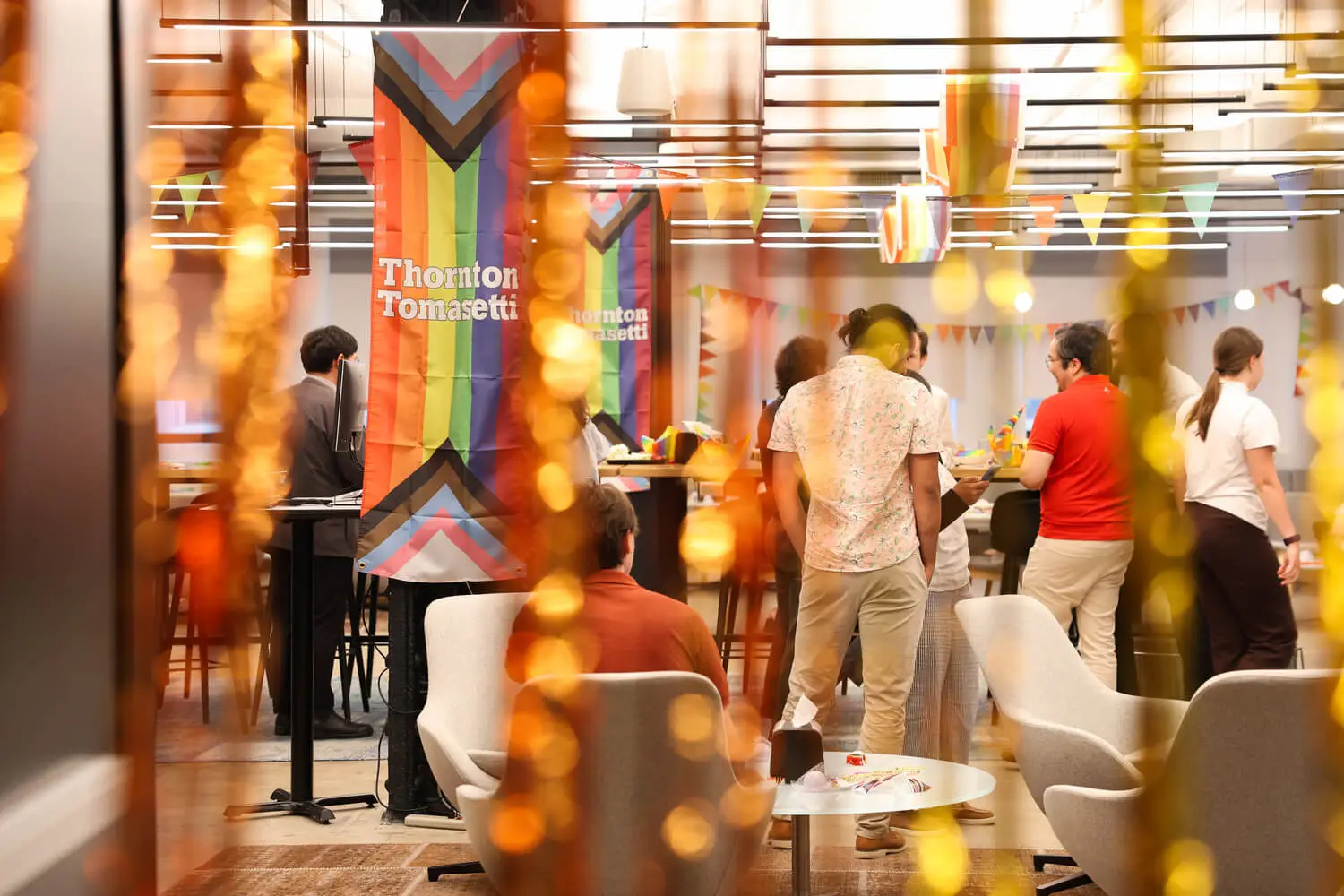
We’re improving energy efficiency in our workplaces by fitting out new offices to LEED standards and implementing energy-efficient retrofits in existing ones when possible. Company policy requires all new offices of 4,000 square feet or larger to pursue LEED Silver or Gold certification. Ten of our current offices, and four former locations, have been green-building certified or fitted out to similar standards.
Green champions – employees who donate their time to support corporate responsibility initiatives – help their local offices become healthier and more sustainable. We have more than 80 green champions in 34 offices worldwide.
Our green champions have recently introduced high-efficiency lighting retrofits, energy-monitoring devices, efficient appliances, and access to bike-share memberships. They also support climate-action education by organizing events such as Earth Week and Daylight Hour, when we extinguish all artificial lights for one hour to raise awareness about energy efficiency. Corporate grants funded many of these initiatives.
To improve access to low-carbon transportation, we’ll continue to lease office spaces near transit hubs. We also encourage staff to travel efficiently and take advantage of the firm’s bike and mass-transit benefits. As part of our operational sustainability strategy, we share air-travel emissions reports with senior leaders. As a consulting firm, we’re aware that the projects we work on may be associated with significant greenhouse gas emissions. In keeping with Greenhouse Gas Protocol guidance for service companies, we don’t include those emissions in calculations of our carbon footprint, but we do work to advance industry efforts to reduce emissions from the building sector.
Thornton Tomasetti is an inaugural member of the SE 2050 Commitment and a co-founder of its precursor, the SE 2050 Challenge. We measure embodied carbon in our structural projects each year – and we're one of the largest contributors of project data to the SE 2050 database on embodied carbon in structures. Our embodied carbon community of practice engages its 250 employee-members in regular education, cross-practice conversations, and tool development to advance embodied carbon reduction in our work.
Since 2024, we've also been a contributing member of the AIA 2030 Commitment, an industry initiative that tracks progress toward the Architecture 2030 vision of net-zero emissions in the built environment.