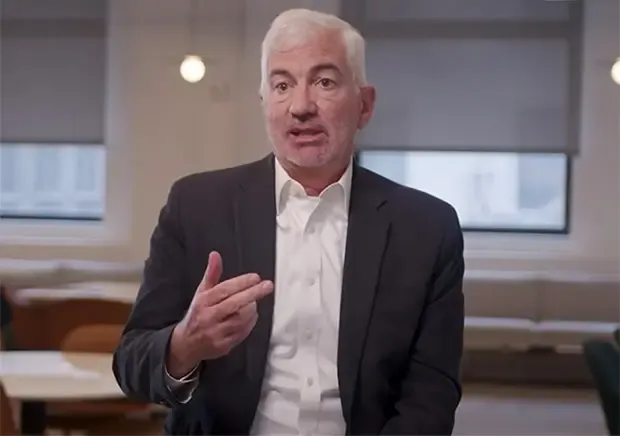
How do you make a 4,000-ton building move? Thornton Tomasetti Principal Tom Duffy is featured in an ASME video exploring the engineering collaboration behind The Shed in New York City.
New research from Thornton Tomasetti and the University of Tokyo introduces a faster, architect-friendly method for designing complex grid shell structures.
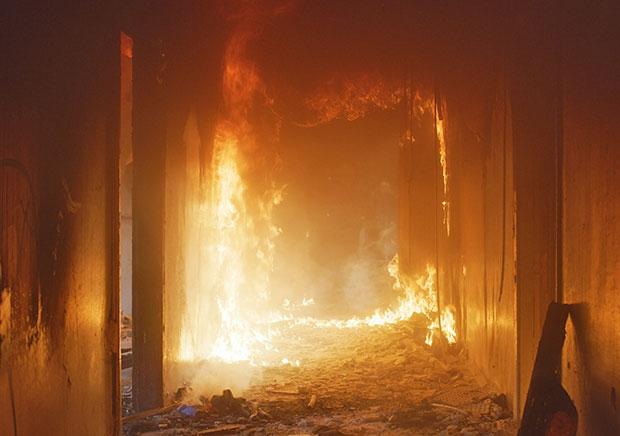
A persistent Toronto condo fire is highlighting the risk of hard-to-reach spaces. Principal Ali Ashrafi explains why the Thorncliffe Park Drive fire was so hard to extinguish.
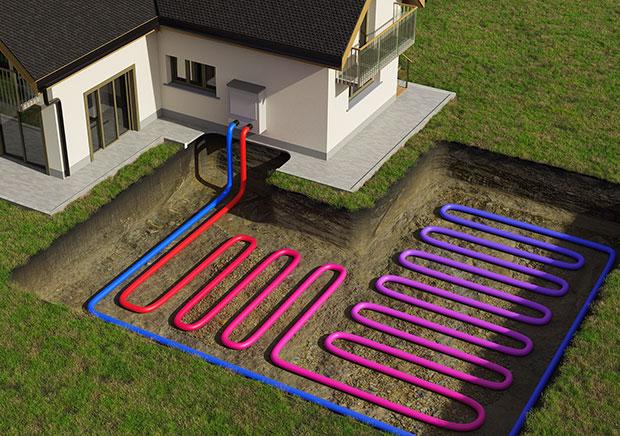
For off-grid households, resilience isn’t optional – it shapes every decarbonisation decision. Our research with Centre for Regional Economic Social Research, Northern Powergrid and Northern Gas Networks reveals why solutions must balance carbon reduction with comfort, reliability and security.
Thornton Tomasetti’s decarbonization and resilience specialists are providing program implementation and technical assistance to city agencies in San Francisco and Boston to help building owners develop and implement decarbonization road maps.
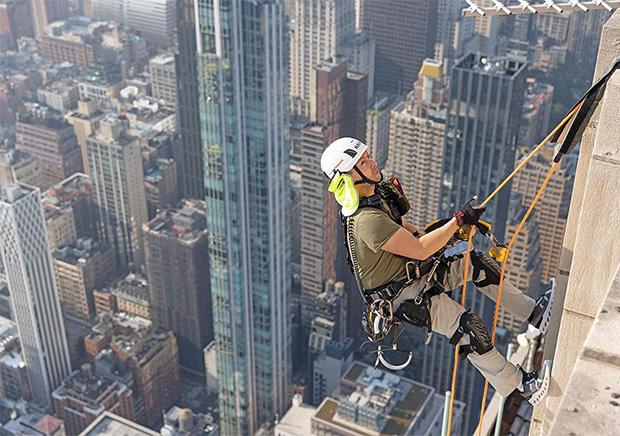
Thornton Tomasetti’s recommendations are shaping new NYC FISP rules—introducing clearer definitions, a six-year cycle, and expanded use of drones and emerging technologies.
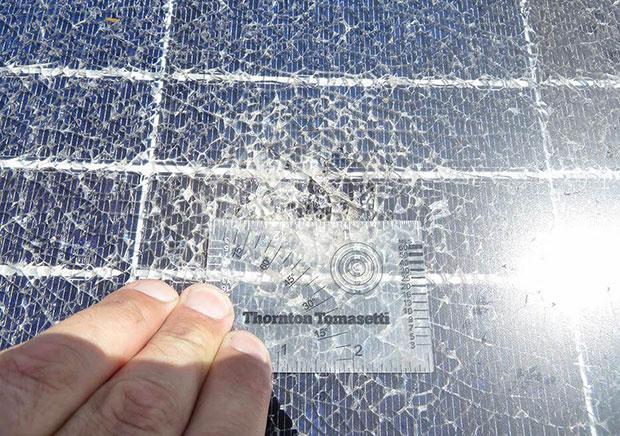
Hailstorms cause billions of dollars' worth of damage to roofing systems, with materials like shingles, metal, tile and solar panels facing risks like cracking or denting. Our hailstorm damage forensics team uses advanced tools to assess damage and recommend resilient materials and prompt inspections for effective repairs and insurance claims.
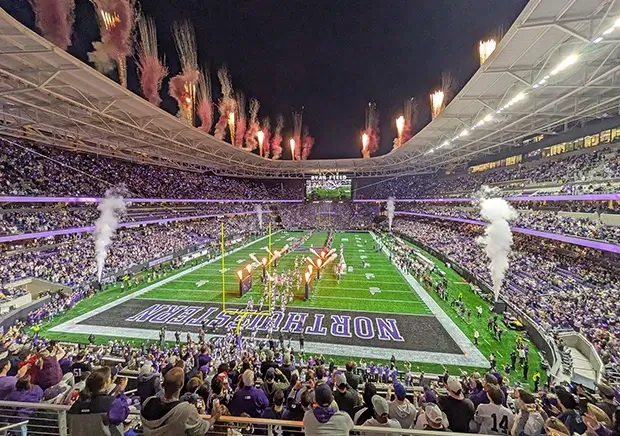
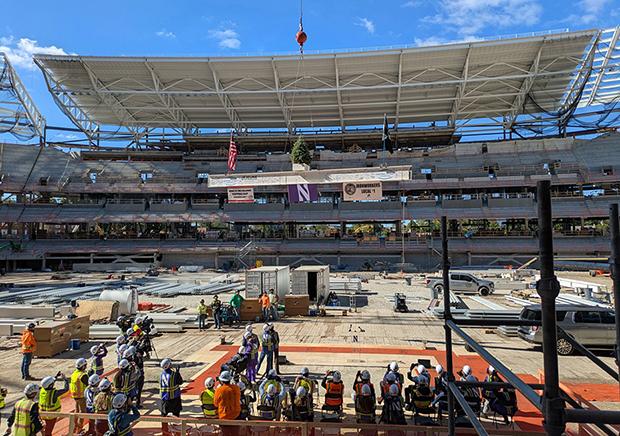
The new Ryan Field tops out in Evanston, Illinois, advancing accessible, sustainable and community-centered design for next-generation collegiate venues.