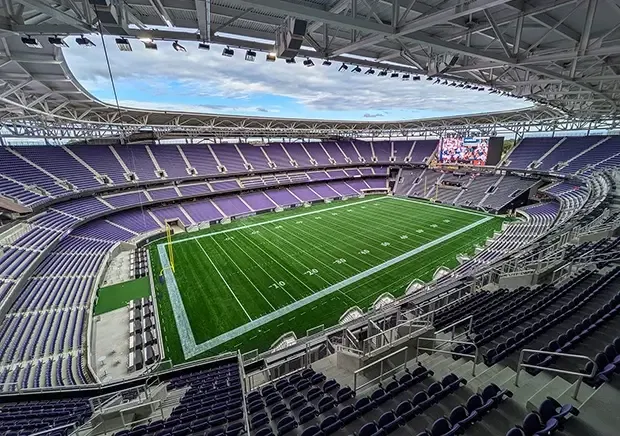
The Chicago Tribune calls Northwestern University’s new Ryan Field “Chicagoland’s most architecturally distinguished sports facility in more than a century.” Our firm provided structural engineering for the 35,000-seat stadium, which brings a new civic landmark to Evanston.
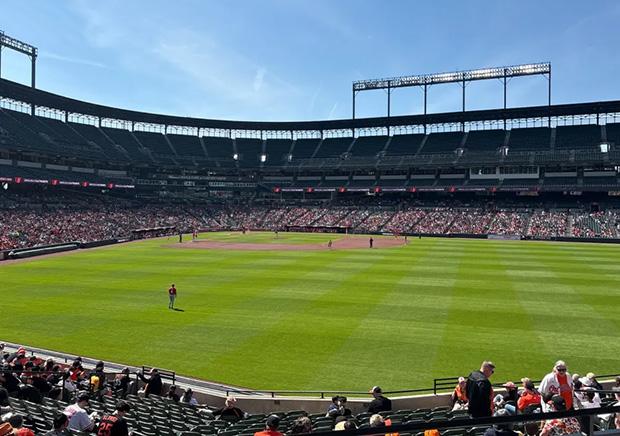
Oriole Park at Camden Yards has been reimagined for today’s fans without losing what made it iconic. Behind the scenes, structural upgrades made it possible to install a larger video board and new premium spaces—balancing modern performance demands with the constraints of an existing stadium.
A new UK standard is redefining what “net zero carbon building” actually means—shifting the focus from design intent to verified, in-use performance. Here’s what it is, why it matters, and how to apply it.
Engineering decarbonization doesn’t stop at the building envelope. Discover how Thornton Tomasetti and Crozier Fine Arts are applying systems engineering and carbon modeling to reduce operational emissions across the global fine art supply chain.
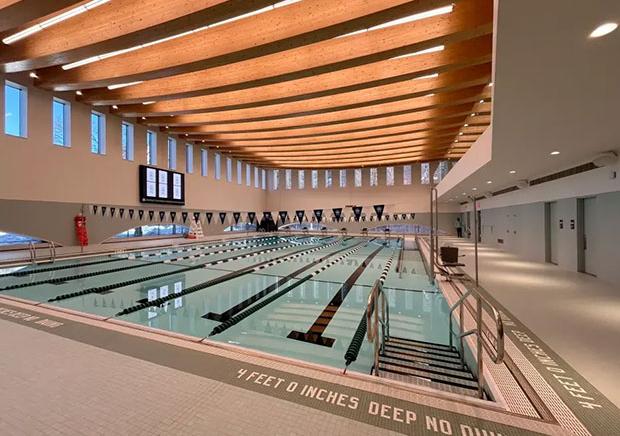
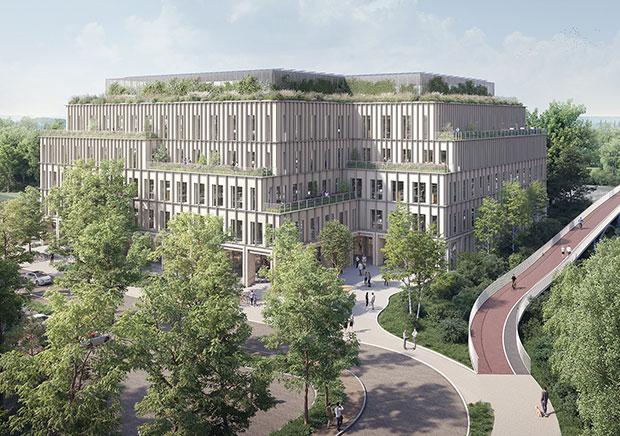
The article highlights the project’s role as a new civic hub and its use of mass timber, which supports both sustainability goals and a warm, community-oriented interior environment.
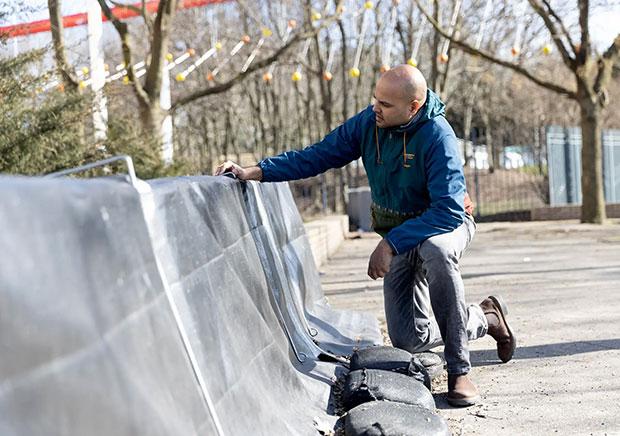
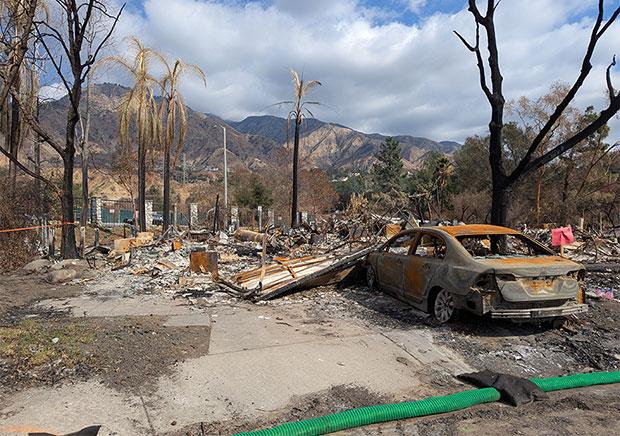
After the 2025 Eaton Fire in California, many foundations remained standing but were structurally compromised. This forensic case study explains how wildfire heat can affect concrete and CMU systems.
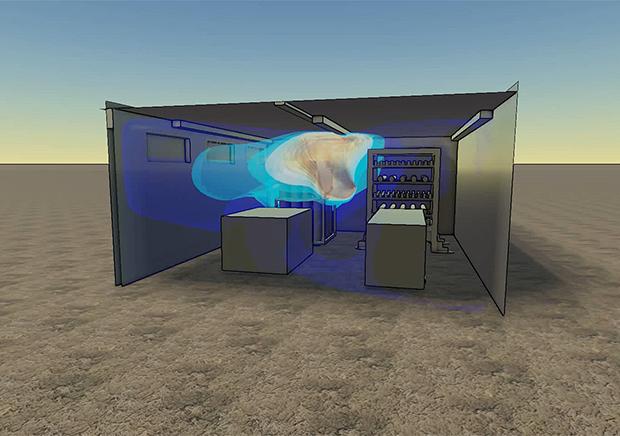
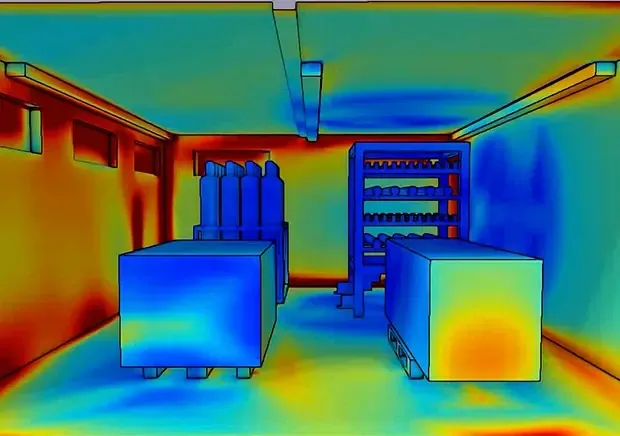
As EVs, BESS and hydrogen systems move into everyday buildings, energy storage risks are evolving. Performance-based design helps quantify hazards and engineer controls that reflect real-world conditions.
In the April 2026 issue of IEEE Energy Sustainability Magazine, Thornton Tomasetti experts Pawel Woelke, Juan Londono, Peter Johnson, and Ivan Boguslavskyi examine lithium-ion battery hazards associated with electric vehicles and energy storage systems, including thermal runaway, fire and explosive risks, and strategies for mitigating these hazards in the built environment.