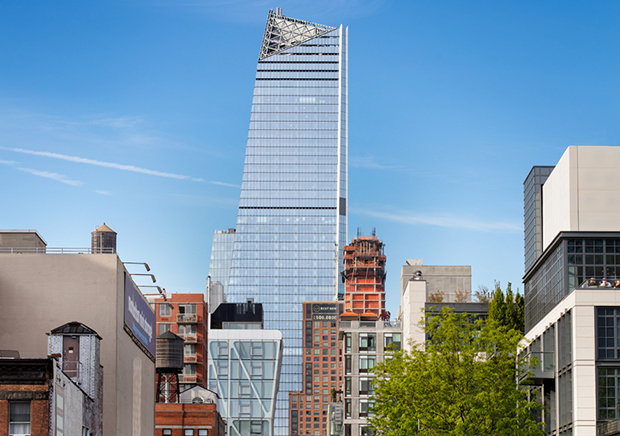
Steve Freihon/Related-Oxford
New York, New York
Global experience.
Regional perspective.
Local impact.
New York, New York
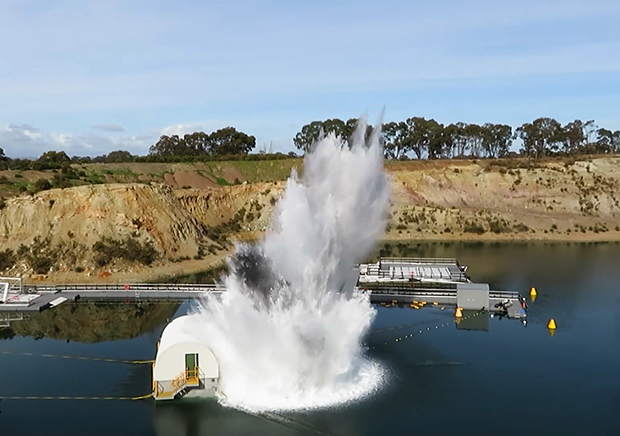
Australia
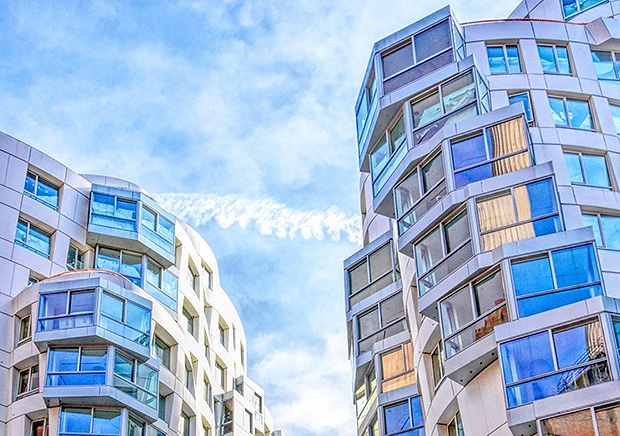
London, United Kingdom
Diriyah, Riyadh, Saudi Arabia
Integrated structural, façade, and construction engineering services for major renovations transformed the stadium’s in-game experience for fans and enhanced the venue’s versatility.

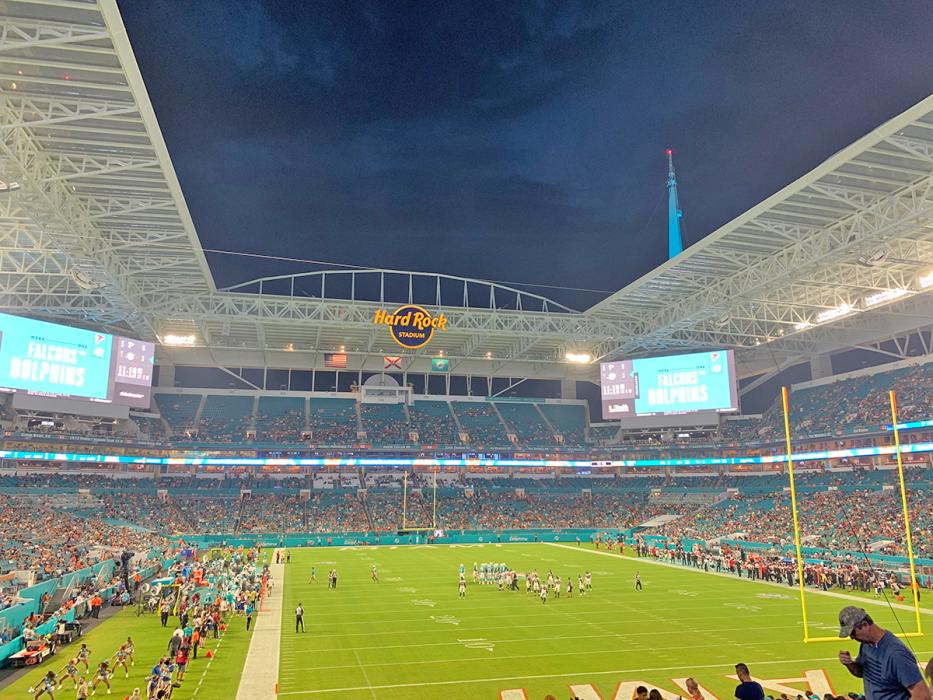
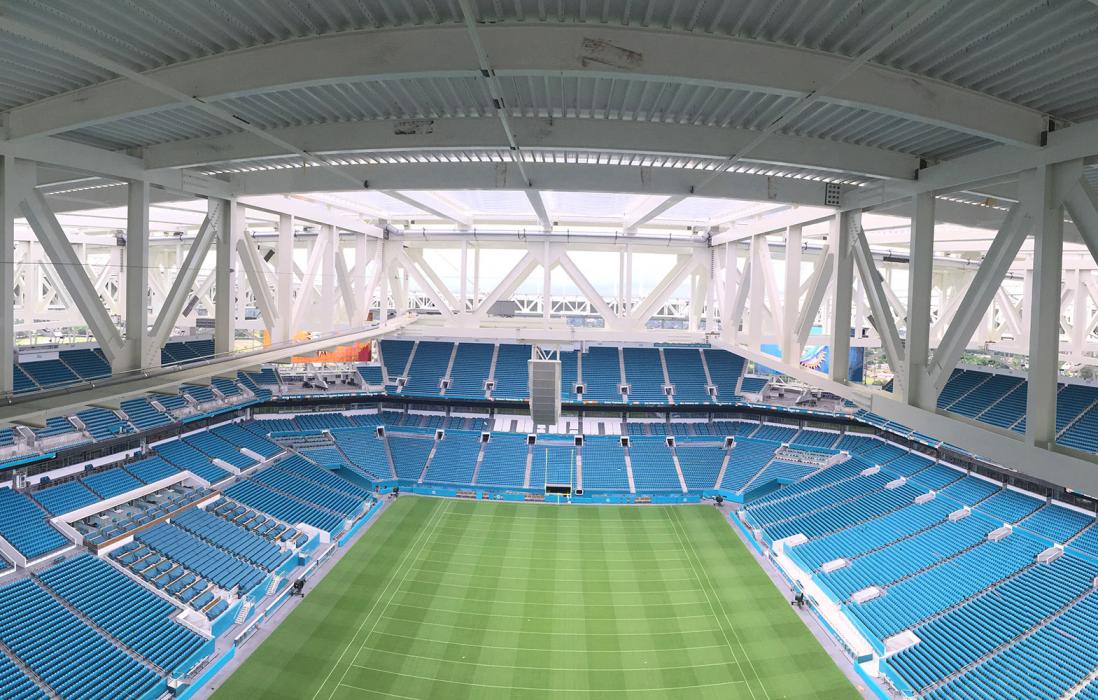
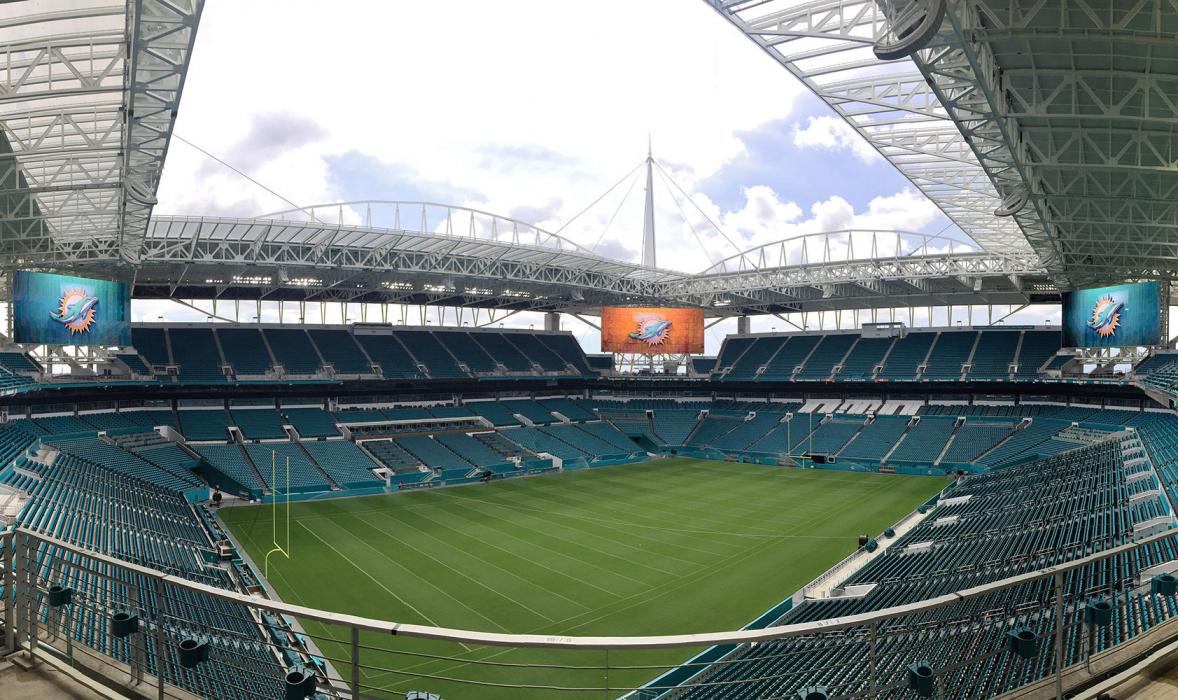
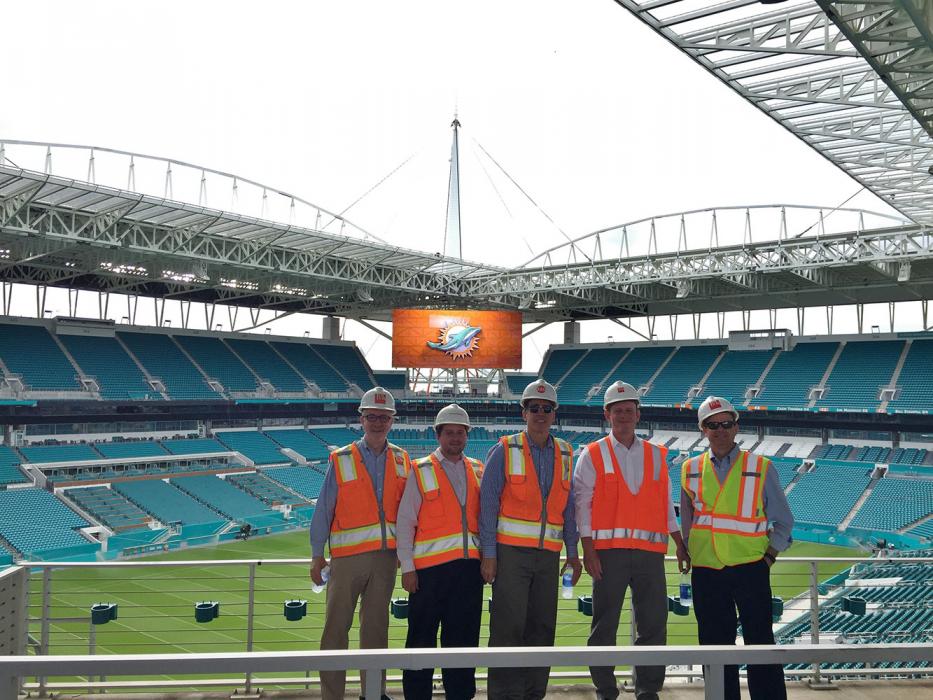
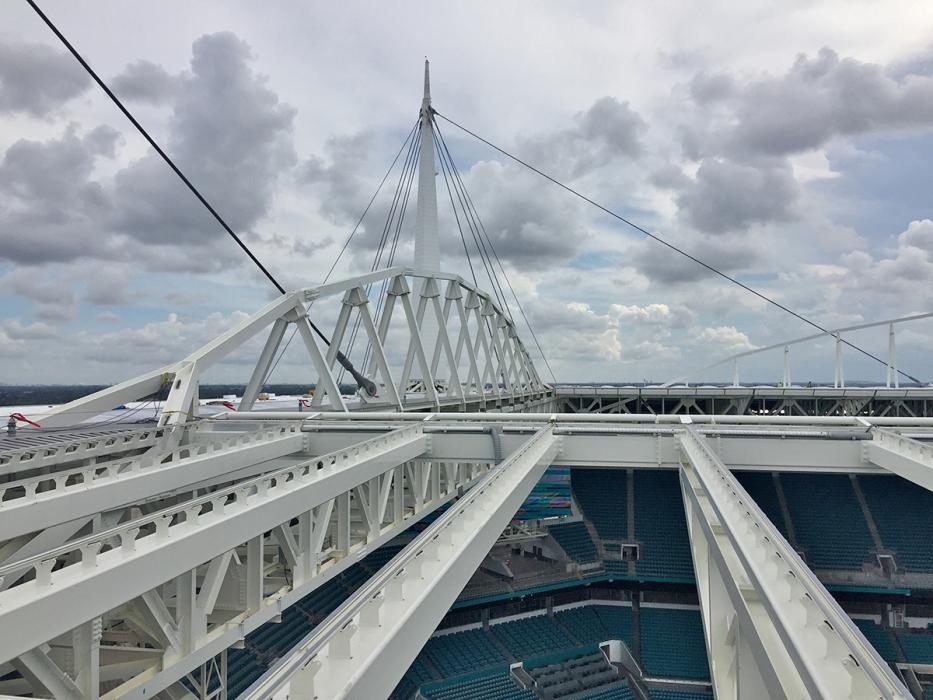
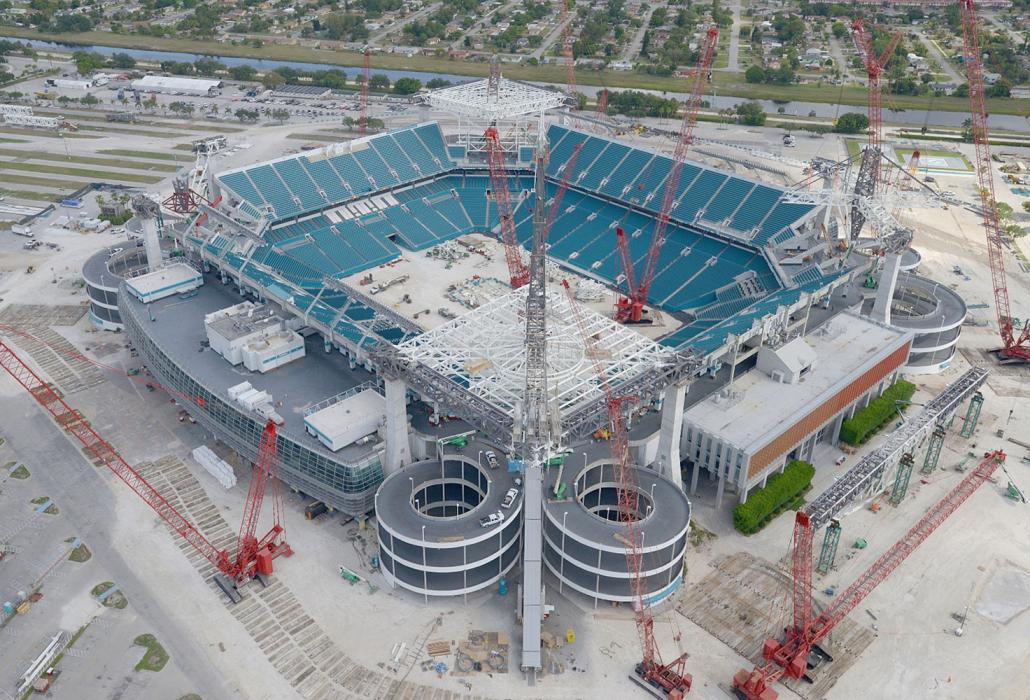
First opened in 1987 as Joe Robbie Stadium, the venue underwent a major modernization, beginning in 2015, to keep it competitive with other, newer NFL stadiums. Thornton Tomasetti provided integrated design services – structural, façade, and construction engineering – for a renovation led by HOK. The project completely reconfigured the seating bowl and concourses, added a translucent canopy and high-definition video boards, and remodeled suites and amenities throughout the stadium. Strategic phasing and carefully coordinated design allowed construction to take place during three NFL off-seasons, completing the massive overhaul of the stadium without disrupting games or other major events.
The renovation’s first phase replaced every seat in the stadium. It added a new lower bowl to the sidelines, bringing fans closer to the field. A restructuring of the 100 and 300 levels created new corner terraces, improved circulation, added amenities, and introduced new premium spaces. The design also expanded ADA seating capacity and broadcasting accommodations.
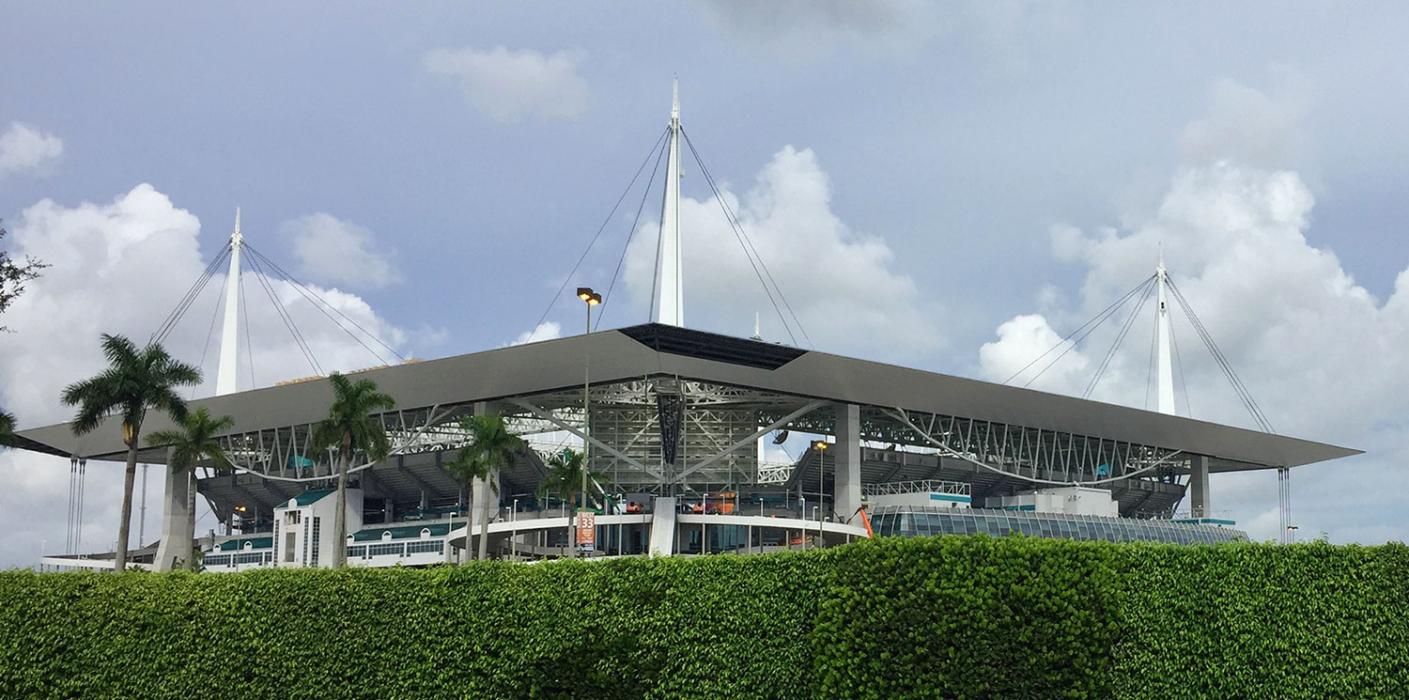
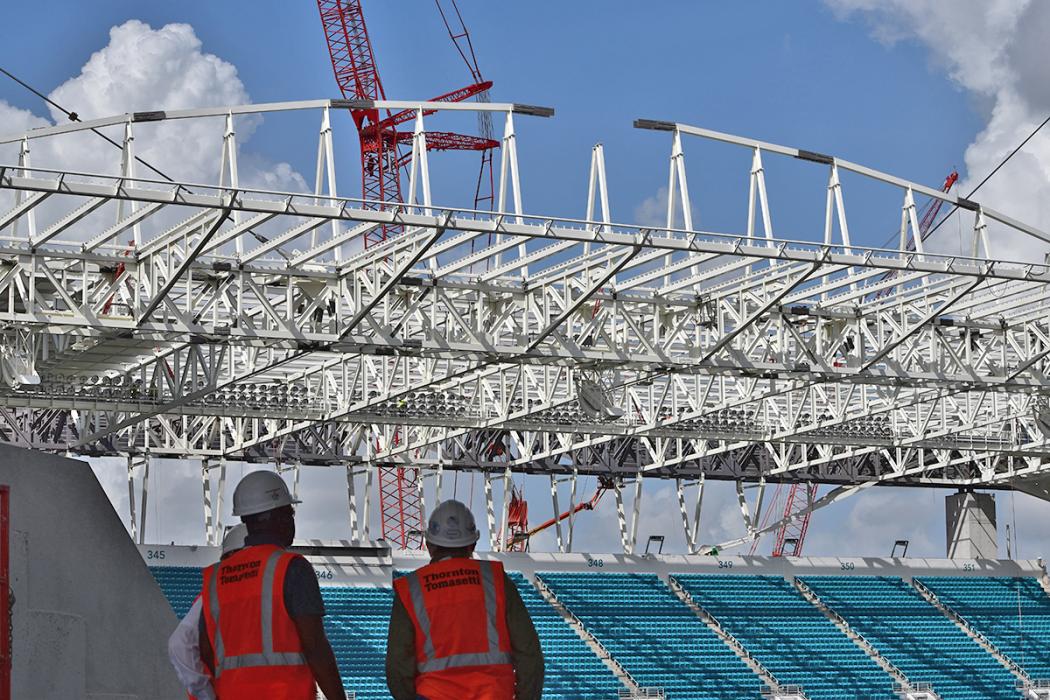
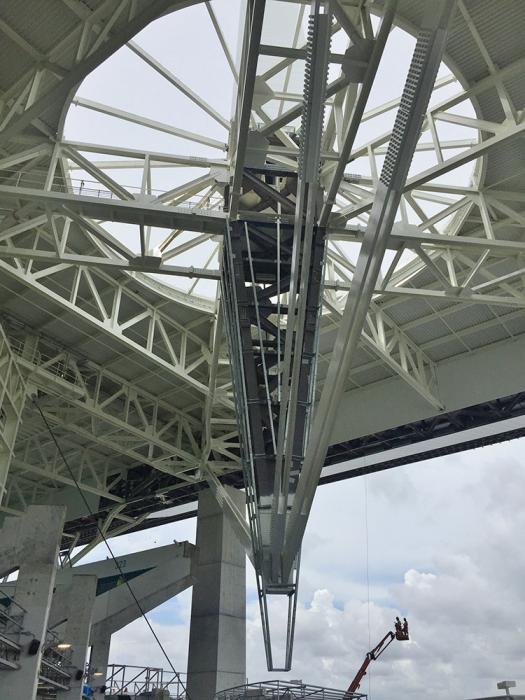
Phase 2 of the renovation added a 14-acre canopy to protect fans from the elements. Our structural, façade, and construction engineers worked together to resolve the complex challenges posed by incorporating this element into the existing stadium.
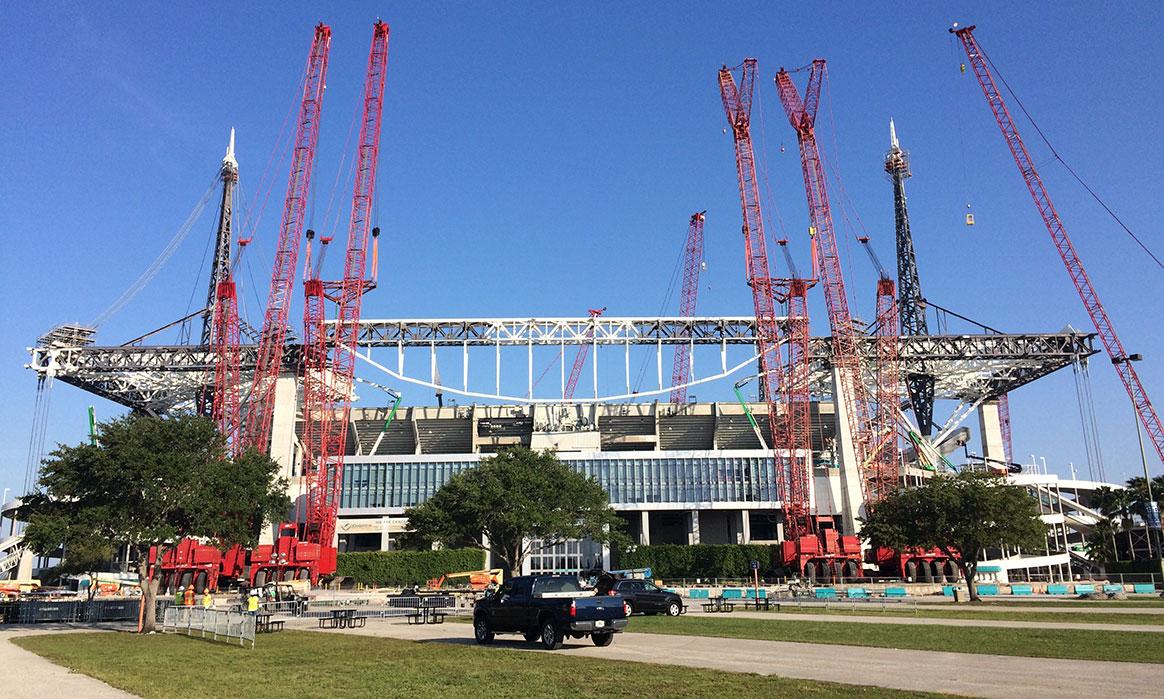 Hard Rock Stadium in Miami Gardens, Florida
Thornton Tomasetti
Hard Rock Stadium in Miami Gardens, Florida
Thornton Tomasetti
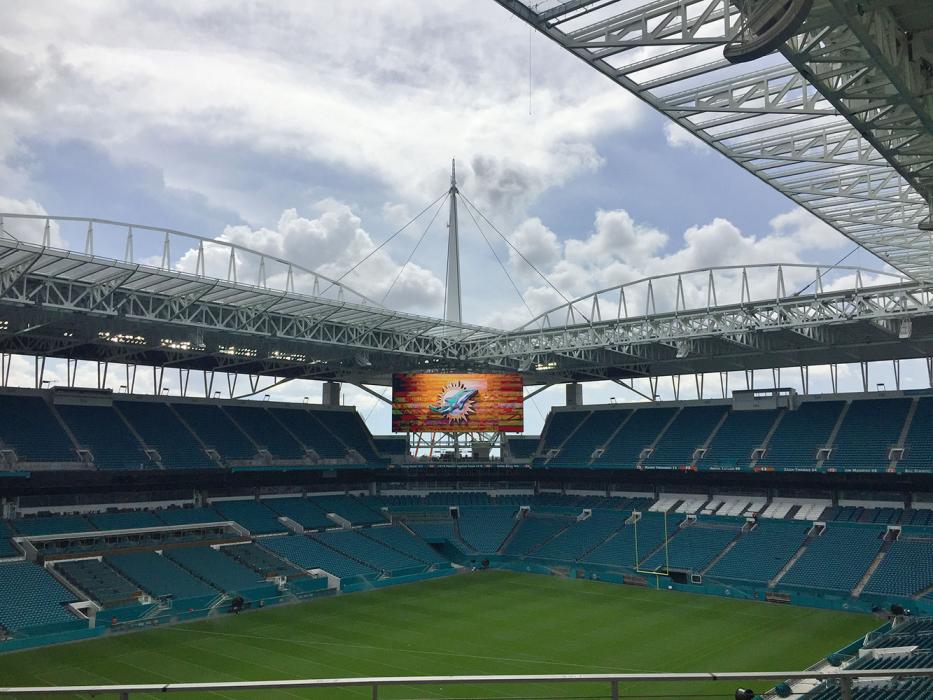
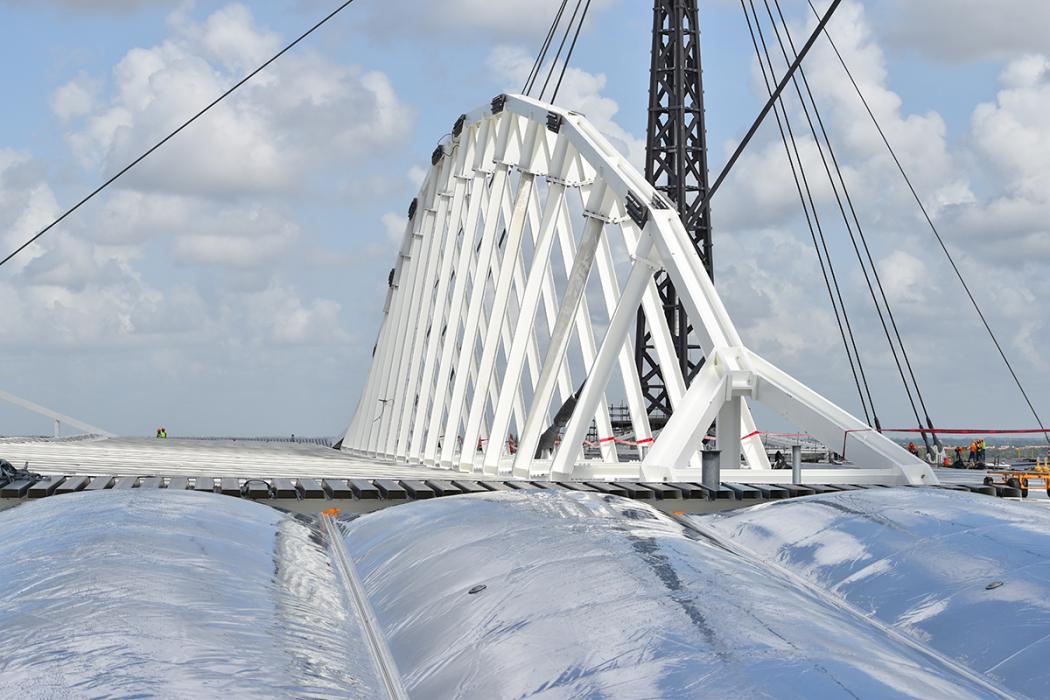
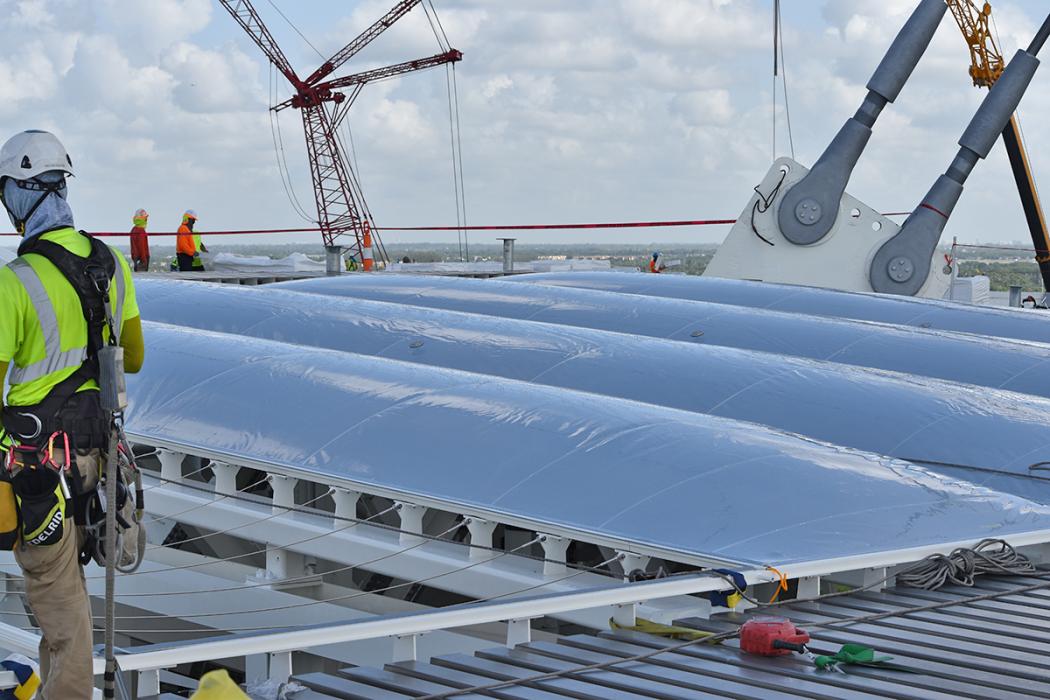
Our façade engineers used ethylene tetrafluoroethylene (ETFE) for the canopy’s 95,200-square-foot inner ring. Inflated pillows of the translucent material block both rain and direct sunlight from the seating bowl while letting in enough full-spectrum light to keep the grass green. Because ETFE is lightweight, it requires a less robust supporting structure than heavier options. And the material is elastic: it can absorb significant impact loading without breakage, which helped this part of the canopy meet the region’s standards for withstanding category 4 hurricane winds.
Support for the 620,000-square-foot canopy, along with the four large high-definition screens that hang from it, is independent of the stadium structure. This design strategy avoided costly and time-consuming retrofits that would be needed for the existing stadium to carry the new loads. Our structural and façade teams collaborated on the canopy design, devising a system of eight concrete megacolumns – two at each corner – tucked close to the stadium walls. A steel mast rises between each pair of columns. Together, they support and stabilize the long-span steel trusses that run along the inner and outer edges of the seating bowl.
To expedite construction of the canopy, our construction engineering team performed the connection design for the structural steel, working in tandem with our structural designers. We delivered a fully connected Tekla model, which enabled early material procurement and helped the team meet the fast-track construction schedule.










News
FIFA World Cup 2026 Showcase Thornton Tomasetti EngineeringNews
2026 FIFA World Cup Venues Announced