Steve Freihon/Related-Oxford
New York, New York
Global experience.
Regional perspective.
Local impact.
New York, New York
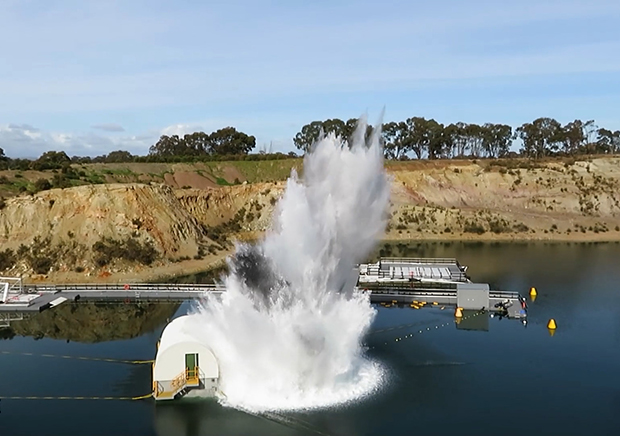
Australia

London, United Kingdom
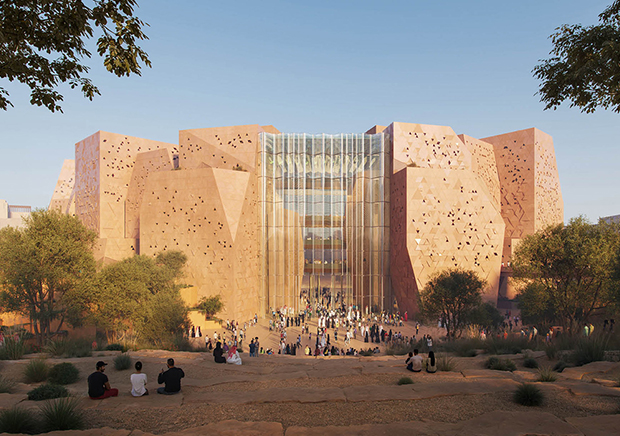
Diriyah, Riyadh, Saudi Arabia
Modular construction and construction engineering are supporting the expansion of ATL’s Concourse D, increasing passenger capacity while minimizing disruption to ongoing airport operations.

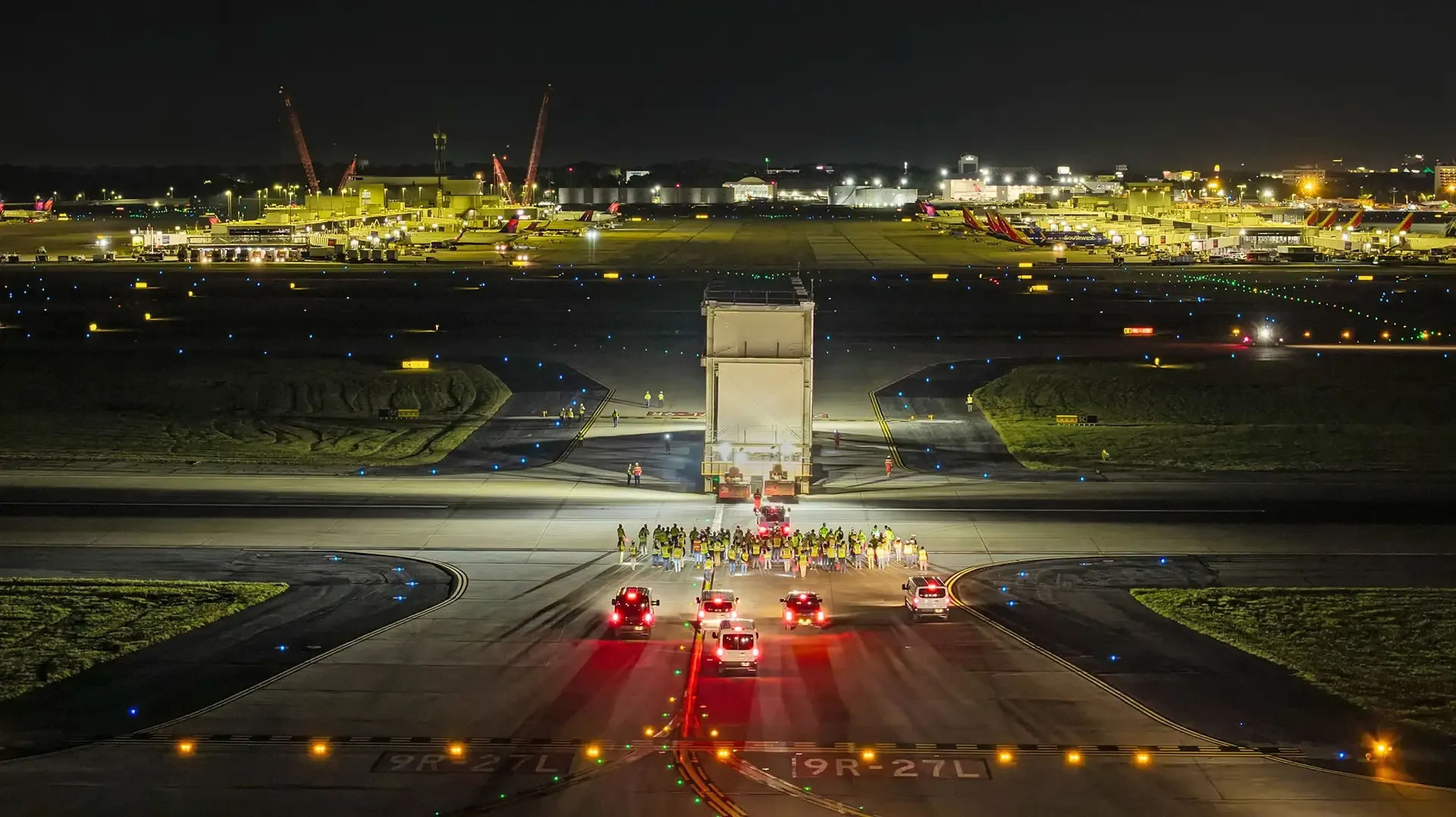
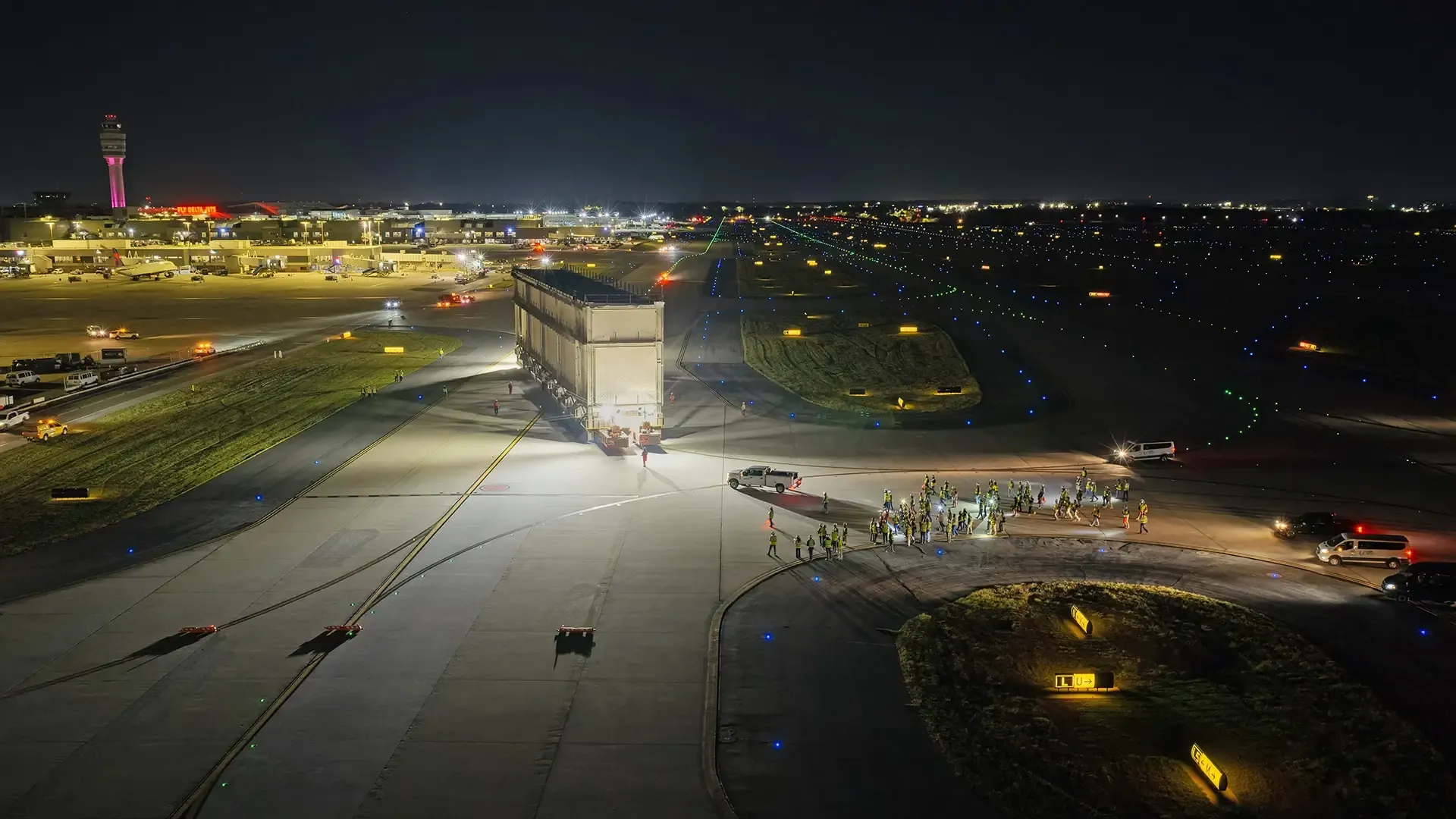
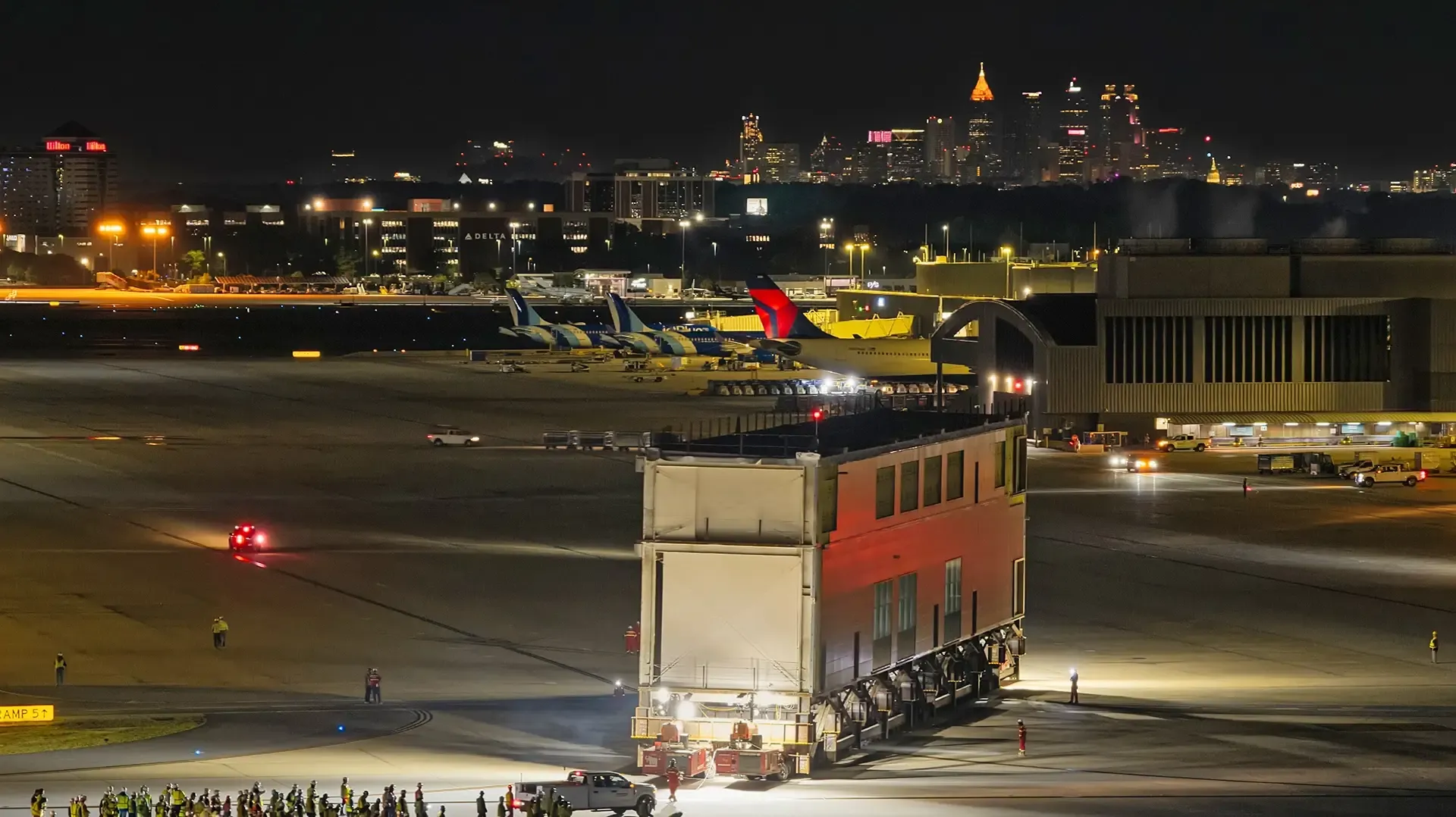
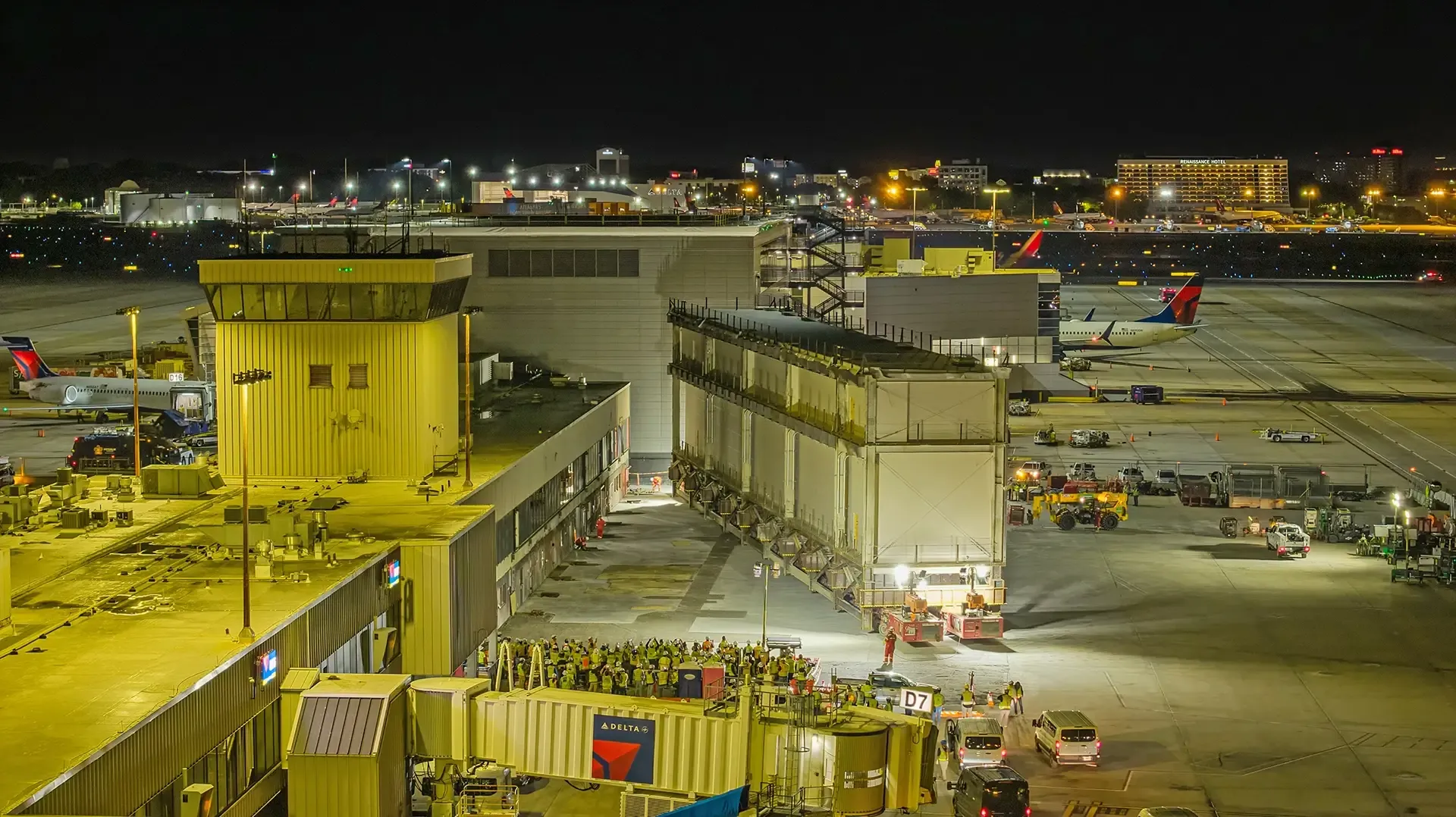
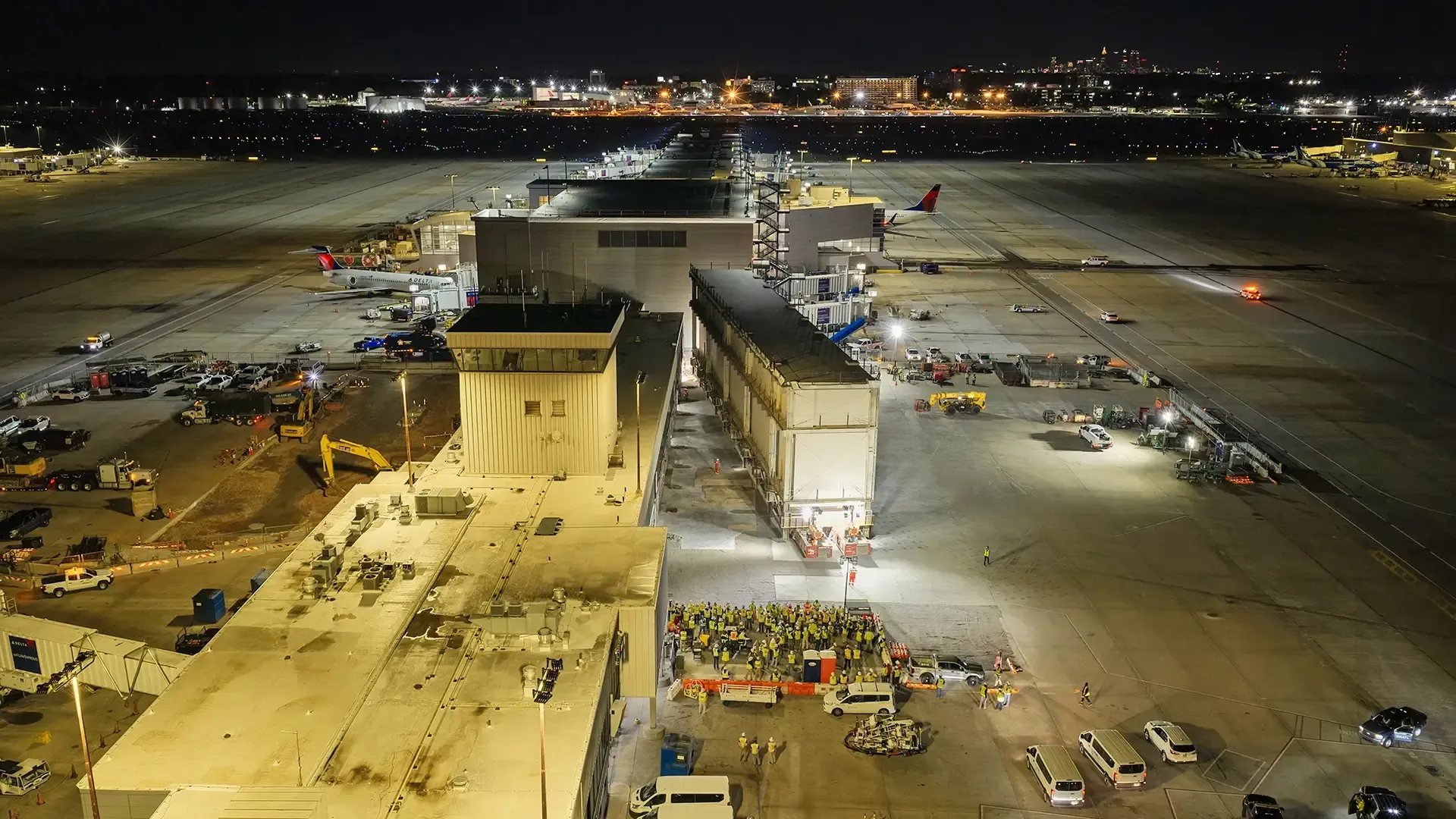
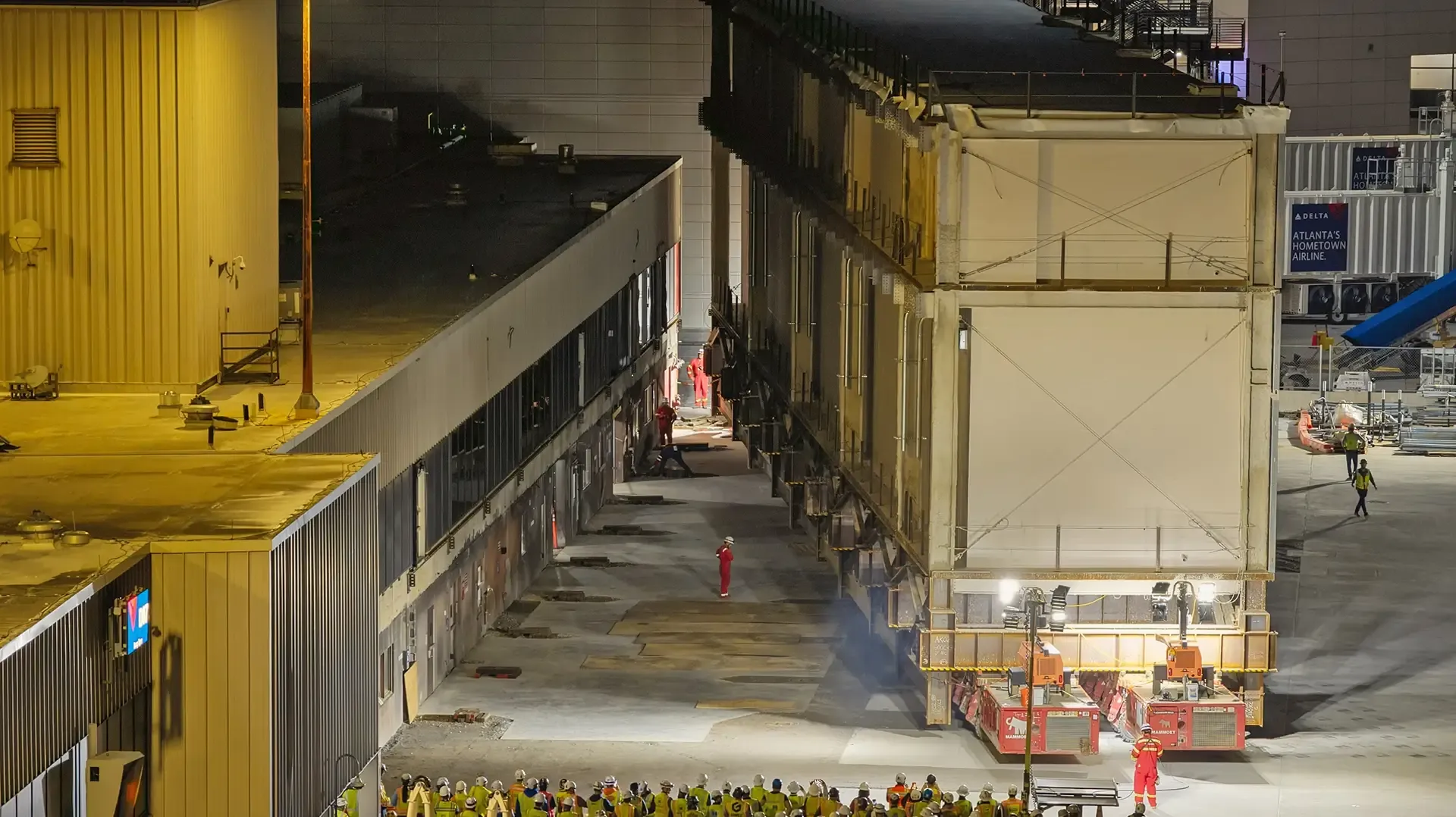


At Hartsfield-Jackson Atlanta International Airport, Thornton Tomasetti is providing structural and construction engineering services for a project that is expanding Concourse D from 60 to 100 feet wide. Originally designed for smaller regional aircraft, the airport’s narrowest concourse has become increasingly crowded as larger jets have entered service. The expansion uses an off-site modular construction approach and carefully planned construction sequencing to minimize disruption to airport operations.
During the initial phases, prefabricated large-format modules (LMFs) were assembled off-site and transported overnight to the east side of the concourse. Work then shifted to the west side, where sections of the extension will span the existing structure and connect to the modules on the opposite side. In the final stages, the old roof will be dismantled, interiors finished, and temporary walls removed section by section. This phased approach limits gate closures to eight at a time.
The expansion also requires integrating new structural steel with the existing 1970s-era concrete concourse to meet current seismic requirements. Thornton Tomasetti's structural engineering team designed a new structural system that accommodates these demands without the need to reinforce the original concrete frame.
Thornton Tomasetti’s structural design and construction engineering teams collaborated to address the complex fabrication and installation requirements of the modular concourse expansion. Hired by steel fabricator LeJeune, our construction engineers provided Advanced Project Delivery™ (APD) services, which included delivery of a fully connected 3D Tekla model of the structural steel that the fabricator could use to produce shop drawings and digital information for fabrication equipment.
By moving detailed steel modeling and fabrication coordination earlier in the design process, APD helped reduce the risk of construction delays. Together, the modular construction approach and APD were credited with saving nine months on the overall construction schedule.
Transporting and installing the prefabricated modules required additional structural design and detailing considerations. Says Swapnil Deshpande, construction engineering and APD lead, “We had to think about temporary forces and bracing at the assembly site, as well as the configuration and permanent forces after installation. The connections had to work for both.”
An important tool for managing these intricacies is a weekly coordination meeting that brings together the project team. "It brings us all together for proactive coordination," says Mary Williams, the structural project manager. “We can resolve questions on the fly and head off problems in the field."
 Thornton Tomasetti
"Thornton Tomasetti has been a great partner on this project. Their innovative thinking and proactive approach helped to successfully implement this modular construction at the world's busiest airport."
— John Murphy, Principal, Corgan Associates