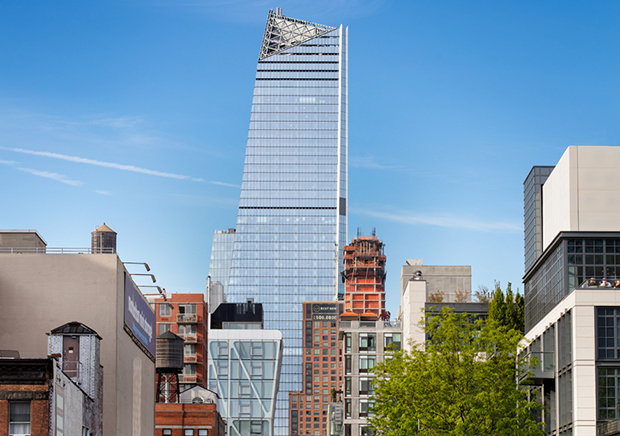
Steve Freihon/Related-Oxford
New York, New York
Global experience.
Regional perspective.
Local impact.
New York, New York
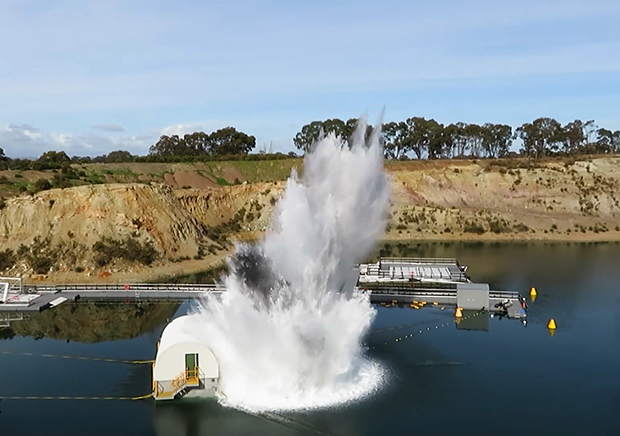
Australia
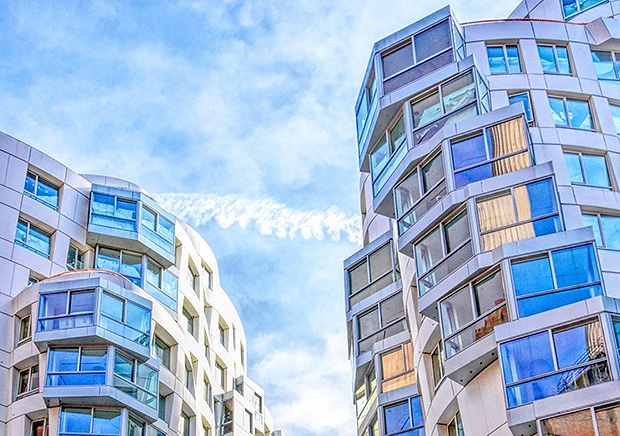
London, United Kingdom
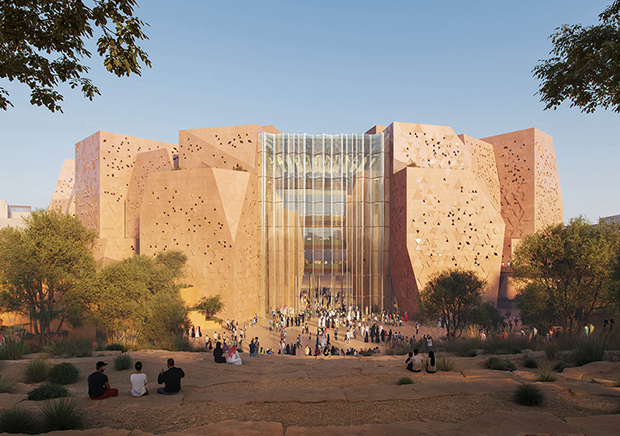
Diriyah, Riyadh, Saudi Arabia
We combine inspired engineering and regional knowledge to reach new heights in ultratall building design.
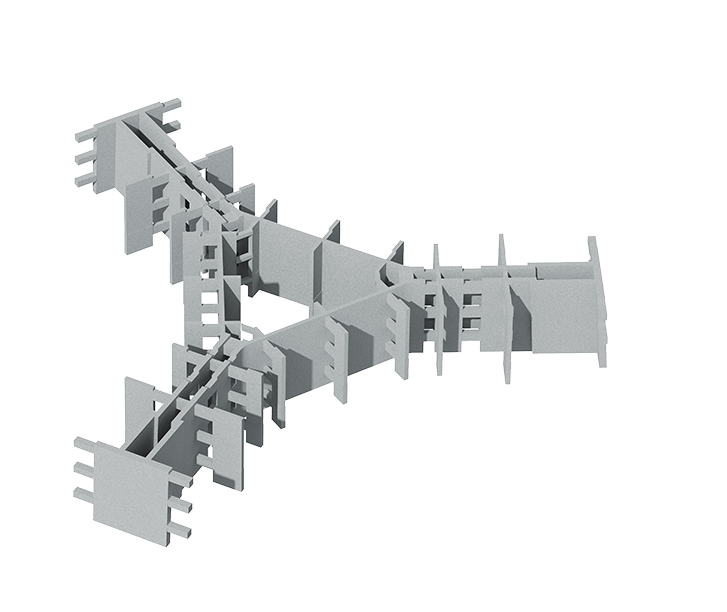

Middle East AIA, Non-Built Category - Merit Award, 2014
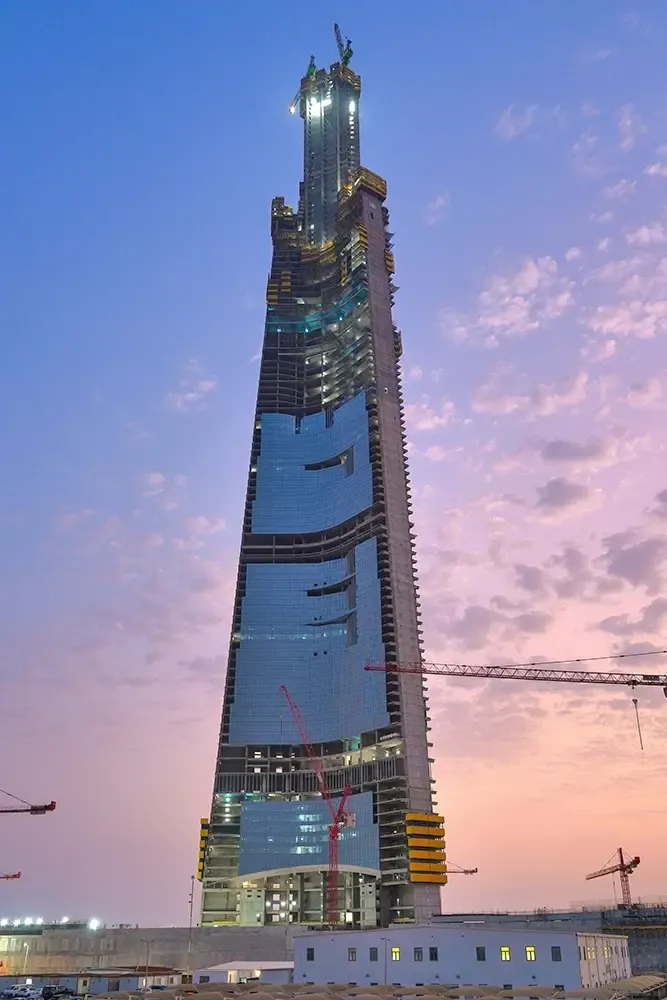
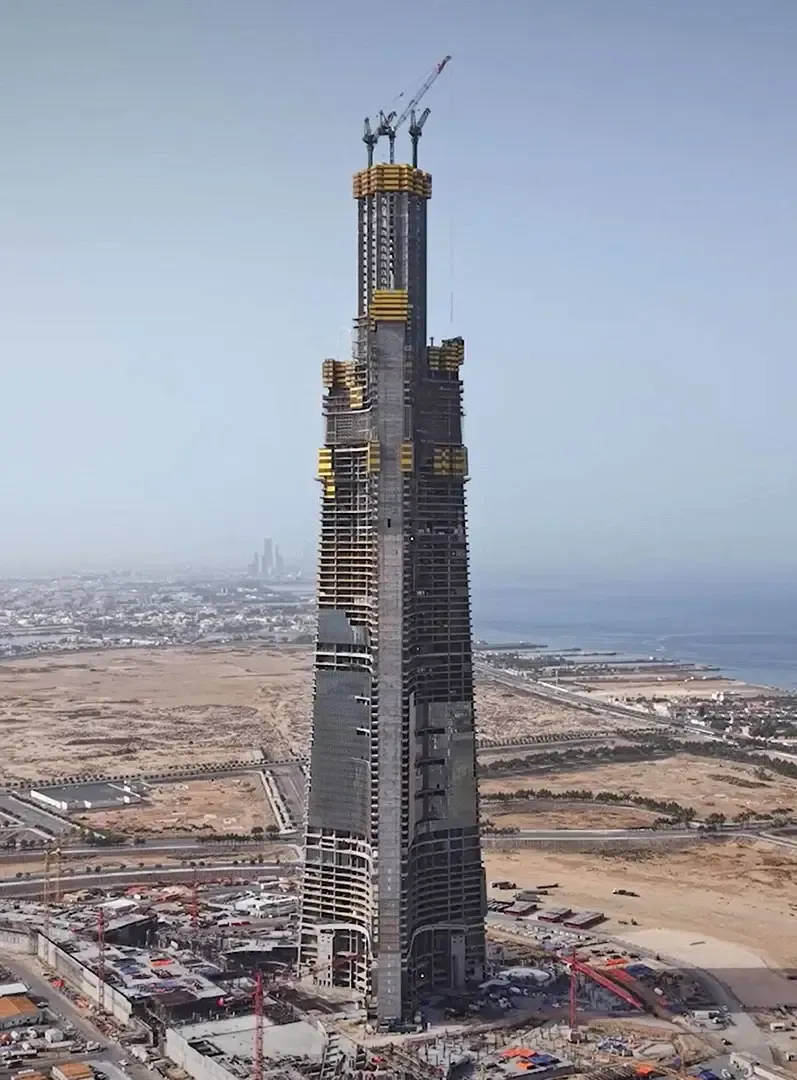
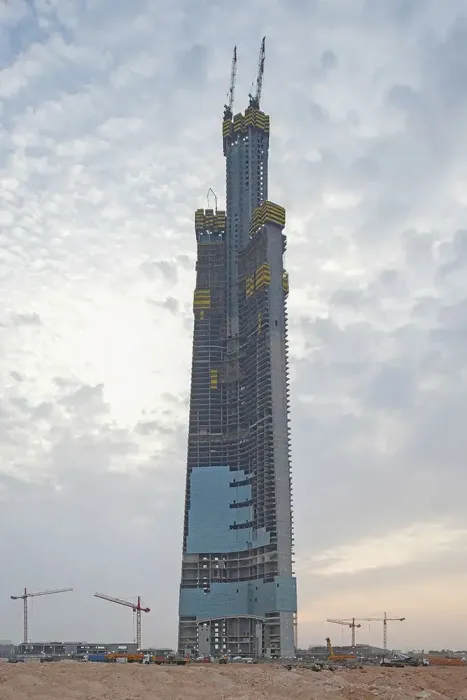
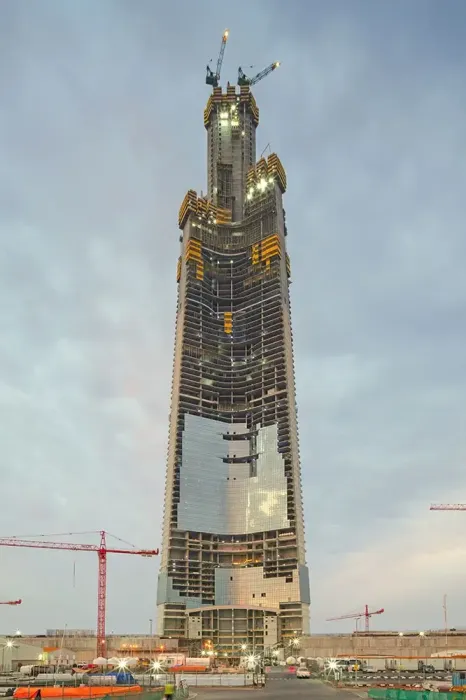
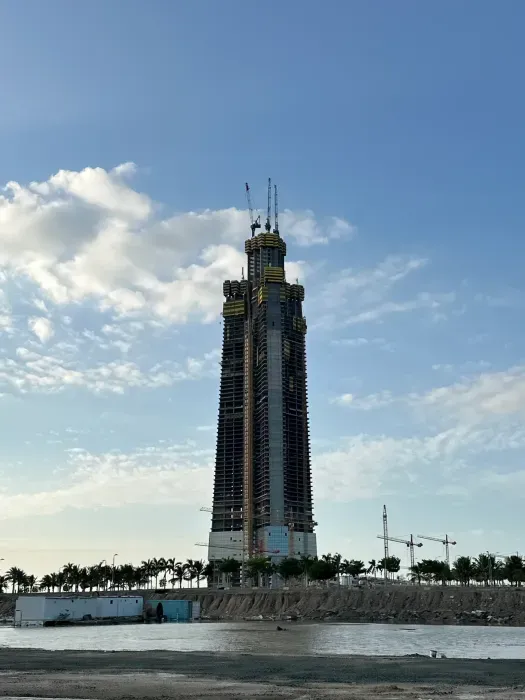
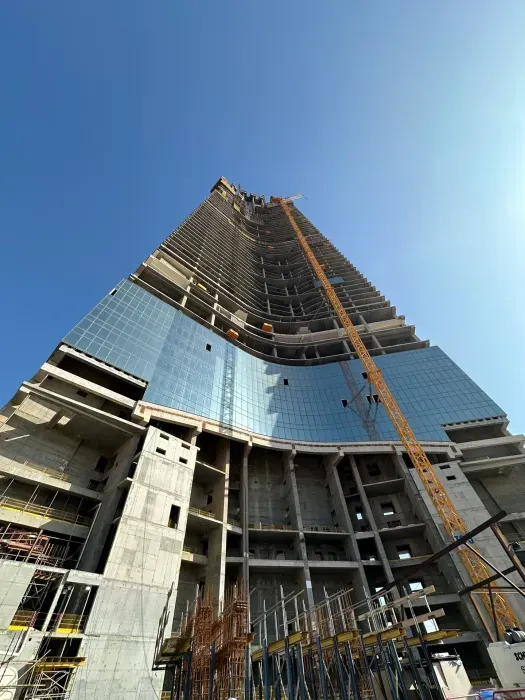
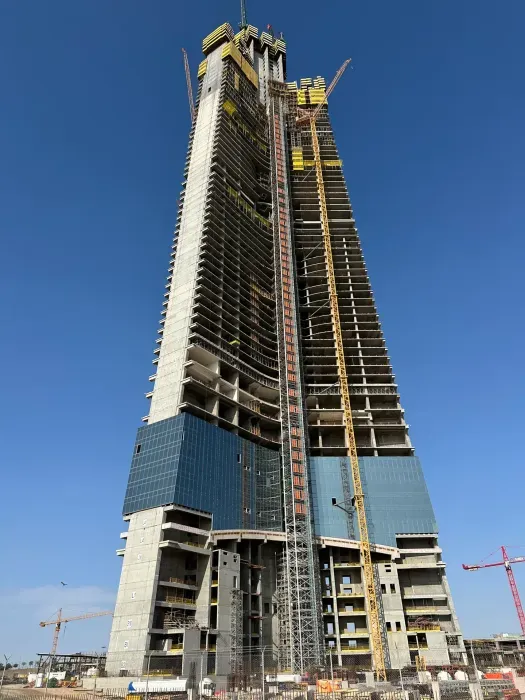
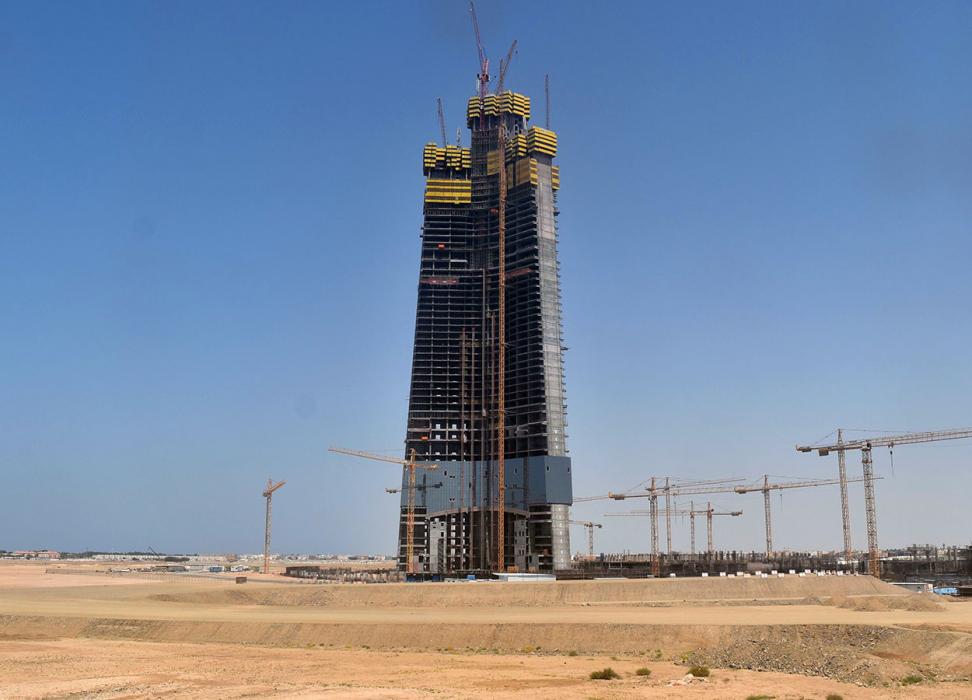
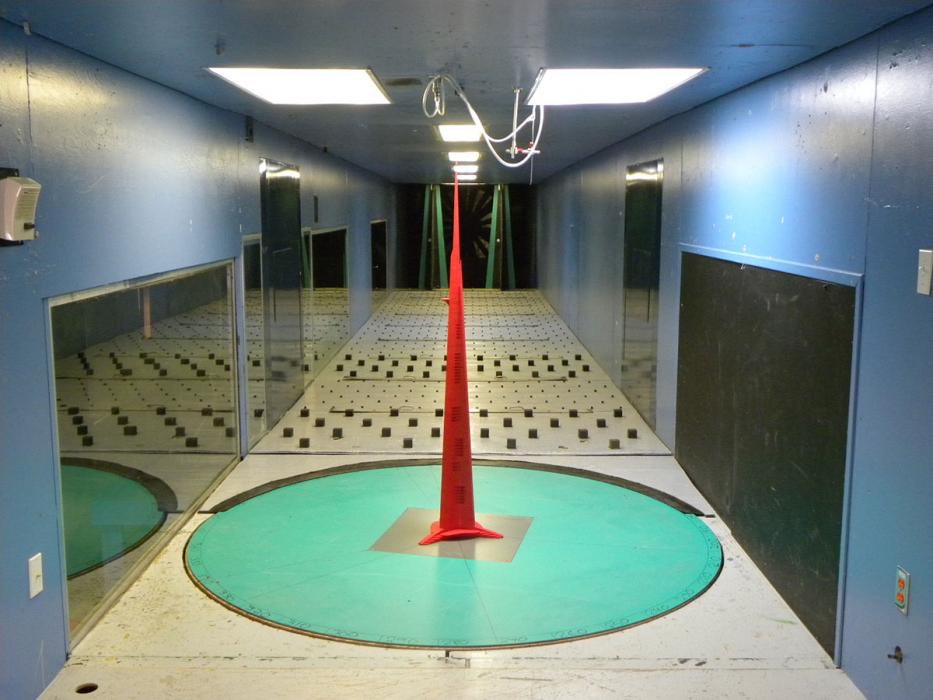
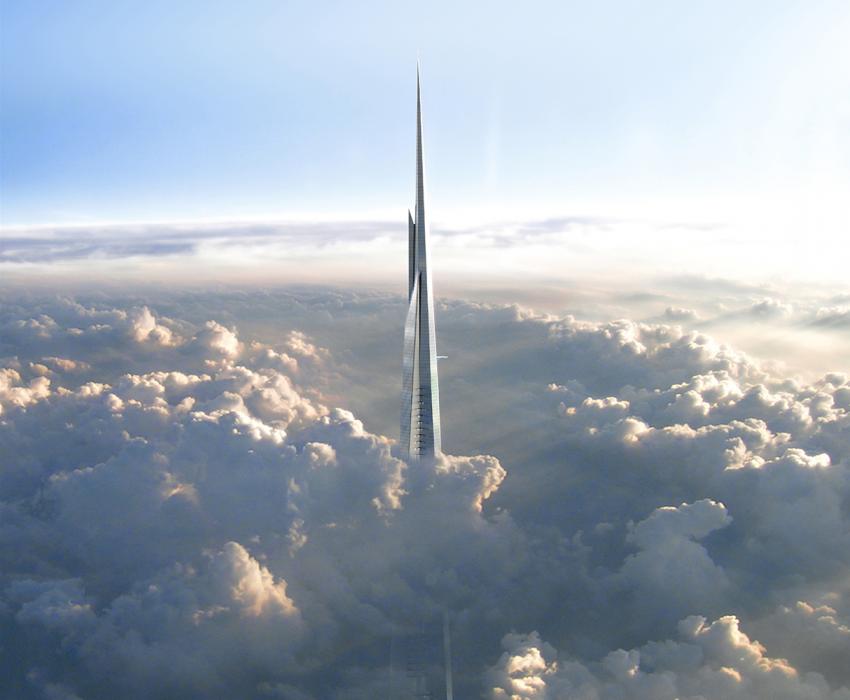
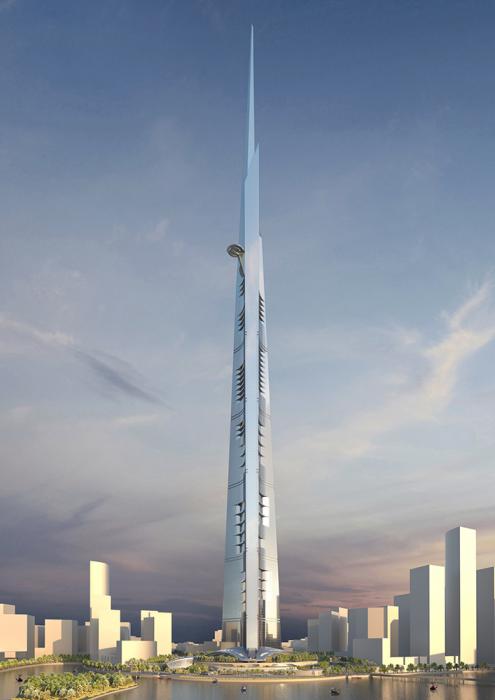
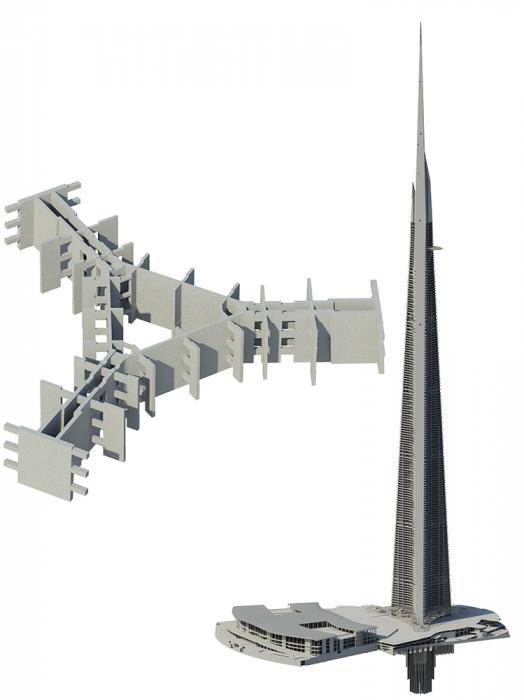
As the first human-made structure to reach 1 kilometer (3,280 feet) in height, the design of Jeddah Tower is truly a pioneering engineering achievement. First, we had to determine rational design wind loads at extreme elevations. Second, we had to control building movements, both lateral and vertical, over time. Third, our resulting structural system solutions had to be, above all, efficient and effective in their advancement of the ambitious architectural design. All easier said than done.
Simplicity was key for constructability ease. Also, since the building was so large, we wanted to use materials judiciously. Our tall-building experts worked peer-to-peer alongside AS+GG and RWDI, pairing innovation and experience with advanced computational structural modeling and extensive wind tunnel testing. The outcome? An unparalleled structural system organization that supports the world's tallest building-to-be.
See our unparalleled global portfolio of unique, cutting-edge skyscrapers
Architects Adrian Smith and Gordon Gill worked with our team, and they knew our firm’s proven history of supertall structural engineering. So when they asked us to help realize their vision for the tower’s unique shape – inspired by the folded fronds of a sprouting desert plant – we took the design as a challenge: to extend the state-of-the-art from not only the architectural design, but also structural and wind engineering of ultratall towers.
The relationship yielded an elegant design that handles high wind without sacrificing style. The three-legged plan, a continuously tapering vertical profile, and extremely efficient structural organization all combine to produce a remarkably well performing structure, as confirmed by the testing.
Concrete is king in the Middle East. So why not take advantage of Saudi Arabia’s local techniques to construct Jeddah Tower? We did just that, with an efficient concrete-based system that employs construction practices and concrete strengths common in the region.
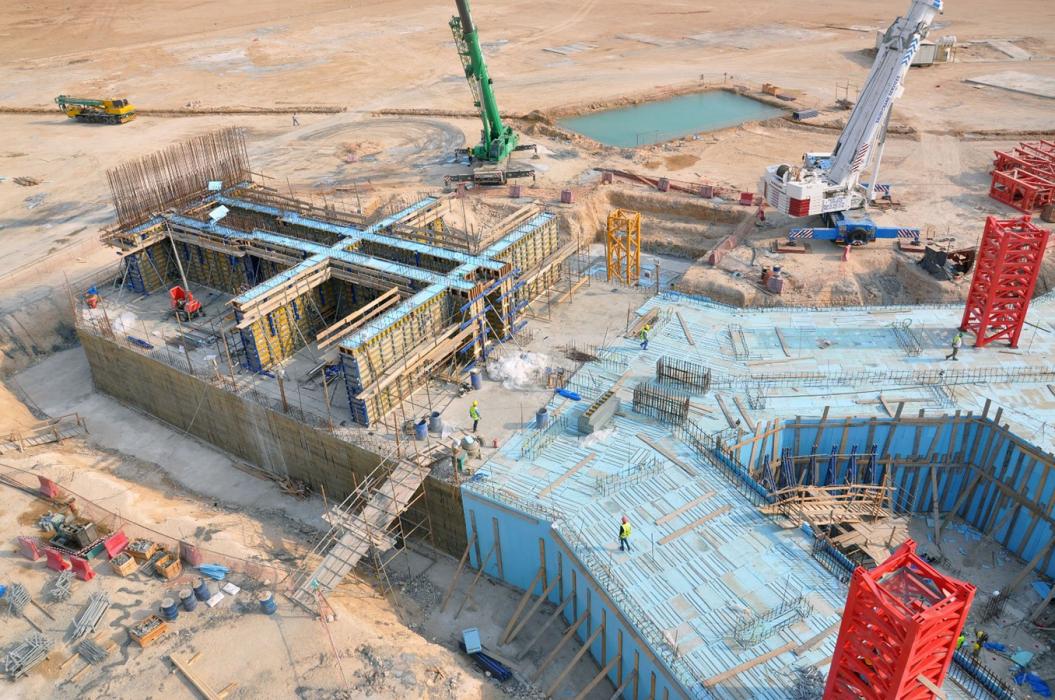
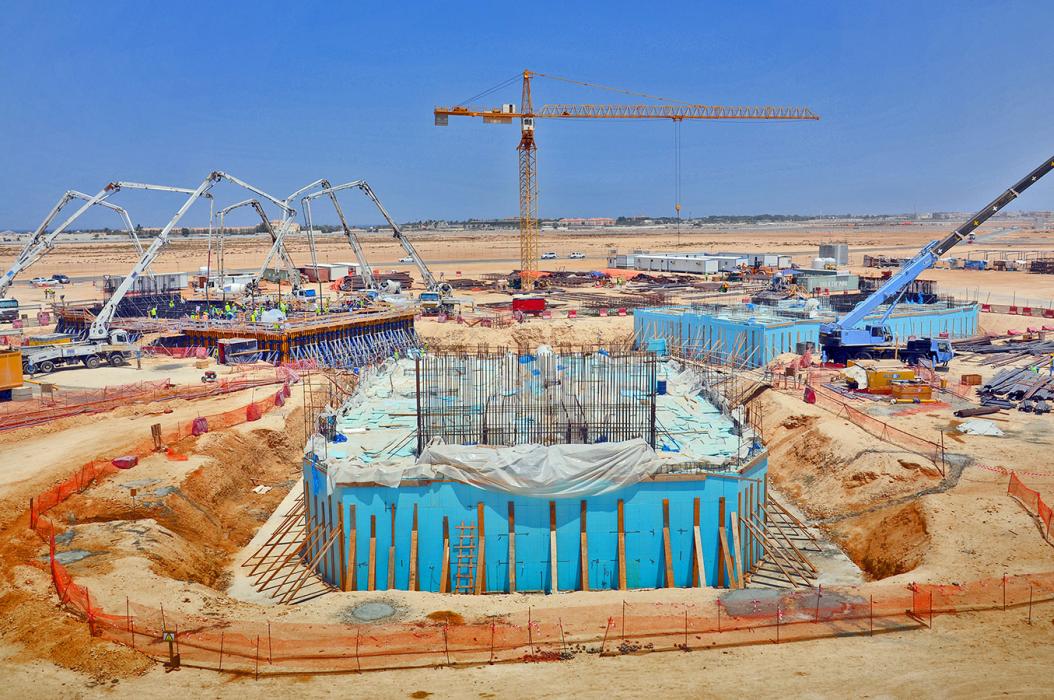
The structural system is simplicity itself – without columns, outriggers, floor beams, spandrel beams, and vertical transfers. Specifically designed to be built quickly and efficiently, all walls are interconnected, and each structural element resists both wind and gravity loads. Below, a massive concrete foundation system supports the weight of all that height – with a 5-meter thick raft foundation supported on 270 bored piles, each 1.8-meters in diameter, that go to depths up to 105 meters.
Rising out of the desert at an expected construction cost of $1.2 billion, Jeddah Tower is designed to redefine the global skyline. The 530,000-square-meter (5.7 million square-foot) engineering marvel will offer a premium mix of luxury hospitality, serviced apartments, high-end condominiums, and prestigious office spaces. More than just a standalone icon, the tower will serve as the commercial anchor for Kingdom City, a visionary $20-billion multi-use urban development.
As the world’s next tallest building, the tower continuously pushes the boundaries of architectural and vertical transport design. It will feature the world's highest human-made viewing platform, perched high above the clouds on the 157th floor. To seamlessly navigate this massive vertical span, state-of-the-art double-decker lifts will shuttle visitors and residents up to the observation deck at breathtaking speeds exceeding 10 meters (30 feet) per second.
Executing a project of this unprecedented scale required a sophisticated blend of cutting-edge innovation and human synergy. While advanced structural engineering software and digital integration were vital to defying extreme desert elements, technology was only half the equation. Ultimately, true catalyst for overcoming these immense logistical challenges was cross-disciplinary teamwork—the seamless collaboration between international architects, engineers, and construction specialists who breathed life into this vision.
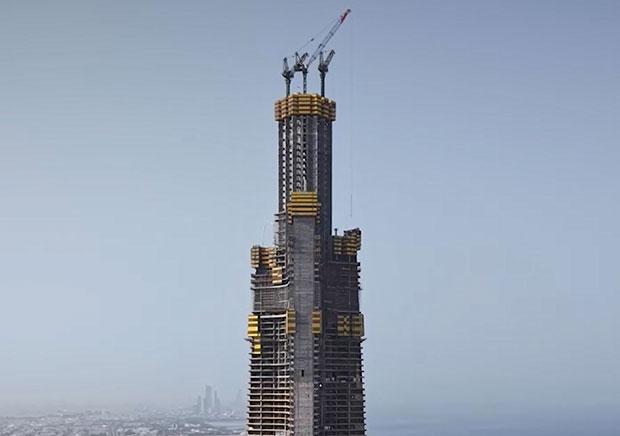
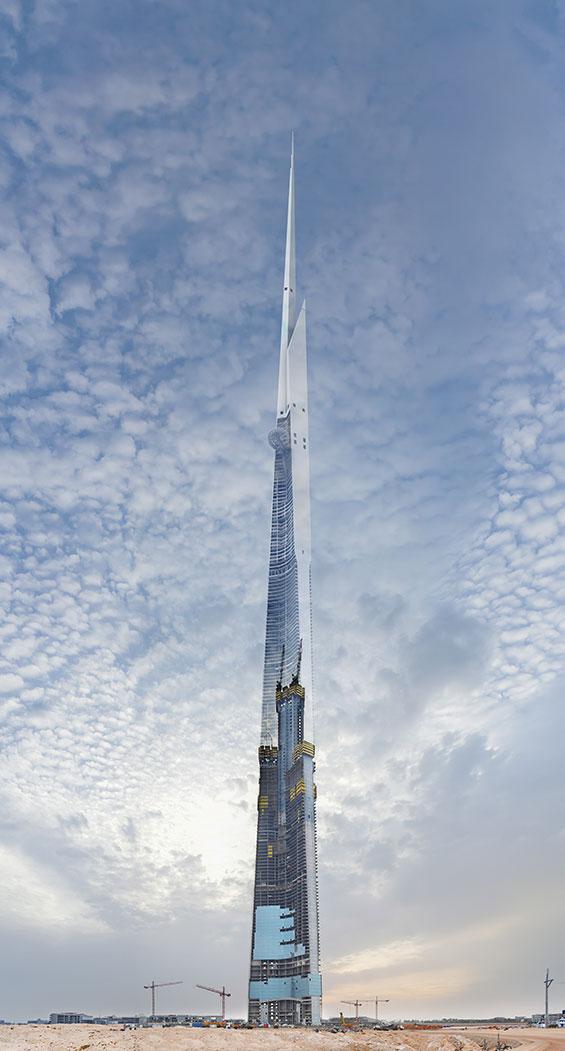 Construction progress, May 2026.
Thornton Tomasetti
Construction progress, May 2026.
Thornton Tomasetti

News
John Peronto Discusses Jeddah Tower in Newsweek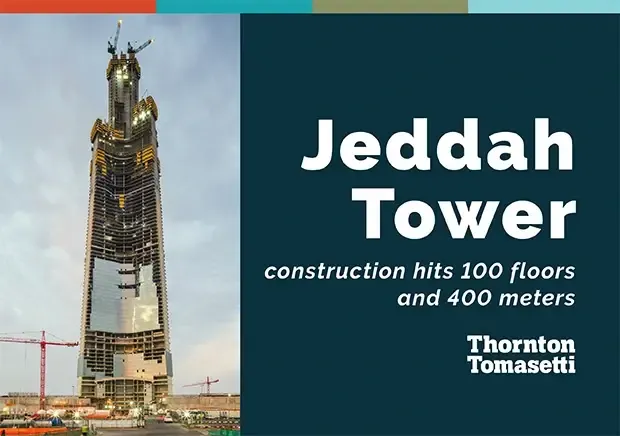
News
100 Floors Completed for Jeddah Tower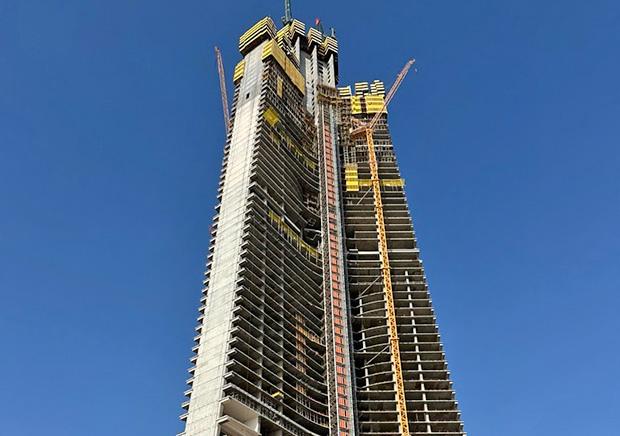
News
Jeddah Tower 2025 Progress