Steve Freihon/Related-Oxford
New York, New York
Global experience.
Regional perspective.
Local impact.
New York, New York
Australia

London, United Kingdom
Diriyah, Riyadh, Saudi Arabia
Geography played an inspiring role when the design teams met to build a new world-class soccer stadium on South Korea’s volcanic Jeju Island.

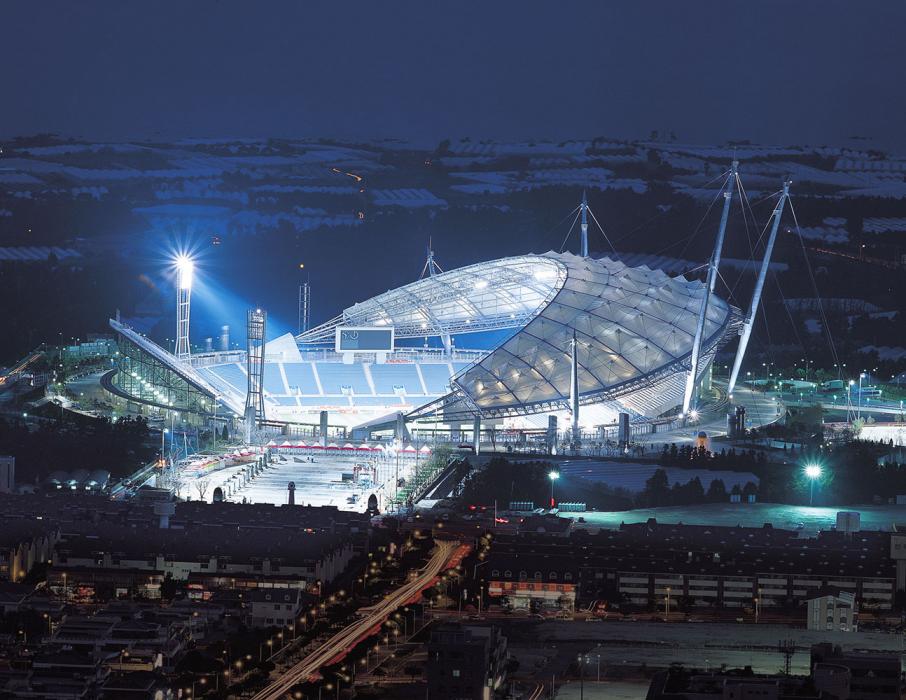
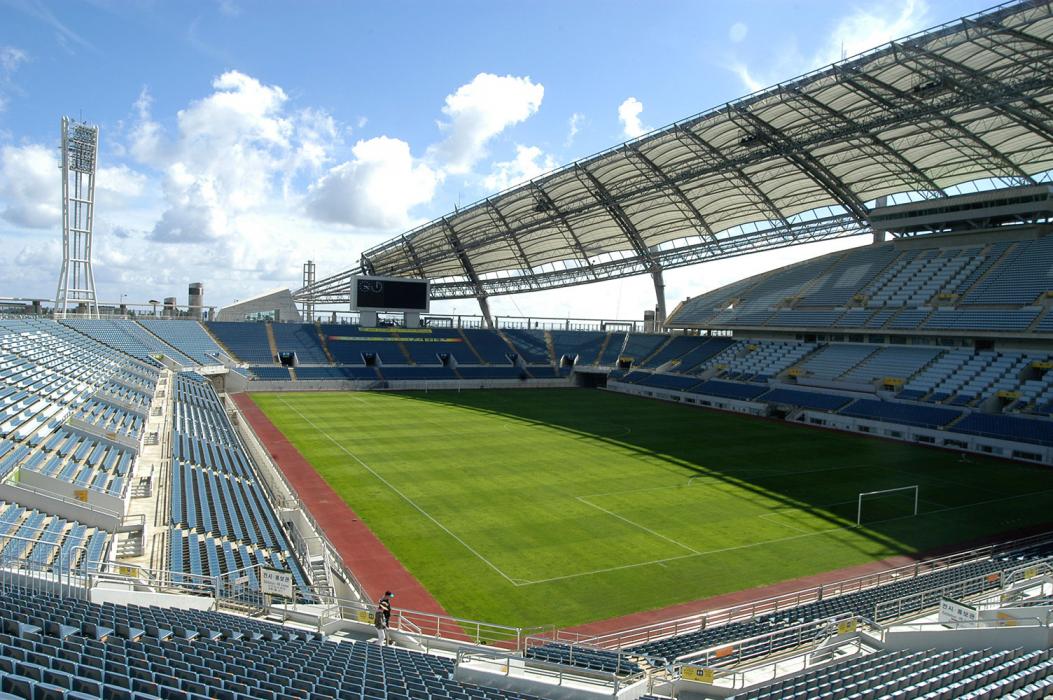
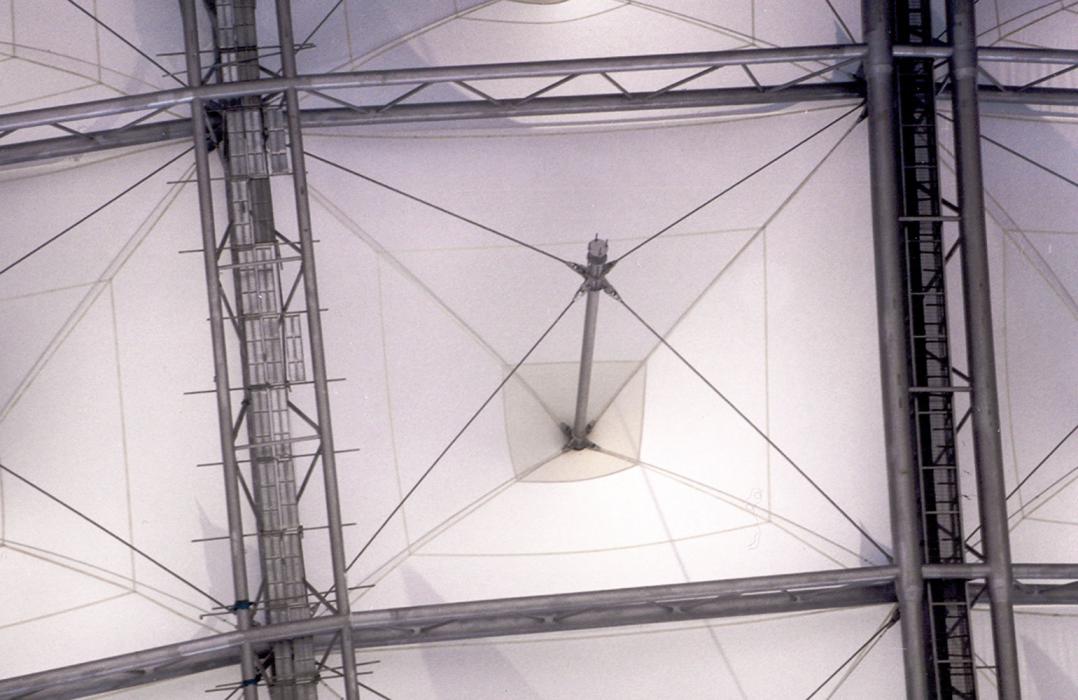
Geography played an inspiring role when the design teams met to build a new world-class soccer stadium on South Korea’s volcanic Jeju Island. The 40,000-seat Jeju World Cup Stadium’s shape is modeled after "orum”, the regional name for volcanic mounds and craters, while the fabric canopy roof resembles the sail of local fishing vessels. Situated on a gentle slope close to the South China Sea, the 40,000-seat stadium also employs a low structural profile to avoid marring the landscape or obstructing natural views of nearby mountains and islands. The stadium opened in 2001.
We provided structural design services to Ilkun Architects for this sports facility that hosted three games during the 2002 FIFA World Cup.