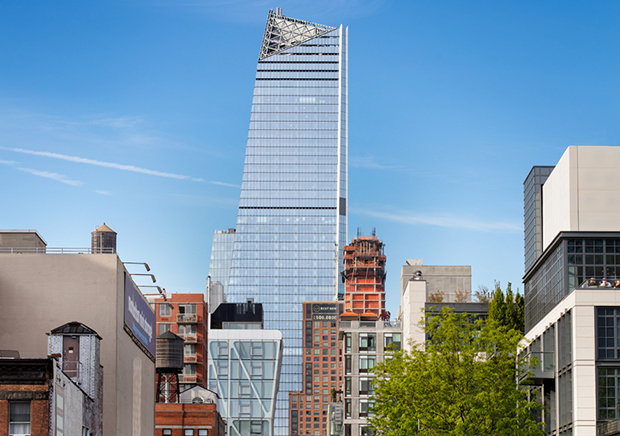
Steve Freihon/Related-Oxford
New York, New York
Global experience.
Regional perspective.
Local impact.
New York, New York
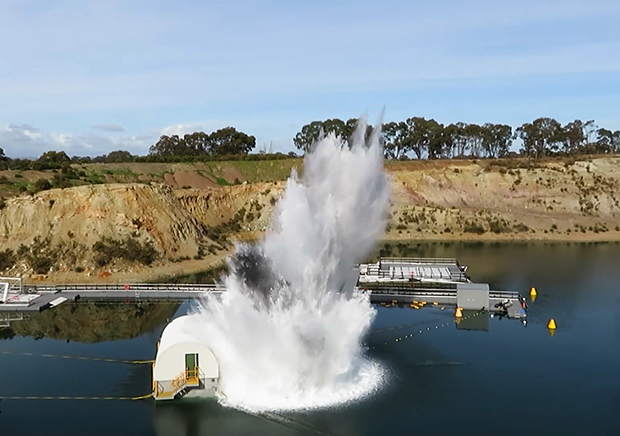
Australia

London, United Kingdom
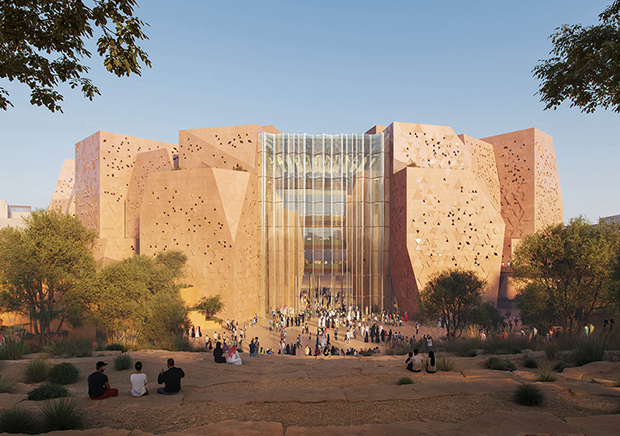
Diriyah, Riyadh, Saudi Arabia
Nuclear energy is one of the most powerful and reliable energy sources in the world. It has also been one of the most misunderstood.
That tension matters now because the global energy conversation is changing. Energy demand is increasing. Data centres need reliable power. Industrial facilities need energy security. Critical infrastructure needs resilience. Electrification is placing new pressure on power supply. At the same time, owners, governments, and communities are trying to decarbonise without creating new vulnerabilities. That is why nuclear is becoming harder to ignore.
The question is not whether nuclear is the entire answer. It is not. No single energy source is. The better question is: what role should nuclear play in a balanced, reliable, and lower-carbon energy future?
Key Takeaway: As energy demand grows from data centres, electrification, industry, and critical infrastructure, nuclear is re-entering the conversation as a reliable, firm part of a balanced energy mix. The opportunity is not just building new nuclear power, but planning for resilience, regulation, decommissioning, and long-term value across the full asset life cycle.
Nuclear is often discussed as a sector. But in many ways, it is an enabler. Data centres. Industry. Defence. Healthcare. It enables critical national infrastructure. It supports the systems that need power not only when conditions are ideal, but continuously.
That matters because many of the fastest-growing energy users cannot rely on intermittent supply alone. Data centres, mission-critical facilities, high-hazard industries, and essential infrastructure require high levels of reliability. They need energy that is available around the clock. Nuclear provides that kind of firm, reliable power.
It is highly reliable, energy-dense, and capable of supporting long-term energy security. It also has a role to play in climate action because it can provide large-scale power without the operational carbon profile of fossil-fueled generation. But nuclear also comes with complexity. It requires public trust, regulatory confidence, technical rigour, life cycle planning, and a clear understanding of risk.
Nuclear is a charged topic because public perception has been shaped by major events: Chernobyl, Three Mile Island, and Fukushima. Those disasters should not be dismissed by any means, but public perception is often incomplete.
Nuclear has a long operating history, and the industry is highly regulated and safety focused. Yet the conversation often centres on fear, waste, and liability rather than reliability, resilience, and the role nuclear can play in a lower-carbon energy system.
Engineering can help reframe the conversation by grounding it in evidence and full life cycle thinking.
That means asking better questions. What problem are we trying to solve? Is the issue energy security, decarbonisation, industrial growth, data centre demand, defence readiness, climate resilience, or long-term asset value? What are the regulatory implications? What are the social implications? What are the risks, and where are the opportunities?
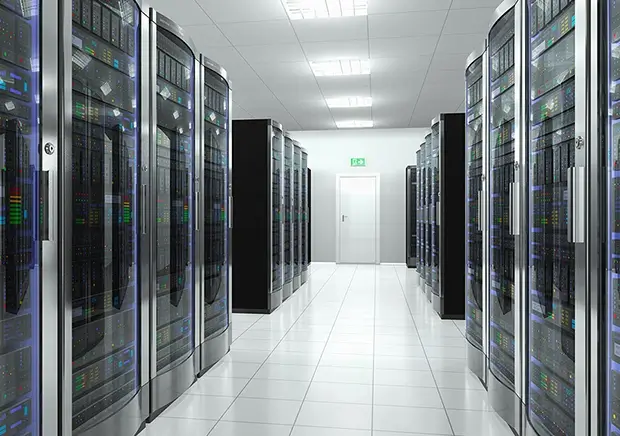
Yes. Nuclear plants can supply firm electricity to data centres directly or through the grid, although commercial, regulatory, transmissio,n and siting arrangements determine how individual projects are structured.
AI computing, cloud services, and other digital workloads are increasing both computing capacity and power density. The IEA projects global data-centre electricity consumption to more than double between 2024 and 2030.
Nuclear generation produces very low operational greenhouse-gas emissions and is generally classified as a low-carbon electricity source. Lifecycle impacts still need to account for construction, fuel-cycle activities, and decommissioning.
Small modular reactors, or SMRs, are nuclear reactors designed with smaller unit capacities and greater use of modular manufacturing and construction approaches than conventional large reactors. They are being explored for grid, industrial, and potentially data-centre applications.
Design decisions influence future dismantling, waste volumes, access, material handling and site reuse. IAEA guidance recommends considering decommissioning throughout the facility lifecycle, beginning with planning and design.
Resilience is not just having enough energy. It is having reliable energy when it matters most.
Across the world, owners and operators are dealing with rising energy demand, grid constraints, external shocks, climate-driven stresses, and increasing dependence on power-intensive systems. Outages, energy volatility, and supply uncertainty are no longer abstract concerns for organisations running critical assets.
Nuclear is not a silver bullet, but it can be part of a balanced energy mix that gives owners more resilience. The opportunity is not just to ask whether nuclear can produce energy. It is to ask how nuclear can support a broader strategy for energy supply, energy demand, resilience, and decarbonisation.
One of the most overlooked parts of the nuclear conversation is decommissioning. That needs to change.
Many legacy nuclear facilities were built in a different era, for a different set of priorities. They were impressive technical achievements, but they were not always designed with today’s expectations for waste, reuse, sustainability, resilience, or end-of-life planning. That leaves future generations with a responsibility: understand what exists, manage the risk, and apply the lessons to what comes next.
Decommissioning is not separate from climate action. It is part of it. It is where legacy risk, environmental responsibility, technical judgement, and future planning meet. The lessons from decommissioning should inform new build: how reactors are designed, how buildings are configured, how materials are selected, how waste is managed, and how facilities can be adapted, reused, or decommissioned more effectively in the future.
A nuclear facility should not be treated as a single lifespan. With the right planning, it can be understood across multiple phases: design, operation, adaptation, reuse, and decommissioning.
That full life cycle view is where owners can reduce long-term risk and create more durable value.
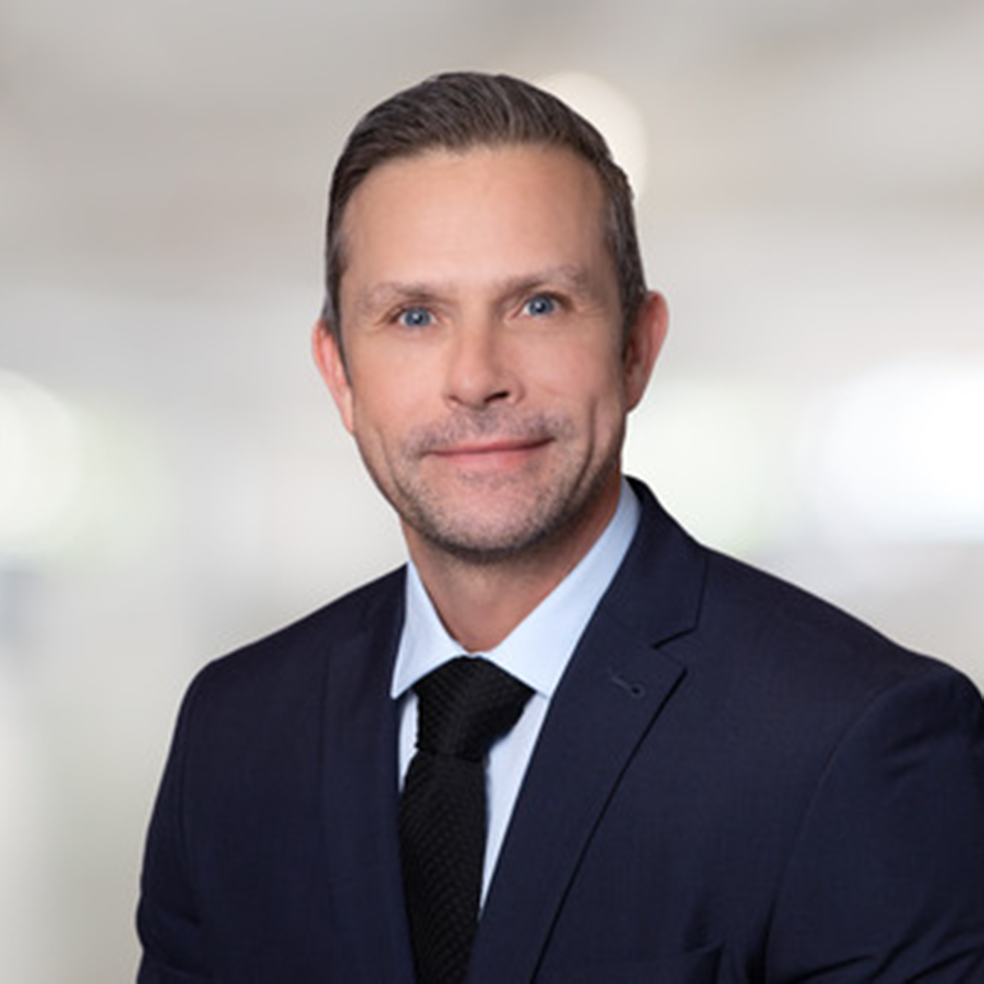
“In nuclear and complex energy projects, the question a client starts with is not always the question they ultimately need answered. Our role is to look beneath the surface, understand the facility, the regulation, the risk, and the life cycle impacts, and help them see the problem clearly enough to make a better decision.”
The future of nuclear is not only about new technology. It is about learning from existing facilities and applying those lessons earlier. That means taking knowledge from the back end of the life cycle and bringing it to the beginning. This is especially important as the nuclear landscape changes.
Reactors may not only be located on traditional nuclear-licensed sites. New approaches may support industrial facilities, data centres, and other energy-intensive users. New construction methods, modularisation, advanced materials, AI-supported inspection, autonomous systems, and improved modelling can all change how nuclear facilities are designed, assessed, and maintained.
But innovation should not mean rushing past risk.
It should mean understanding risk more clearly, reducing it more intelligently and designing facilities that can perform safely over time.
Reducing risk in nuclear, defence, or complex energy facilities starts with a simple discipline: asking why. Why is this the problem? What comes before the solution? What question are we actually trying to solve? What impact does this have on regulation, society, safety, resilience, and long-term value?
That matters because nuclear projects are rarely only technical. They sit at the intersection of engineering, regulation, public trust, energy policy, safety culture, and asset performance.
A narrow answer can miss the real issue. A better approach brings together technical expertise from across disciplines: structures, applied science, sustainability and resilience, defence, energy, materials, modelling, analytics, and regional experience. It also brings lessons from other sectors and geographies.
One size does not fit all. The goal is not a perfect theoretical solution that creates new complexity. The goal is a safer, clearer, and more useful path forward for the actual facility, client, and regulatory environment.
Need a clearer path forward on nuclear or energy resilience? Talk to our team about your project.