Steve Freihon/Related-Oxford
New York, New York
Global experience.
Regional perspective.
Local impact.
New York, New York
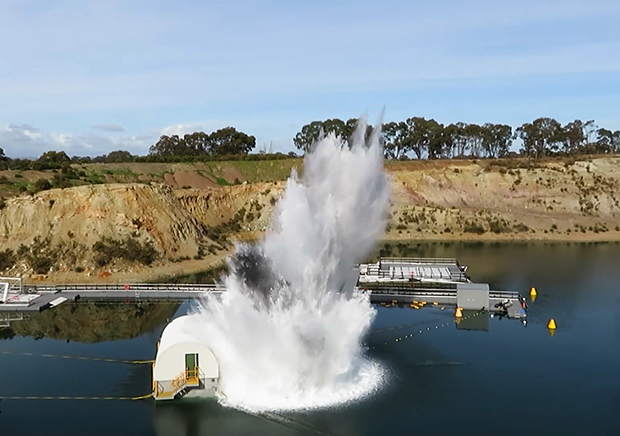
Australia
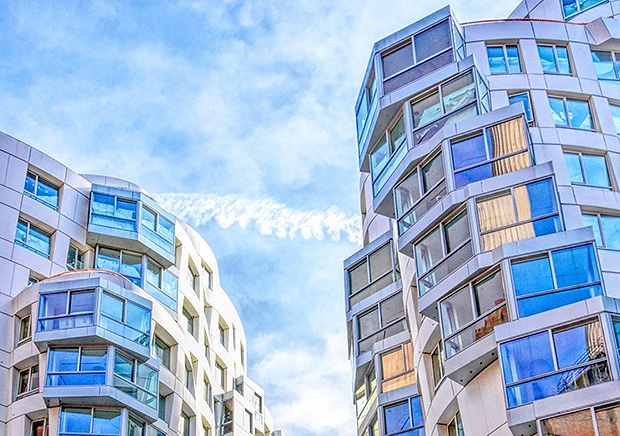
London, United Kingdom
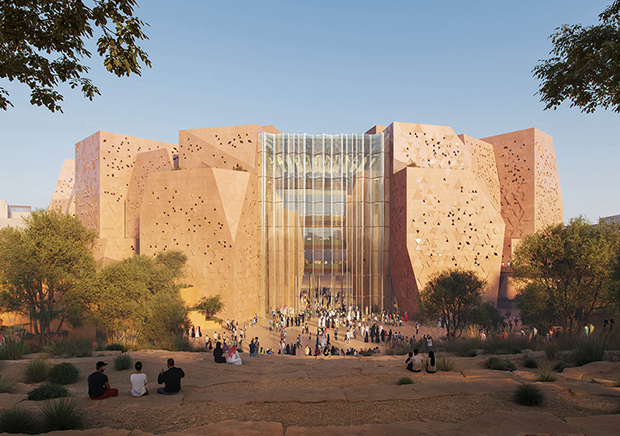
Diriyah, Riyadh, Saudi Arabia
Structural renewal and flood-resilience planning are extending the life of a major New York City wastewater facility beneath Riverbank State Park.

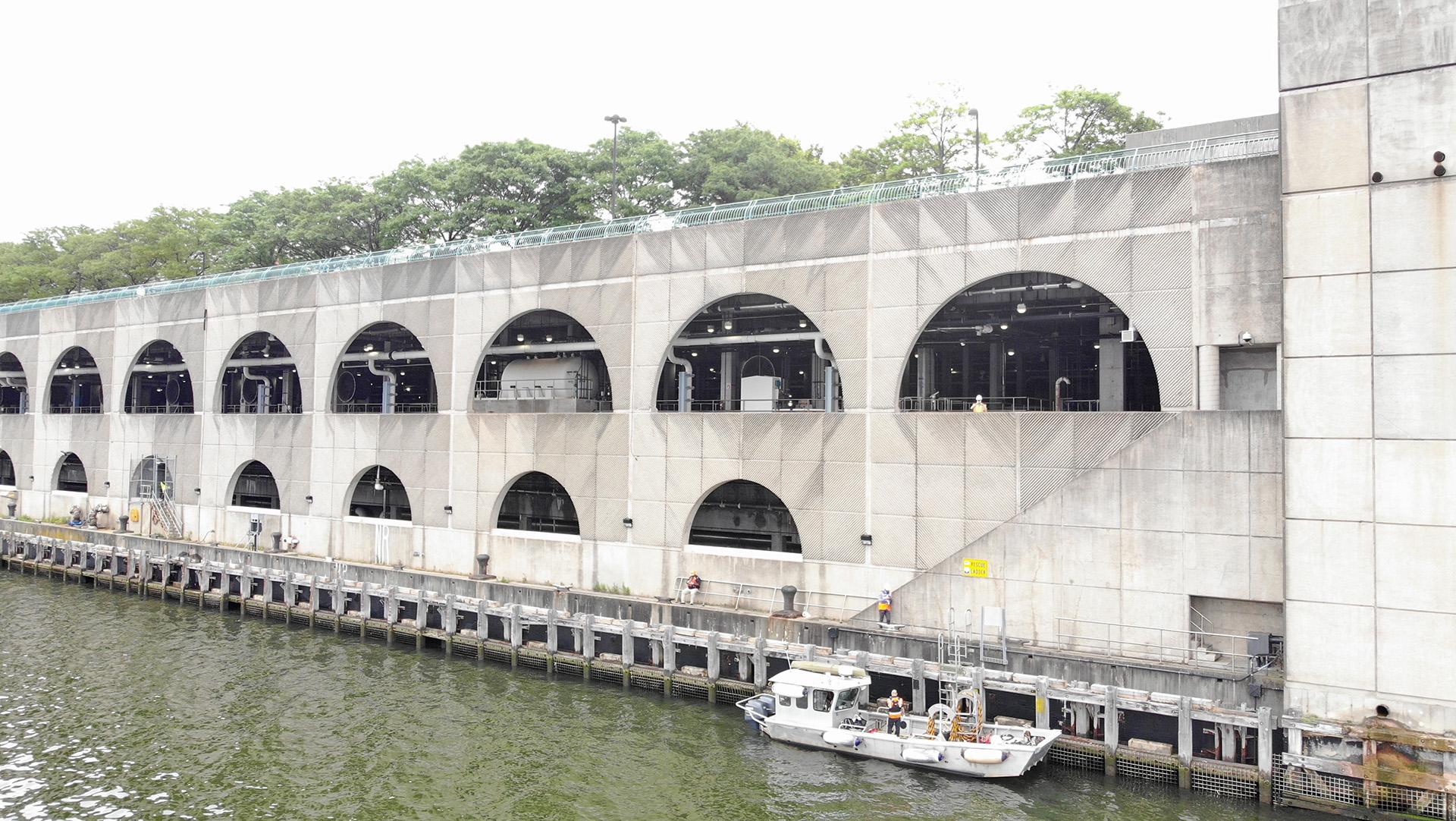
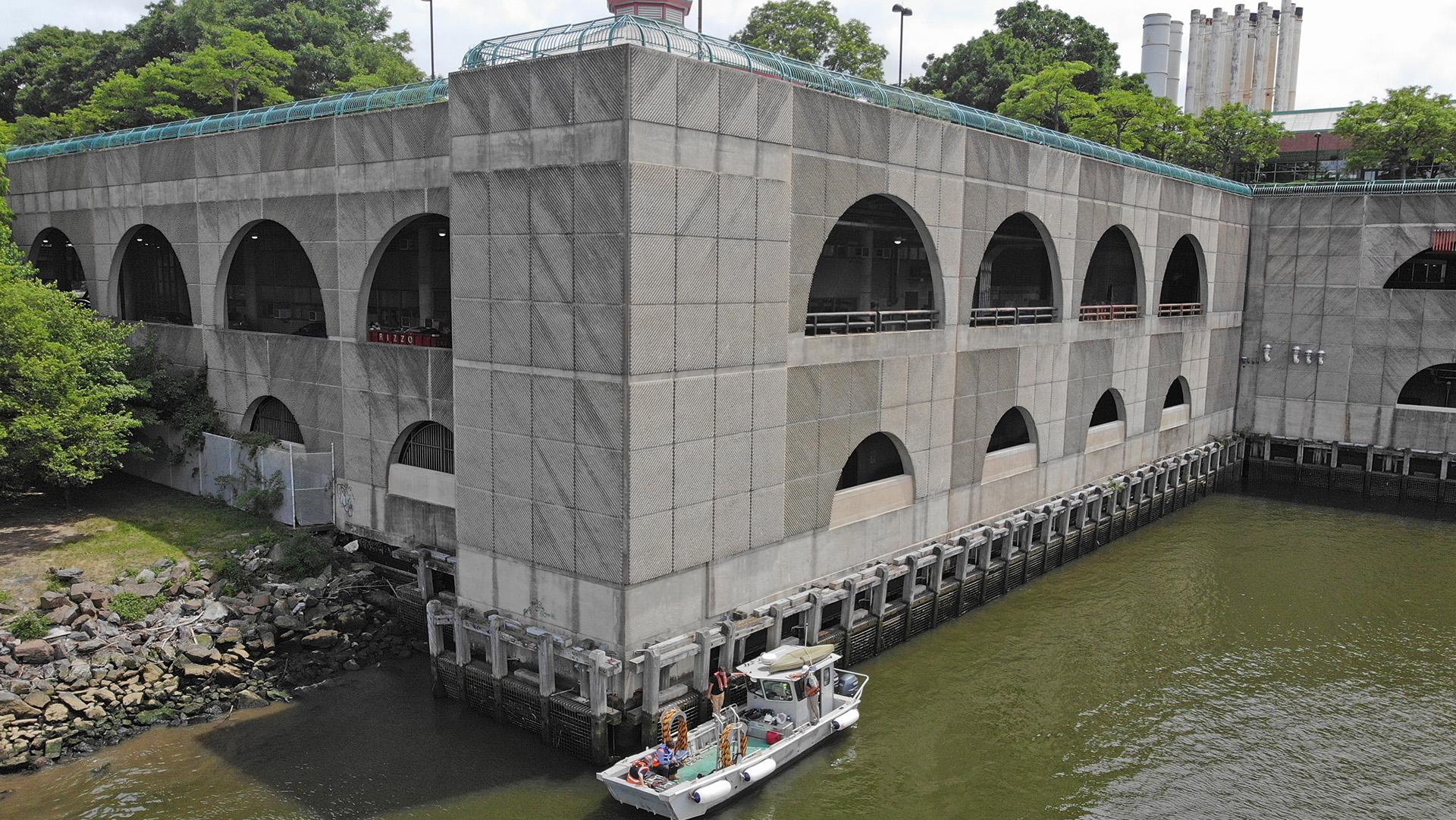
The North River Wastewater Resource Recovery Facility sits along the Hudson River and ranks among the New York City Department of Environmental Protection’s largest wastewater facilities, treating about 125 million gallons per day in dry weather. Riverbank State Park spans the full 28-acre complex above, supported by more than 2,200 caissons embedded into bedrock in the river. This relationship makes the facility critical to both city infrastructure and the public realm above it.
Originally completed in 1986, the facility faced aging concrete, steel, and expansion-joint systems, along with an undersized drainage system and leaks that created difficult working conditions for plant operators and disrupted efficient operations. Thornton Tomasetti provided structural design and flood-resilience value engineering services to help extend the facility’s life and improve its safety and reliability.
Our team conducted an in-depth, facility-wide assessment of existing conditions across the treatment plant. The work combined visual inspections with nondestructive and physical testing of concrete and steel elements, interior structural expansion joints, and roof structural members and joints that support both the facility and the park above.
The broader planning effort included existing-data and as-built reviews, site verification, laser surveying, 3D/4D modeling, and preparation of existing-conditions, facility-plan, and basis-of-design documentation. This work documented existing conditions, verified the facility’s structural needs, and informed ongoing rehabilitation design.
Based on the findings, we developed rehabilitation and replacement details to address observed deficiencies, improve durability, and maintain serviceability for the complex system supporting the park, process structures, and accessways. We also provided structural engineering design services for improvements identified through the assessment and planning process.
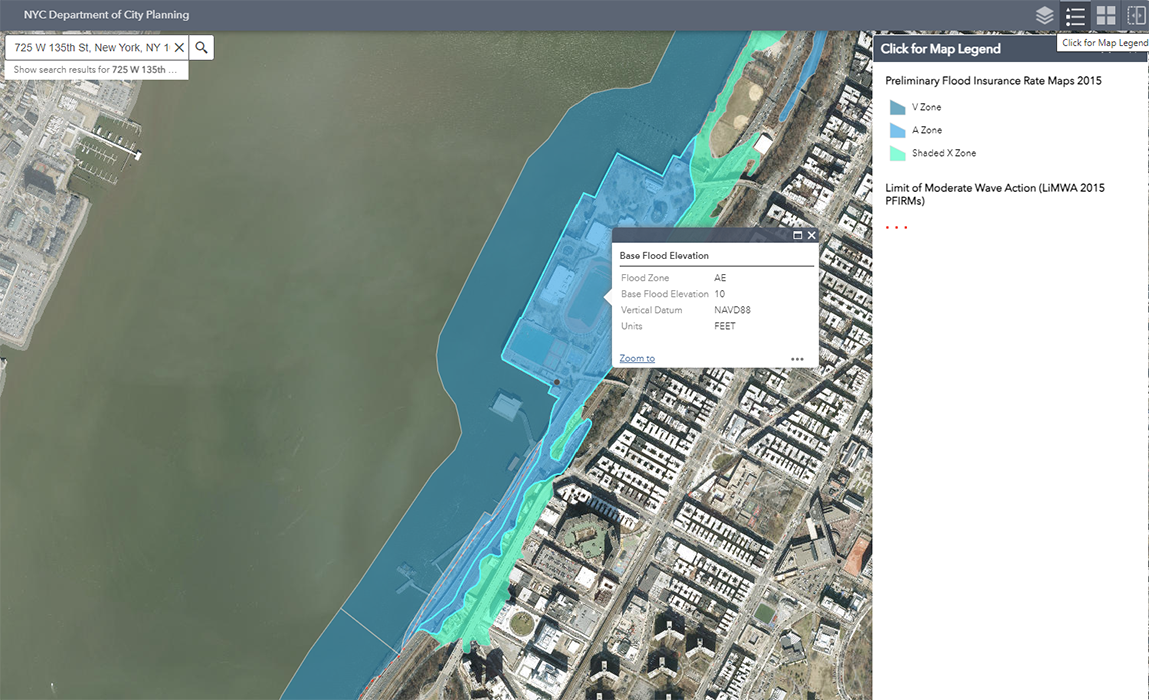
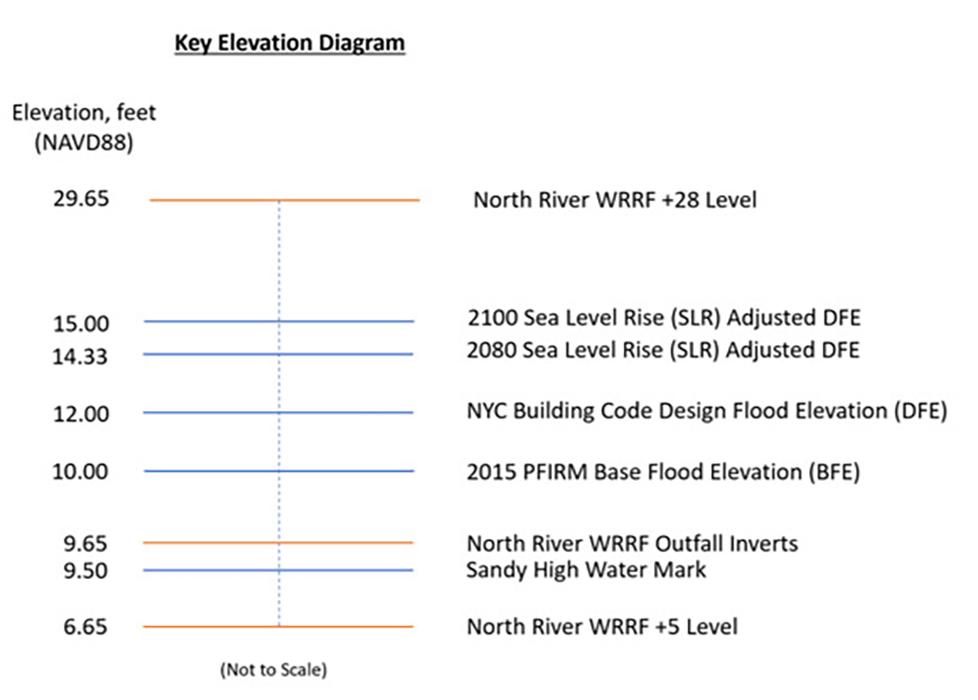
Thornton Tomasetti also delivered flood-resilience value engineering under a separate resilience-focused effort. Our team reviewed the civil engineering design for the roof deck and plantwide drainage systems, evaluated whether the drainage infrastructure had sufficient capacity for projected heavy-precipitation events, and assessed backflow-prevention needs in light of anticipated sea-level rise and site flood elevations.
Together, these analyses and design services provide a roadmap for targeted structural repairs, drainage upgrades, and flood-mitigation measures. The work will help reduce leaks, improve working conditions for plant staff, and support more reliable operations during future extreme weather.