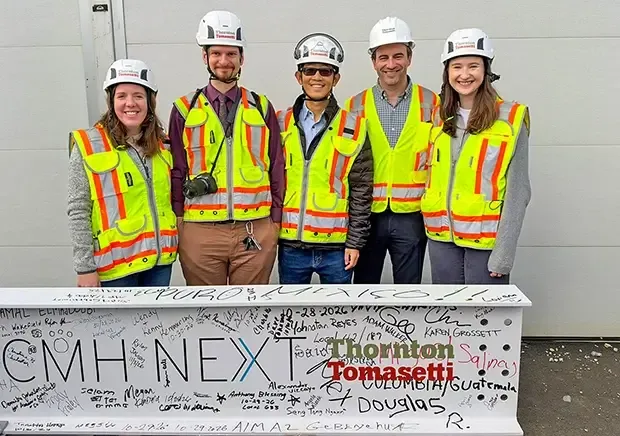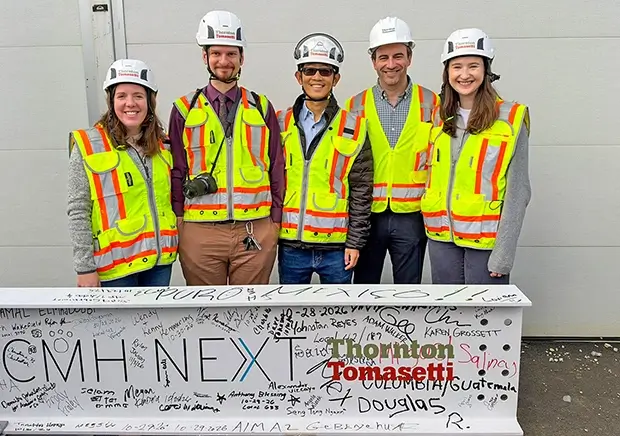

Construction of John Glenn Columbus International Airport's new passenger terminal reaches a major milestone, featuring innovative structural and façade design for the 1-million-square-foot facility.
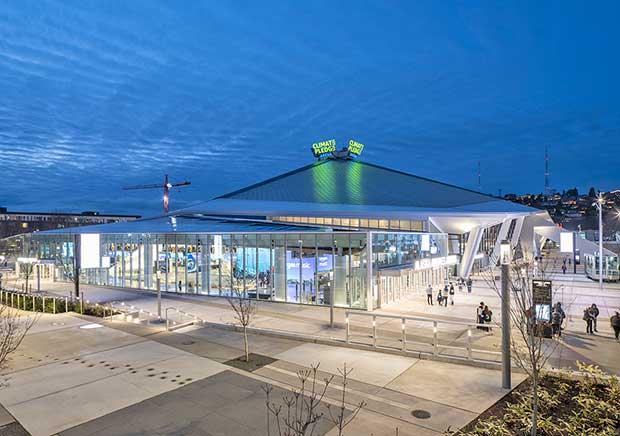
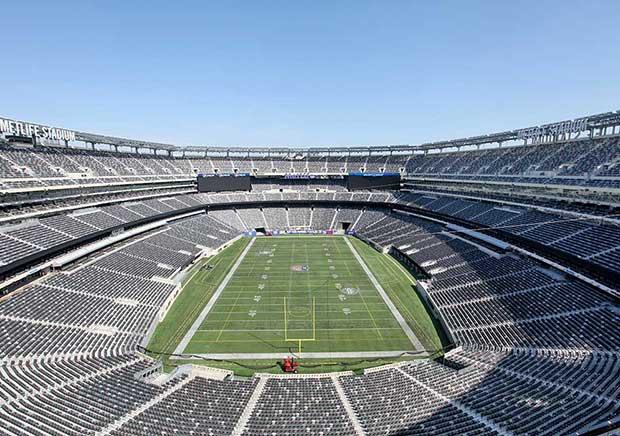
The total transformation of the venue serves as a structural engineering benchmark for existing building renovations in high seismic zones and demonstrates what can be accomplished with modern design and analysis techniques.
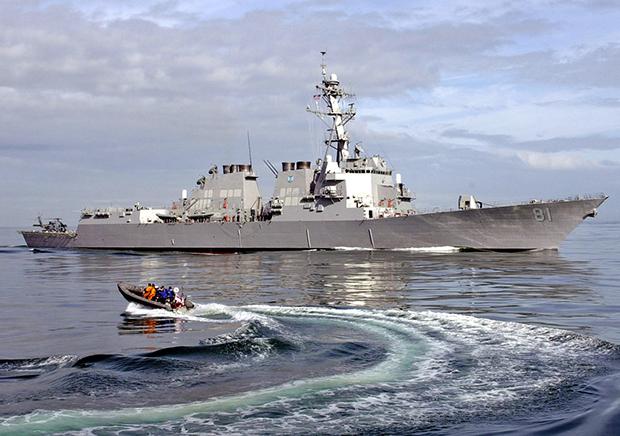
The current paper presents the results of a ship impact study conducted using various analytical approaches available in the literature with the results obtained from detailed finite element analysis. Considering a typical container vessel impacting a rigid wall with an initial speed of 10 knots, the study investigates the forces imparted on the struck obstacle, the energy dissipated through inelastic deformation, penetration, local deformation patterns, and local failure of the ship elements.
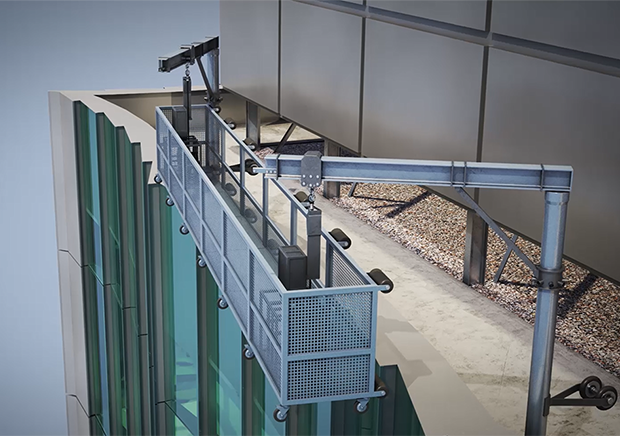
Understanding the requirements of davit arms and suspension maintenance platforms is paramount to designing functional façade access equipment programs.
With the built environment responsible for more than 40% of global annual CO2 emissions through embodied carbon and operations, our Here’s How Embodied Carbon podcast series focuses on our progress, current challenges and the opportunities ahead.
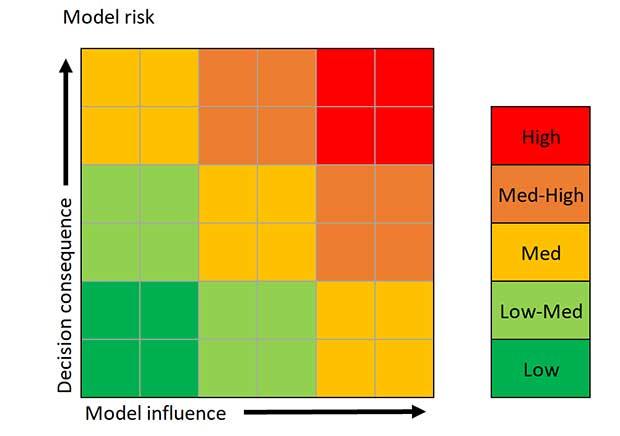
Released late last year, the FDA Center for Devices and Radiological Health’s pivotal guidance document will enhance the integration of computational modeling and simulation in medical device submissions.
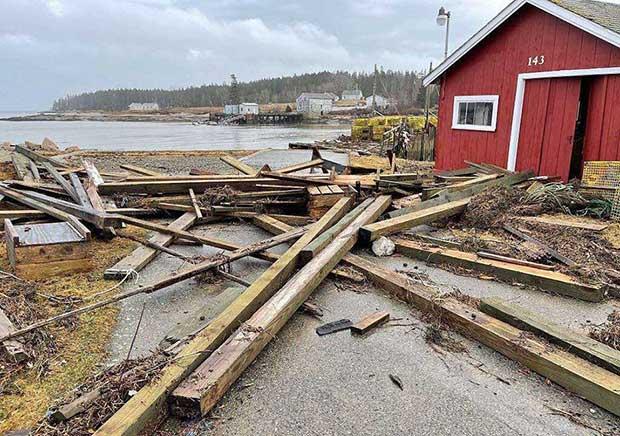
Extreme weather has long fostered self-reliance within Maine communities. January's storms highlighted this strength and provide an opportunity to rebuild even stronger and ensure Maine's coastline remains a beacon of resilience.