
R&D and technology play an essential role in our firm. We invest in constant learning, testing and innovation. That uniquely positions us to solve our clients’ most difficult problems.
Innovation EngineOur CORE groups manage our research and development efforts, from incremental efficiency improvements to solving some of the most challenging engineering problems of our time.Learn More
Innovation OutputWe believe collaboration amplifies our innovation potential and creates connections that lead to better, more imaginative solutions for our clients.Learn More
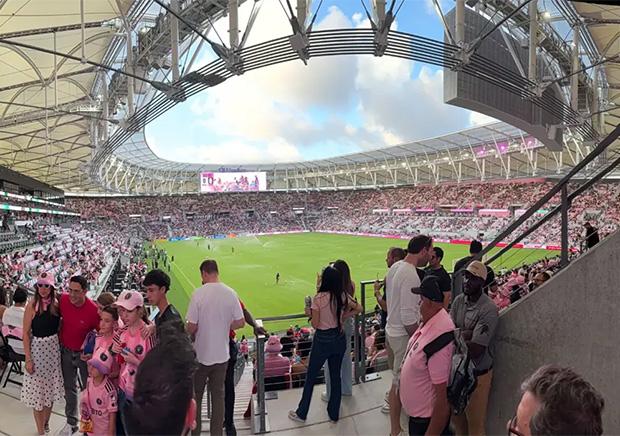
What makes a stadium work for soccer? Jeroen Janssen explores how sightlines, roof design, pitch conditions and venue adaptability influence players, fans and the atmosphere of the game—especially as FIFA World Cup 2026 brings a wide range of stadium types into focus.
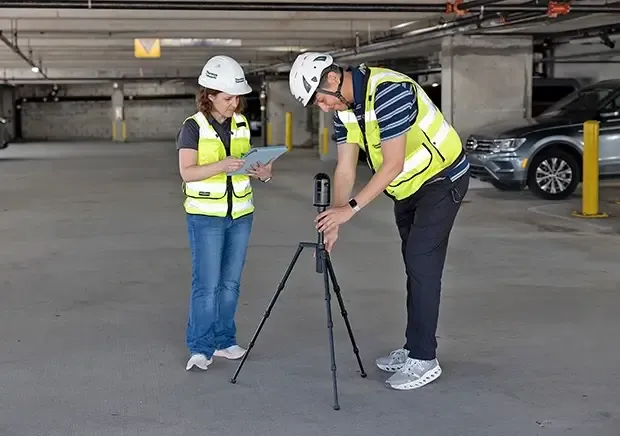
Thornton Tomasetti’s recommendations are shaping new NYC FISP rules—introducing clearer definitions, a six-year cycle, and expanded use of drones and emerging technologies.
Hailstorms cause billions of dollars' worth of damage to roofing systems, with materials like shingles, metal, tile and solar panels facing risks like cracking or denting. Our hailstorm damage forensics team uses advanced tools to assess damage and recommend resilient materials and prompt inspections for effective repairs and insurance claims.
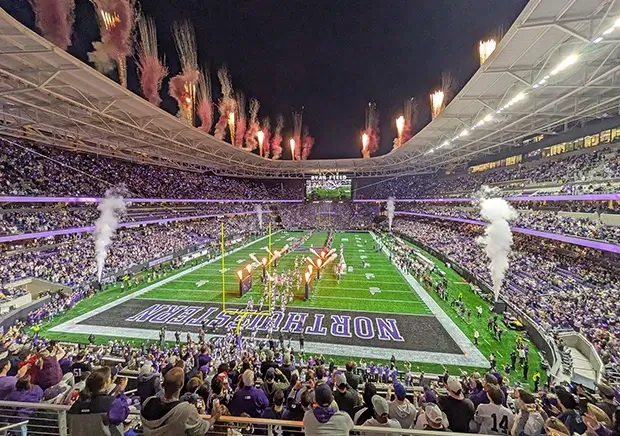
The new Ryan Field tops out in Evanston, Illinois, advancing accessible, sustainable and community-centered design for next-generation collegiate venues.
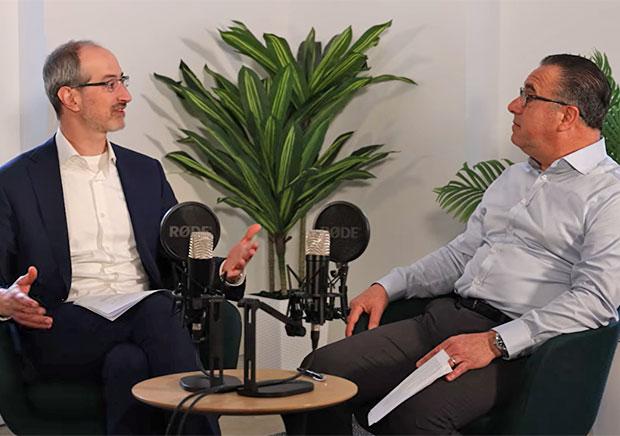
The collaboration underscores Thornton Tomasetti’s commitment to advancing computational design and the work of CORE Studio in driving innovation across AEC technology.
The Terrorism (Protection of Premises) Act 2025, better known as Martyn’s Law, introduces a new legal duty for U.K. venues and publicly accessible locations. For those operating in the built environment from sports and public assembly venues to cultural and community institutions, retail destinations and transport hubs, the implications are wide-ranging.