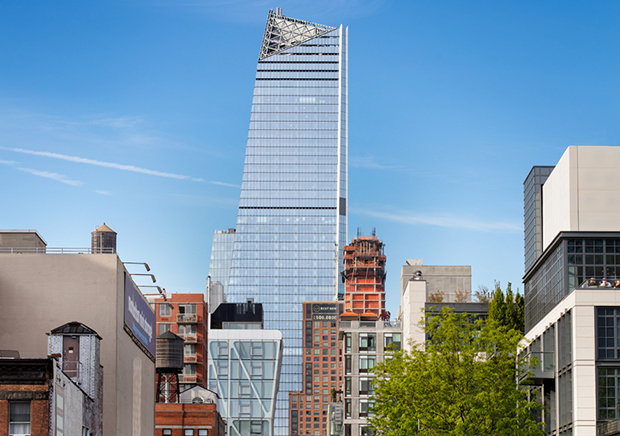
Steve Freihon/Related-Oxford
New York, New York
Global experience.
Regional perspective.
Local impact.
New York, New York
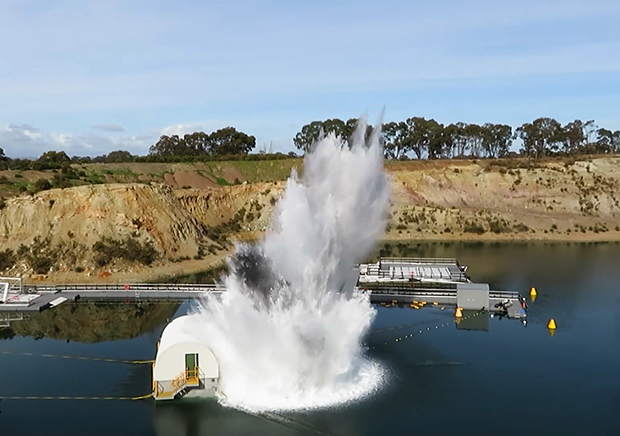
Australia
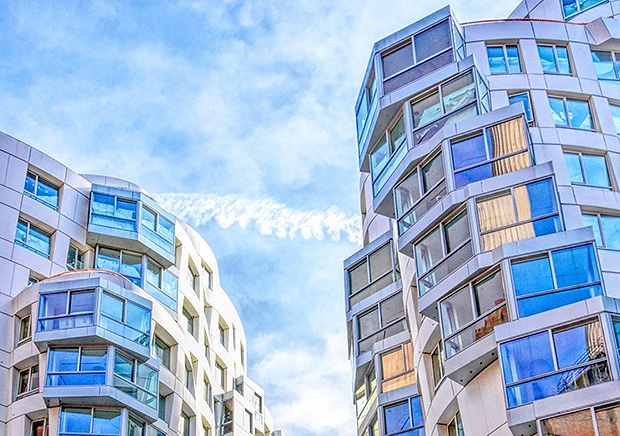
London, United Kingdom
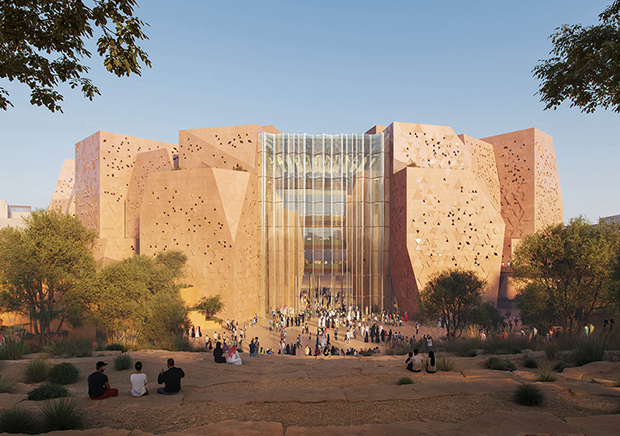
Diriyah, Riyadh, Saudi Arabia
This high-performance tower transformed a parking lot into a transit-oriented development that layers public space, a column-free civic hall, and flexible workspaces.

CVU Awards, Award of Excellence - Structure Award, 2026
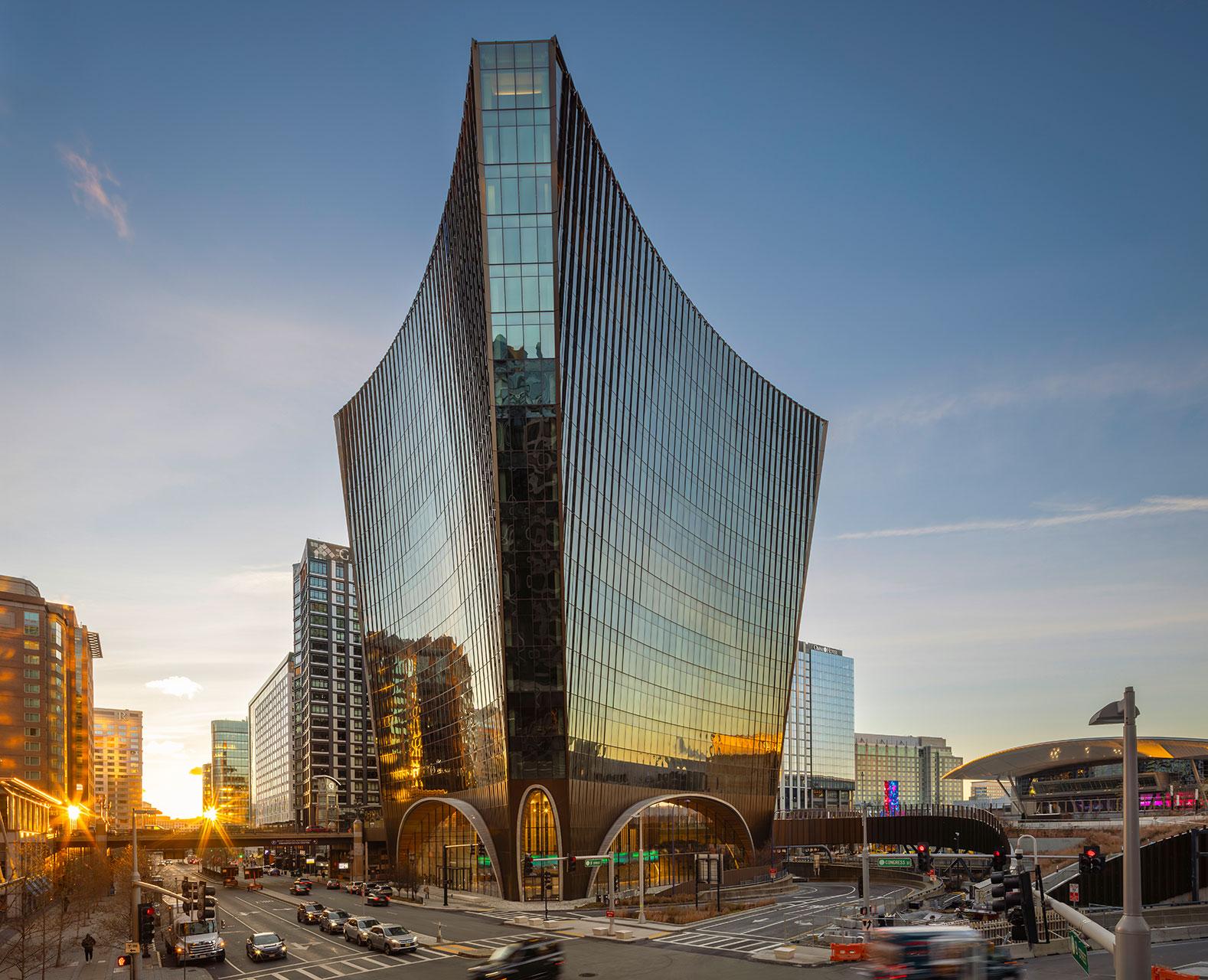
What if the most valuable square footage in a dense city isn’t inside a building but in the exterior space it creates? That question helped shape the design of 10 World Trade.
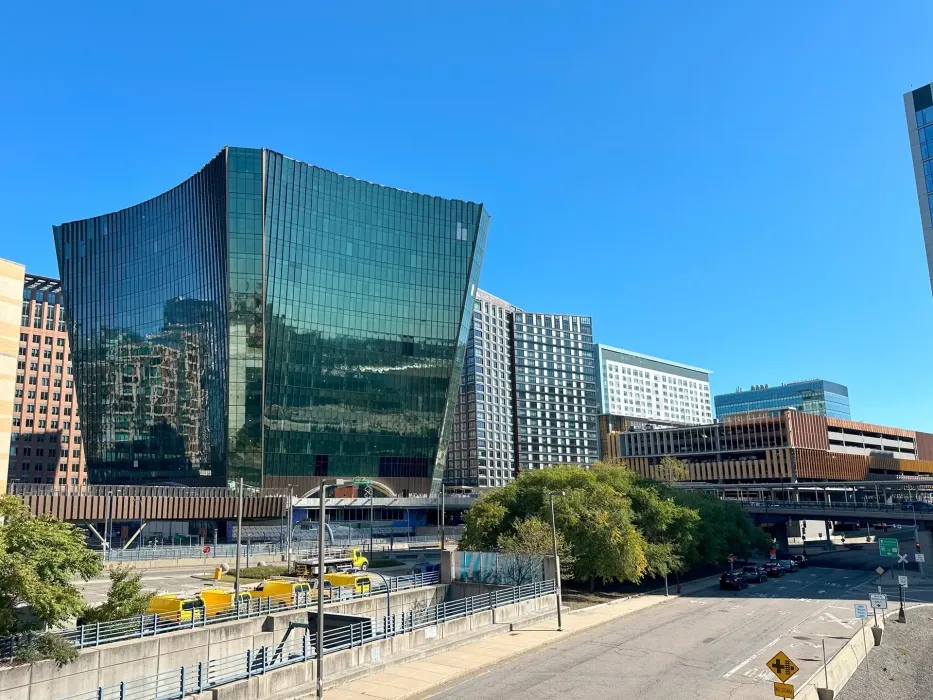
Located in Boston’s Seaport District, this 550,000-square-foot development brings together life-science labs, offices, cultural programming, and public space. More importantly, it redefines how a building can contribute to the city around it.
Part of a broader plan to transform 23 acres of surface parking into a mixed-use neighborhood, the project replaces underutilized land with a compact, transit-oriented destination that prioritizes both performance and public life.
Thornton Tomasetti performed structural design, vibration control, and construction engineering for the 17-story building.
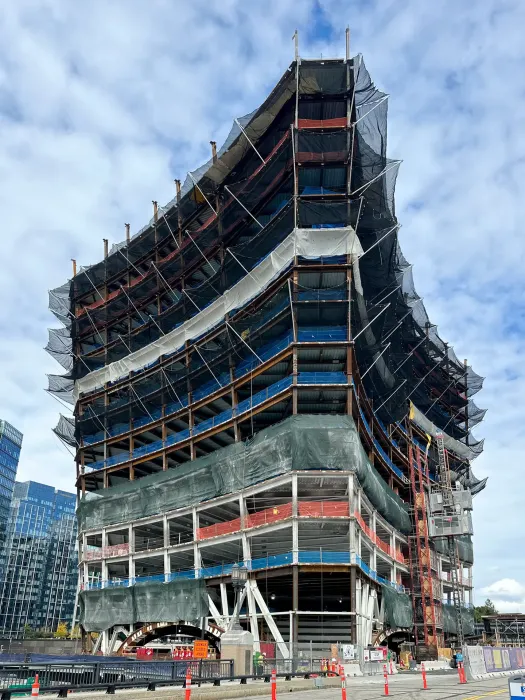
At the heart of the project is a structural strategy that creates space rather than consuming it. Sculpted steel arches define a column-free Great Hall at street level, opening the ground plane to light, movement, and visibility. The arches extend to the four corners of the building, transferring the building’s loads around the MBTA Silver Line tunnel, which runs directly beneath the building footprint.
The Great Hall connects Congress Street to the elevated World Trade Center Avenue, drawing people through the site rather than around it. Above, a rooftop park, cultural space, and pedestrian bridge extend the connectivity, transforming the base into a vertically layered public realm.
The site presented a familiar set of urban challenges – tight boundaries, nearby roads, transit infrastructure, and significant grade changes. Instead of working around these limitations, the design takes full advantage of them: angled arch supports vary across each elevation, responding to their surroundings while opening up space below. This approach changed what could have been a constrained footprint into a lively, multilevel space that connects with the city on all sides.
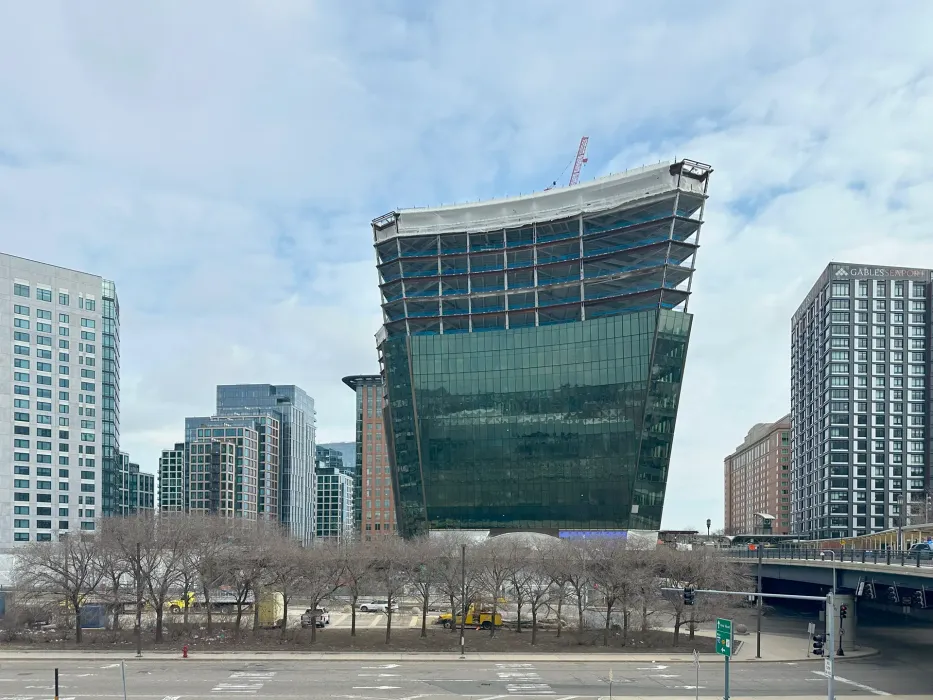
While the base is structurally complex, the tower above it is intentionally rational. A regular steel frame supports flexible, efficient floor plates tailored to demanding life-science and office specifications.
Levels 3 through 10 accommodate vibration-sensitive lab environments, while levels 11 through 16 house office space. A rooftop health club and running track add a wellness layer at the top. Throughout the development, the design meets performance criteria without sacrificing adaptability.
The building’s curved façade required careful coordination: each floor edge adjusts to a continuously shifting contour to align with the exterior wall and building systems, while perimeter columns are sloped and skewed to align with the curtain-wall mullions.
Structural design and construction engineering were developed in tandem from the project’s outset. We partnered with Walters Group to implement a Tekla-based Advanced Project Delivery (APDTM) approach that united analysis, detailing, and fabrication into a single digital workflow.
The project’s 10,000 tons of structural steel were digitally coordinated and trial-fit before reaching the site, minimizing uncertainty during erection. Custom temporary works stabilized the arches until the full system was engaged, ensuring safe, predictable construction on a highly constrained footprint.
The structure does more than solve technical challenges: it shapes how the building interacts with the city. The arch-supported base creates space for the Great Hall, cultural venue, and terraces that extend public life across infrastructure barriers.
A land bridge and stepped landscapes connect different levels, while transparency invites engagement from all directions. The result is a building that participates in its surroundings rather than standing apart from them.
Sustainability is an integral part of the project’s core strategy, which targets LEED Gold, along with SITES Gold and WELL Gold certifications. The structure supports approximately two acres of planted outdoor space, contributing to stormwater management, urban heat-island reduction, and year-round usability.
Flexible floor plates allow the building to evolve over time, reducing the need for major future interventions and lowering long-term embodied carbon. Structural efficiency and adaptability work hand in hand to support both environmental and economic resilience.
10 World Trade reframes the role of structures in dense urban environments. By concentrating complexity where it creates the most impact and simplifying what’s above it, the design delivers technical efficiency and community value, turning a constrained site into a golden opportunity.