Steve Freihon/Related-Oxford
New York, New York
Global experience.
Regional perspective.
Local impact.
New York, New York
Australia

London, United Kingdom
Diriyah, Riyadh, Saudi Arabia
We developed a layered security strategy for the world’s most powerful optical/infrared telescope, balancing scientific precision, extreme remoteness, and evolving security threats.

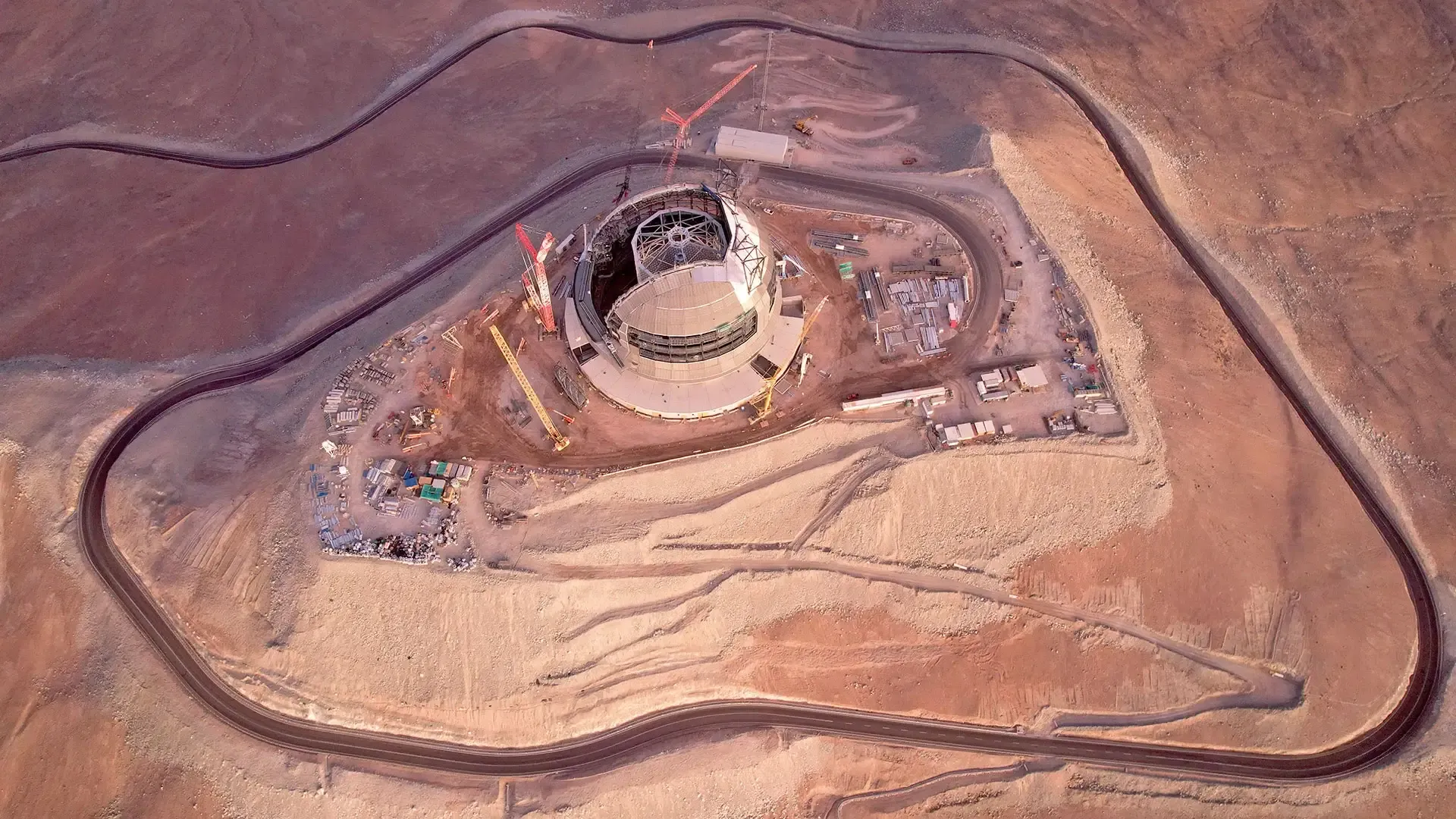
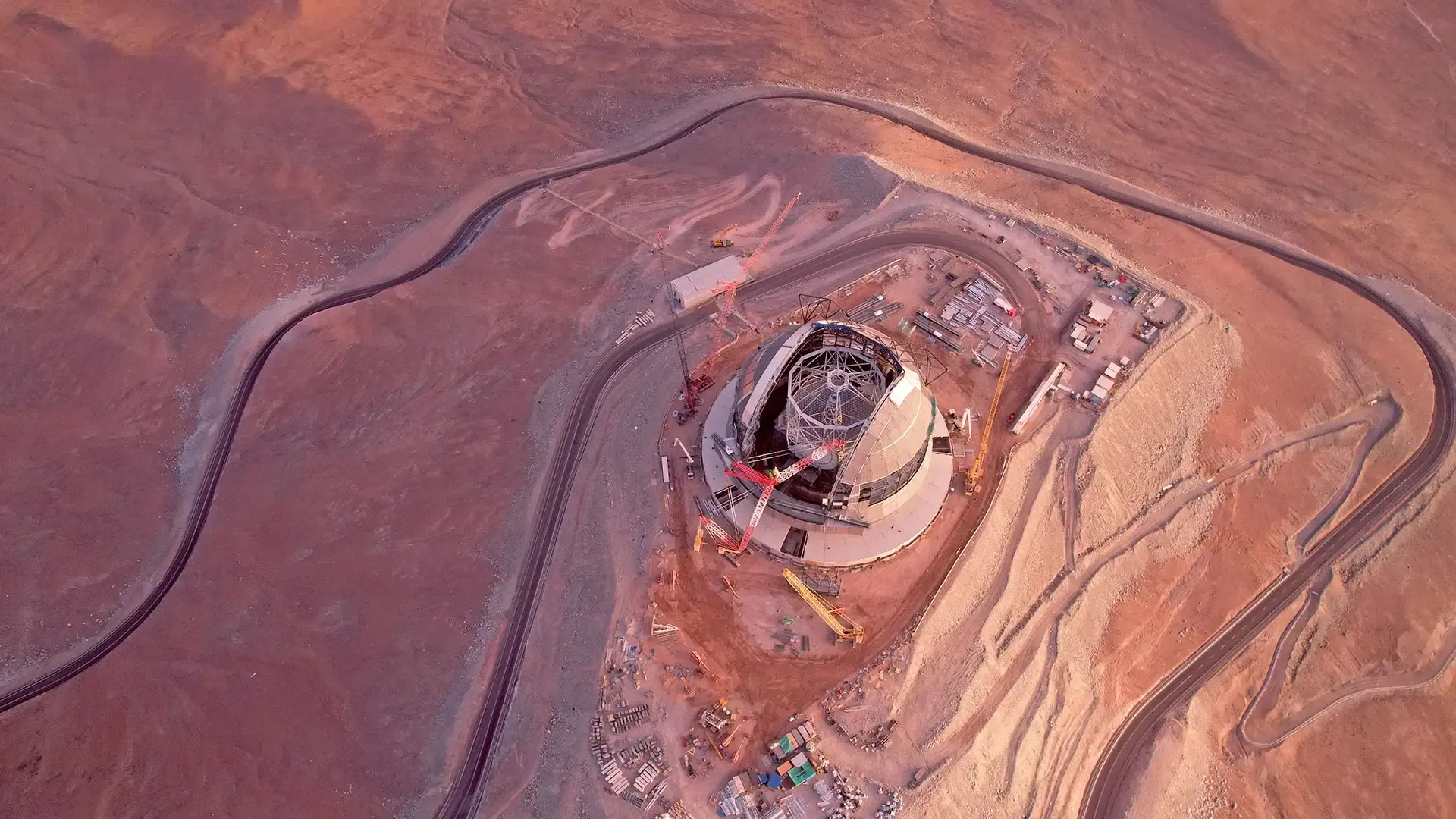
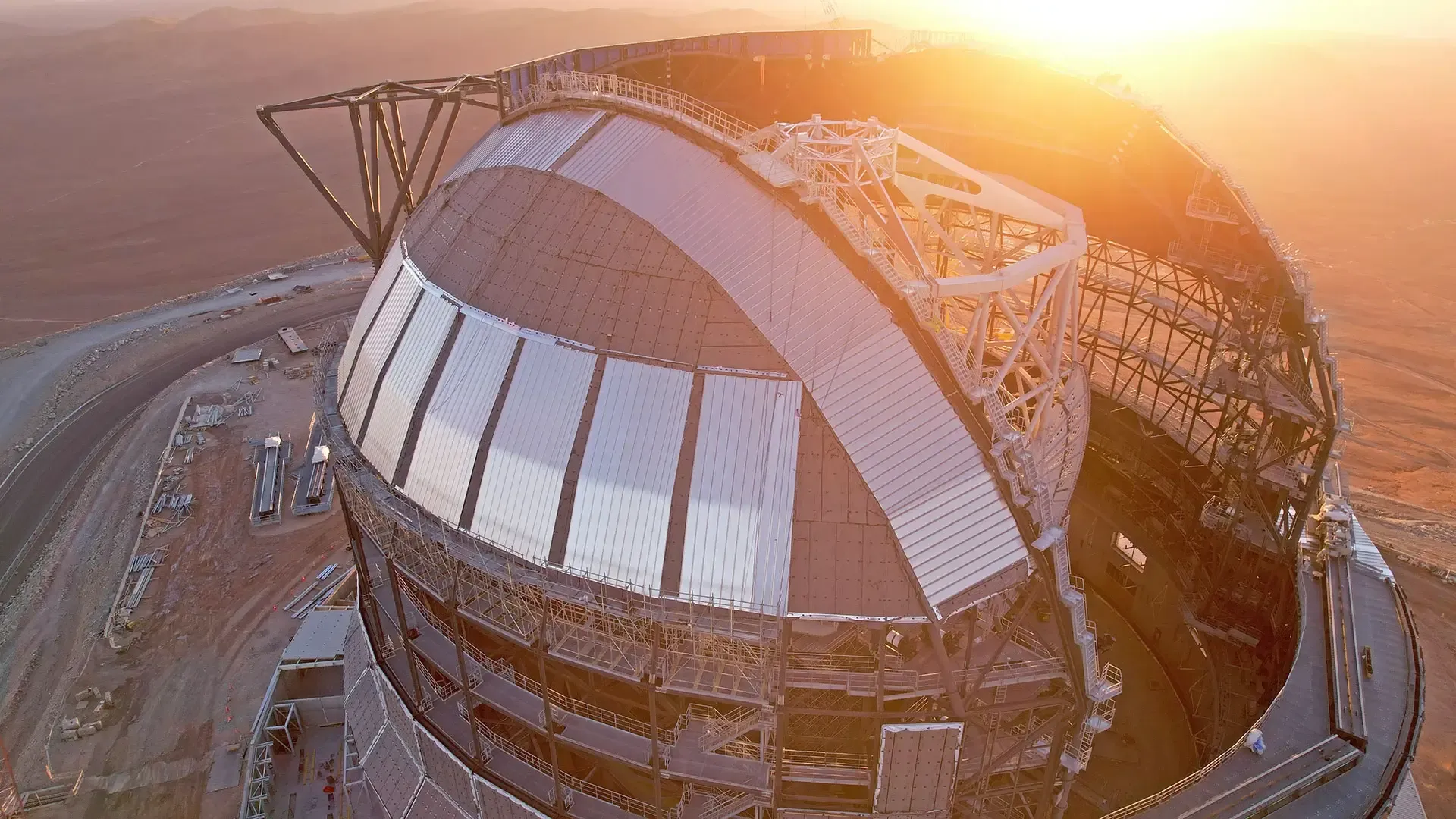
A remote desert mountaintop and an observatory designed to peer deeper into the universe than ever before. Together, they represent a uniquely complex challenge for the European Southern Observatory’s (ESO) Extremely Large Telescope, as well as for our protective design and security team.
Ramboll engaged Thornton Tomasetti to develop a security concept report for the telescope, currently under construction on a mountain in Chile’s Atacama Desert. At more than 3,000 meters above sea level, the site’s remote location naturally limits access, but it also creates major challenges for monitoring, emergency response, and day-to-day operations.
The Atacama’s dry climate, high elevation, and exceptionally dark skies make it one of the best places on Earth for astronomical observation. Once operational, the telescope will be 16 times more powerful than the Hubble Space Telescope, capable of imaging exoplanets and photographing the earliest moments of the universe.
The project demanded far more than conventional perimeter protection. During construction, the site faced repeated security incidents involving equipment theft and threats to personnel safety.
Cyber resilience was already a concern following a cyberattack in 2022 on another of ESO’s facilities that forced the suspension of astronomical observations and took the observatory's website and email servers offline.
Those events highlighted the need for a fully integrated approach combining physical security, personnel security, electronic systems, and cybersecurity.
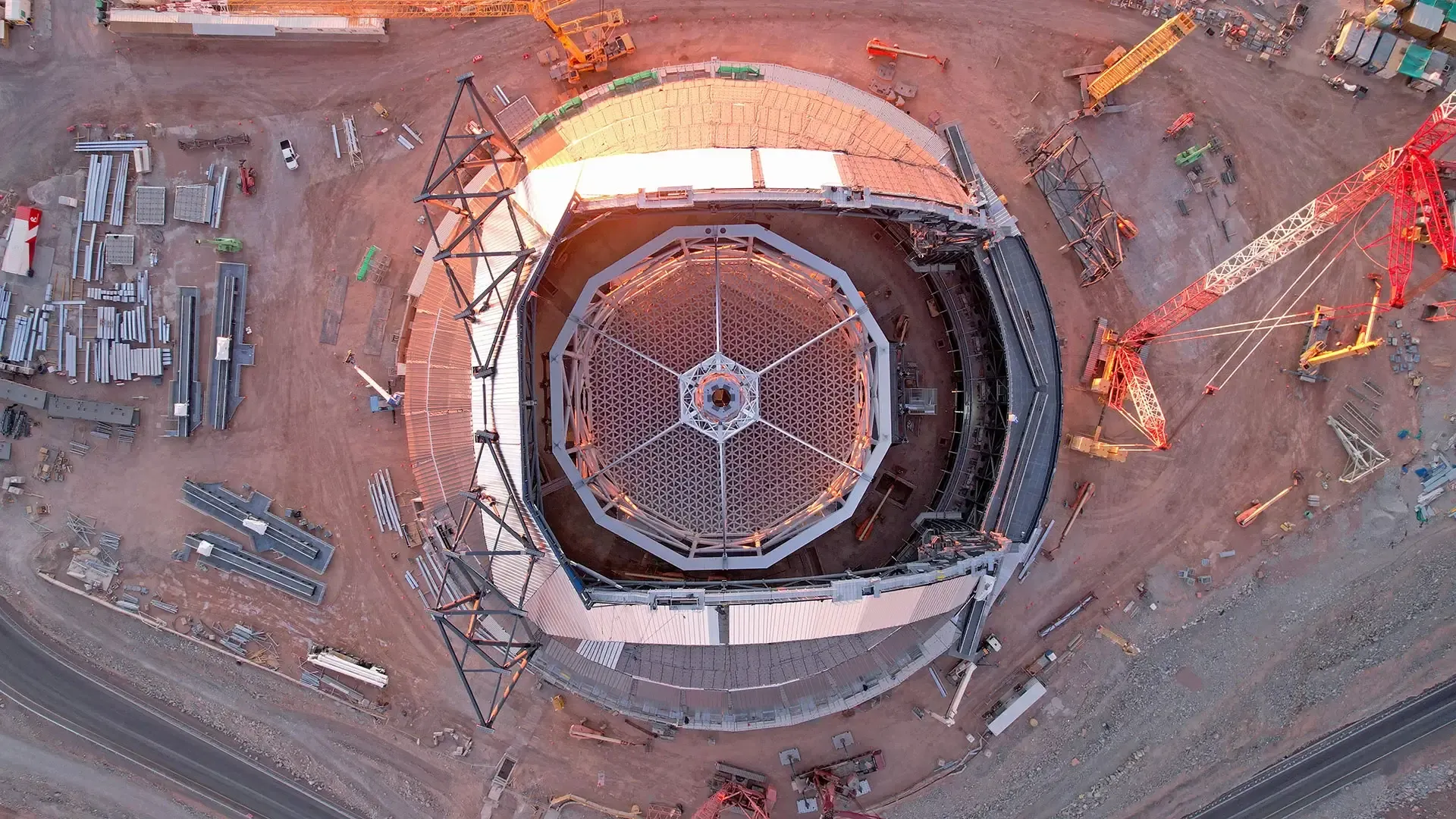
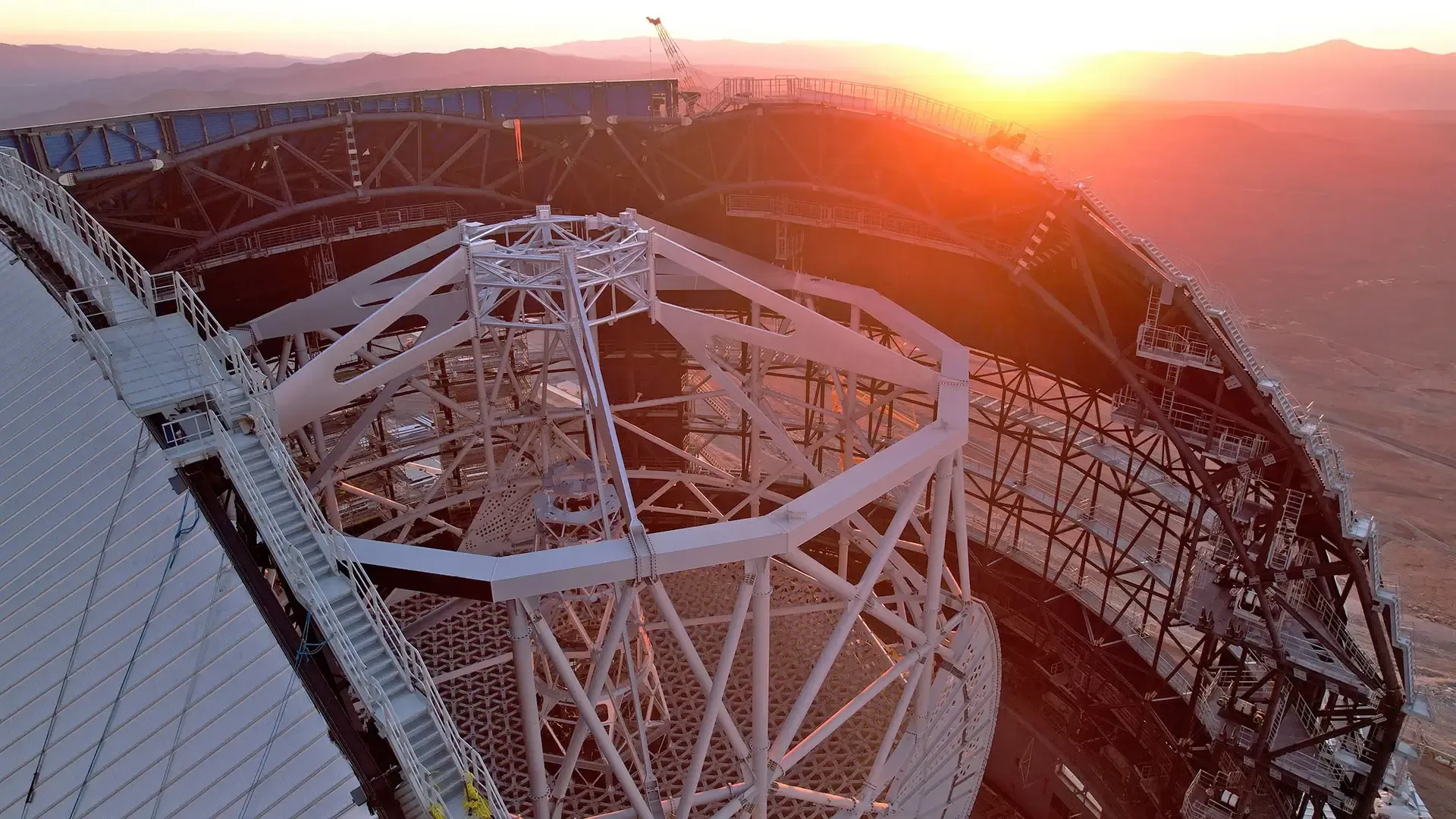
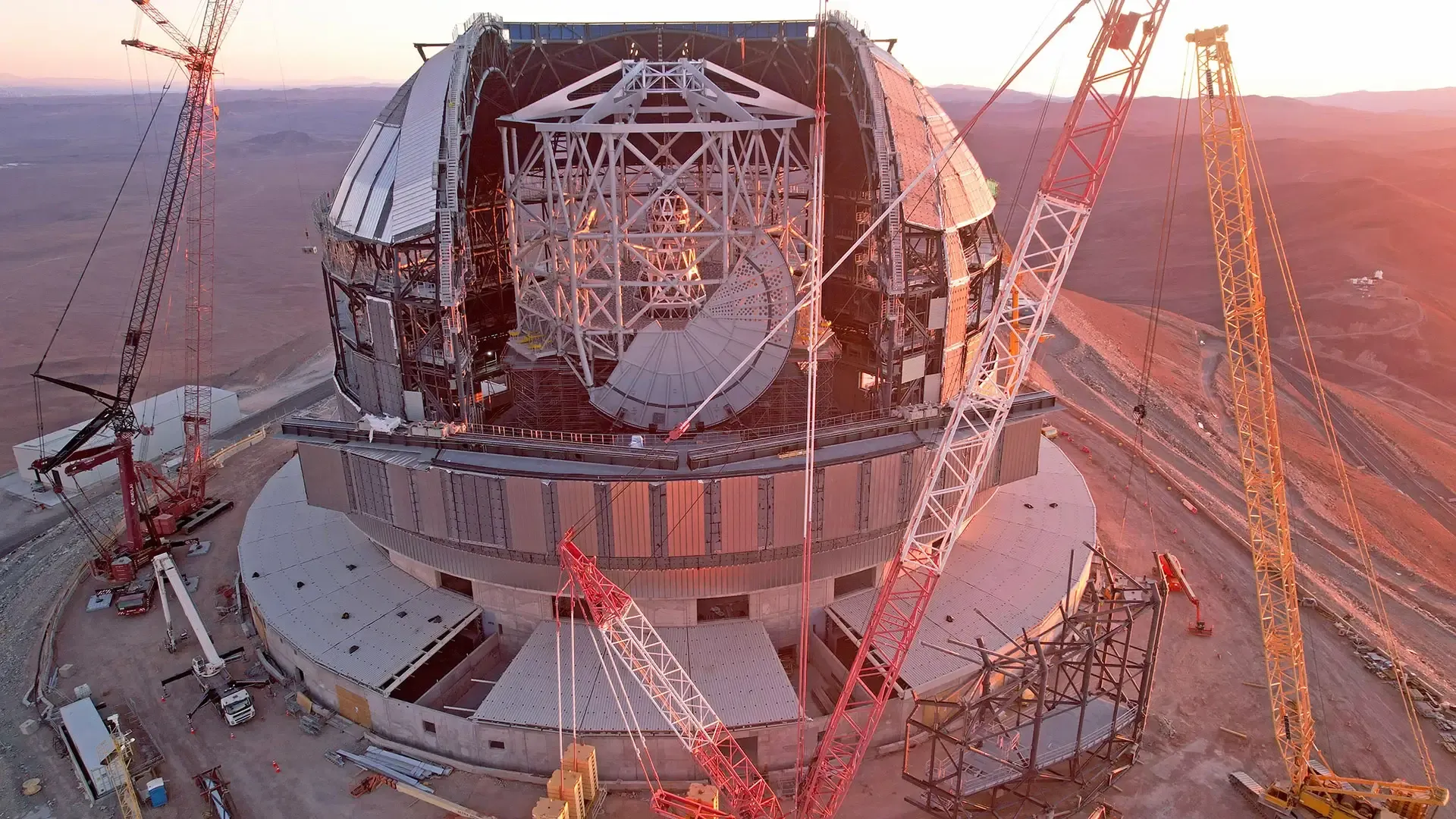
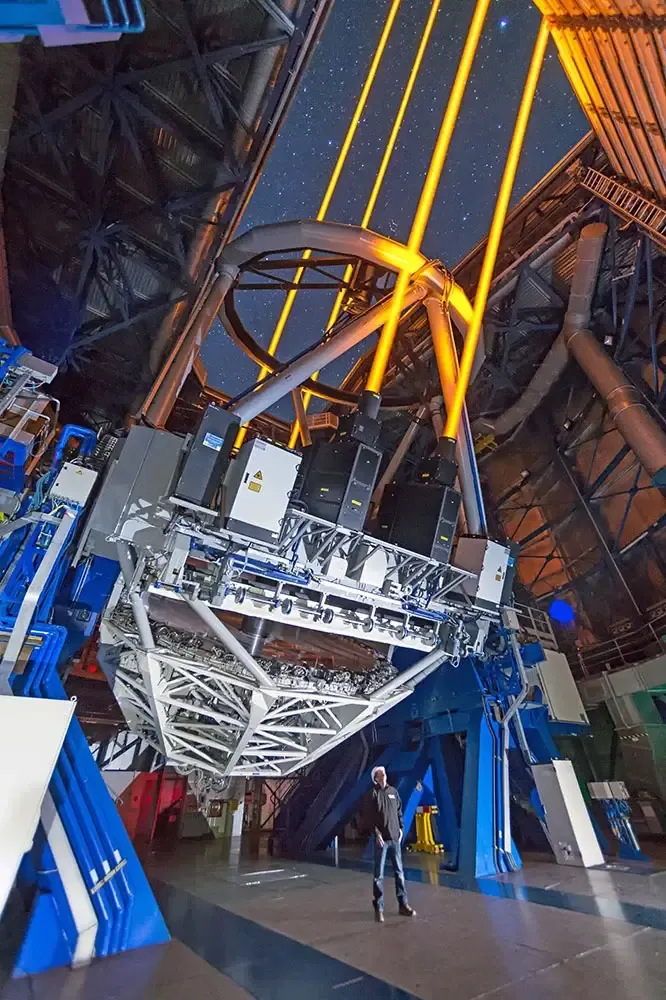
We developed a proportionate, scalable framework organized around five core principles: deter, detect, delay, respond, and mitigate.
Rather than proposing a one-size-fits-all solution, the team created a tiered table of options – “bronze, silver, and gold” – that allowed ESO to align security investments with varying levels of acceptable risk throughout the project life cycle, from construction through operations. The framework covered everything from the wider approach roads beyond the perimeter to the telescope structure itself.
The design was heavily influenced by the observatory’s unusual operating conditions. A 10-kilometer lighting-exclusion zone limits the use of traditional security lighting that would interfere with astronomical observations.
Response time was another challenge. The existing security team, based at a nearby observatory, is roughly 30 minutes away. To compensate, we incorporated measures such as ground-based vehicle detection systems to provide earlier warning and delay potential interlopers long enough for responders to arrive.
Additional recommendations included intrusion detection, access control, security glazing and layered perimeter measures.
The project established a clear foundation for security design criteria and technical solutions for this and future observatories. It also strengthened our relationship with ESO and our project partners, leading to discussions around security consultancy services for a new staff base camp hotel.