Steve Freihon/Related-Oxford
New York, New York
Global experience.
Regional perspective.
Local impact.
New York, New York
Australia

London, United Kingdom
Diriyah, Riyadh, Saudi Arabia
How do you bring a vast Navy test range back from major earthquake damage while making it more secure, more resilient, and easier to operate than before?

ENR, Best of the Best Winner - Best Government/Public Building (South Airfield), 2025
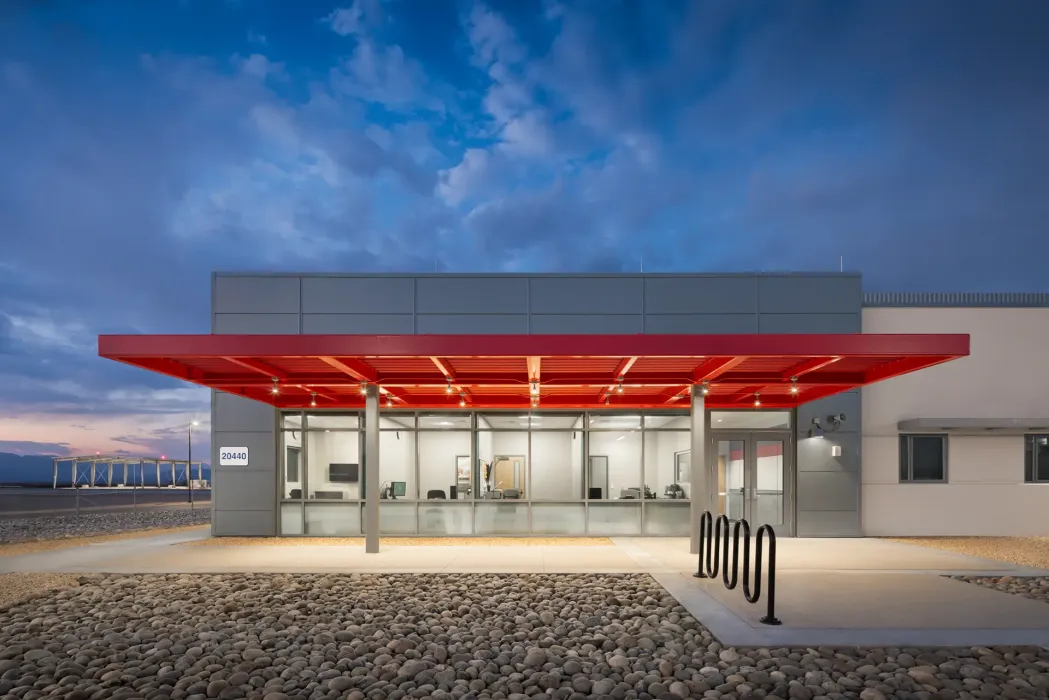
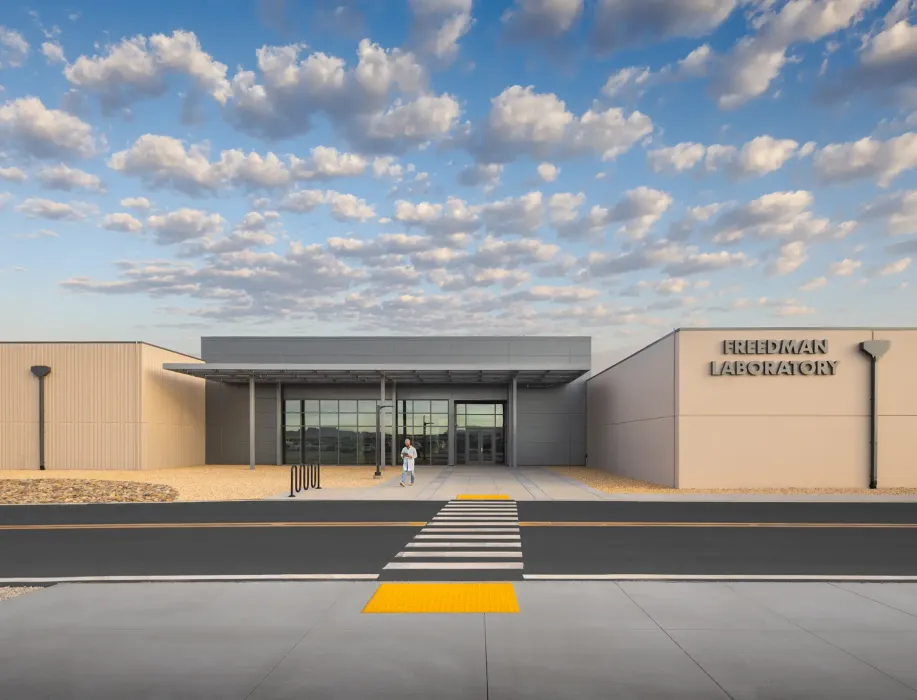
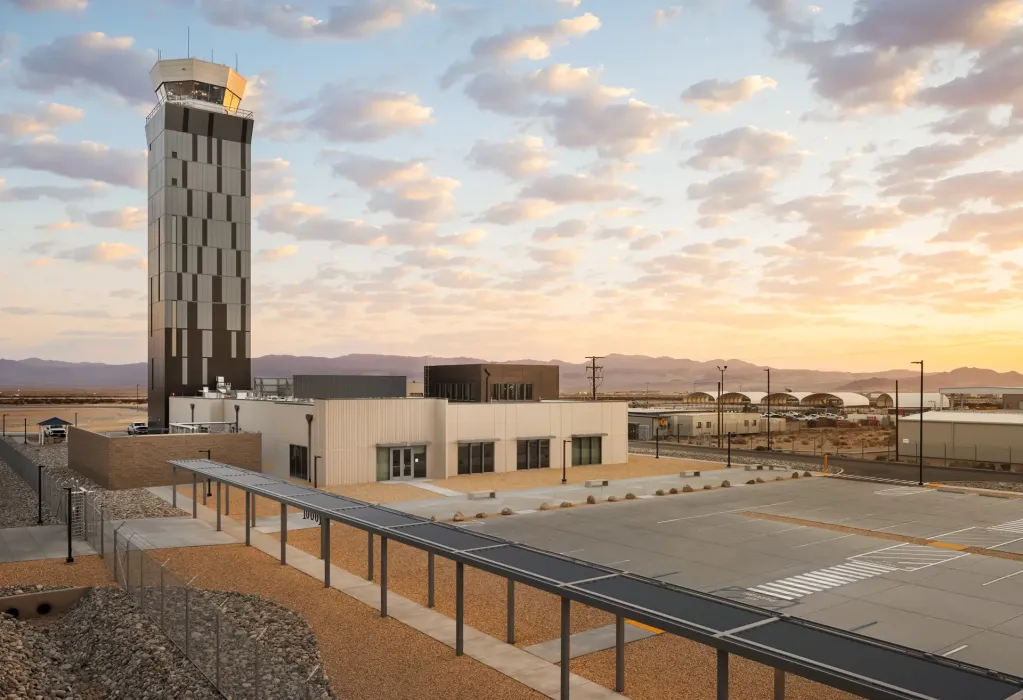
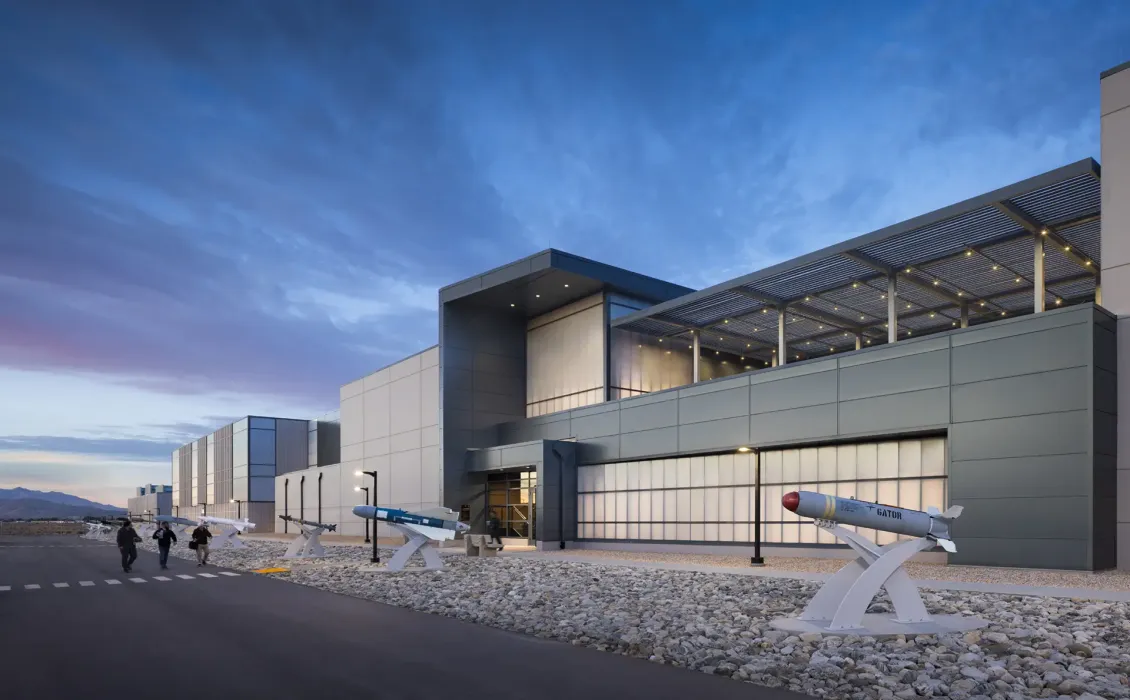
Naval Air Weapons Station (NAWS) China Lake, the U.S. Navy’s primary test range for weapons and aviation, is supported by a network of labs, hangars, control rooms, and infrastructure spread across more than 1.1 million acres of desert. When a series of earthquakes struck in July 2019, facilities that had supported missions for decades showed new cracks, distortions, and vulnerabilities.
The Navy responded with a recovery and modernization program to restore full mission capability and harden the base against both natural and man‑made threats. Thornton Tomasetti served as an integrated engineering partner throughout the evaluation, design, and construction process for several projects on the base. Our forensic consultants studied earthquake damage, protective design and security specialists helped the team weave antiterrorism and blast‑resistant features into the new buildings, and construction engineers worked with the steel contractor to make long‑span hangars constructible in a remote desert setting.
The common thread was simple: keep the mission at the center and let each discipline bring its best tools to the table.
In the days after the earthquakes, we were asked to perform rapid-response structural assessments for on-base privatized housing located less than ten miles from the magnitude 6.4 and 7.1 epicenters. A six-person team of forensics and investigation experts from our Los Angeles office mobilized to China Lake and evaluated nearly 200 homes over three days on-site.
Our protective design and security team provided anti-terrorism/force protection (AT/FP), explosive safety and other physical-security design services for 10 facilities – new and renovated – on the base.
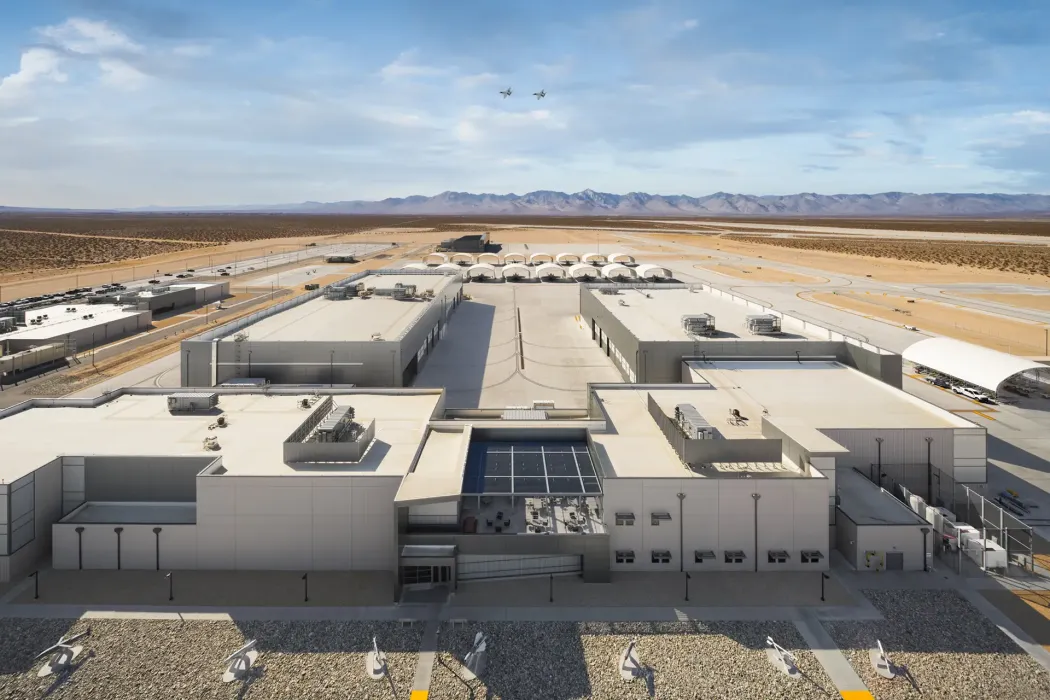
Our first assignment was at the base’s South Airfield campus. On this fast-paced effort, we worked with the design-build team, including contractor ECC, primary subcontractor Hensel Phelps and architects Steinberg Hart, and Giuliani Associates to incorporate physical security requirements into two hangars, an integration lab, an air traffic control tower, and a fire station, tailoring AT/FP strategies to each facility’s unique requirements and challenges.
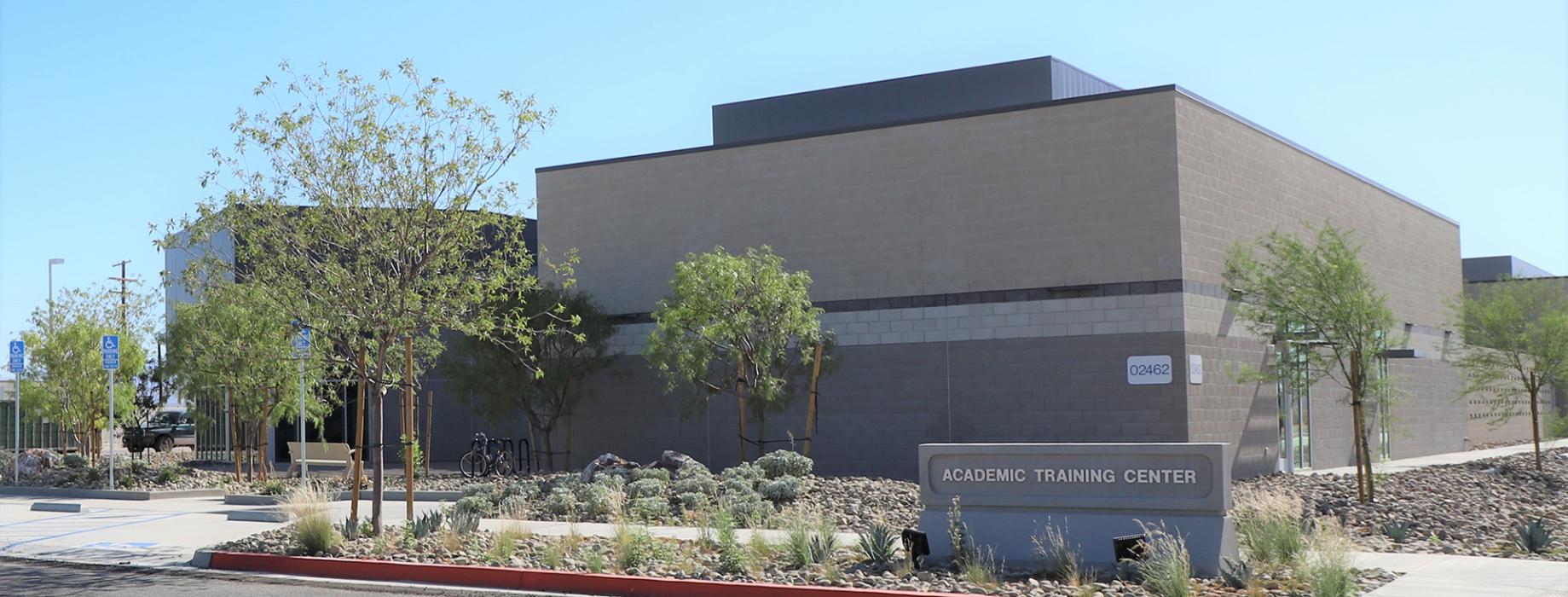
We then partnered with contractor Barnhart-Reese and architect Delawie to provide AT/FP design services for the Academic Training Building which added 16,000 square feet of new classroom, lab, and conference space.
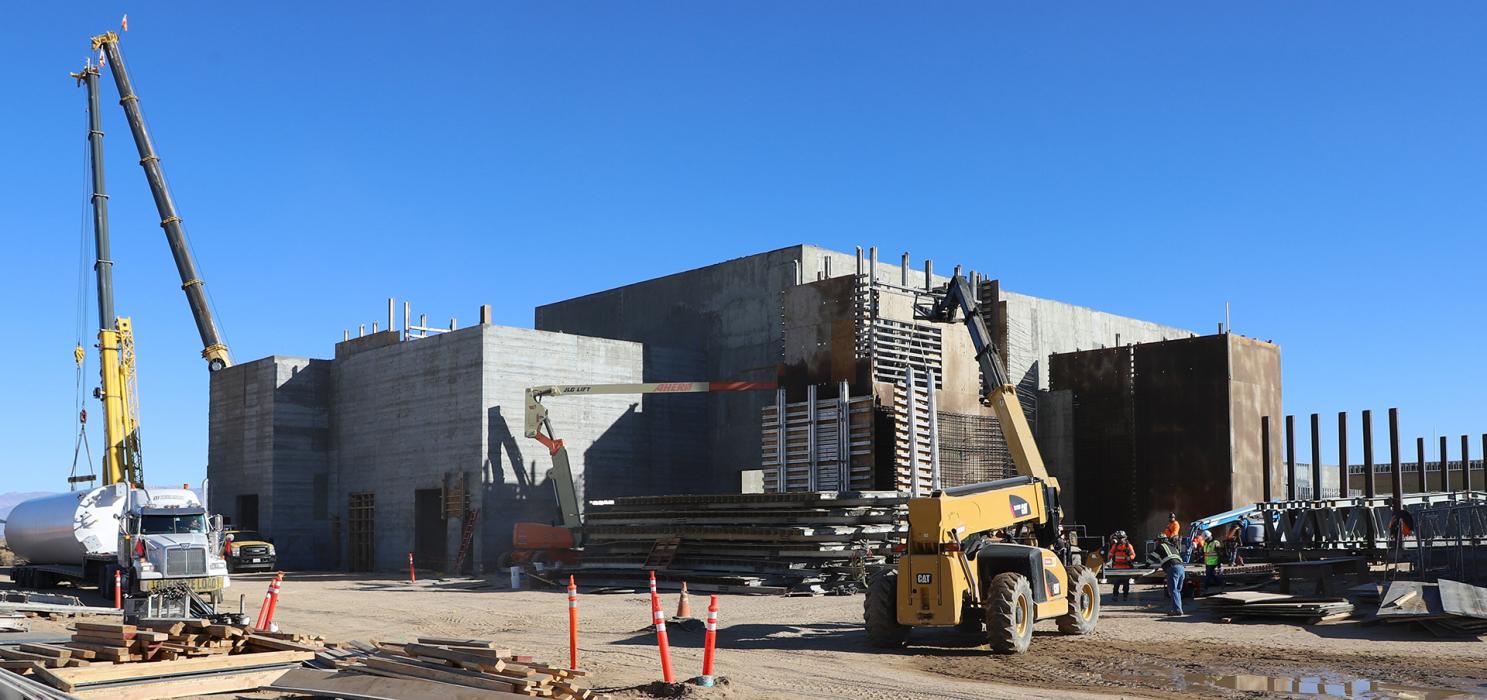
With construction underway on these projects, we worked with RQ Construction and architects Michael Baker International and Tectonics to renovate and expand the Michelson Laboratory buildings. At the Environmental Lab, Chemistry Building, and Industrial Shop, we tailored AT/FP and explosive-safety requirements to the varied uses of the buildings. The project – delivered in 2024 on a fast-track schedule – was designed in accordance with NAVSEA OP5 and included reviews and comment resolution with Naval Ordnance Safety and Security Activity (NOSSA) and the Department of Defense Explosive Safety Board (DDESB).
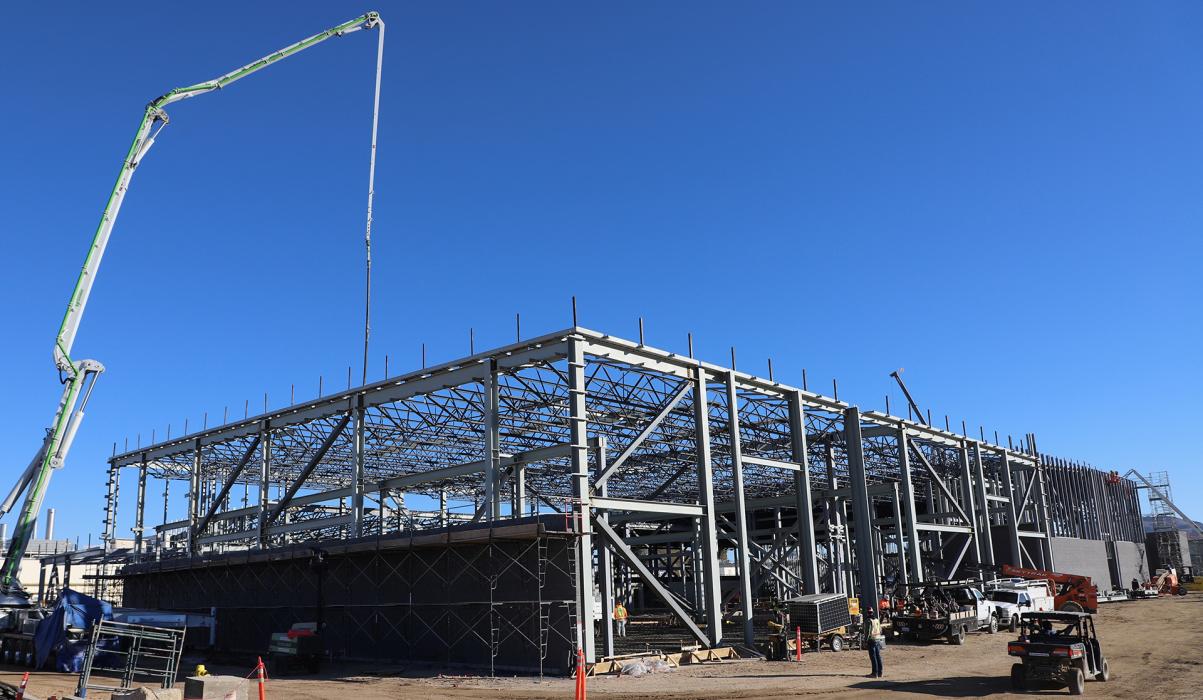
A construction engineering team from our Denver office worked with LPR Construction Company to plan and execute steel erection for a 59,630-square-foot hangar on the South Airfield campus. A 400-foot clear‑span required an enormous box truss and other large steel systems that all had to be erected in a remote, high‑desert environment on a tight schedule. We reviewed the structure’s behavior during erection, analyzing how the frame would behave in each temporary state as the steel went up, checking the ways wind and construction loads would affect columns and roof trusses, and developing an effective bracing scheme to ensure stability throughout construction.
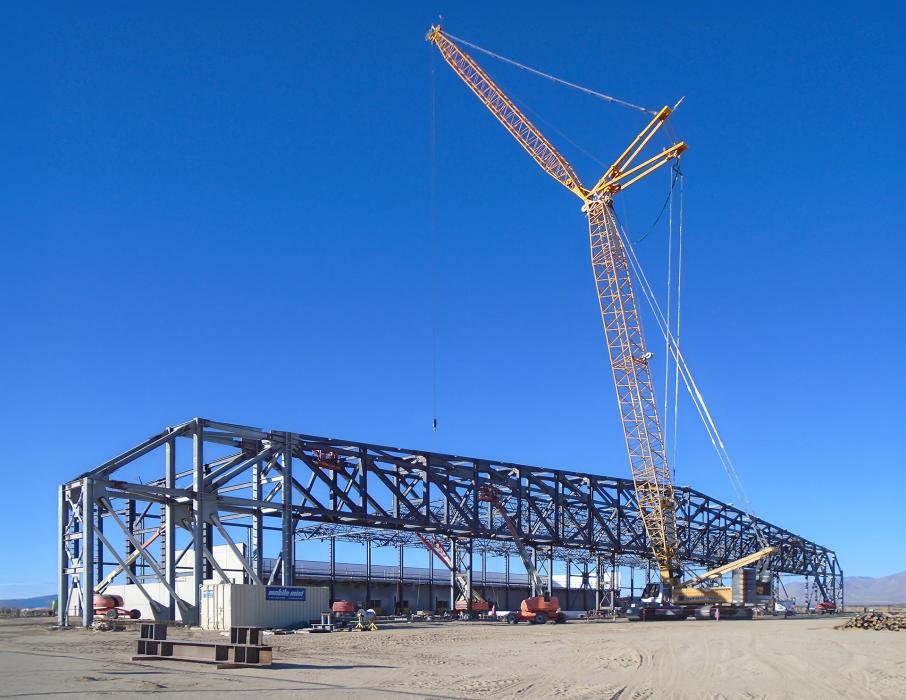
The long‑span elements at the hangar’s front face needed the same level of care. Our engineers evaluated how its 99-foot trusses would perform as they were lifted, rotated, and connected. We also developed an erection and deshoring sequence for a 400-foot door-header truss that was assembled on custom shoring towers. That work included designing the towers, jacking bases, and concrete pad foundations. An incremental deshoring procedure anticipated jacking forces and truss deflections as load shifted to the permanent supports. We delivered a sealed erection procedure that included clear, step‑by‑step 3D views and minimum bolt‑up requirements, so every lift and connection stayed within stability limits.
Throughout the project, our construction engineers acted as a bridge between design intent and means and methods. Working with contractors ECC and Hensel Phelps, the architects, and LPR, we resolved connection forces, member sizes and tolerances before steel left the shop. This effort helped ensure that the protective and architectural ambitions of the design could be realized in the field without compromising safety or constructability.
Across NAWS China Lake, our experts provided a spectrum of expertise to meet the wide-ranging needs of the Navy, operating from a shared view of the base’s mission, how its facilities behave under stress, and what the Navy needs from them over time.
Protective design engineers helped shape the South Airfield campus where secure spaces and blast‑resistant systems support operations instead of constraining them. Construction engineers turned long‑span hangar concepts into safe, buildable erection plans. Forensic specialists evaluated damage across existing assets and linked field observations to repair decisions. Together, these efforts left the base with a more resilient and secure test range, new capacity at the South Airfield and a clearer understanding of how legacy facilities perform in real events, helping the Navy keep its largest weapons research and test site ready for what comes next.