
Steve Freihon/Related-Oxford
New York, New York
Global experience.
Regional perspective.
Local impact.
New York, New York
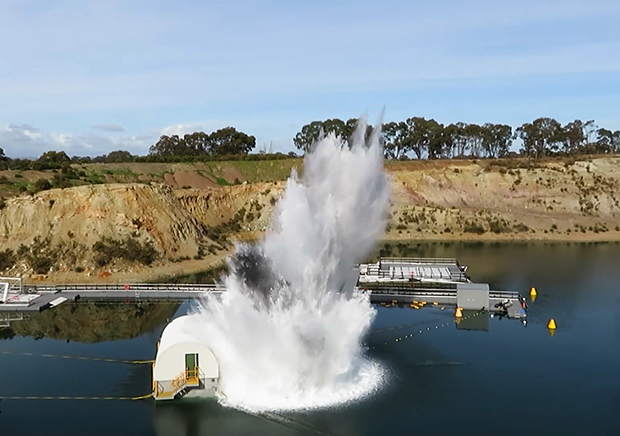
Australia

London, United Kingdom

Diriyah, Riyadh, Saudi Arabia
Due to continually increasing building density in Florida cities, assessing risks associated with construction vibrations, excavations and dewatering is paramount.
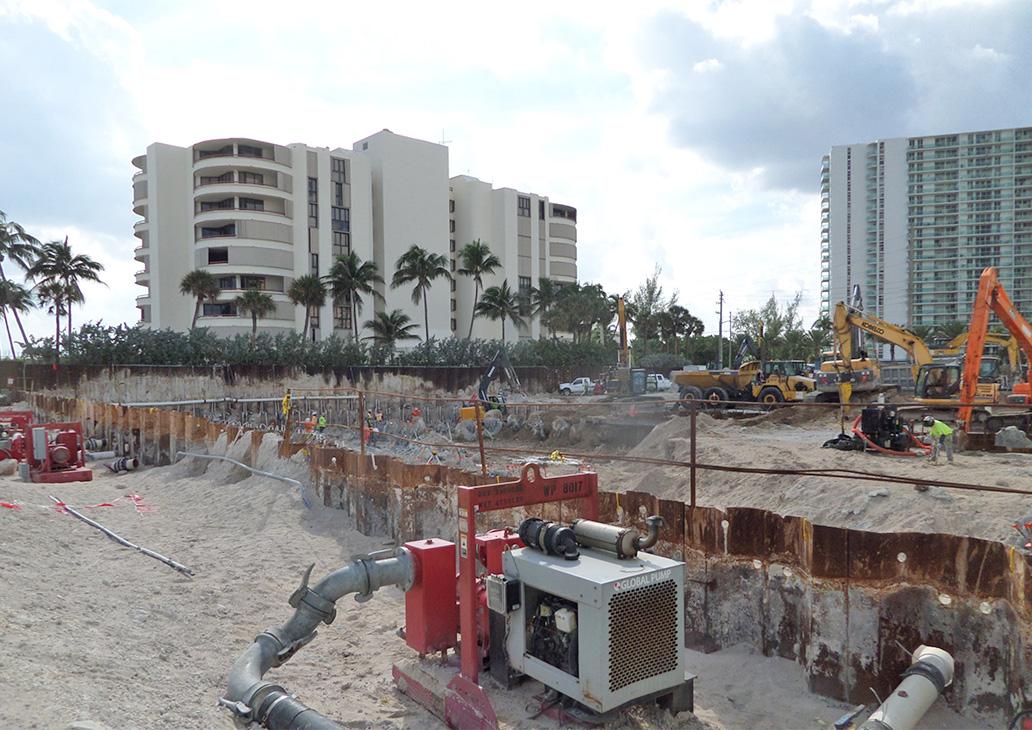
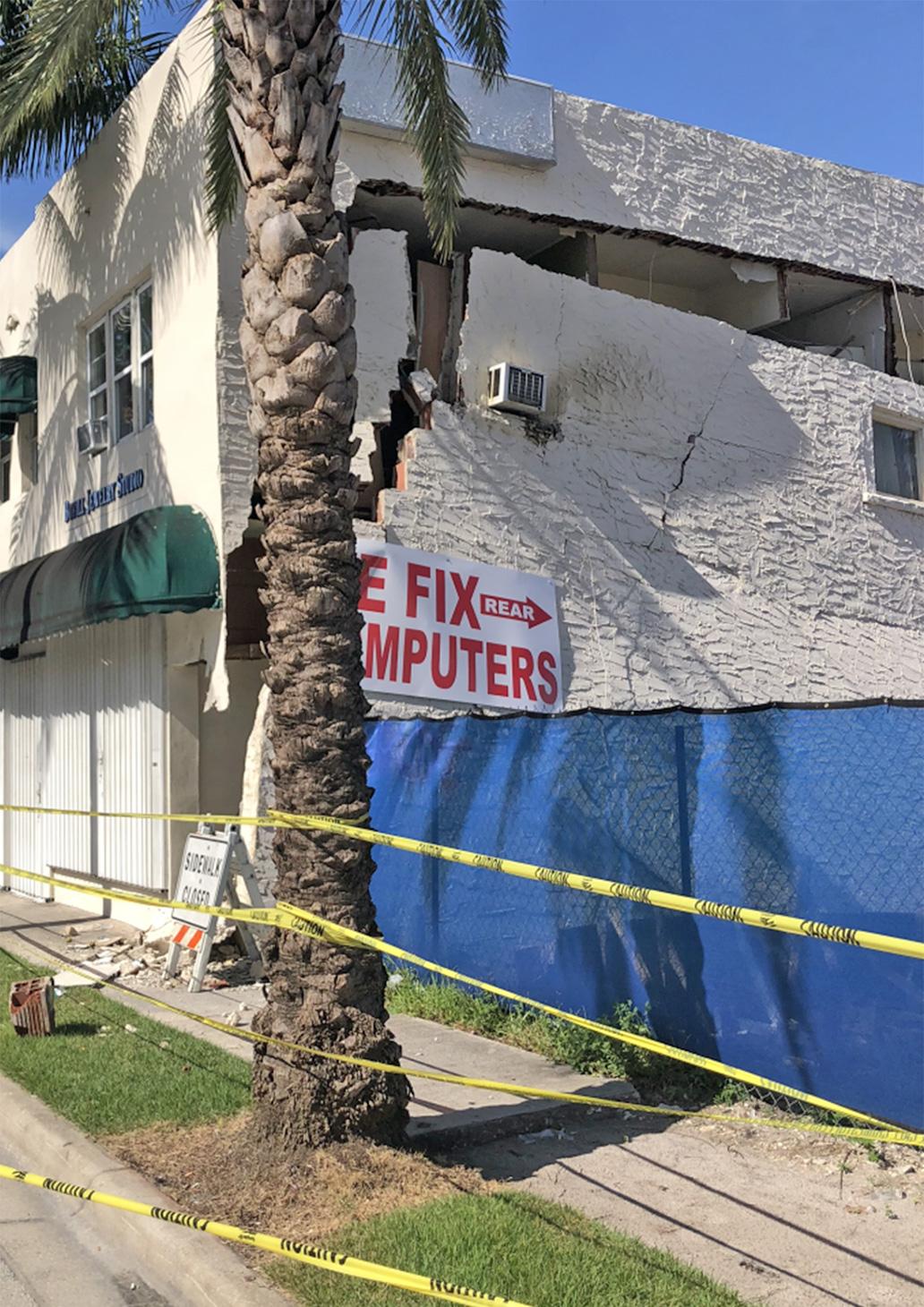
Thornton Tomasetti helps owners, developers, contractors and neighboring property owners evaluate and manage risks from adjacent construction throughout Florida. Our engineers assess the potential effects of excavation, dewatering, demolition, pile driving and other construction activities through preconstruction condition surveys, area-of-influence evaluations, vibration and movement monitoring, and engineering measures designed to protect adjacent structures and the public. With offices in Miami, Fort Lauderdale, Orlando and Tampa, our Florida team provides local expertise for projects across South Florida, Central Florida and the Gulf Coast.
Construction and/or demolition activities can damage adjacent buildings if not performed properly. The risks from construction activities may be mitigated by following these steps before putting shovels in the ground.
An adjacent construction risk assessment evaluates how planned construction or demolition activities could affect nearby buildings, infrastructure and occupants. The assessment considers factors such as excavation, dewatering, pile driving, demolition, foundation installation and the condition of surrounding structures. It can be used to define the area of influence, identify vulnerable properties and determine whether preconstruction surveys, monitoring or protective measures are appropriate before work begins.
A preconstruction condition survey should be completed before construction begins when nearby buildings or structures could be affected by excavation, demolition, dewatering, pile driving, foundation work or other construction activities. Surveys may also be required by local codes, permit conditions or agreements between neighboring property owners. Establishing existing conditions before work starts provides an objective baseline for evaluating changes that may occur during construction.
A preconstruction survey documents the existing interior and exterior conditions of buildings and structures that may be affected by nearby construction. Documentation can include photographs, video, 360-degree imagery, lidar or other digital-capture technologies, along with observations of existing cracks, deflections, movement and other signs of distress. The resulting record establishes a baseline that can be compared with conditions observed during or after construction.
Excavation and dewatering can change the soil and groundwater conditions supporting nearby structures. Excavation may cause ground movement or reduce lateral support, while dewatering can contribute to settlement by lowering groundwater levels and changing subsurface conditions. The potential effects depend on factors such as excavation depth, soil conditions, foundation systems, construction methods and proximity to adjacent structures. Engineering evaluation and monitoring can help identify and manage these risks.
Construction vibration monitoring is recommended when activities such as demolition, pile driving, excavation, compaction or foundation installation could transmit vibration to nearby structures or sensitive equipment. Monitoring programs can establish baseline conditions, measure vibration levels during construction and define thresholds for further evaluation or action. Depending on project conditions, vibration monitoring may be coordinated with optical, settlement, crack or building-movement monitoring to provide a more complete picture of construction impacts.
Miami-Dade County’s current plan-review guidance requires a preconstruction condition assessment survey of existing structures within 50 feet of a construction site before work begins. Existing cracks, deflections, out-of-plumb conditions and other distress must be photo documented. The survey must be performed by a third-party professional engineering firm unrelated to the contractor, and a signed and sealed report, including a site plan identifying adjacent properties and photo locations, must be submitted as part of the permitting process.
Owners can reduce adjacent-construction risk by documenting existing conditions before work begins, reviewing the proposed construction and excavation methods, and identifying activities that could affect their property. Depending on the risks, protective measures may include underpinning, support of excavation, temporary protection systems and monitoring for vibration, settlement, cracks or building movement. Establishing monitoring thresholds and response procedures in advance can help identify changing conditions early and allow corrective action before damage progresses.
Construction activities such as demolition, excavation, pile driving and foundation installation can generate vibrations that affect nearby buildings and their occupants. Depending on the condition and sensitivity of adjacent structures, construction vibrations can contribute to building damage, service interruptions for sensitive equipment and discomfort for nearby residents and businesses.
We help clients evaluate these risks before construction begins and develop monitoring programs appropriate to the site, surrounding structures and planned construction activities. Depending on project conditions, monitoring may include vibration, optical and crack-gauge monitoring, along with visual surveys to identify changes that occur during construction.
Our engineers can establish monitoring thresholds and response protocols so project teams can take early action when conditions approach predetermined limits. By combining preconstruction condition assessments with construction monitoring, we help clients identify potential impacts, respond to changing conditions and reduce the risk of damage to adjacent properties.
Protecting neighboring properties, building occupants and pedestrians is a critical part of planning construction near existing structures. Depending on site conditions and the planned work, protective measures may include construction fences and barriers, sidewalk sheds, scaffolding, shoring, underpinning and other temporary protection systems.
Our engineers evaluate the potential effects of demolition, excavation, dewatering, foundation installation and other construction activities on adjacent properties and help identify appropriate measures to reduce risk. When preconstruction evaluations identify vulnerable conditions, we can develop engineering approaches such as underpinning, support of excavation or other stabilization and protection measures.
For projects requiring ongoing oversight, we can also help develop construction protection and monitoring plans that establish thresholds and response procedures before work begins. If movement, vibration or other monitored conditions approach predetermined limits, the project team can take action before conditions worsen. This coordinated approach helps protect adjacent structures, occupants and the public while reducing the potential for construction-related damage and disputes.