
Steve Freihon/Related-Oxford
New York, New York
Global experience.
Regional perspective.
Local impact.
New York, New York
Australia

London, United Kingdom

Diriyah, Riyadh, Saudi Arabia

 Thornton Tomasetti
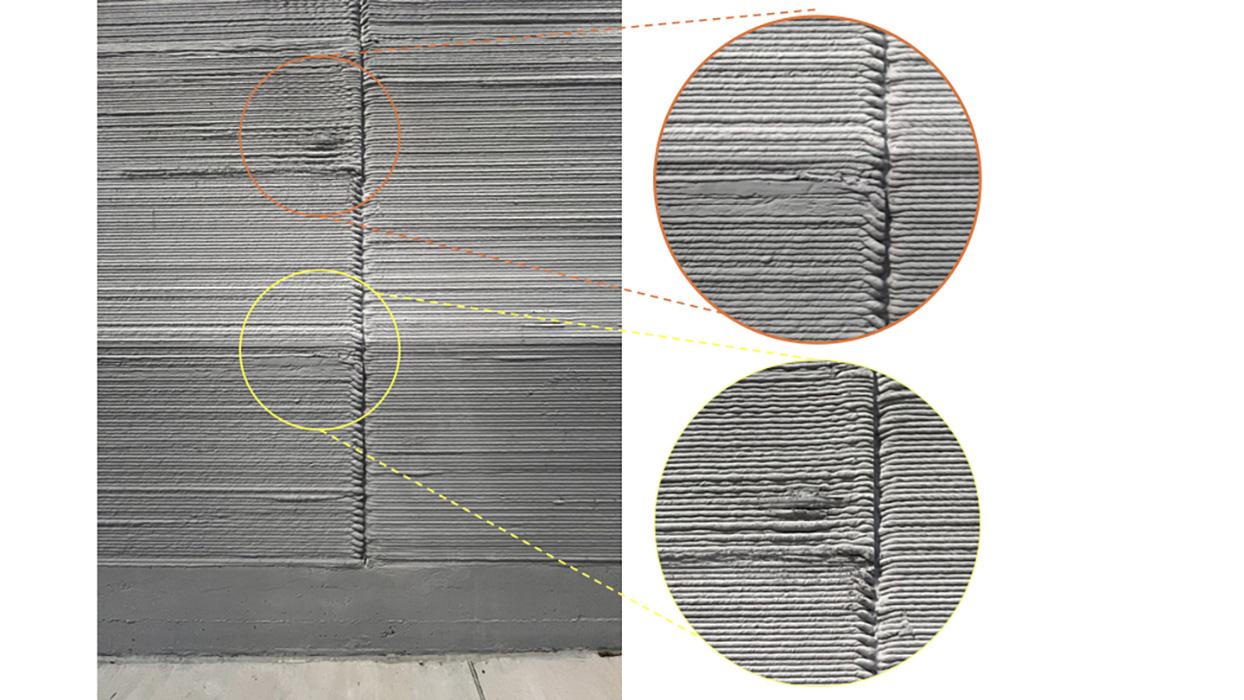
Thornton Tomasetti Senior Associate Abraham Calvin wrote an article for 3dprint.com on the critical role forensics and predictive failure analysis play in the safe and effective adoption of additive manufacturing (AM), particularly as it expands into high-stakes industries like construction, aerospace and healthcare. Unlike traditional manufacturing, which relies on well-understood materials and predictable failure modes, AM introduces complex variables such as new materials, print parameters and build processes that lack extensive historical data.
This complexity, combined with rapid industry growth, increases the risk of failures—such as the 2020 recall of Stryker’s 3D-printed spinal implant due to fractures or issues with layer adhesion in 3D-printed buildings. These examples highlight that AM failures may not always be catastrophic but can manifest as subtle defects, cost overruns or long-term performance issues if not properly anticipated.
To ensure AM’s sustainable adoption, Calvin advocates for integrating failure analysis into the design process from the outset. This involves understanding potential failure modes, leveraging insights from materials scientists and forensic engineers and designing with risk mitigation in mind. By proactively addressing these challenges, the AM industry can avoid high-profile setbacks that could hinder progress. Read more at 3dprint.cpm