

Steve Freihon/Related-Oxford
New York, New York
Global experience.
Regional perspective.
Local impact.
New York, New York

Australia

London, United Kingdom

Diriyah, Riyadh, Saudi Arabia



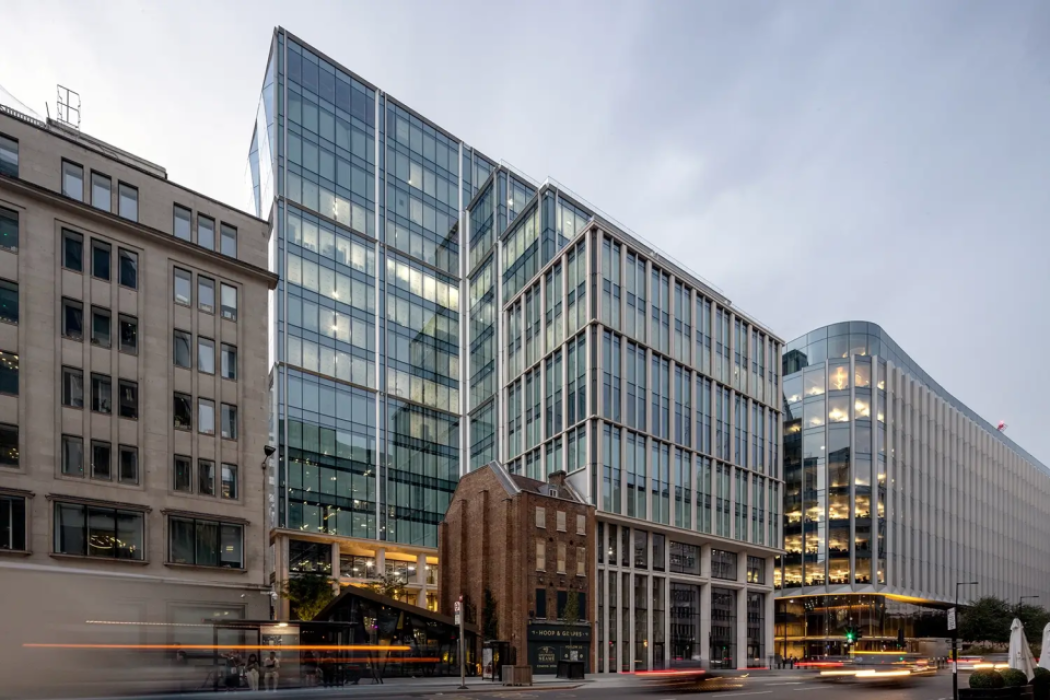
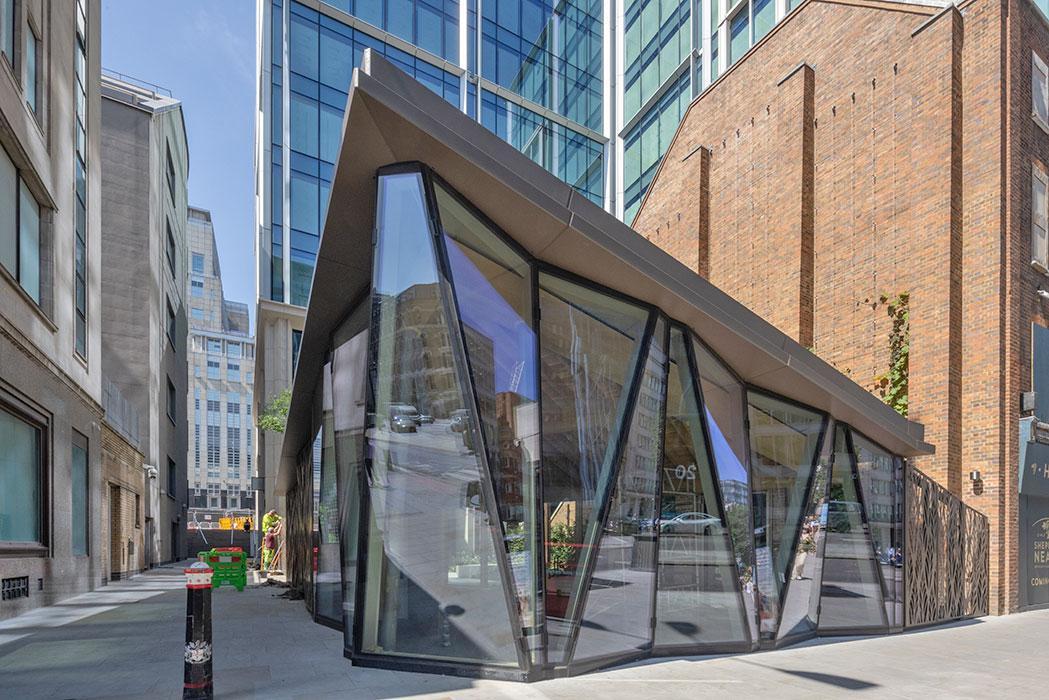

The City of London Corporation has formally raised the bar for sustainable development. With the adoption of its Planning for Sustainability Supplementary Planning Document (SPD), environmental performance is no longer just an aspiration – it’s a core planning requirement.
Adopted on February 19, 2025, the SPD sets enforceable expectations for how developments in the Square Mile must address whole life-cycle carbon, retrofit and reuse, circular economy principles, climate resilience and urban greening. Compliance now requires earlier analysis, deeper technical coordination and the right specialists from day one.
This guidance is relevant for developers as well as asset owners, architects and design teams submitting planning applications in the City of London, particularly for commercial office, retrofit and mixed-use developments.
The SPD provides detailed guidance on how planning applicants must demonstrate environmental sustainability. It’s a material consideration in determining applications, and applies to:
Both major and minor developments are affected, with more extensive documentation required for larger or more complex projects.
A defining feature of the SPD is its clear “retrofit first” direction. Developers are expected to:
In practice, retrofit and reuse are now the baseline for sustainable development in the City of London, not alternatives to new construction.
The SPD formalizes whole life-cycle carbon assessment (WLCA) as a planning requirement. Submissions must address:
Critically, carbon analysis must be undertaken early enough to shape façade and structural systems, material selection and construction methodology. Designing first and justifying later is no longer sufficient.
The SPD advances circular economy principles beyond waste reduction. Developers are expected to demonstrate:
Delivering these outcomes requires early engagement and coordination across design/engineering, construction and sustainability disciplines.
Sustainability under the SPD extends beyond emissions. Planning submissions must also address:
To meet the City of London’s sustainability planning requirements, developers should:
Projects that defer these steps risk redesign, planning delay or refusal.
While the City of London is among the most explicit in codifying these requirements, it’s not alone. Other U.K. authorities, including Westminster, Camden, and Bath and North East Somerset, have adopted or are advancing similar policies focused on whole-life carbon, retrofit-first strategies and climate resilience, reinforcing a clear national shift in planning expectations. For example, Preoptima's PACER (Planning Application Carbon Evaluation and Reduction) tool, developed in collaboration with Westminster City Council and funded by Innovate UK, is available for use and designed to help local planning authorities (LPAs) manage, review, and enforce carbon reduction policies for new building projects.
With a London-based team and global leadership in sustainable design, Thornton Tomasetti supports developers navigating the City’s evolving planning landscape. Our work spans:
Our work on projects such as Stonecutter, one of London’s most sustainability-driven commercial developments, demonstrates how ambitious environmental targets can be achieved without compromising performance or value.