Steve Freihon/Related-Oxford
New York, New York
Global experience.
Regional perspective.
Local impact.
New York, New York
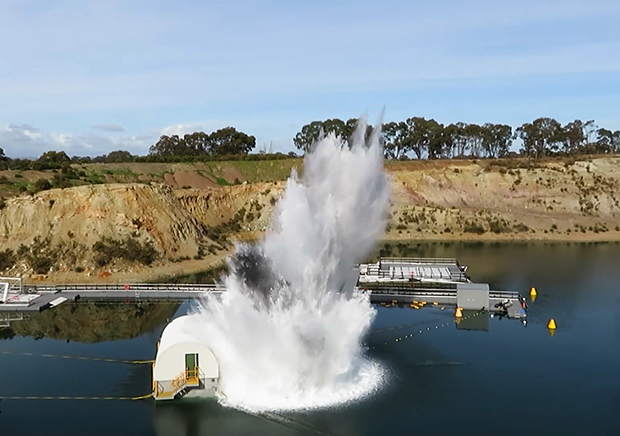
Australia

London, United Kingdom
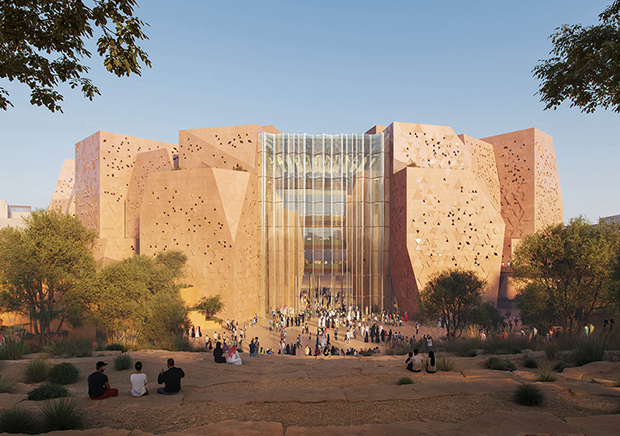
Diriyah, Riyadh, Saudi Arabia
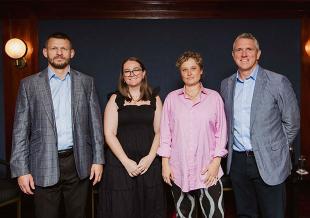 Photography by Leandro Justen. Courtesy of Independent.
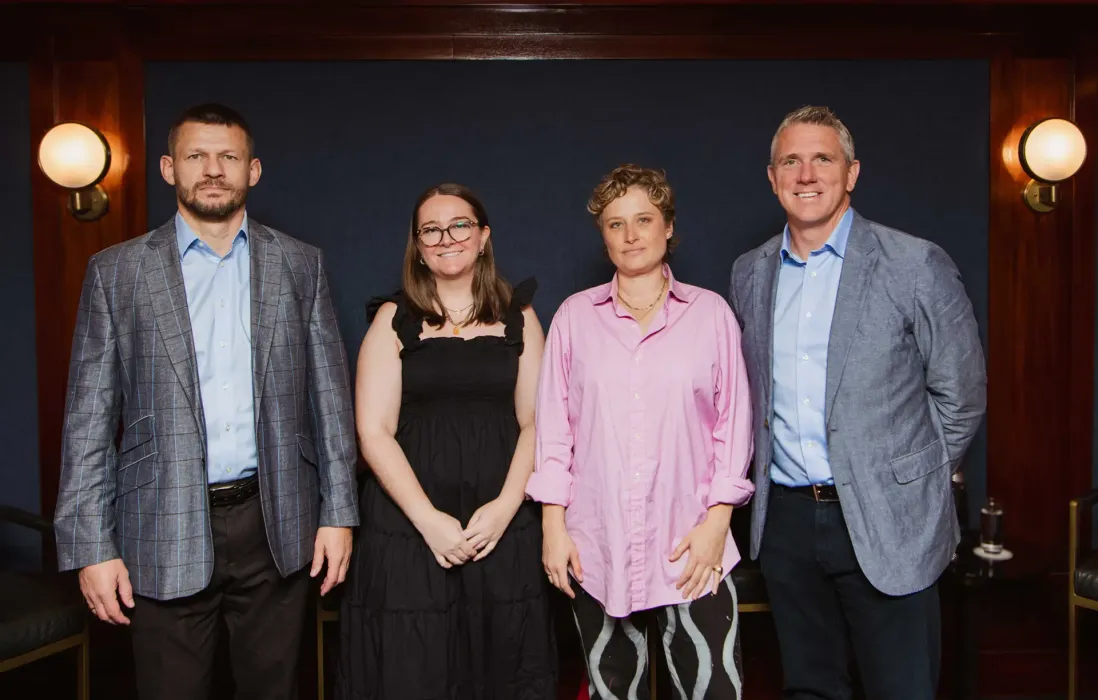
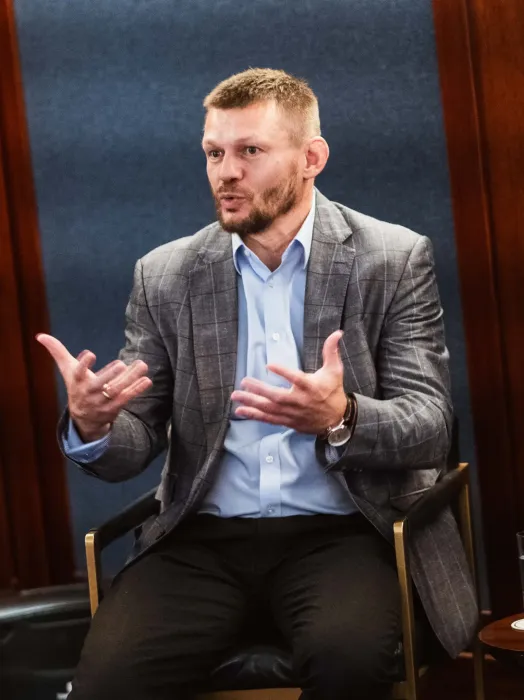
At the Independent 20th Century art fair in New York, logistics provider Crozier Fine Arts convened industry leaders to explore how sustainable art practices are reshaping the global art ecosystem.
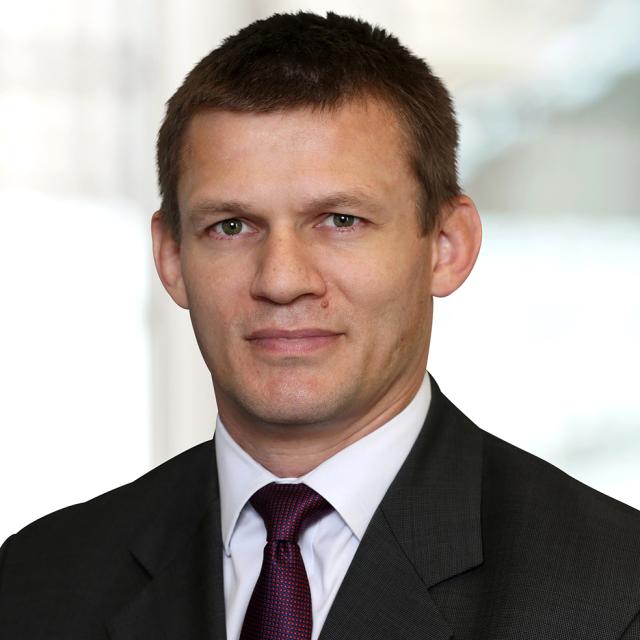
Among them, Thornton Tomasetti’s Applied Science Co-Leader and UK & Australia Region Co-Leader Pawel Woelke shared data-driven insights on decarbonization in art logistics, green shipping and climate-conscious operations – highlighting how measurable action can help galleries, museums and collectors build a truly greener art world.
For the art world, that means tracking emissions throughout an artwork’s life cycle – transport, installation, climate control and long-term storage – and creating transparency and accountability across every stage.
Pawel detailed how Thornton Tomasetti’s science-based decarbonization framework transforms emissions data into strategic action:
In Crozier’s world of global art logistics, that framework translates to fewer air shipments, optimized routes, and innovative storage systems powered by renewables. These steps are helping clients achieve measurable carbon footprint reduction in logistics and storage.
Drawing on Thornton Tomasetti’s global experience – from sustainability consulting for cultural institutions in Europe to large-scale infrastructure decarbonization projects – Pawel emphasized that the same data-driven principles can guide the fine art industry toward systemic carbon reduction.
Financial sustainability can drive environmental sustainability.
A key theme from the panel was the opportunity to rethink climate control standards in museums and galleries.
By recalibrating humidity and temperature ranges according to current conservation science, art institutions can drastically reduce their energy consumption while protecting collections. Modeling energy use and whole-life carbon can deliver both operational resilience and measurable decarbonization outcomes.
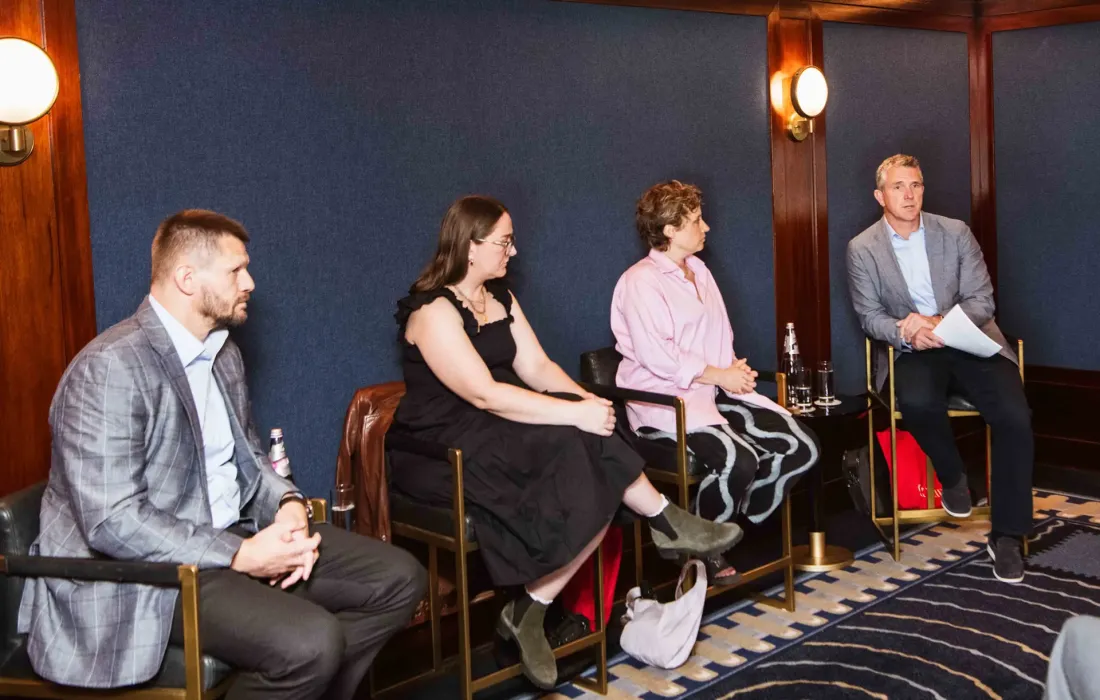
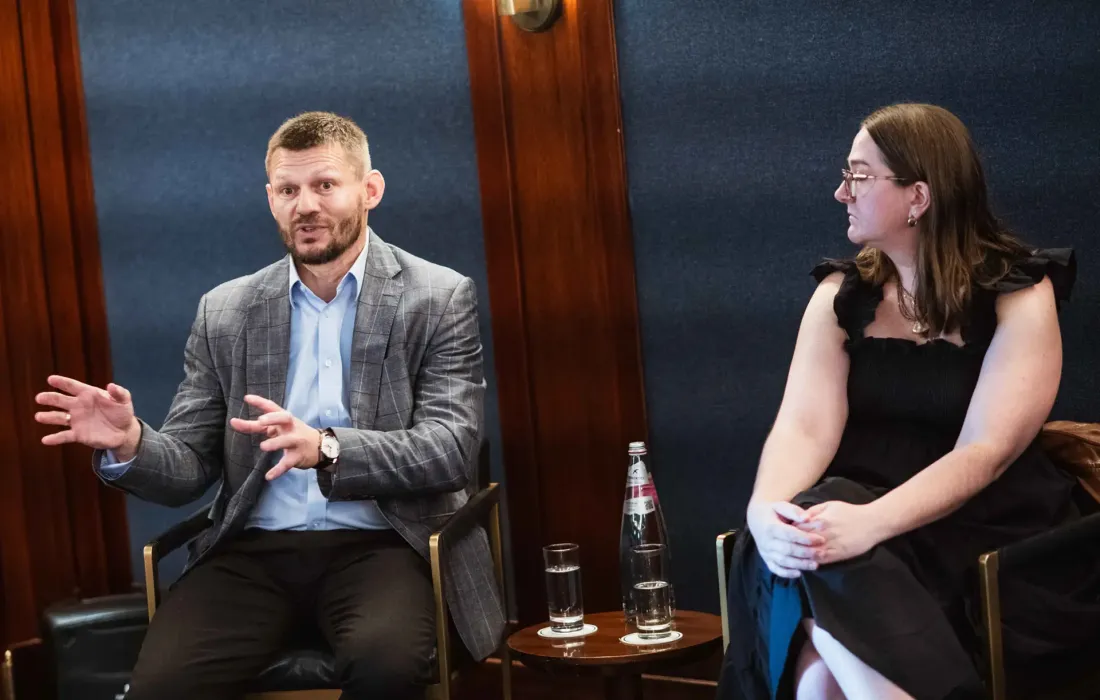
The panelists agreed that advancing sustainability in the art world requires shared metrics and consistent data. Pawel emphasized the need for alignment between shippers, conservators and engineers to ensure that carbon data is comparable across institutions.
Crozier Fine Arts’ convening role and Thornton Tomasetti’s analytical rigor demonstrate how dialogue between cultural and technical experts can move the artistic community from pledges to performance.
The panel concluded that true progress depends on cross-sector collaboration, shared data and accountability frameworks that connect logistics providers, architects and cultural institutions. Together, these partnerships make art world sustainability a shared, transparent and scalable effort.
At Thornton Tomasetti, we partner with cultural institutions, developers and logistics firms worldwide to advance sustainability performance. From optimizing green shipping routes to modeling carbon performance for cultural facilities, our multidisciplinary teams turn climate ambition into measurable, reportable results.