Steve Freihon/Related-Oxford
New York, New York
Global experience.
Regional perspective.
Local impact.
New York, New York
Australia
London, United Kingdom

Diriyah, Riyadh, Saudi Arabia


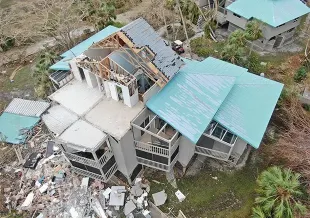
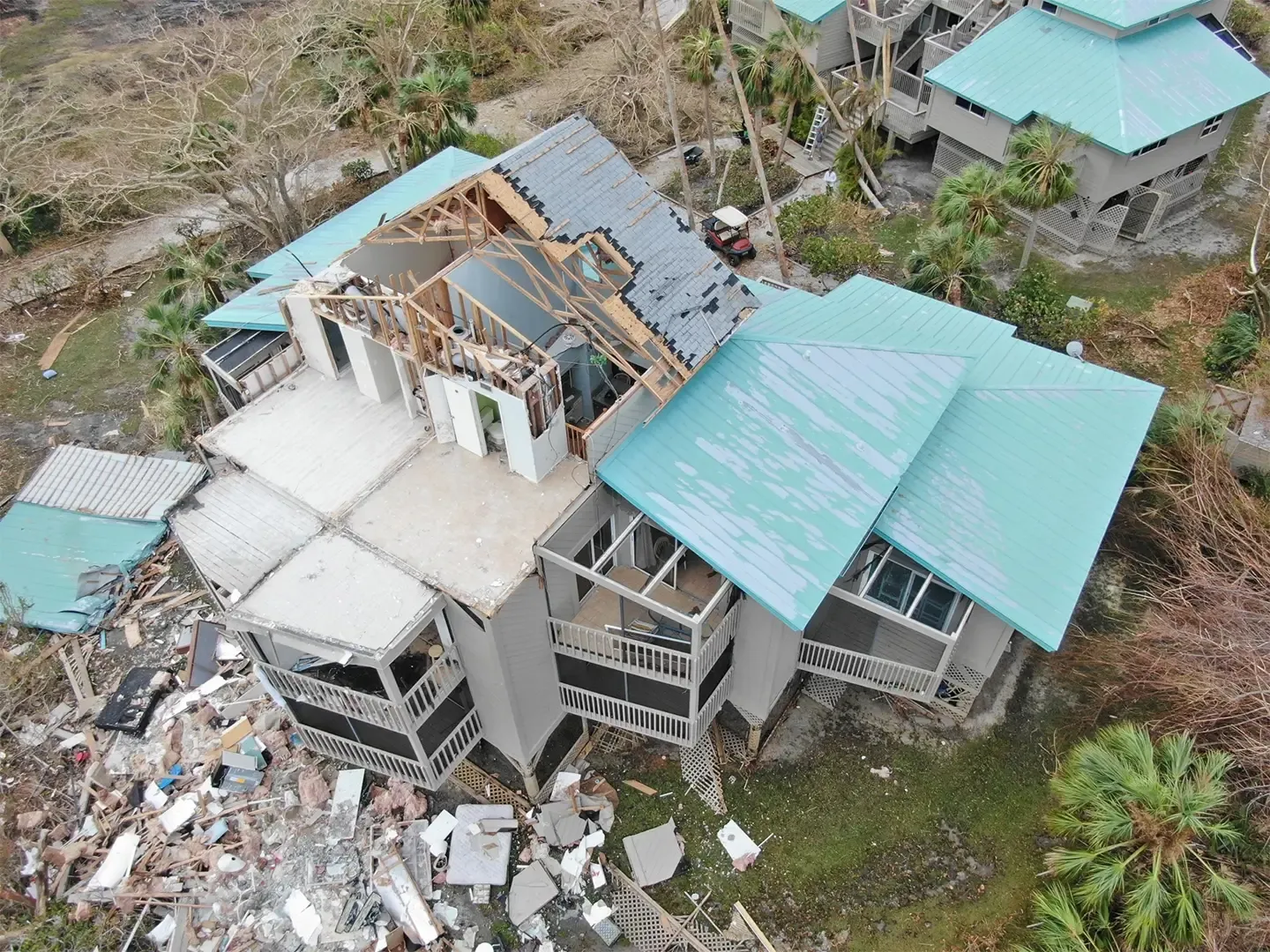
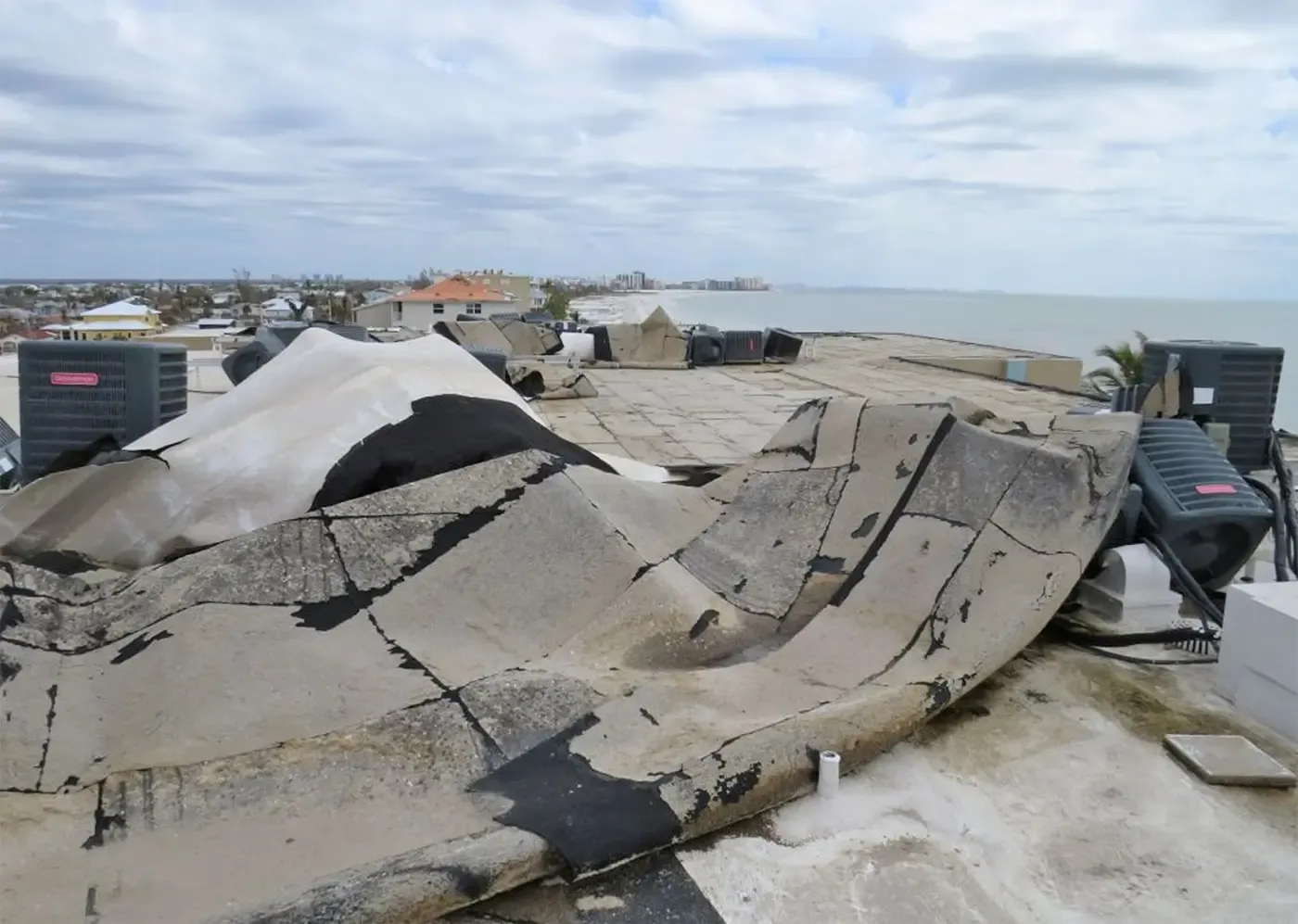
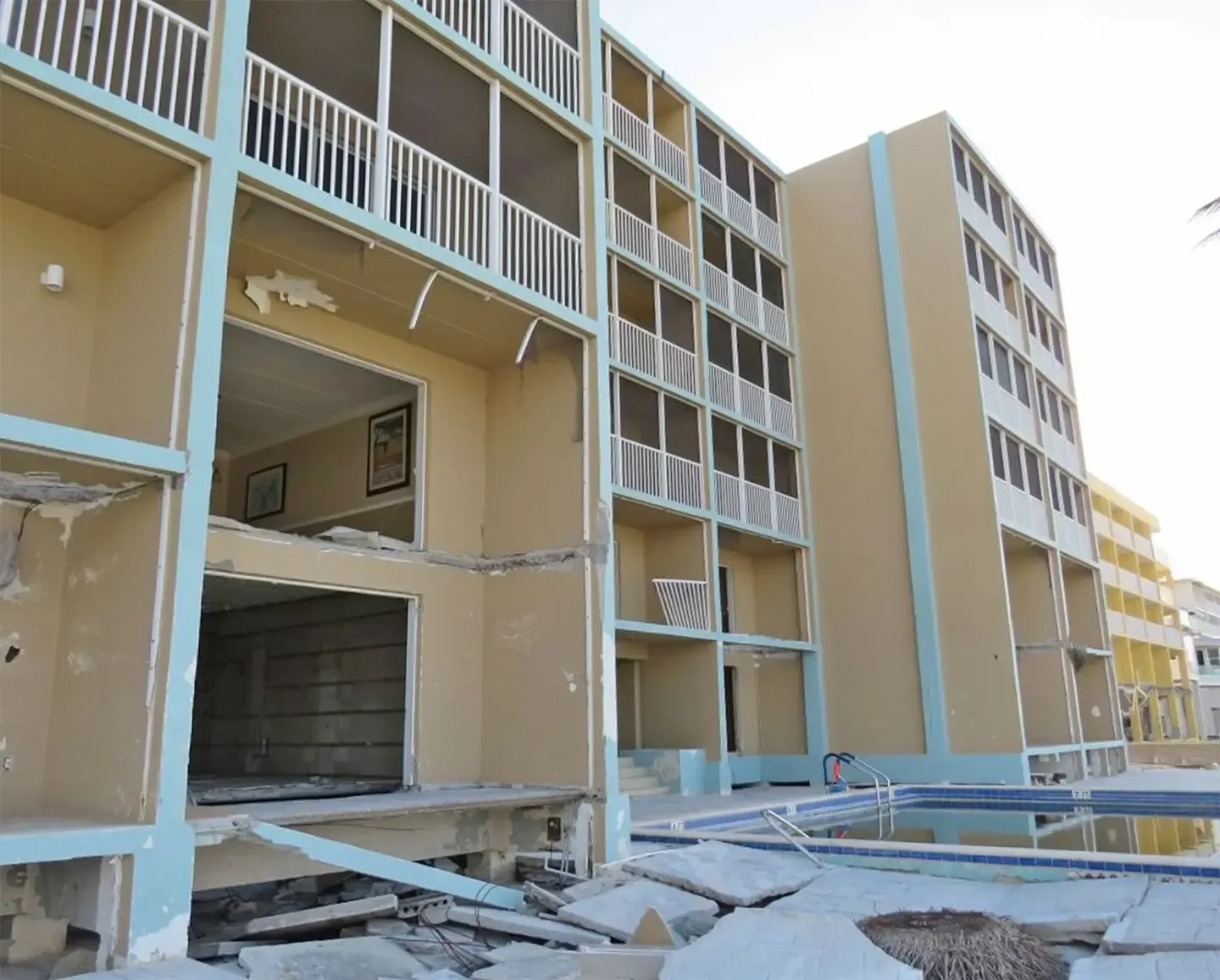
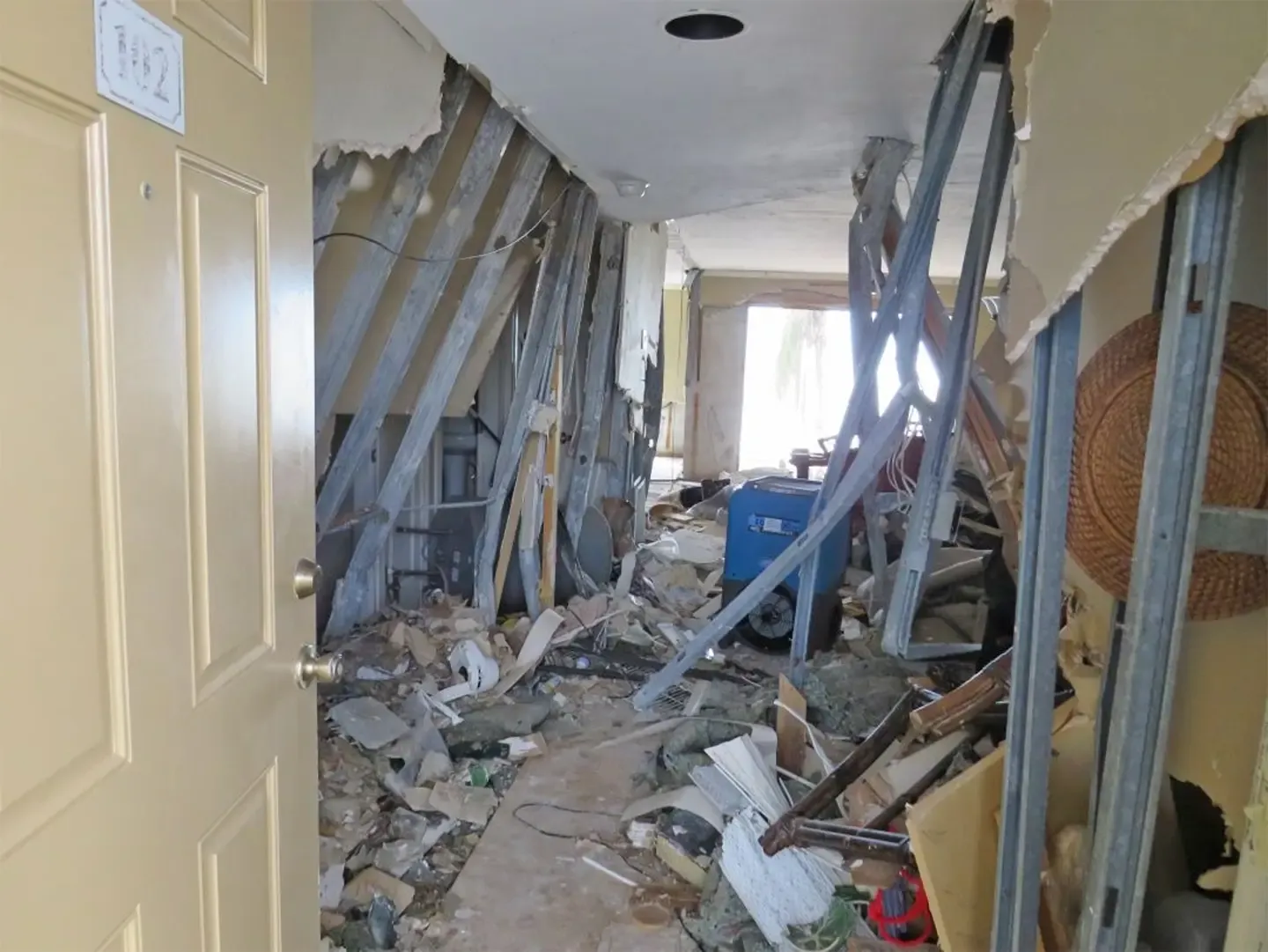
Two buildings can experience the same hurricane and emerge with dramatically different losses. One may require relatively straightforward repairs, while the other may generate a multimillion-dollar insurance claim, remain unoccupied for months, and require repairs that extend well beyond the damage initially observed.
When a hurricane claim becomes larger or more complex than expected, it can be tempting to look to the storm for the explanation. But forensic investigations repeatedly show that storm intensity is only part of the story.
The visible damage rarely explains the full claim. Building condition, maintenance and renovation history, previous upgrades, and the codes governing those improvements can all influence how damage develops and how far it spreads. Failing to identify those factors early can lead to inaccurate claim evaluations, unexpected restoration requirements, and prolonged disputes.
Key Takeaway: The severity of a hurricane damage claim depends on more than storm intensity. Building condition, roof and building envelope performance, maintenance history, previous renovations, and applicable building codes can all influence the extent of property damage and the resulting repair scope.
After a hurricane, the most obvious damage naturally gets the most immediate attention: a failed roof, broken windows, displaced mechanical equipment, or flooded interiors. But identifying what failed is different from understanding why the loss became as extensive as it did.
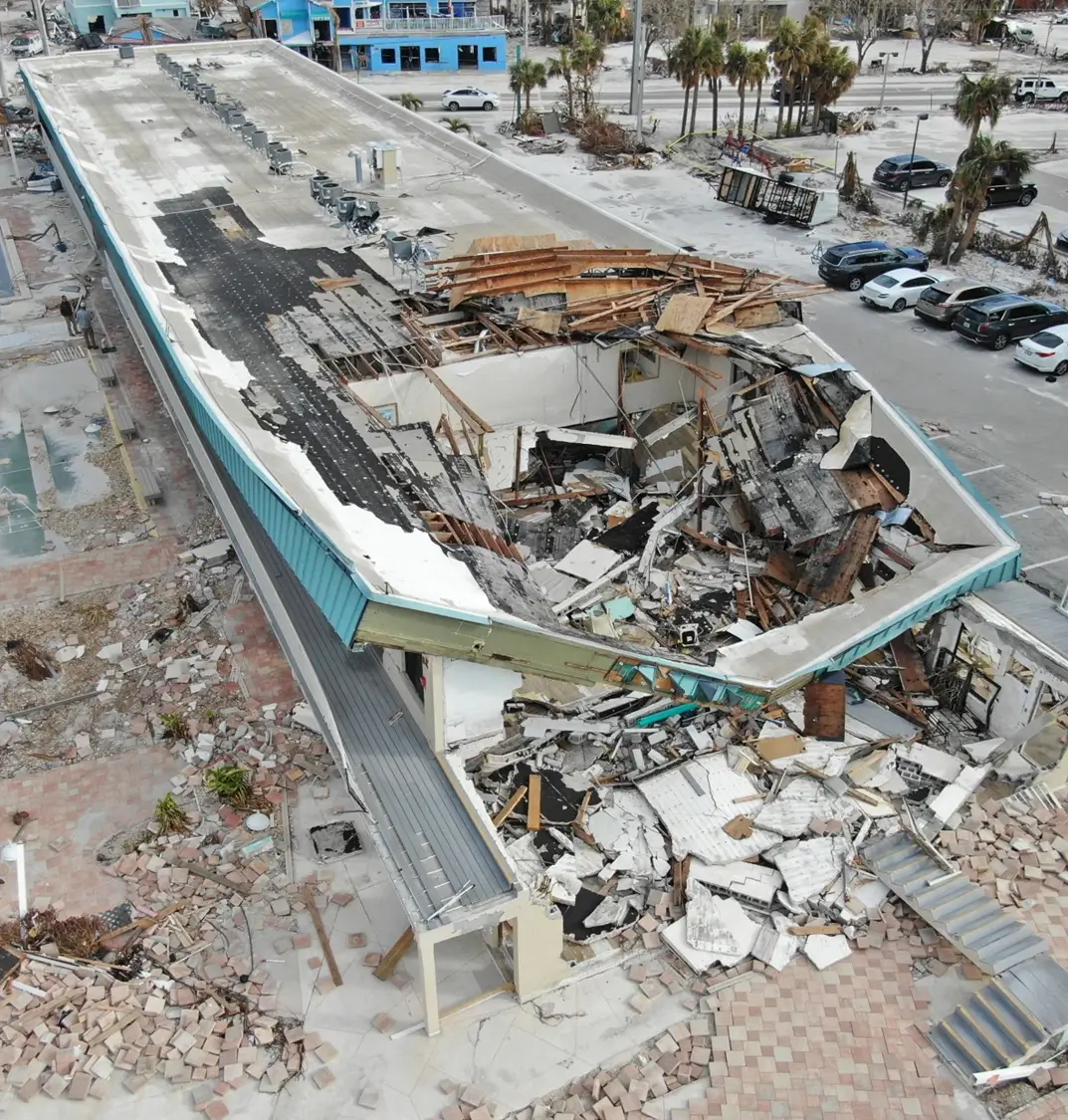
Consider a roof failure. The hurricane may have damaged the roof covering, but the resulting claim can depend heavily on the roof’s age and condition, how and when it was installed, and whether previous work was properly permitted. Once the roof or building envelope is compromised, rainwater can enter the building, damaging interior finishes, electrical systems, HVAC equipment, and other building components.
The same principle applies to windows and doors, rooftop equipment, and other building systems. What appears to be a single failure can initiate a chain of damage involving components that initially seem unrelated to the loss.
The hurricane may explain how the damage started. Understanding the building helps explain how the loss unfolded.
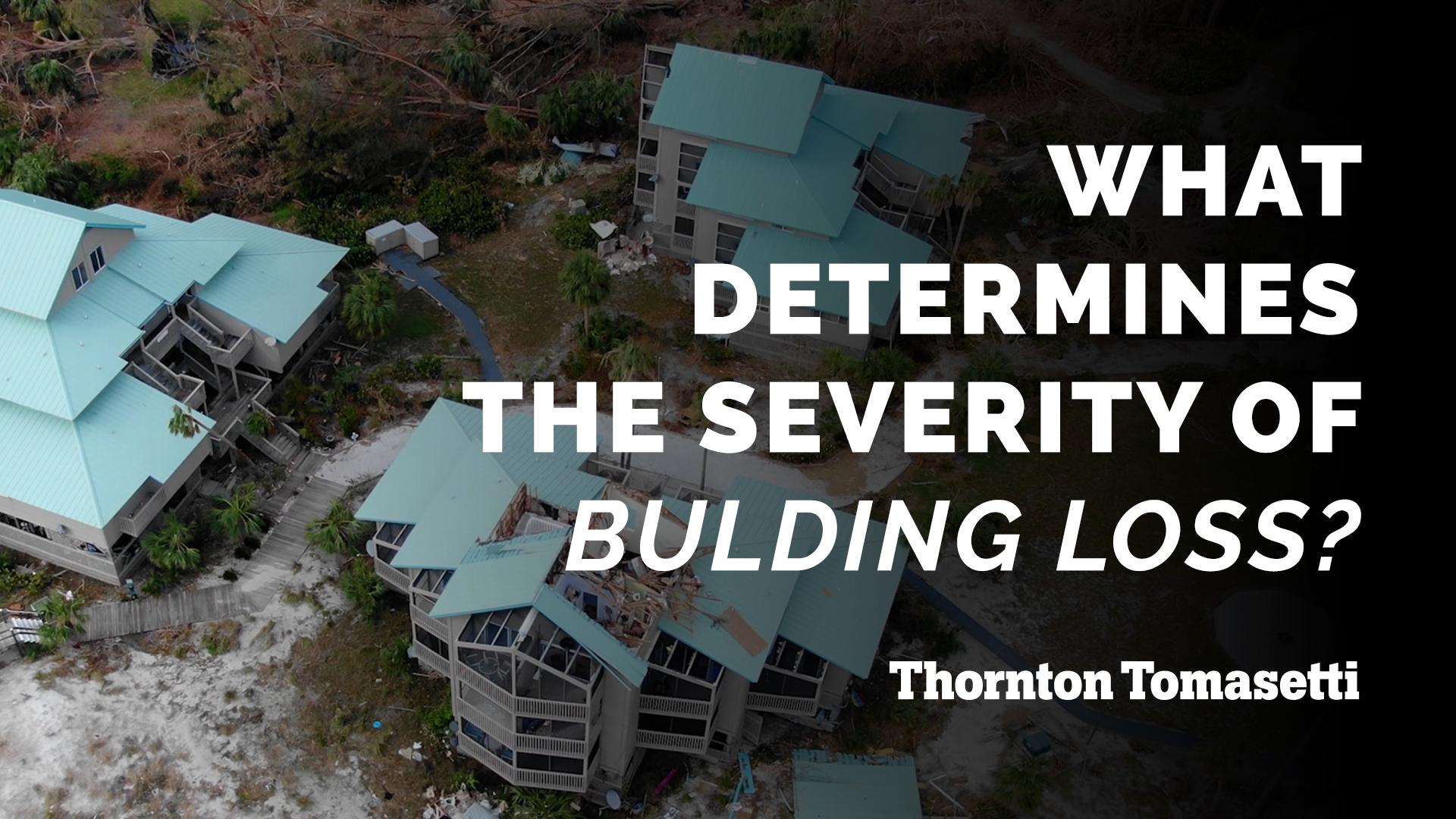
Similar buildings exposed to the same hurricane can experience vastly different losses because they entered the storm with different vulnerabilities.
A building with a newer roof, impact-resistant windows, and properly anchored equipment may perform very differently from a neighboring property with older systems under similar wind, rain, and storm-surge conditions.
That doesn’t necessarily mean the older building was out of compliance. A building can comply with the code in effect when it was constructed or renovated, while still lacking protections required by more recent codes. In other words, being code-compliant is not the same thing as being up to current code.
That’s why a building’s construction date alone rarely tells the full story. Forensic engineers may evaluate the age and condition of individual building systems, including:
A difference in the condition or performance of one building system can significantly increase the extent of a loss if its failure allows wind or water damage to spread.
Structural survival does not necessarily mean a building can quickly return to service.
In many hurricane investigations, the primary structure remains sound, but roof or damage to the roof or windows allows water to enter the building, affecting interior finishes and MEP systems.
Repairs can then extend beyond the components directly damaged by the storm. Depending on the jurisdiction, extent of damage, and scope of repairs, applicable building code requirements may affect the restoration scope and trigger upgrades beyond the components directly damaged by the storm. Components that seemed unrelated during the initial assessment can suddenly become part of the restoration effort.
If these factors are missed early, claims professionals may underestimate the scope, cost, and time required to return the property to service.
Storm conditions, building age and condition, roof and envelope performance, maintenance, previous renovations, water intrusion, and applicable codes can all affect the extent of a hurricane loss.
Yes. A building may comply with requirements applicable when it was constructed or renovated without incorporating provisions adopted later, subject to the jurisdiction and subsequent work performed.
Yes. A roof, window, or door failure can allow water intrusion that affects interior finishes, electrical systems, mechanical equipment, and other components.
Forensic engineers may compare physical observations with maintenance records, photographs, permits, repair histories, and other pre-loss documentation to evaluate whether conditions existed before the storm.
Building history provides evidence about the property's condition before the hurricane and can help explain why particular systems failed or why damage became more extensive.
Forensic engineers may evaluate physical damage, building-system performance, maintenance and renovation records, permits, pre-loss documentation, applicable codes, and available storm information to determine damage causation and extent.
When a hurricane claim doesn’t add up, the answer may lie in the building’s history. Maintenance records, photographs, previous repairs, permits, and renovation histories can help establish pre-storm conditions.
Forensic engineers evaluate building records alongside physical damage, building system performance, and available storm information to assess damage causation and extent. This analysis can help distinguish storm-related damage from pre-existing conditions and reconstruct how an initial failure led to damage elsewhere in the building.
Depending on the loss, the investigation may include document review, site inspection, damage mapping, evaluation of potential failure mechanisms, code research, and reconstruction of the sequence of damage.
The goal is not to minimize or maximize a claim. It is to understand what happened and why, so insurers and attorneys can make better-supported claim decisions.
As losses grow in size and complexity, this becomes increasingly important. Misattributing damage, overlooking pre-existing vulnerabilities, or failing to anticipate code-related repair requirements can prolong the claims process and increase the likelihood of disputes.
Visible damage is only the beginning of a hurricane damage evaluation. By examining physical damage alongside building condition, maintenance and renovation history, pre-existing conditions, and applicable codes, forensic engineers can better determine how a loss occurred and why it became as extensive as it did. That analysis gives insurers and attorneys a stronger technical basis for evaluating complex hurricane damage claims.
Need support with a complex hurricane damage claim? Connect with our forensic engineering experts
Thornton Tomasetti’s forensic and emergency response engineering professionals support clients before and after hurricanes with vulnerability assessments, damage evaluations, emergency stabilization recommendations, repair strategies, and resilience-focused mitigation planning.
Our teams help building owners, facility managers, insurers, and public agencies evaluate storm-related damage to structural systems, façades, roofs, building envelopes, rooftop equipment, and critical infrastructure. We also provide technical investigations, property loss consulting, expert support, and litigation support when needed.