Steve Freihon/Related-Oxford
New York, New York
Global experience.
Regional perspective.
Local impact.
New York, New York
Australia

London, United Kingdom

Diriyah, Riyadh, Saudi Arabia
Decades of hidden corrosion, hundreds of vulnerable residents, and one pivotal decision: our forensic engineers helped New York City determine whether to patch, stabilize, or start over.

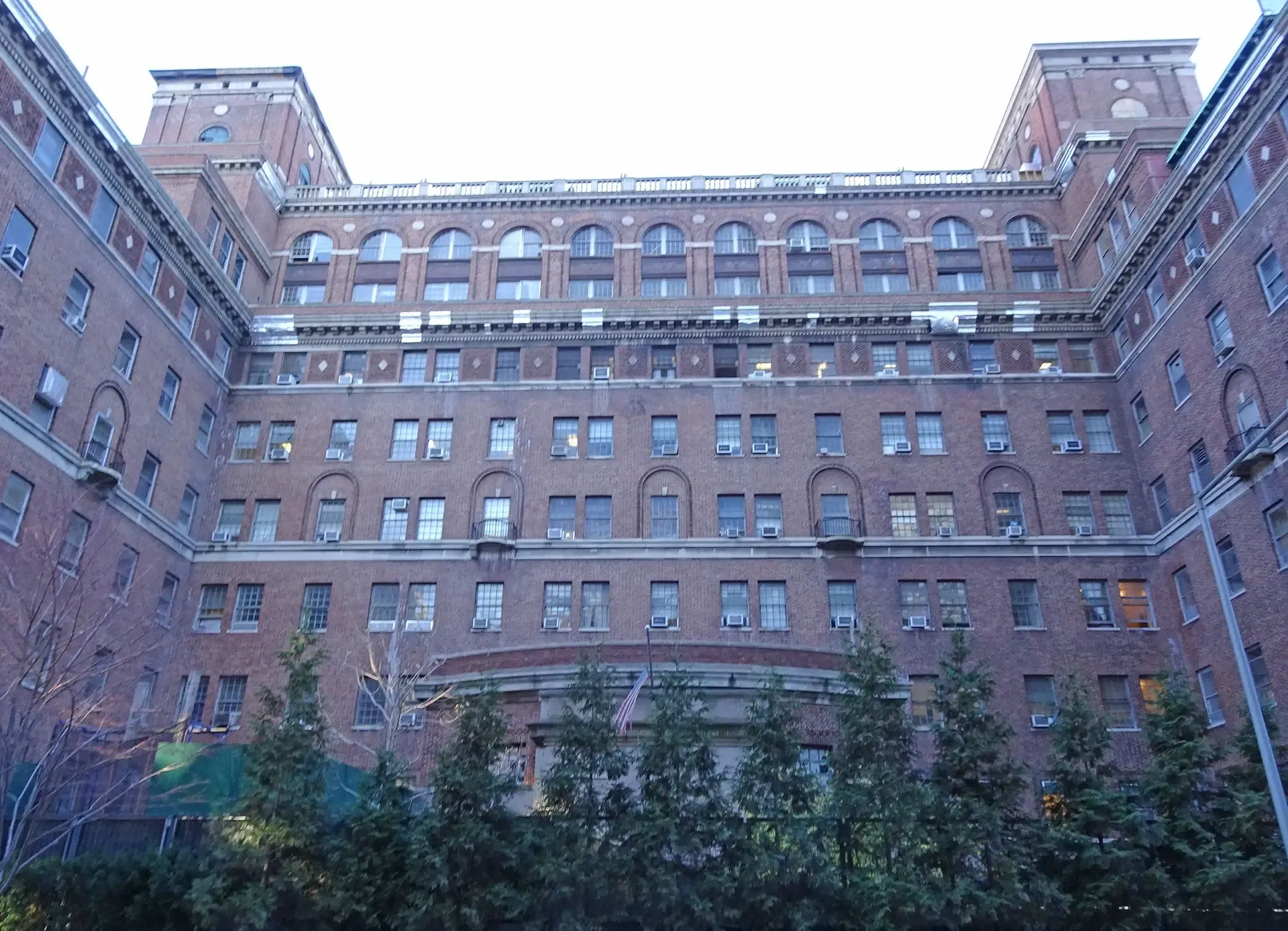
Built around 1929, 30th Street Men’s Intake Shelter (often referred to as Bellevue) is a nine-story, steel-framed building that has long served as one of New York City’s largest intake centers for unhoused men. After decades of leaks, corrosion, and ad hoc repairs, the basement and superstructure showed widespread deterioration that raised serious concerns about long-term safety. A 2017 investigation by two government agencies yielded insufficient information for the city to move forward with major work, so the New York City Department of Design and Construction (NYC DDC) engaged Thornton Tomasetti’s forensics team to conduct a clear, data-driven forensic structural investigation of the building’s condition and identify the city’s options for repair, replacement, or relocation.
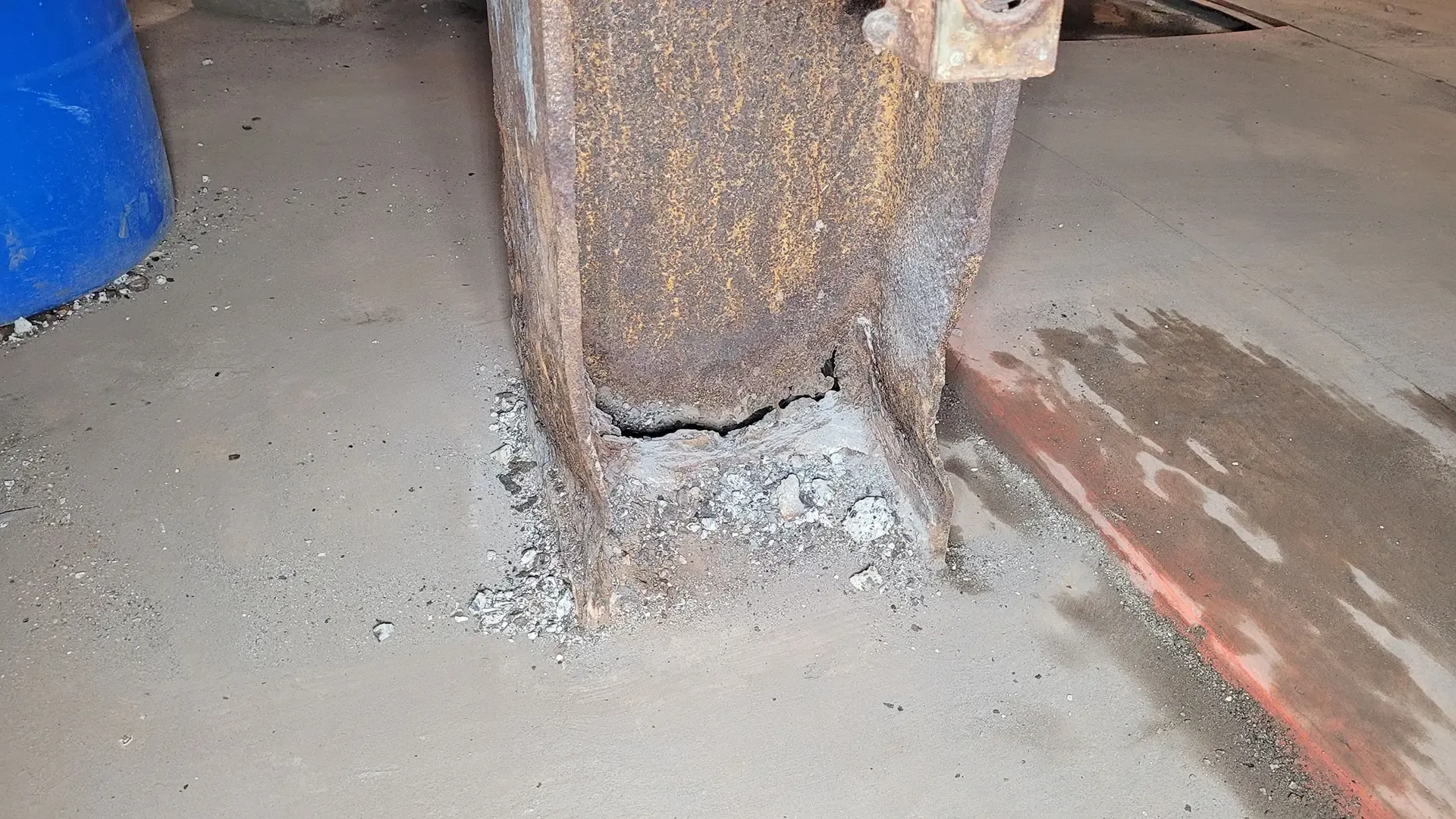
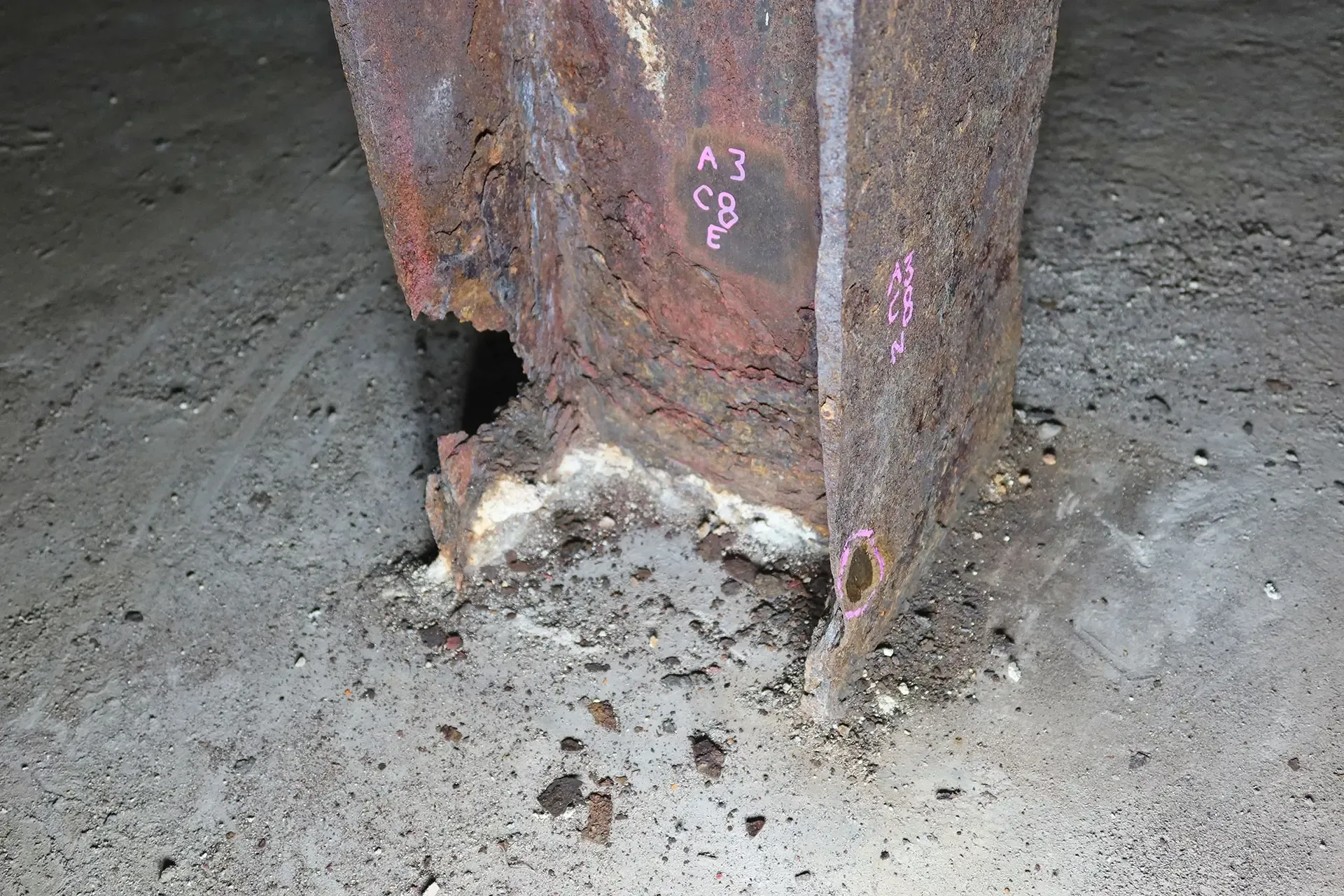
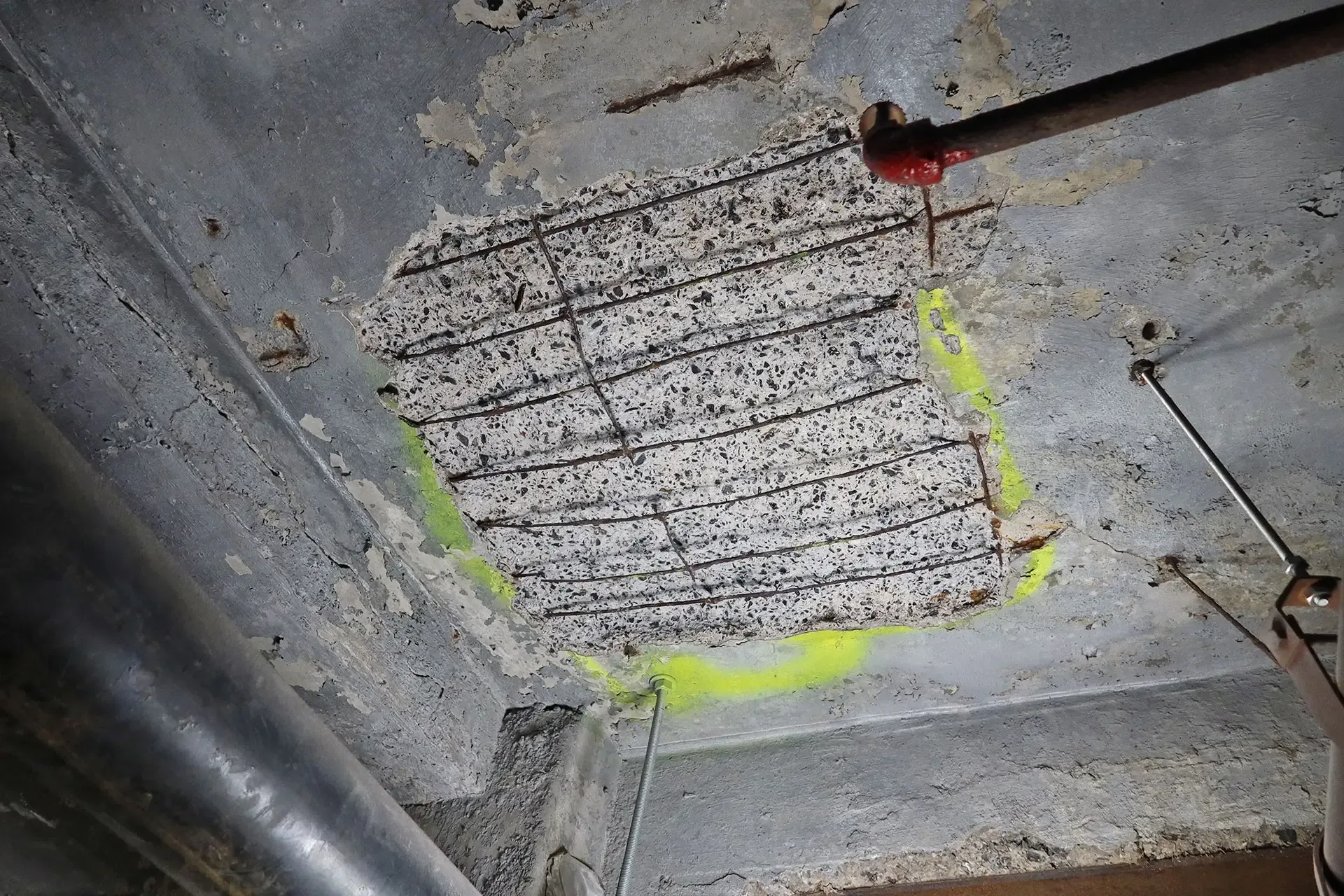
Our work focused on determining whether the aging shelter could be safely repaired or whether it required more substantial intervention, while helping the DDC manage risk to residents, staff, and the public. We looked beyond isolated defects to evaluate the health of the entire structural system, including heavily corroded beams, slabs, and columns hidden behind finishes and in hard-to-reach basement areas. We then translated our technical findings into recommendations city agencies could use to make informed decisions.
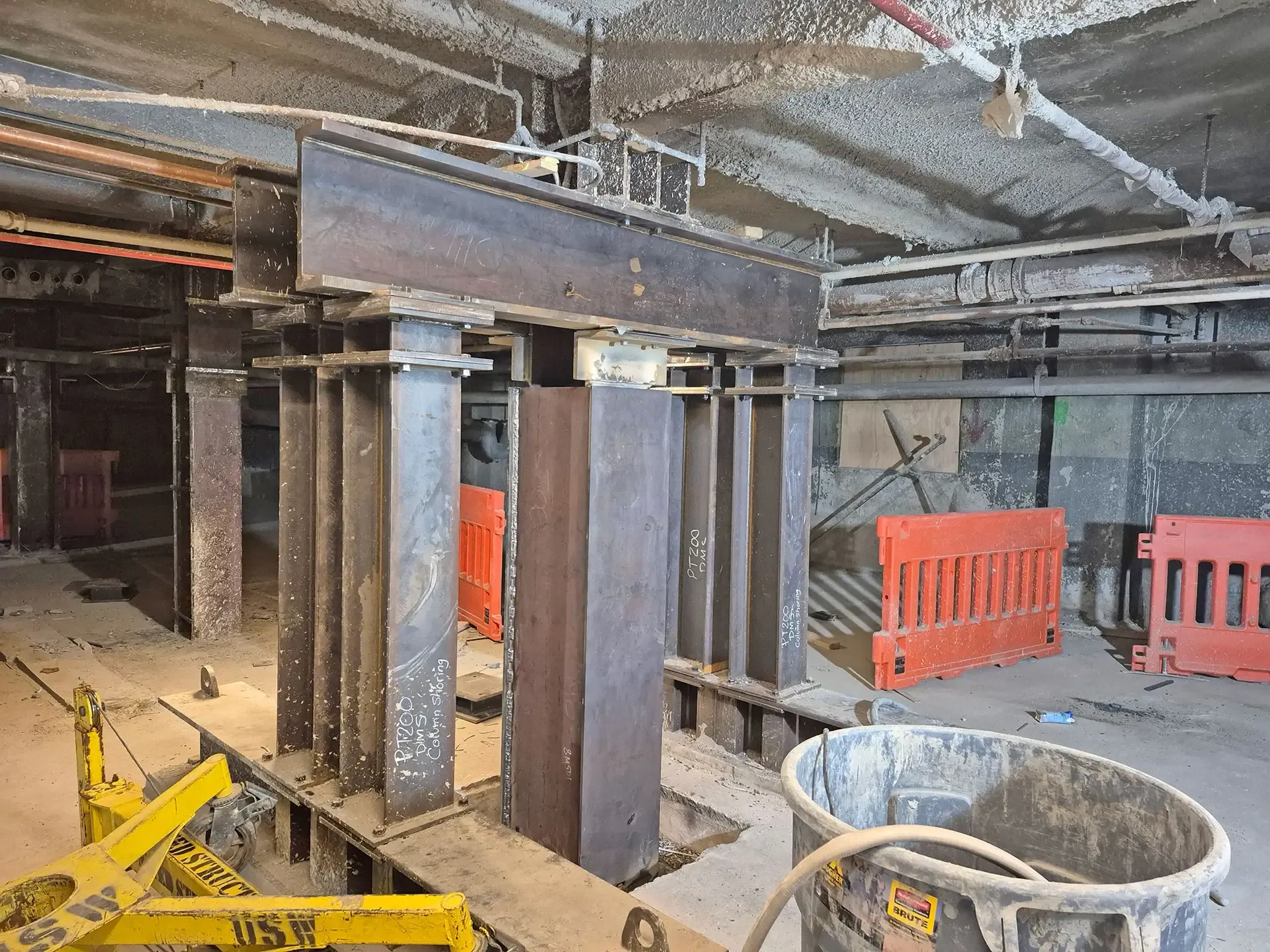
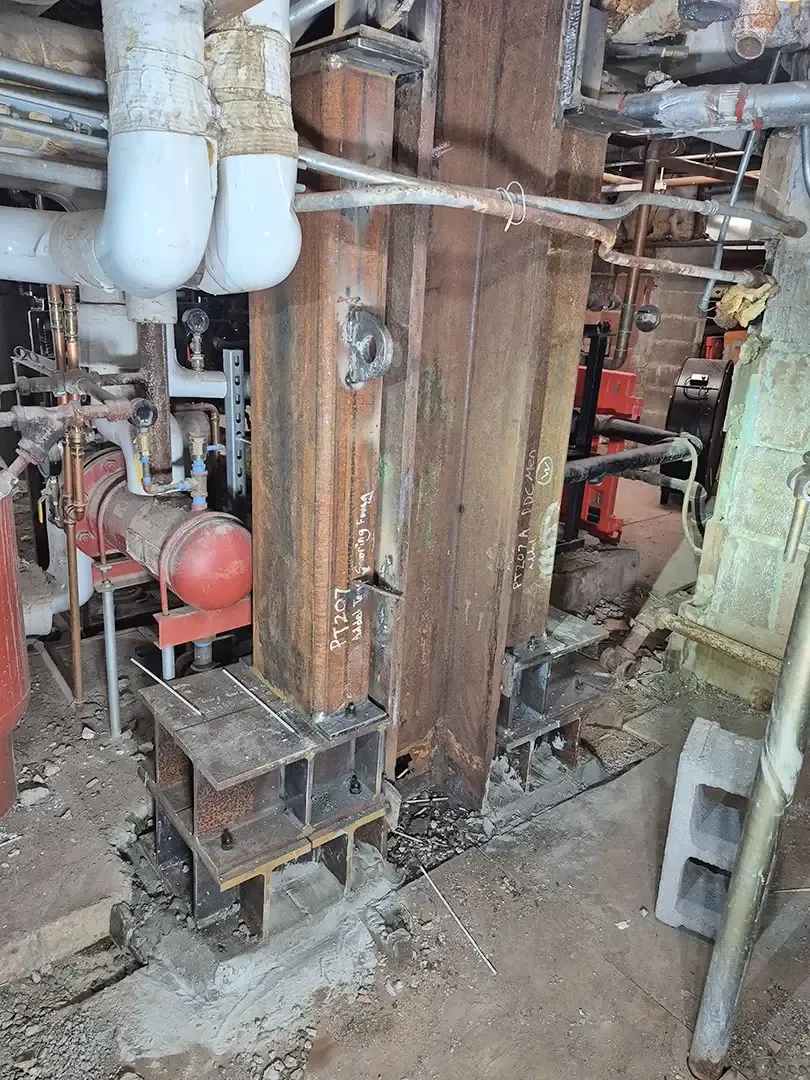
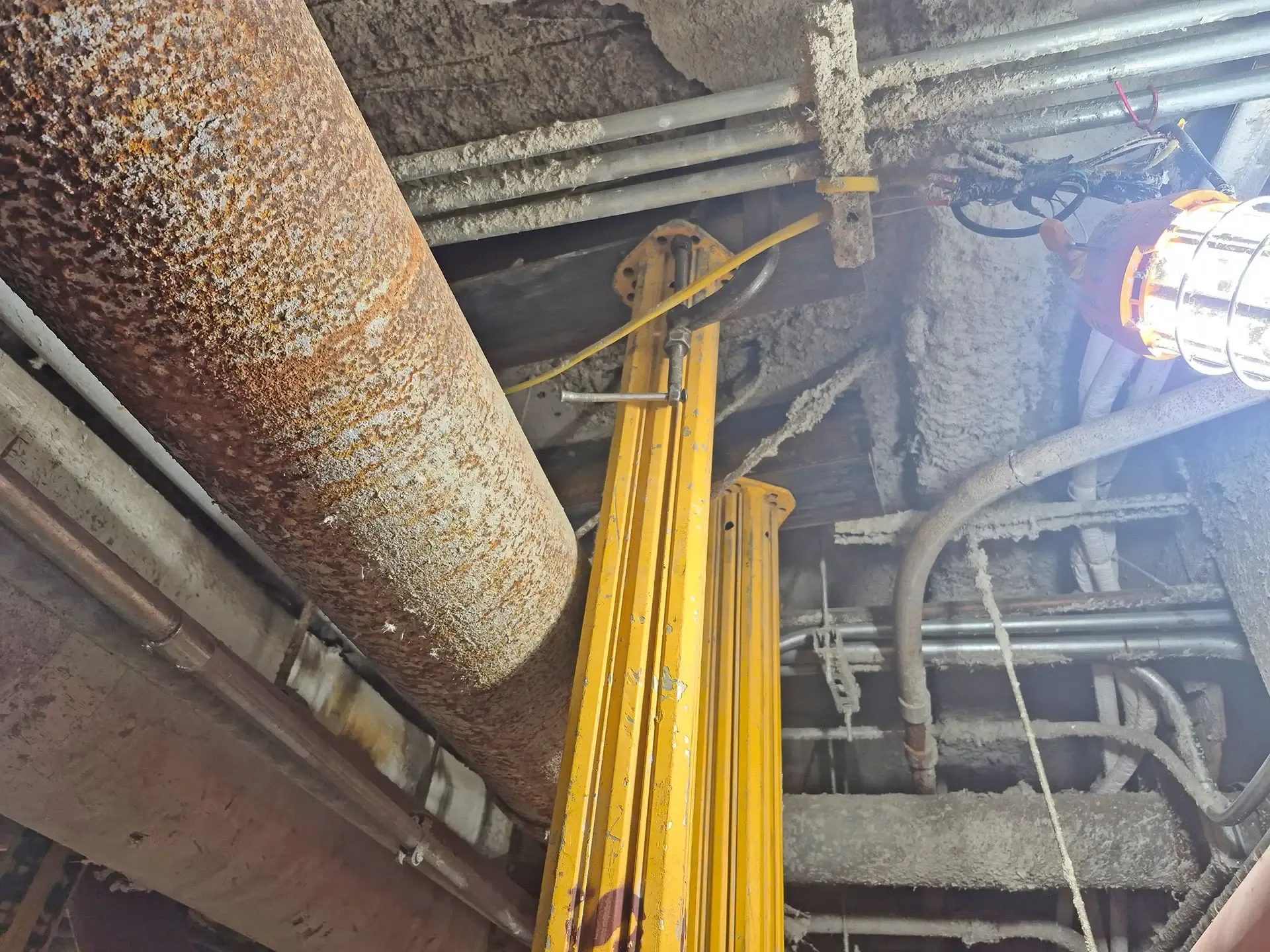
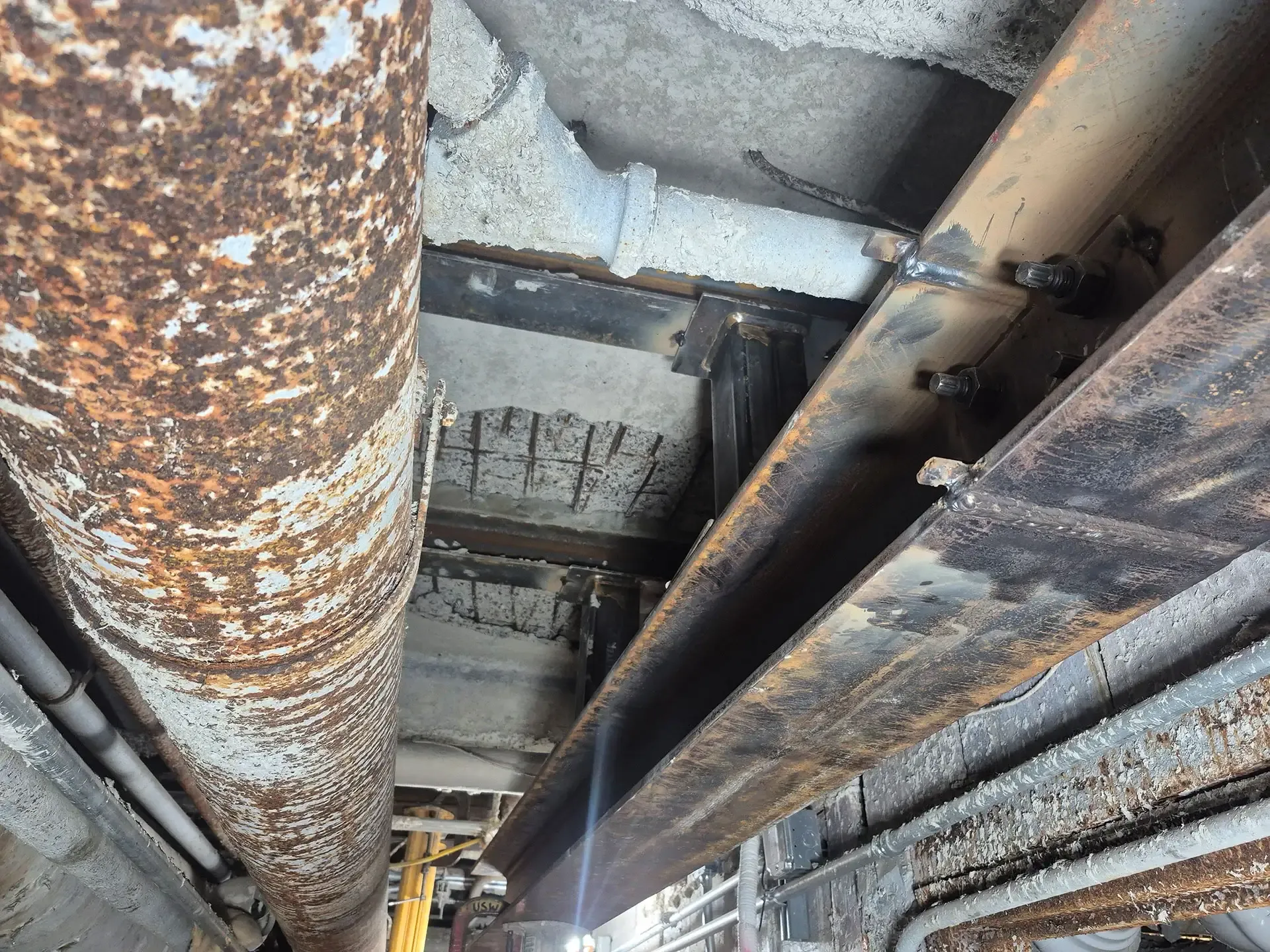
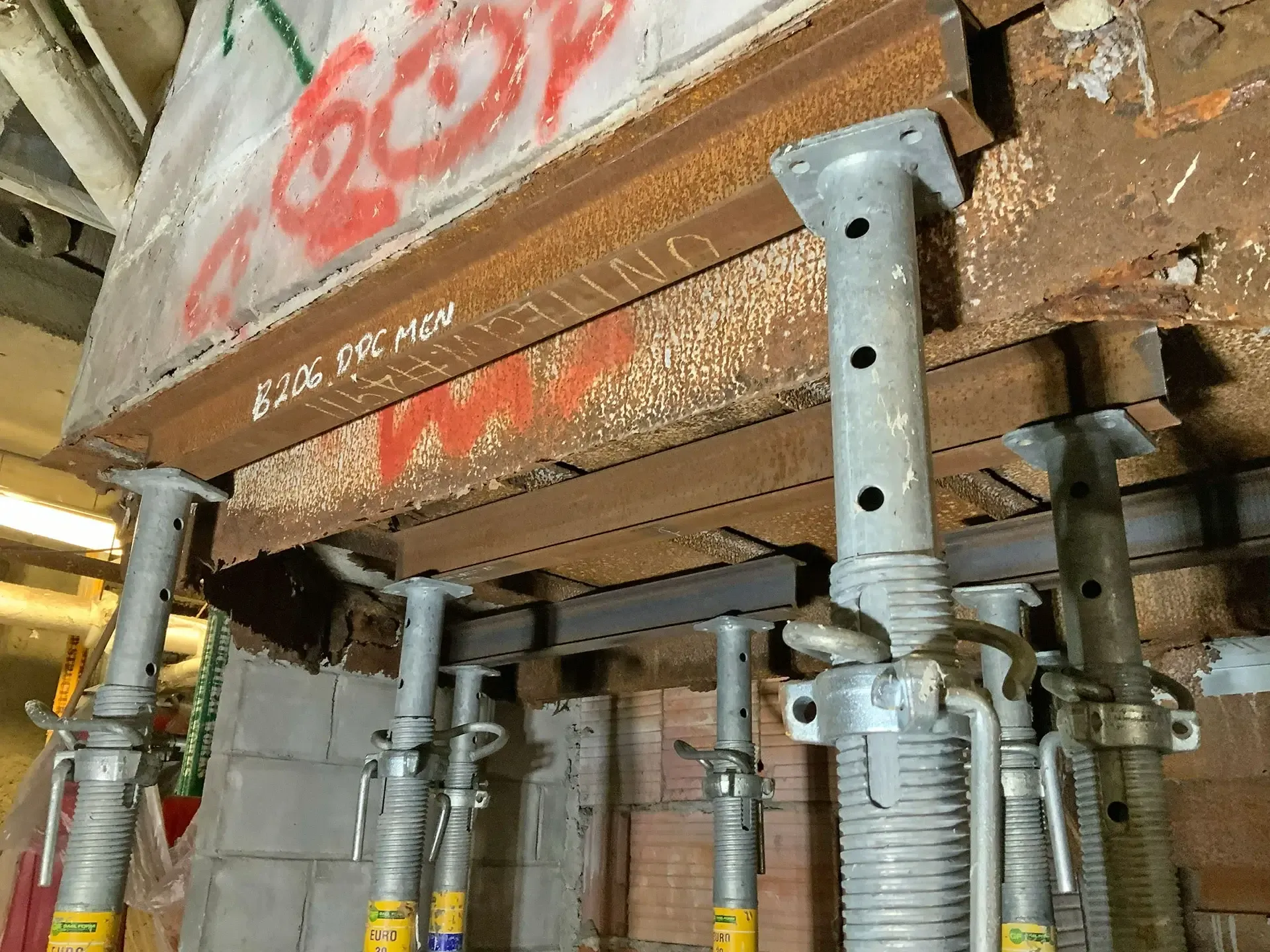
Working with the DDC, we carried out a multiphase forensic investigation of the shelter’s basement level and other critical areas. Our team mapped corrosion and structural distress throughout the steel framing and floor systems and developed a probing program that combined nondestructive testing with selective openings to quantify section loss in beams, slabs, columns, and stairs.
The resulting data informed our structural analyses, which identified elements at risk of failure and prioritized emergency response measures. Because field conditions varied significantly from location to location, we couldn’t rely on a one-size-fits-all repair strategy. Instead, we designed shoring and hazard-mitigation details tailored to specific field conditions, including column and floor stabilization, localized closures, and other protective measures, allowing shelter operations to continue while the DDC addressed immediate safety risks.
Our forensic structural investigation identified several severely corroded steel columns and widespread deterioration that piecemeal repairs couldn’t resolve. The findings provided the technical basis for the New York City Department of Buildings to issue an emergency work order and helped secure substantial funding for major stabilization work.
In parallel, we developed a condition-assessment report showing that demolition and replacement was the most cost-effective long-term solution. Our work helped city leaders make an informed decision about the facility’s future and demonstrated how rigorous forensic engineering and clear communication can guide high-stakes public-sector decisions for vulnerable populations.