Steve Freihon/Related-Oxford
New York, New York
Global experience.
Regional perspective.
Local impact.
New York, New York
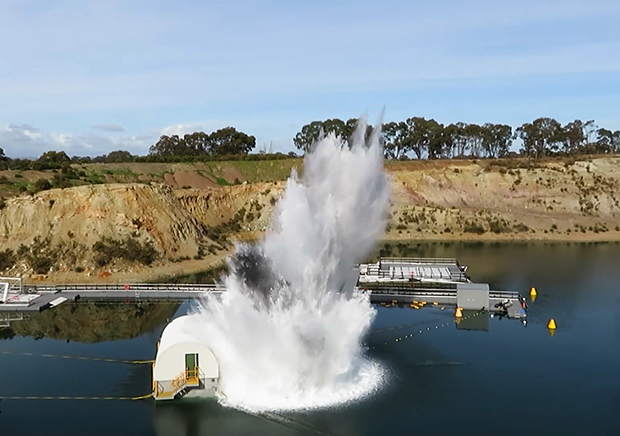
Australia
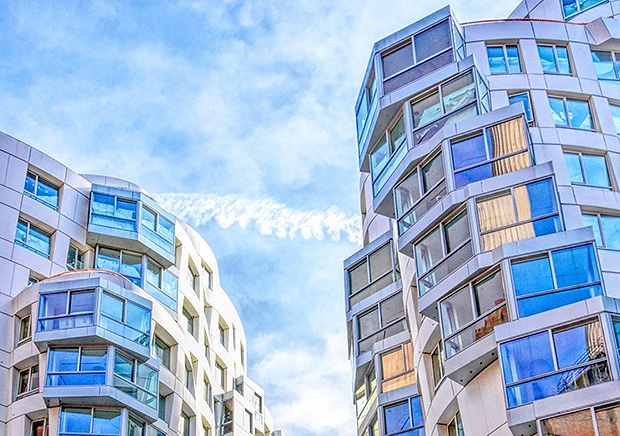
London, United Kingdom
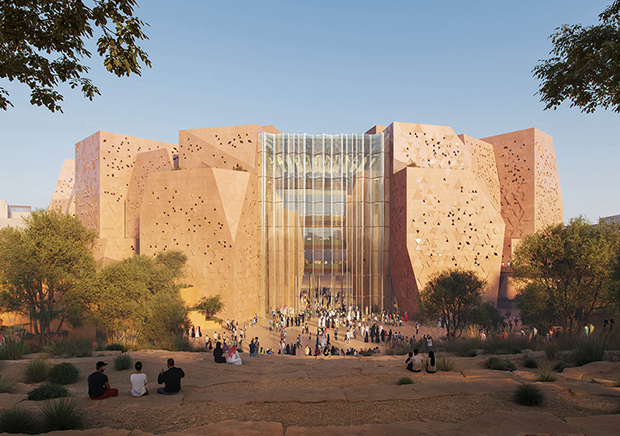
Diriyah, Riyadh, Saudi Arabia
Baku’s skyline gets a dramatic twist: Performance-based structural design powers the Central Bank of Azerbaijan’s iconic twisting tower.

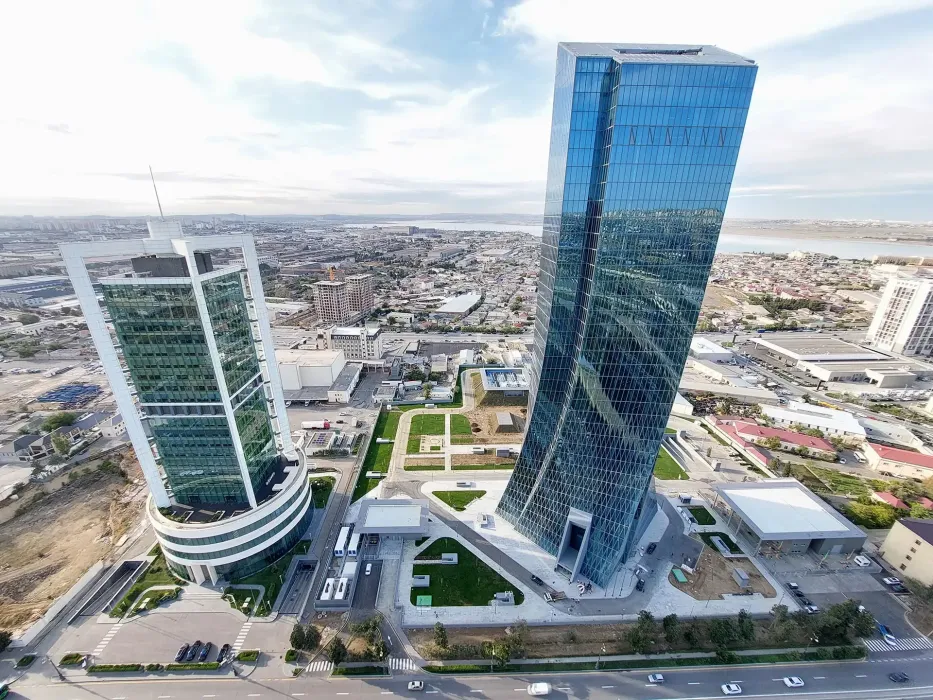
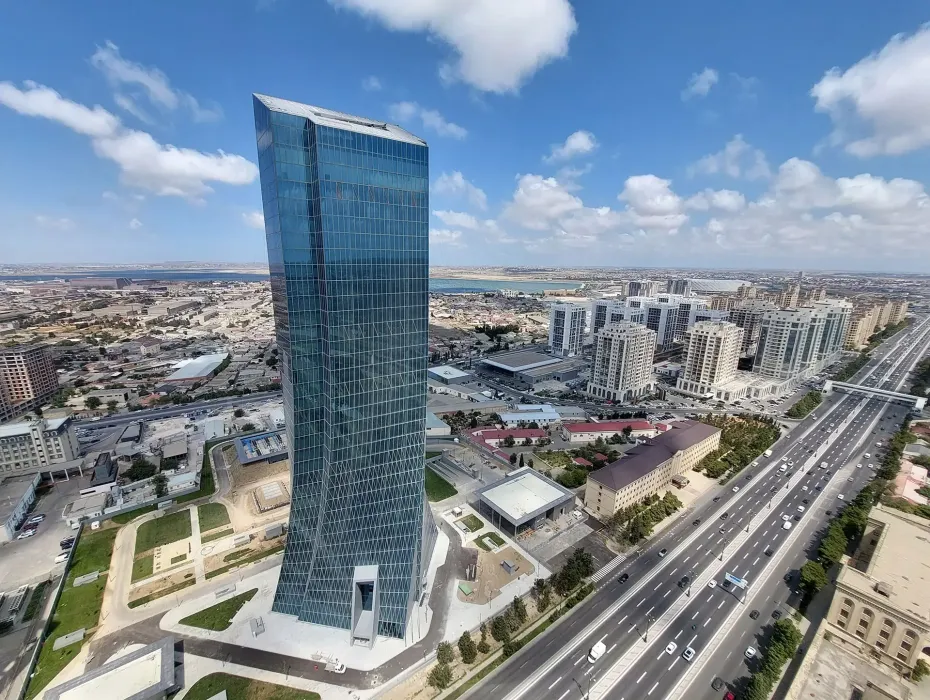
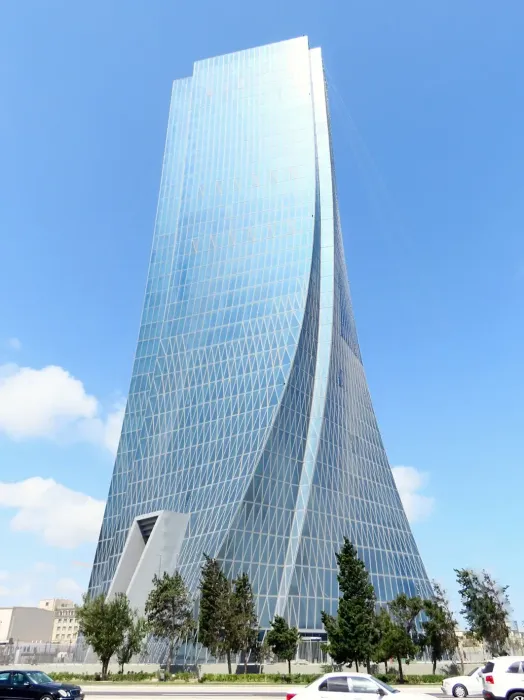
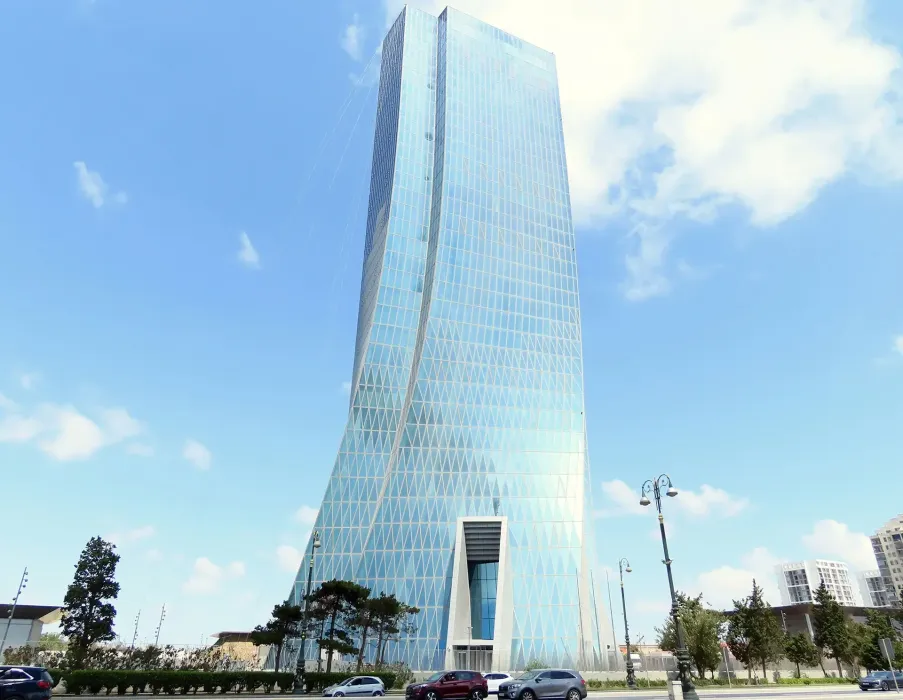
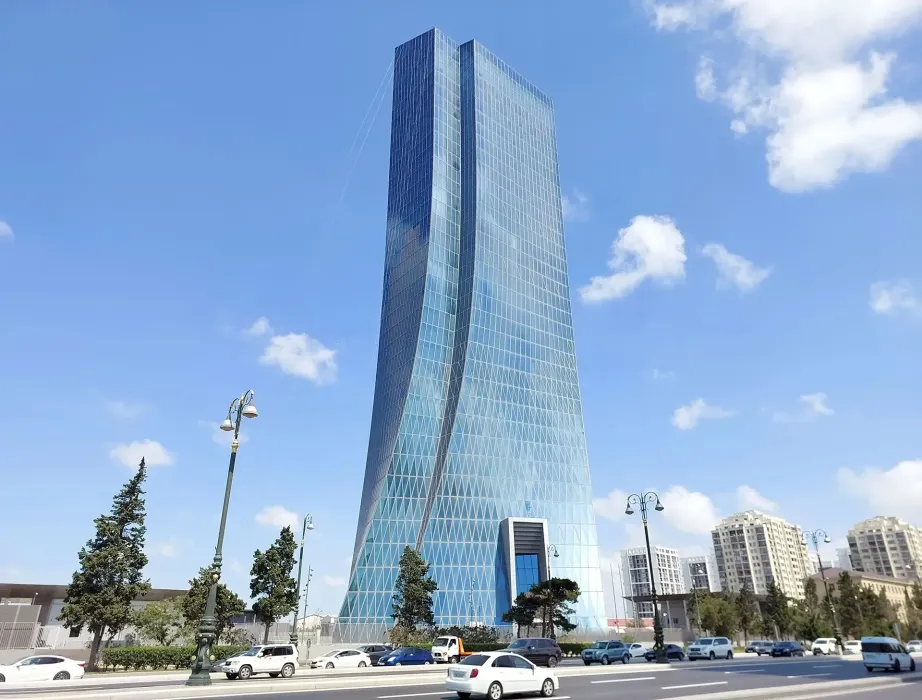
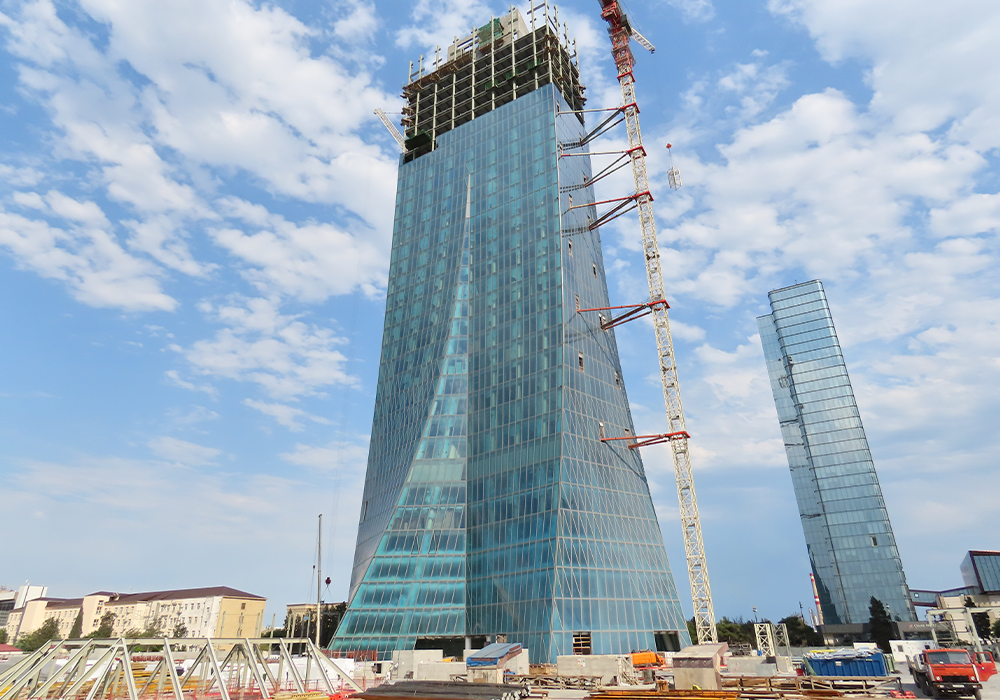
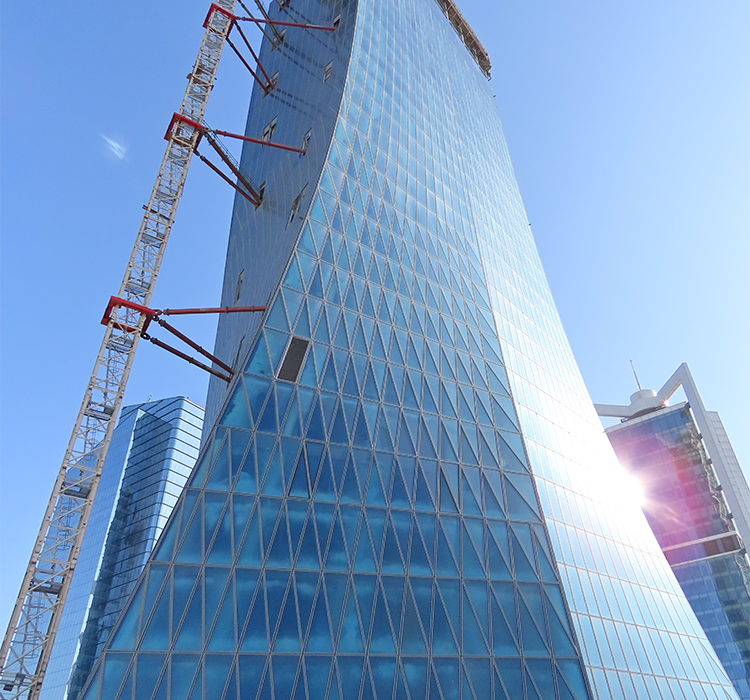
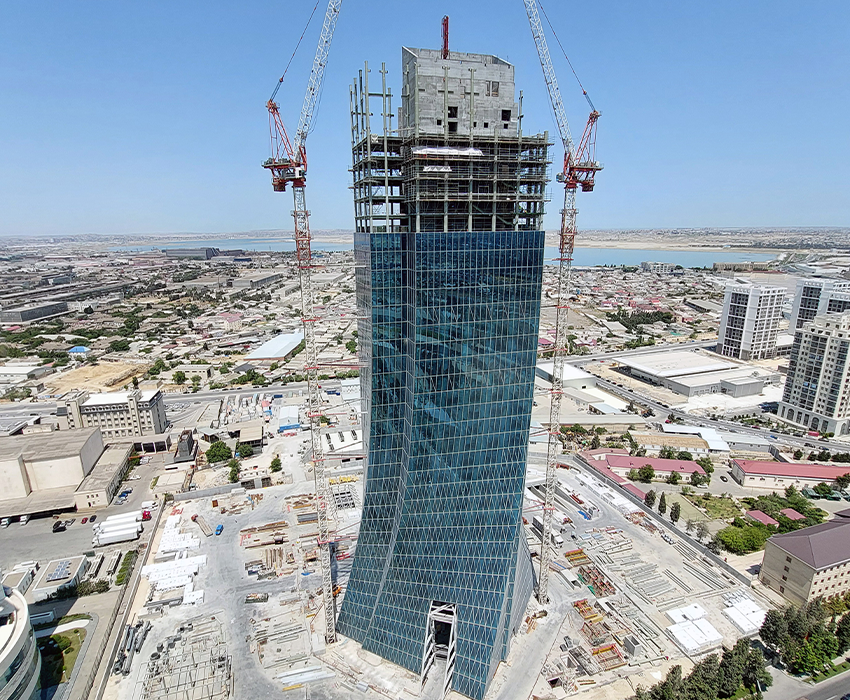
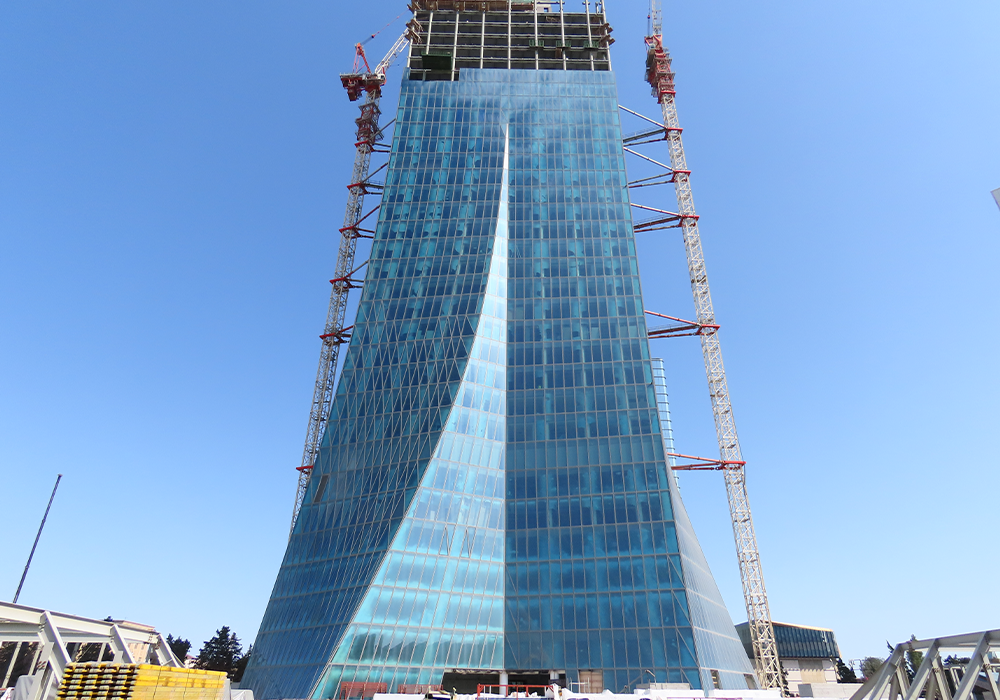
The Central Bank of Azerbaijan’s new 164-meter-tall headquarters redefines Baku’s financial district with a dynamic twisting form that reshapes the city’s skyline while supporting the bank’s core administrative functions. Working with design-build partner Tekfen Construction, we provided structural design and construction engineering services for the high-rise, which has to withstand intense wind and seismic demands without losing the clarity of its architectural expression. Our engineers modeled the rotating floor plates and angled perimeter columns as a single three-dimensional structural system, sizing the concentric reinforced-concrete core walls to carry combined gravity, lateral, and torsional loads down to the deep foundations. That approach lets the tower’s geometry do more than define its silhouette – it helps the structure resist the continuous torsional effects created by the twist.
To respond directly to the structural demands of the site and the tower’s nonlinear geometry, we used seismic performance-based design. Our team developed site-specific seismic hazard data for Baku and ran nonlinear time-history analyses to fine-tune core wall thicknesses, coupling beam details, and deep pile layouts. This kept drifts and member demands within target limits without oversizing the walls and foundations. We also checked story drifts and peak accelerations against CTBUH and ISO 10137 office comfort criteria, keeping predicted accelerations below roughly 2 to 2.5% g at upper occupied floors so the tower remains comfortable during wind events.
A full-height south atrium cuts through the tower, leaving several perimeter columns unbraced for heights ranging from five to 10 stories. We treated those members as slender, partially unbraced elements in a high-seismic zone and checked combined axial, bending, and drift demands at those locations. Then we refined reinforcements, splices, and column-to-slab connections so the atrium could stay open and light-filled while still meeting strength and serviceability requirements.
The tower melds 26 office floors, four mechanical levels, and seven amenity floors within a single structural system. We shared analytical models and staged-load studies with Tekfen Construction to estimate twist, lateral drift, and vertical shortening during erection. We used those results to set survey targets and guided strength and serviceability checks throughout construction, ensuring the as-built structure matched the intended geometry and performance.