Steve Freihon/Related-Oxford
New York, New York
Global experience.
Regional perspective.
Local impact.
New York, New York

Australia
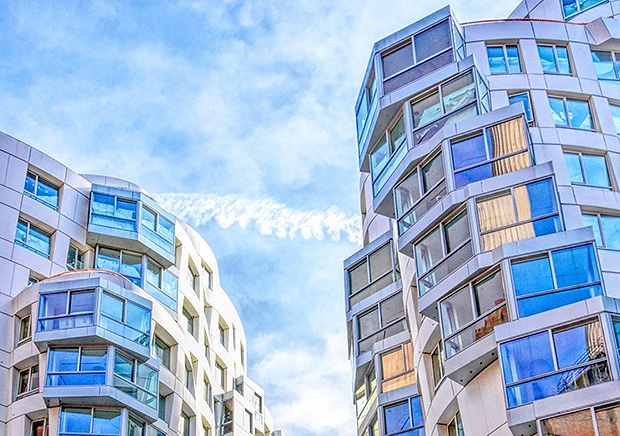
London, United Kingdom
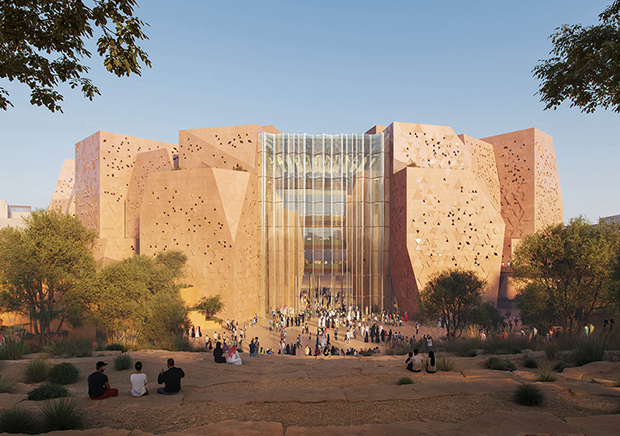
Diriyah, Riyadh, Saudi Arabia
Mass timber, efficient design, and Midwestern practicality intersect in a mixed-use affordable housing project that is climate-conscious yet still feels like home.

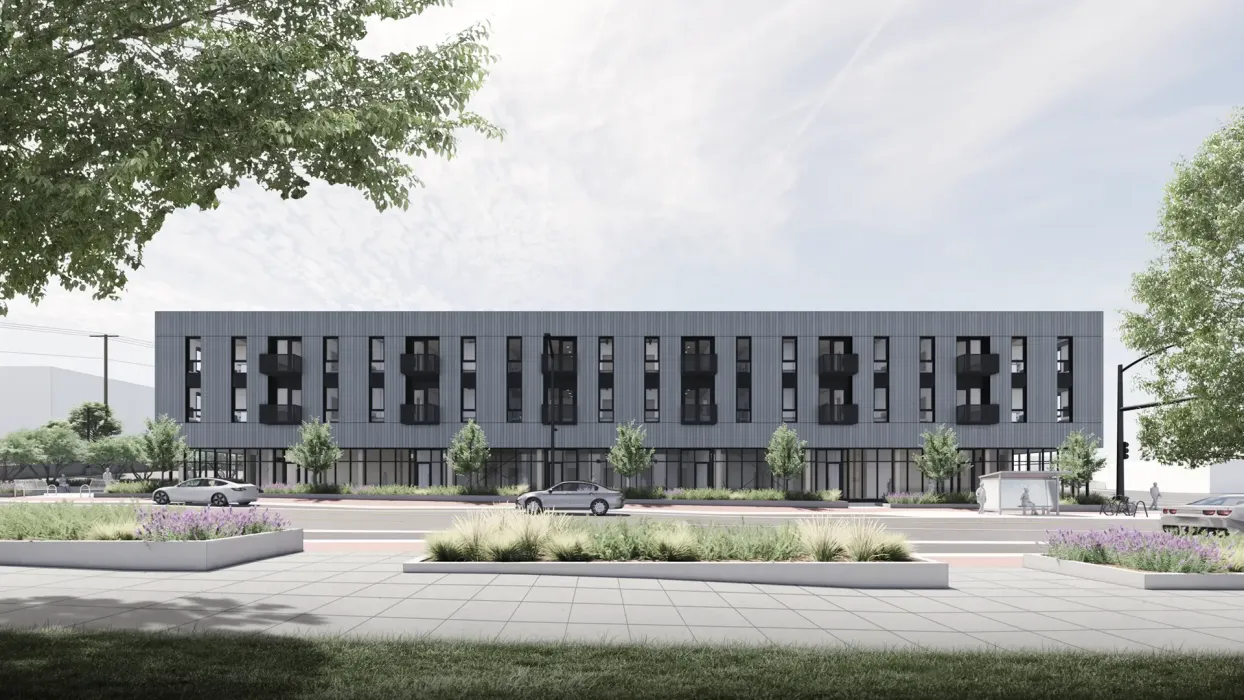
Situated along Des Moines’ historic Ingersoll Avenue corridor, the three-story Goldfinch Lofts is one answer to a simple but ambitious question: What should affordable housing look like in a modern Midwestern city? The mixed-use residential building, which occupies the former site of a long-vacant bank, promises to help reinvigorate the neighborhood socially and economically. The development has 10,000 square feet of retail and restaurant space at street level. Above it are 28 apartments serving households earning around 30 to 80 percent of the area’s median income, with one- and two-bedroom layouts designed to balance cost control with comfort.
Thornton Tomasetti provided structural design services for the project.
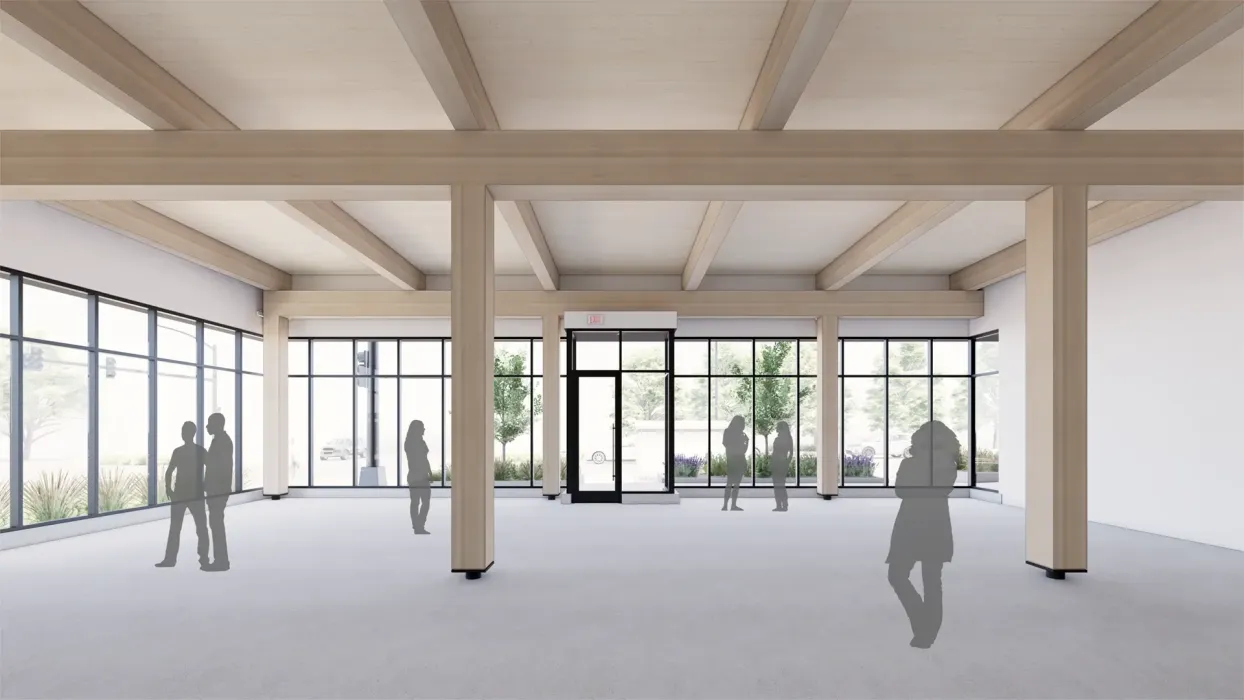
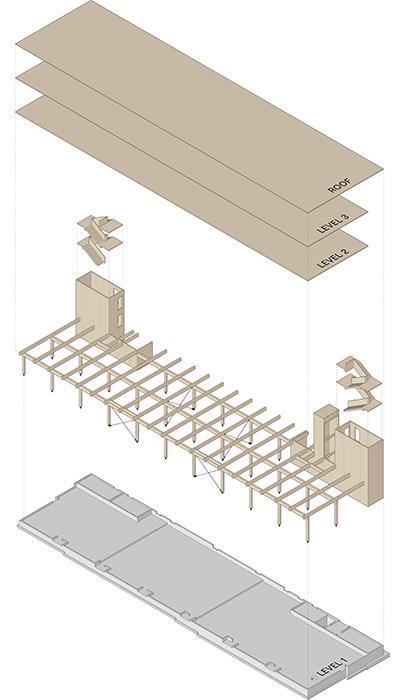
The podium level is framed with glulam girders and columns that support the cross-laminated timber (CLT) floor plates and light-framed wood bearing walls above. A dropped girder system – with the upper glulam beam supporting the CLT floor plate and a lower, dropped beam supporting the beam above – reduces the cost of girder-to-column connections and creates a gap between the dropped beam and the CLT floor that allows routing of MEP systems with fewer penetrations through the beams.
Large CLT panels – around 11 by 60 feet – were fabricated off-site and installed in a kind of architectural “Lego” routine. Once the crane positioned each panel, workers needed only to fasten it. This strategy significantly shortened the erection schedule to around six weeks.
Exceptional environmental performance was a primary team goal from the project’s outset. In line with the requirements of the U.S. Build America, Buy America (BABA) program, the superstructure uses southern yellow pine sourced domestically.
Wood was chosen not just as a renewable material but also as a means of storing carbon within the building structure. The project is pursuing Zero Carbon certification under the International Living Future Institute’s standards and is targeting Passive House performance through Passive House Institute US (PHIUS) criteria, along with guidance from a PHIUS-certified consultant working on the project.
The building envelope relies on continuous insulation, triple-pane glazing, and a ventilation system designed in accordance with Passive House principles. These elements help the project meet its goals of steady indoor temperatures, low energy demand, and quiet living spaces that feel more like modern market-rate apartments than subsidized housing.
Our handprint measures how our work creates lasting value for our people, our planet, and the communities we serve.
Because mass timber buildings behave differently from conventional wood construction, several performance layers were added.
To meet safety codes, the first-floor level used a five-ply CLT panel that achieved the required one-hour fire rating, while a three-ply CLT panel was sufficient for the third floor and roof plate, where no fire rating was required.
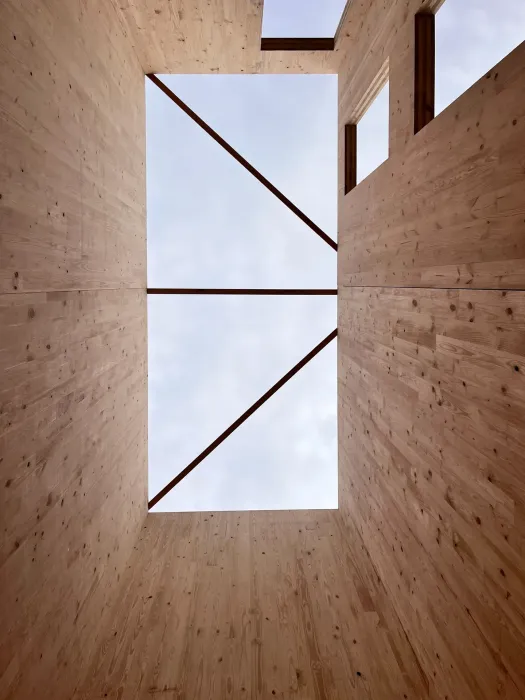
The second-level CLT floor plate achieves a one-hour fire rating. Stair towers and vertical shafts are also built from protected timber assemblies. Custom steel column bases lift structural members slightly above concrete floors to reduce moisture exposure and improve durability.
Acoustic performance was another priority. The residential floors use a layered assembly that includes acoustic matting, gypsum topping slabs, and finished high-strength gypsum surfaces. This helps control sound transmission between units without sacrificing structural simplicity.
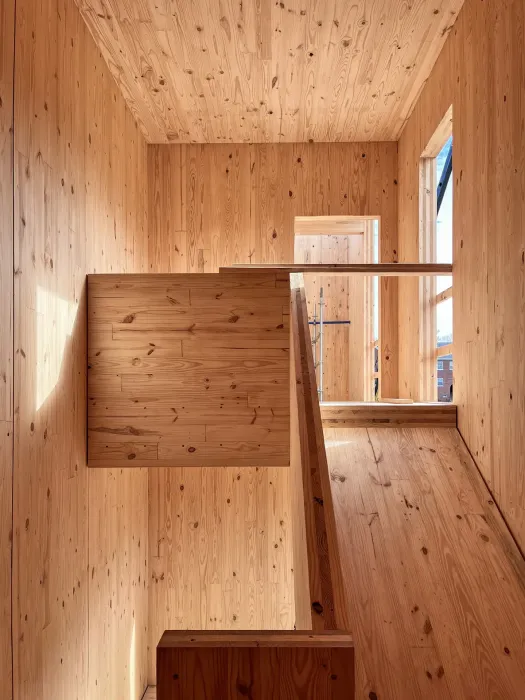
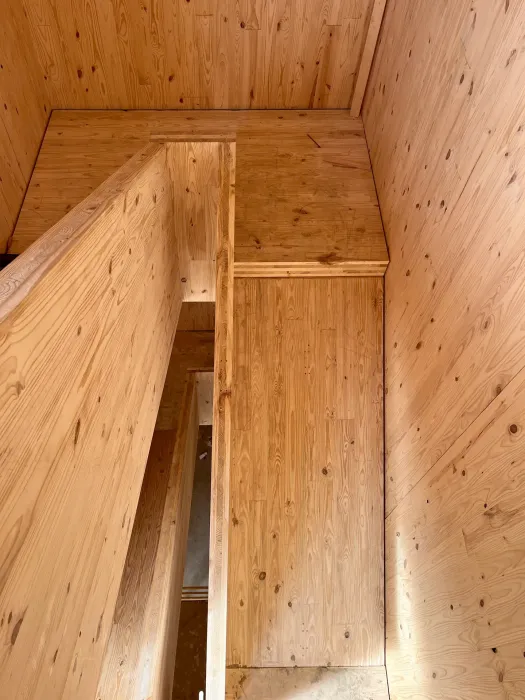
Inside the building, the stair towers display continuous CLT shaft walls alongside wood treads, risers, and guardrails, reinforcing the project’s warm material palette. The polished timber motif extends even further inward, bringing the beauty of exposed wood to the apartment ceilings.
Rather than finishing drawings and then shopping for fabricators, the design team interviewed suppliers during schematic design. Member sizes, species selection, and fabrication tolerances were coordinated with manufacturing capabilities. This reduced connection complexity, helped lower costs, and accelerated erection.
By the time construction documents were prepared, shop drawing review was already integrated into design coordination. The result was a refined structural system that balanced economy and performance.
One of the developer’s goals is to make Goldfinch Lofts one of the first housing projects in the U.S. to combine domestically sourced timber construction with low-income-housing tax-credit financing and zero-carbon certification. But on a larger scale, Goldfinch Lofts hints at a possible new future for affordable housing – one in which durability, environmental responsibility, and livable design are built in, offering lower-income families a welcoming, affordable, and beautiful space they truly can call “home.”


Insight
Better Options for Mass Timber Procurement
Insight
Mass Timber for Simpler Low-Rise Residential