Steve Freihon/Related-Oxford
New York, New York
Global experience.
Regional perspective.
Local impact.


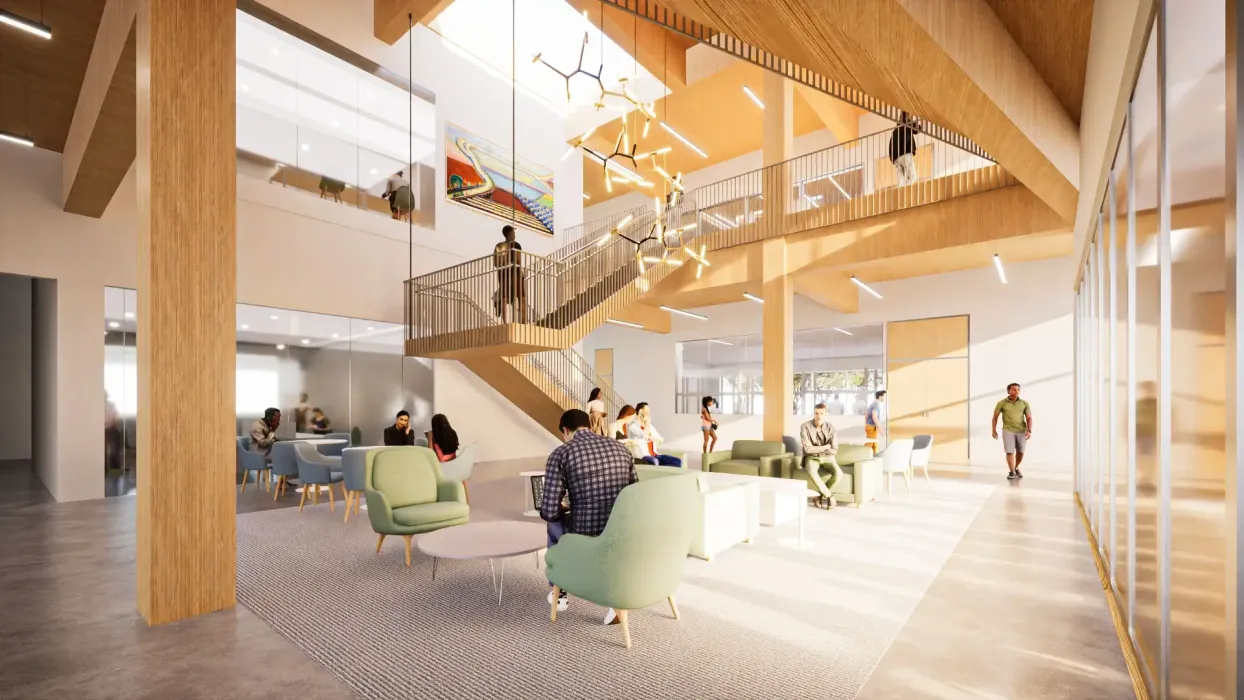
Combining seismic resilience and precision fabrication to maximize energy savings, UC Davis’ hybrid mass timber and steel research facility is a model for future-focused agricultural innovation.

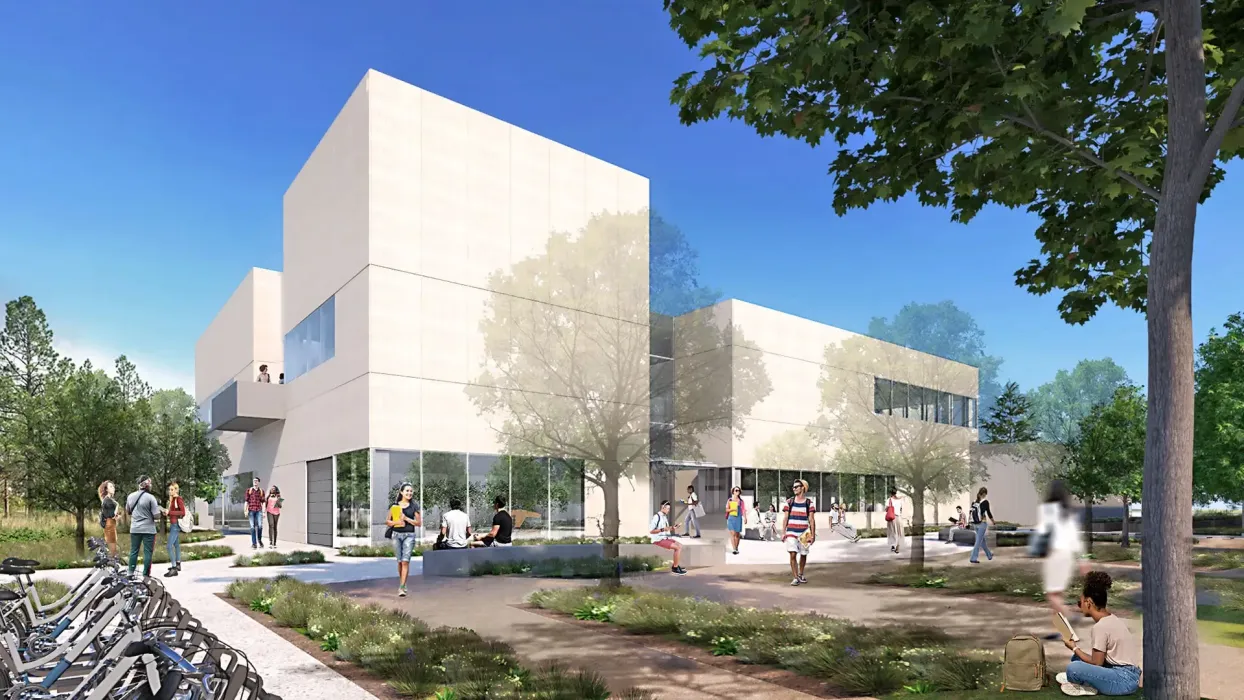
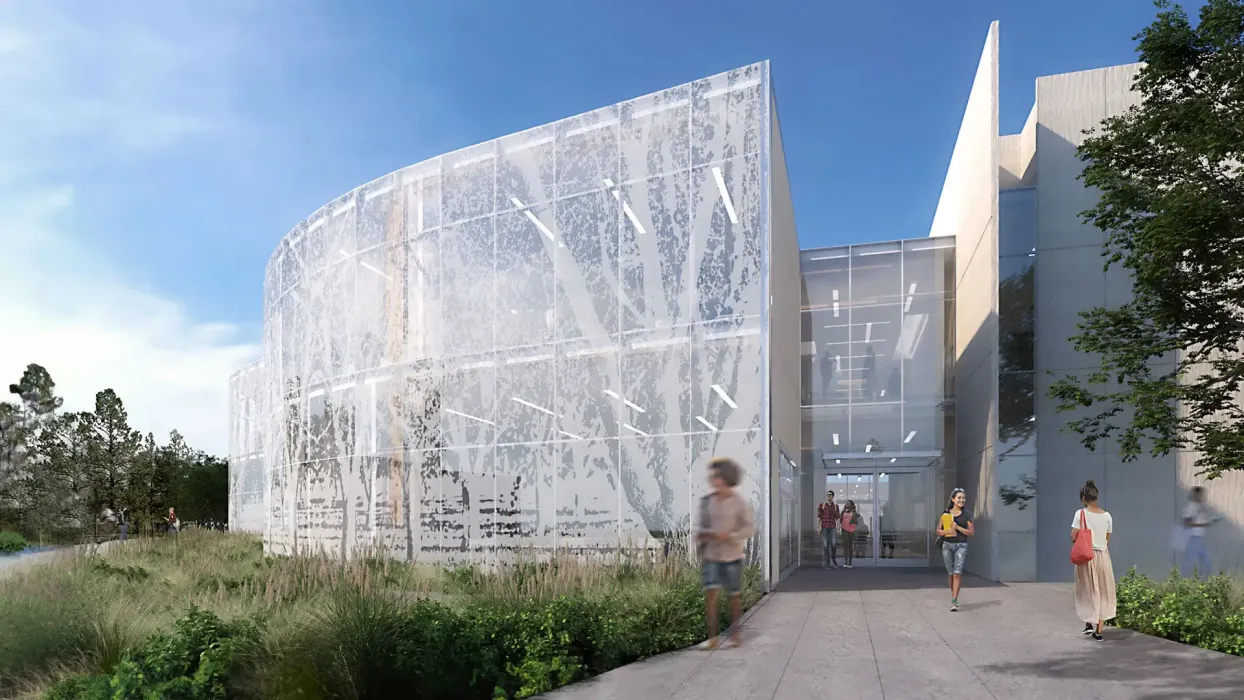
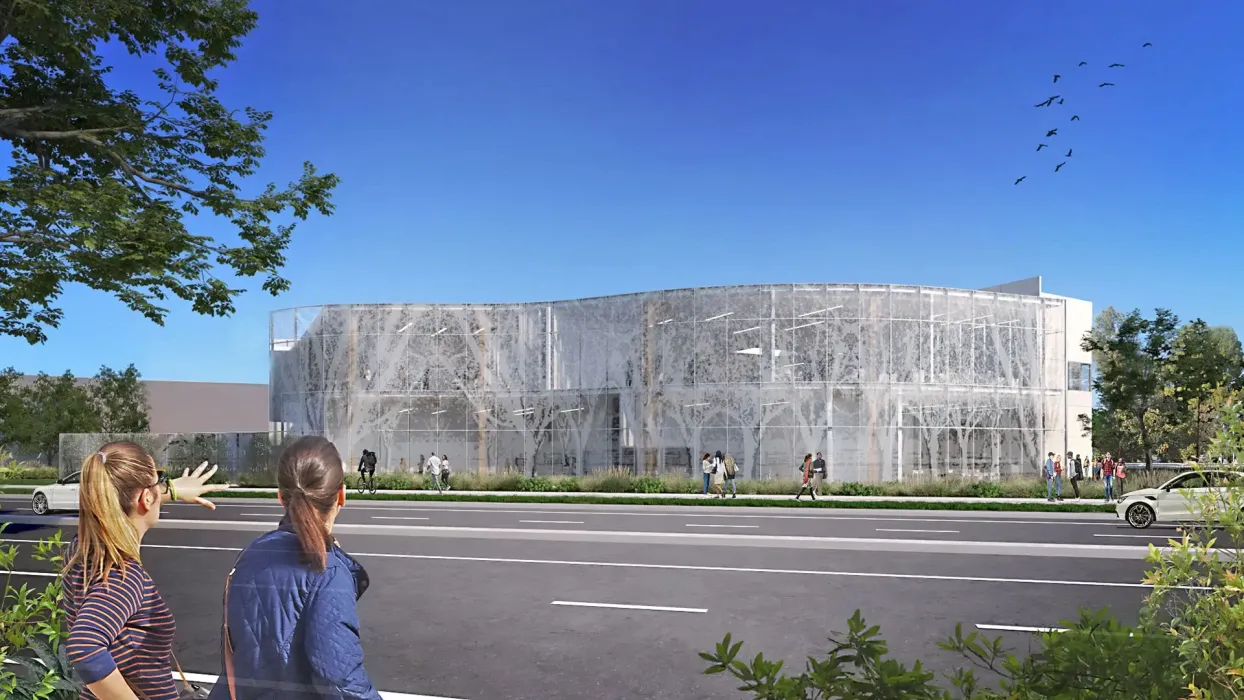
The new Agricultural Innovation Center at UC Davis aims to have a substantial impact on the future of food production. The 40,000-square-foot building, with classrooms, research spaces, labs, and areas devoted to student career guidance, will be a hub for developing new technologies to make the agriculture industry more efficient and resilient.
We provided structural engineering and sustainability consulting to the project’s design-build team led by the Yazdani Studio of CannonDesign and Hensel Phelps Construction Company. With big ambitions and a fixed budget, the design needed to use every dollar wisely.
We developed a hybrid structural system that employed mass timber for the portion of the building that houses classrooms and offices, while using steel to support the laboratories and for the building’s lateral system – a critical feature in California’s high-seismic zone. “It’s harder to get the full value of timber in a lab,” says Project Engineer Alaukik Singh. “You need a lot of material to meet the vibration requirements, and the wood has to be covered up by finishes that meet hygiene needs. Timber made a lot more sense in the other parts of the building, where its warmth and beauty can stay exposed.”
The building’s geometry also posed design challenges. Some connections featured a column joining with three beams coming in at irregular angles – all of which needed to look seamless. We worked carefully with Mercer Timber Products, collaborating on analysis and 3D design models to ensure these connections would conform to their CNC fabrication requirements and work well in the field.
An exceptionally collaborative design-build team enabled smart choices in the earliest stages of design that helped the entire design team use material wisely and reduce the project’s embodied carbon
We also performed energy modeling for the project, which is pursuing LEED Platinum certification. Our sustainability consulting team collaborated with the design team to identify optimizations to the HVAC system – among them, a heat-recovery chiller – and to the building envelope to help achieve the project’s lofty goals. The highly efficient, all-electric building will operate at a 38% energy savings. But that’s not the true bottom line: “We worked with UC Davis to figure out how to appropriately factor in the use of the school’s solar generation system,” says Jonathon Stage, a vice president in our Sustainability and Resilience practice. “This brought the project’s energy reduction total to 52%.”
The teamwork, creativity, and collaborative pursuit of efficient solutions that went into the Resnick Center’s design will be mirrored by its occupants as they work to transform the agricultural industry and expand access to nutritious food.