Steve Freihon/Related-Oxford
New York, New York
Global experience.
Regional perspective.
Local impact.
New York, New York
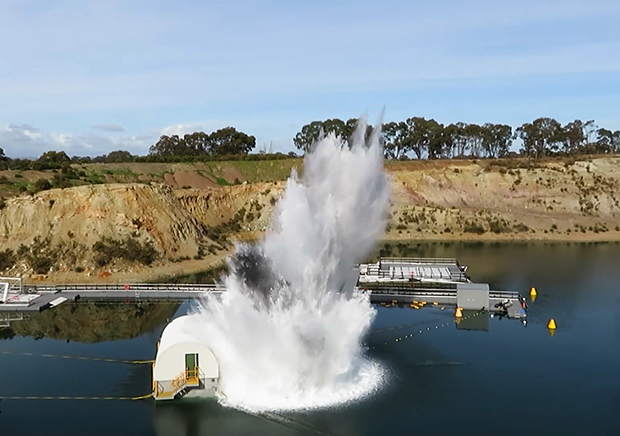
Australia
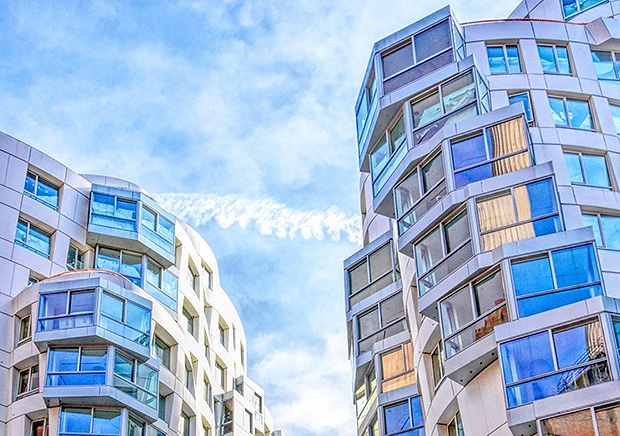
London, United Kingdom
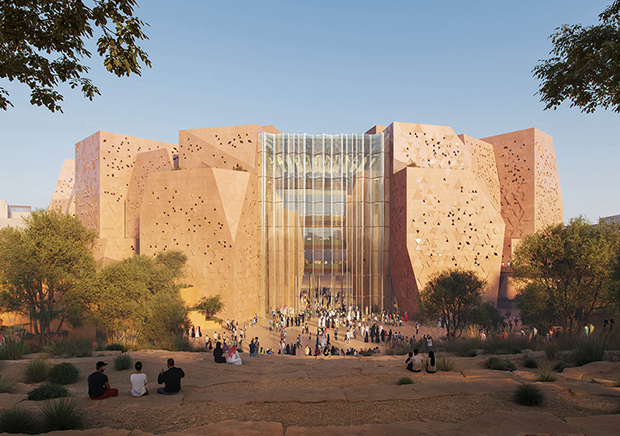
Diriyah, Riyadh, Saudi Arabia
A century-old rail bridge is infused with new life above the Kansas River, blending history, food, and events into a long-awaited pedestrian link between two cities.

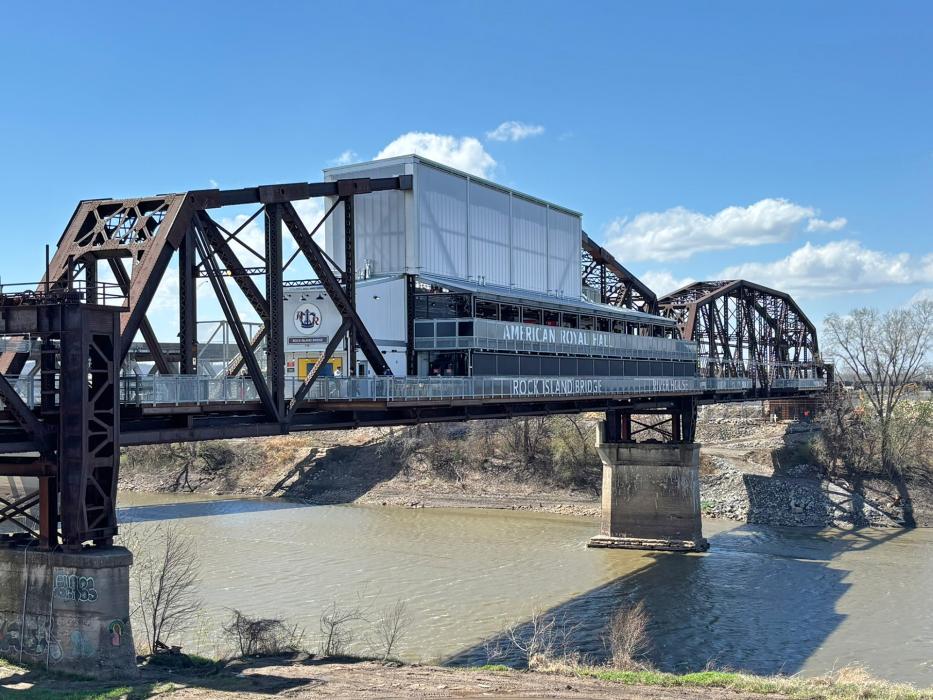
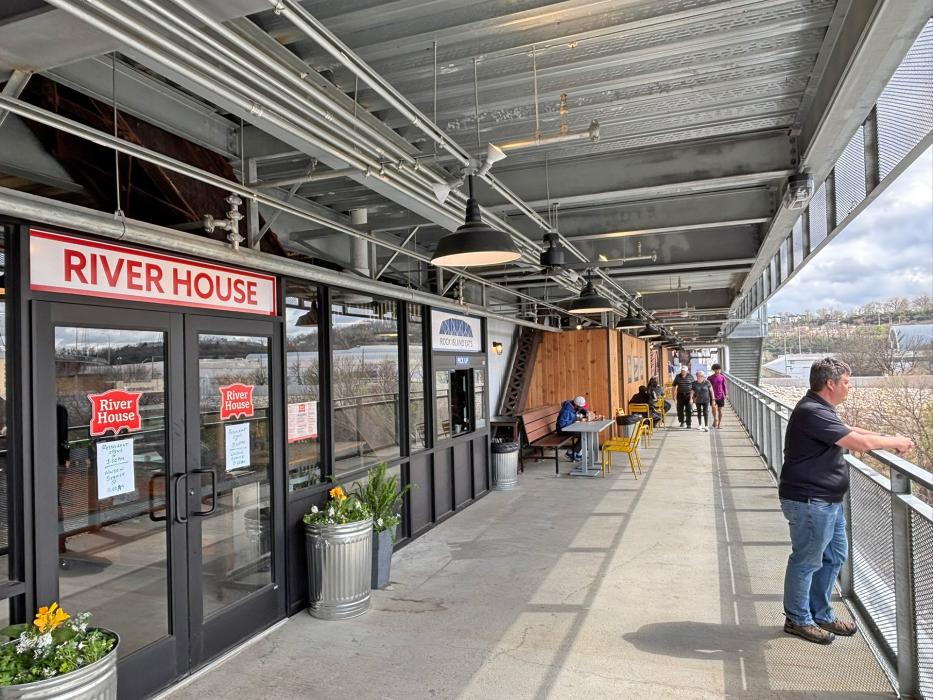
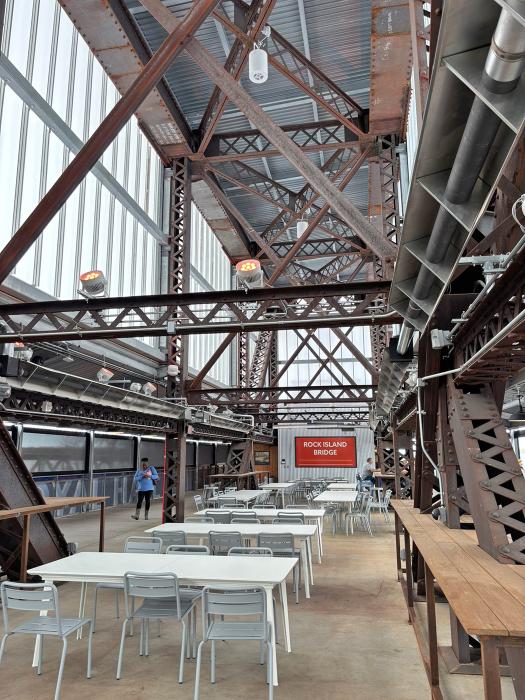
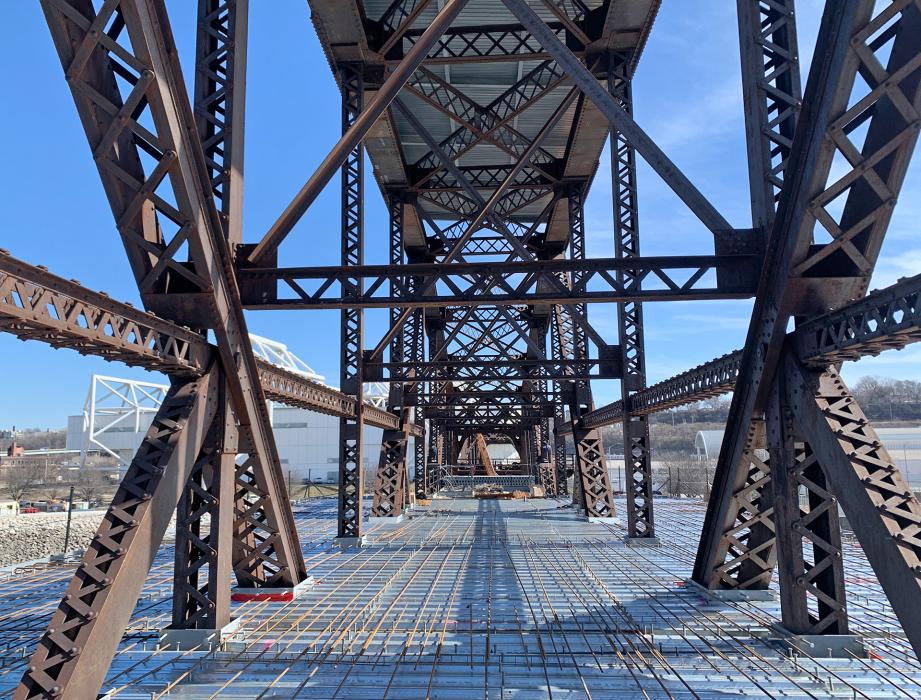
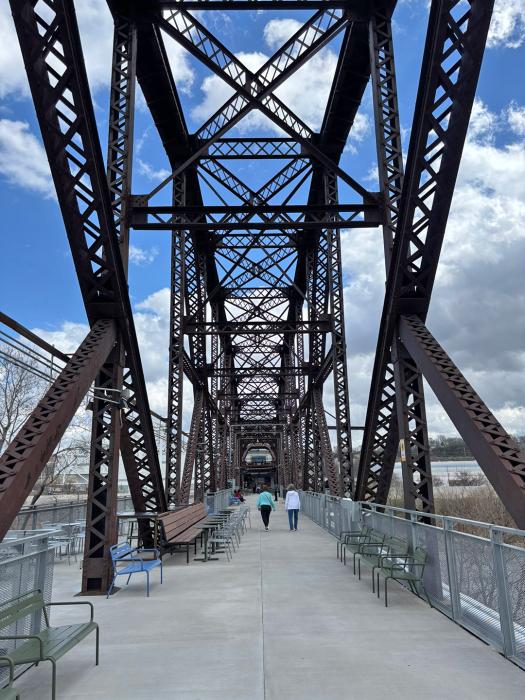
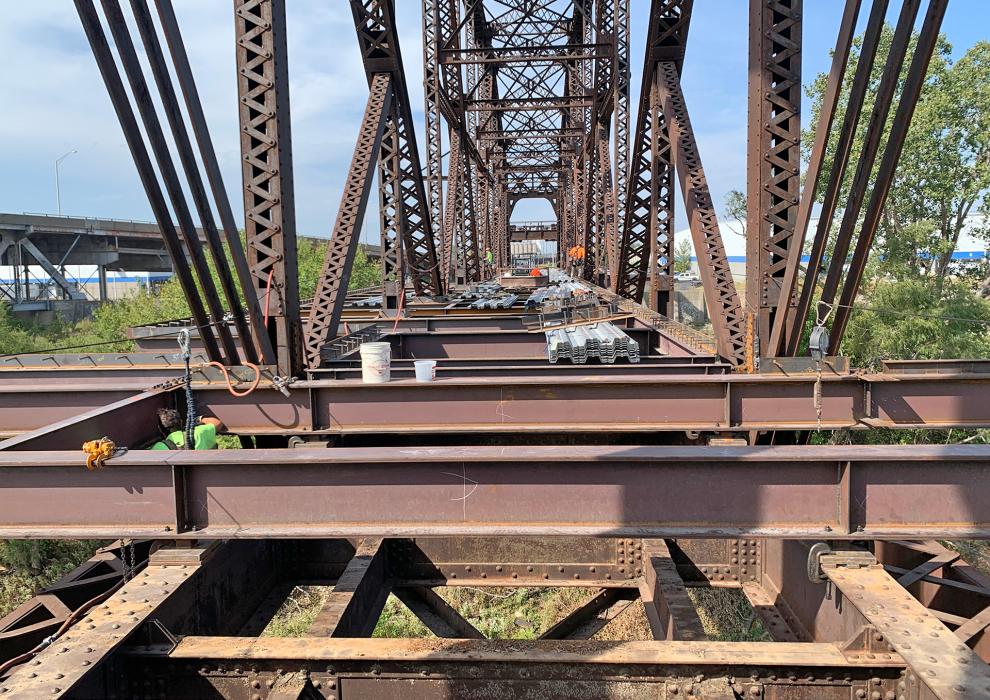
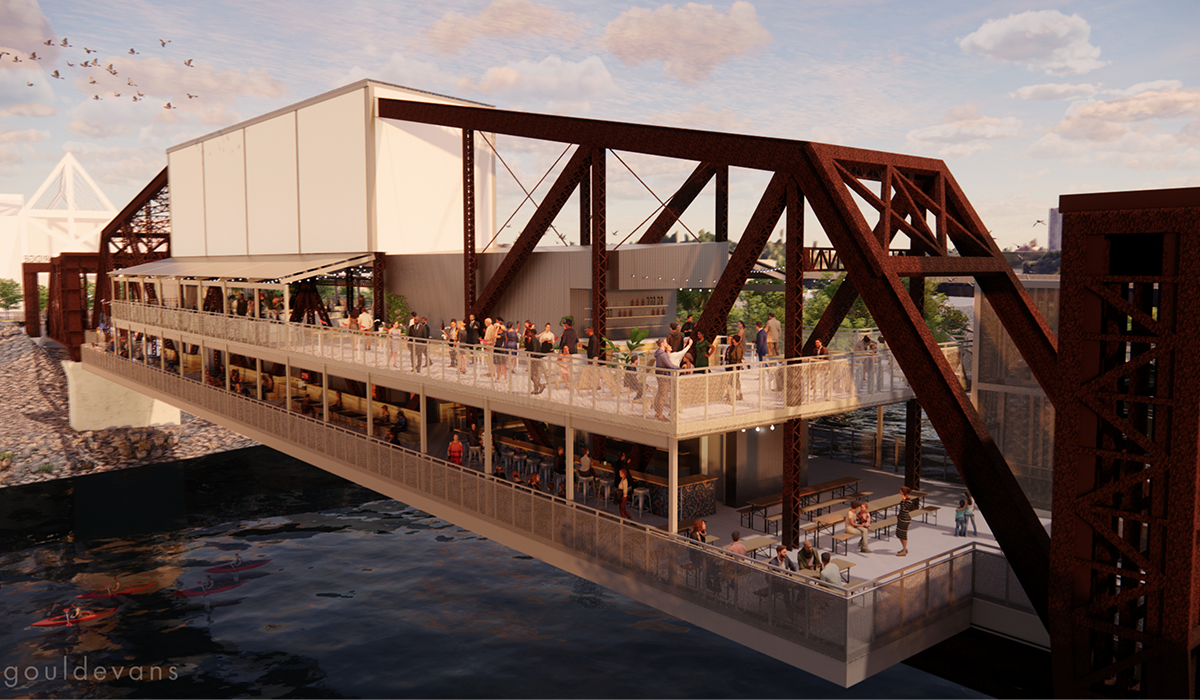
The Rock Island Bridge renovation transformed a long-abandoned railroad crossing into one of Kansas City’s most distinctive destinations. Originally built in 1905 to move cattle, the 700-foot structure has been reimagined as a hybrid pedestrian link and entertainment hub, connecting Kansas City, Kansas, to Kansas City, Missouri. This project wasn’t any ordinary renovation or restoration; it was a transformation, a complete rethinking of what the bridge could be. What was once derelict is now a destination, a community amenity filled with activity. As the project’s structural engineer, we collaborated closely with Multistudio on creative solutions for the metamorphosis of the Rock Island Bridge.
Rather than replacing the original structure, the redesign preserves and emphasizes it, with a double-decker layout that expanded the bridge’s function while preserving its historic character.
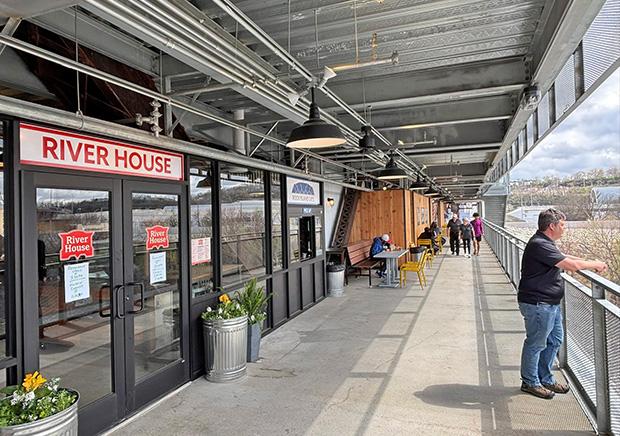
The lower level was designed to feel lively and flexible, with a walkway flanked by a full-service restaurant with a grab-and-go window, a bar, and event space. The community-focused west end provides space for farmers markets, nonprofit programming, and local events.
The upper level offers a more elevated experience, both literally and figuratively. Along with adaptable features and views of the river, it includes a covered performance/event venue, open-air elements, a bar, and room for gatherings ranging from weddings to yoga classes.
One of the biggest physical changes was the expansion of the usable space. The original bridge was narrow (about 15 feet wide), but the new structure built within and above it significantly widened the functional area, making more space for concessions, seating, mingling, and events.
Among the most unusual challenges was that the new structure relies entirely on the old one. There are no foundations. Everything was built on and around the existing bridge structure, making its performance critical.
This meant that our engineers had to carefully study how to add new loads and where to place them. Connections had to work around the quirks of the original steel, including rivets and truss elements that weren’t designed for this kind of use. In some areas, loads could be applied only at specific points to keep forces aligned properly.
A key goal of the project was to work with the existing bridge rather than overhaul it. By minimizing structural changes, we preserved both materials and history while avoiding more invasive and costly upgrades.
At the same time, the bridge is meant to be a connector in every sense. As surrounding access improves, it’s expected to tie into regional trails and strengthen links between the Kansas and Missouri sides of the river.
News
ENR Spotlights Rock Island Bridge’s Transformation