Steve Freihon/Related-Oxford
New York, New York
Global experience.
Regional perspective.
Local impact.
New York, New York
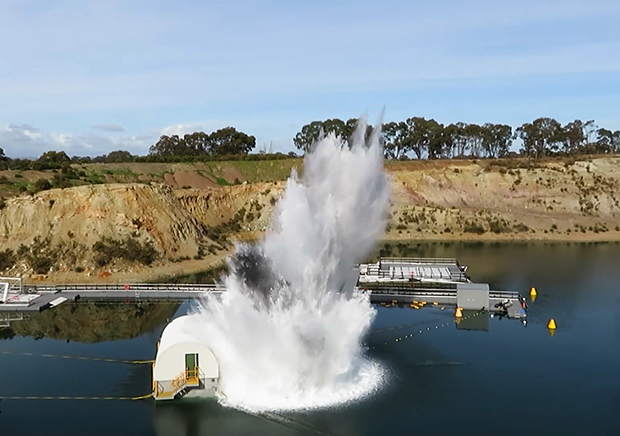
Australia
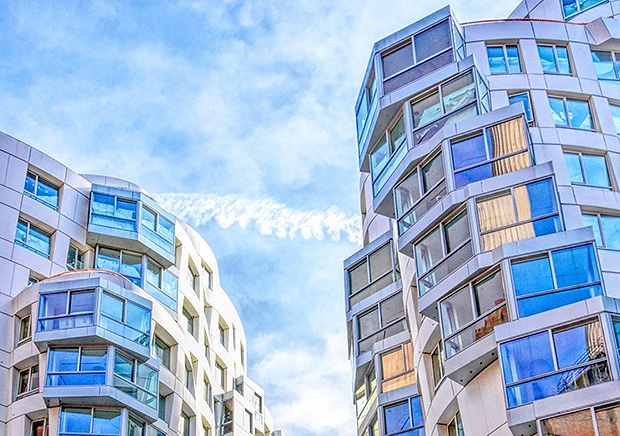
London, United Kingdom
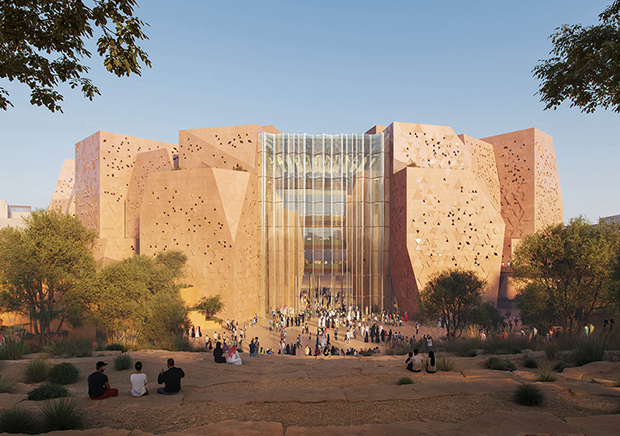
Diriyah, Riyadh, Saudi Arabia
This stadiumesque form reflects the owner's core mission. Mass timber construction combines functionality, aesthetics and sustainability.

AIA Maryland, Excellence in Design Awards Winner, 2026
WoodWorks, Wood in Architecture, 2026
SEAMW, Best New Construction over $100M, 2026
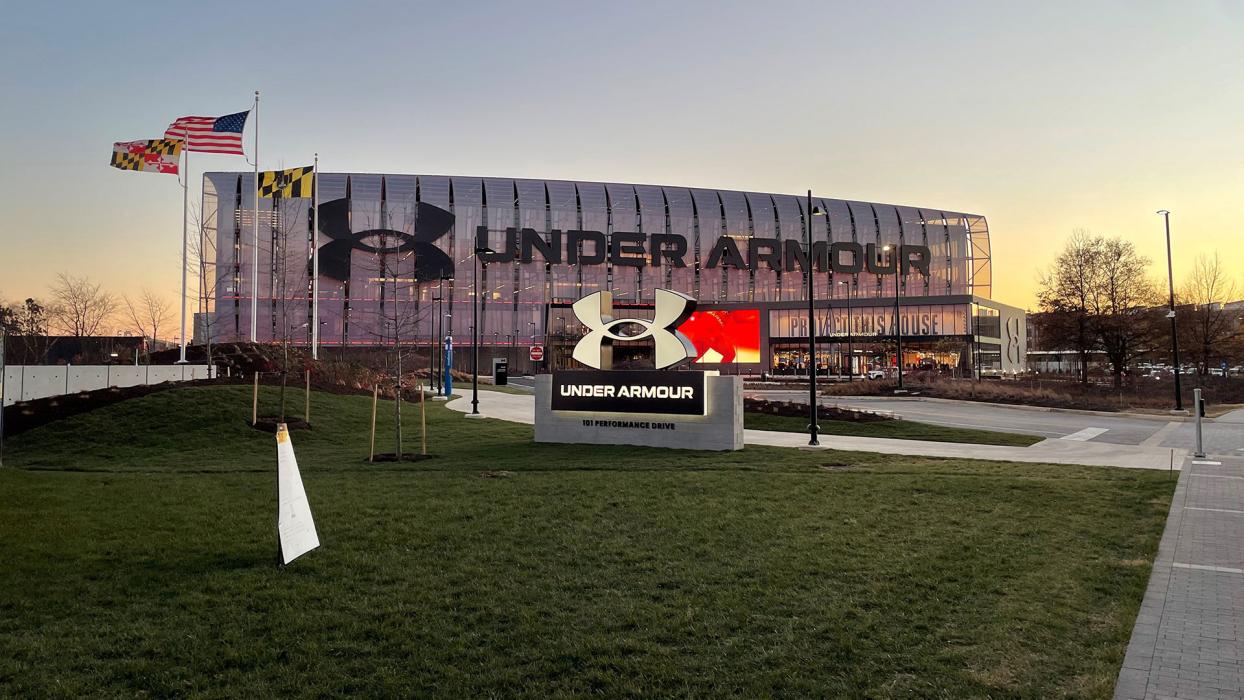
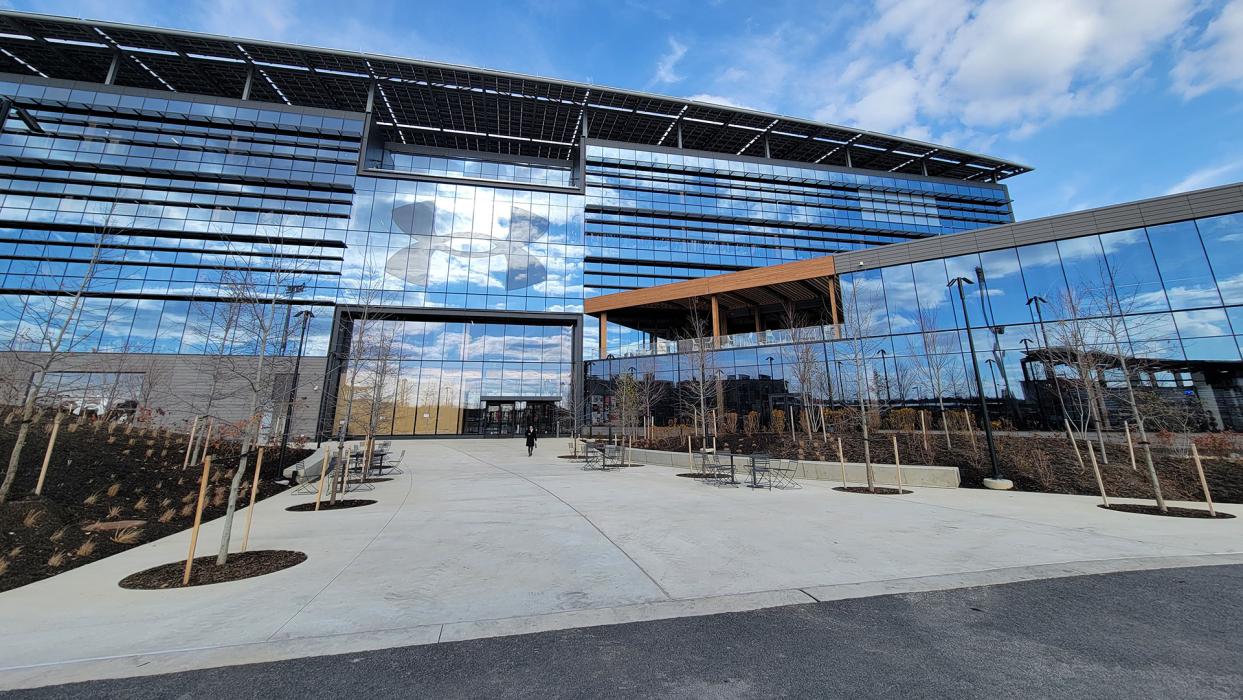
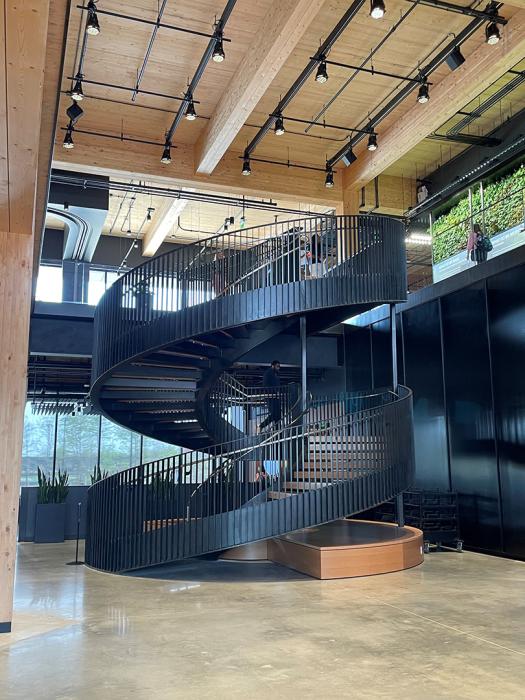
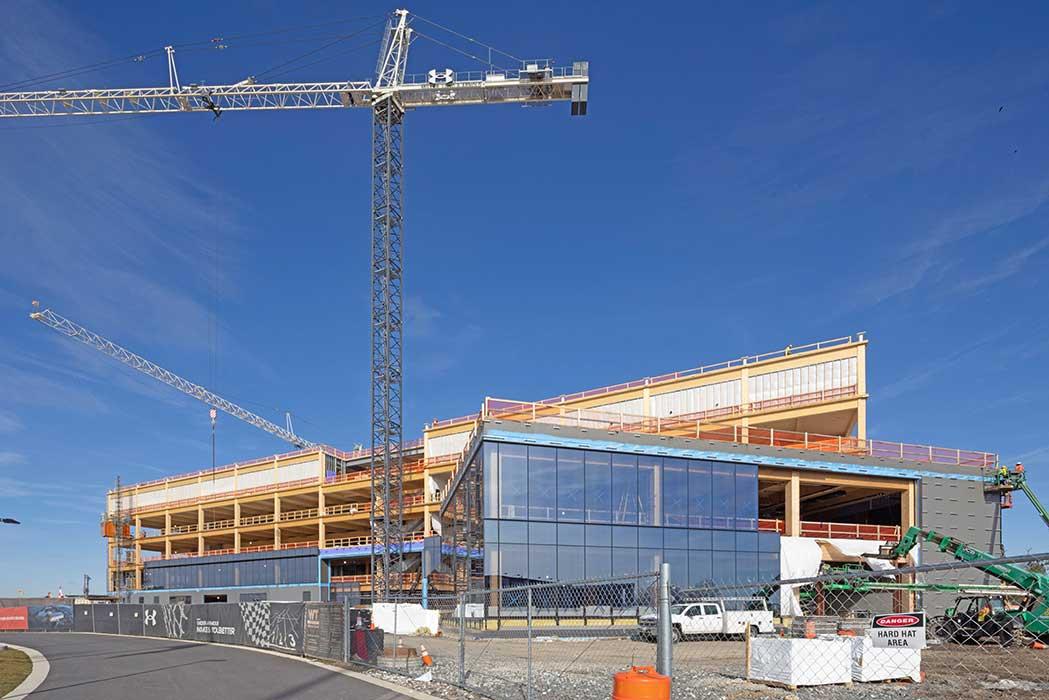
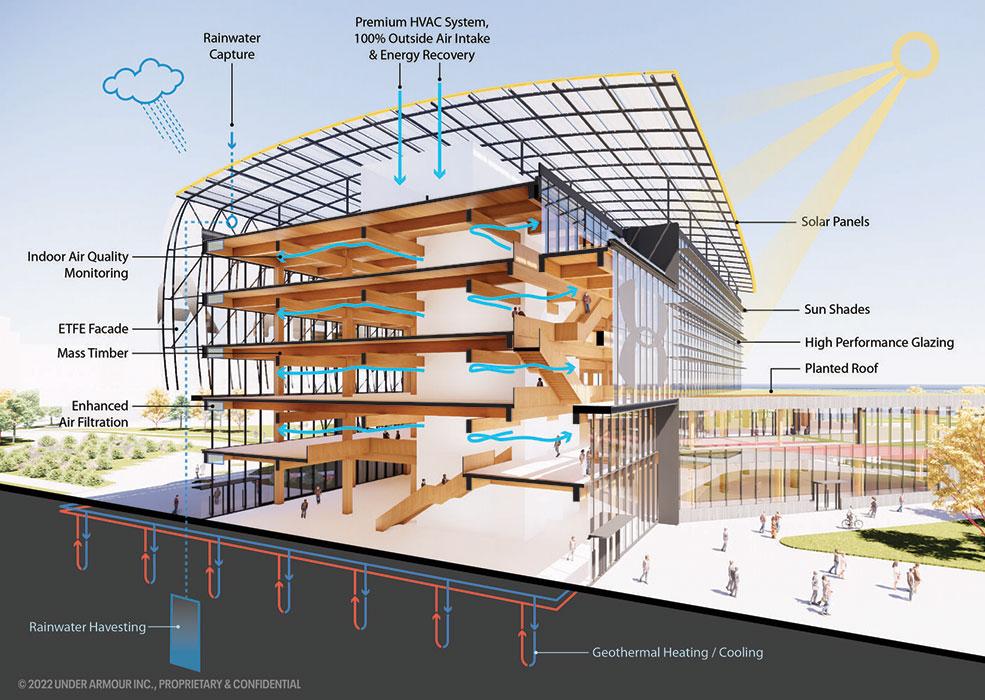
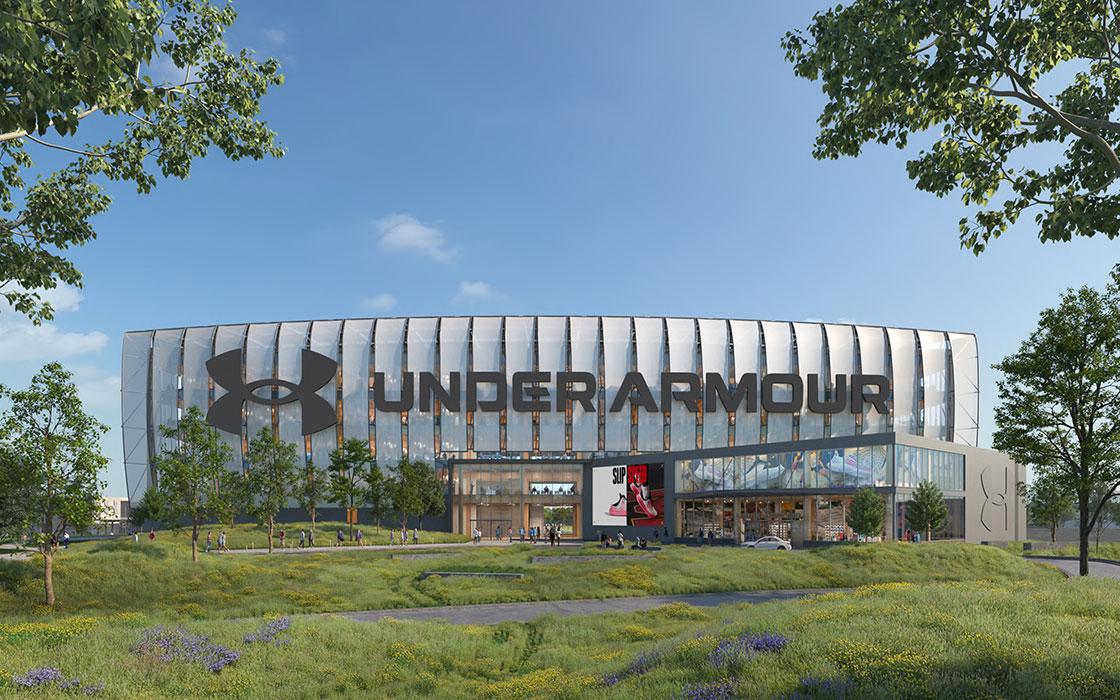
When Under Armour started planning a new building on their Baltimore, Maryland, campus, they wanted it to reflect their commitment to optimizing performance and acting sustainably. We helped architect Gensler to embody these values in the design of Under Armour’s new global headquarters. The 280,000-square-foot office building‘s mass timber structure is an eco-conscious choice that cuts embodied carbon and imparts an appealing aesthetic to interior spaces.
During the first phase of design, we collaborated with Gensler to develop structural schemes for mass timber, concrete and steel to uncover the pros and cons of each. We calculated quantity estimates for all three and used Beacon – the embodied-carbon-tracking Revit plug-in we developed – to assess the impacts of all three materials. These details helped UA evaluate the options and make a fully informed decision to choose timber.
When Austrian mass-timber supplier binderholz was selected, we engaged with their team on the design of structural components. Collaborating closely, we evolved our design to accommodate their proprietary connections and adjust member sizes to match their fabrication practices.
There’s still a massive learning curve when it comes to effectively constructing mass timber projects of this scale. Working with trusted partners allows for a smooth process to ensure we deliver on the client’s vision and desired experience.


Insight
Collaboration & Proprietary Systems at Under Armour’s Headquarters