Steve Freihon/Related-Oxford
New York, New York
Global experience.
Regional perspective.
Local impact.
New York, New York
Australia

London, United Kingdom
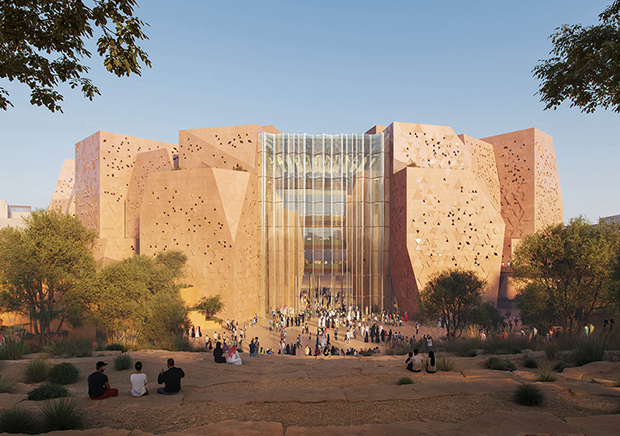
Diriyah, Riyadh, Saudi Arabia
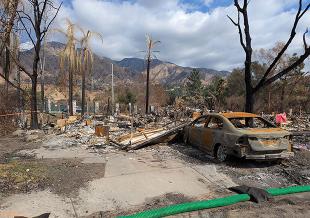
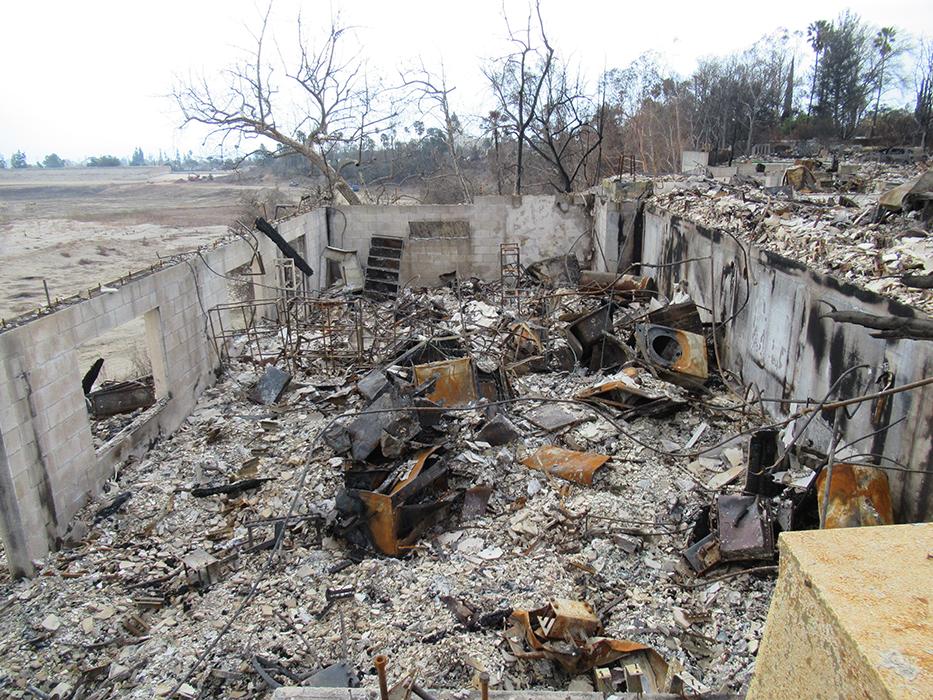
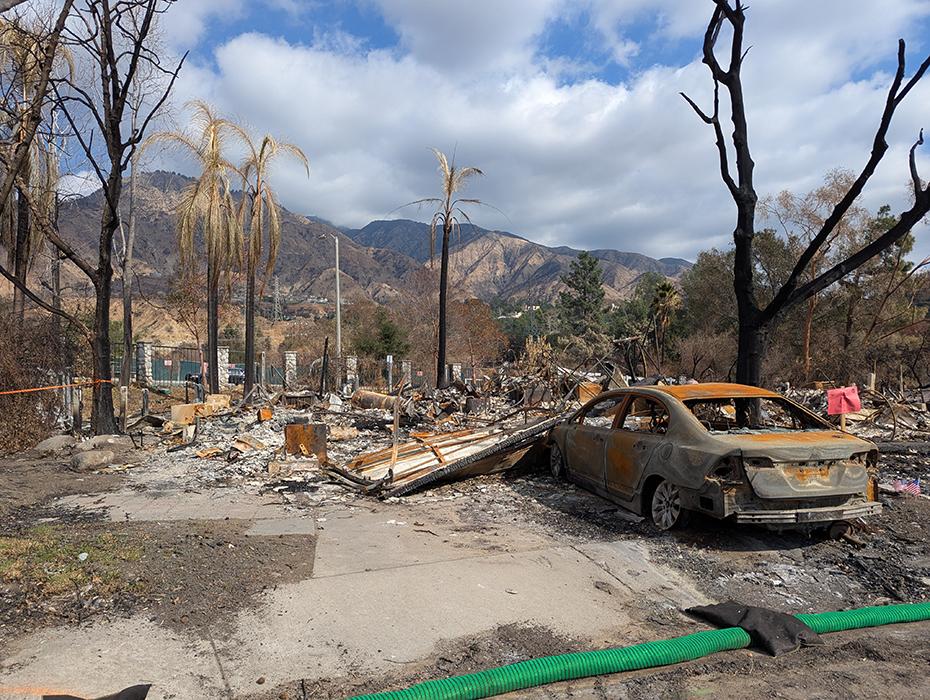
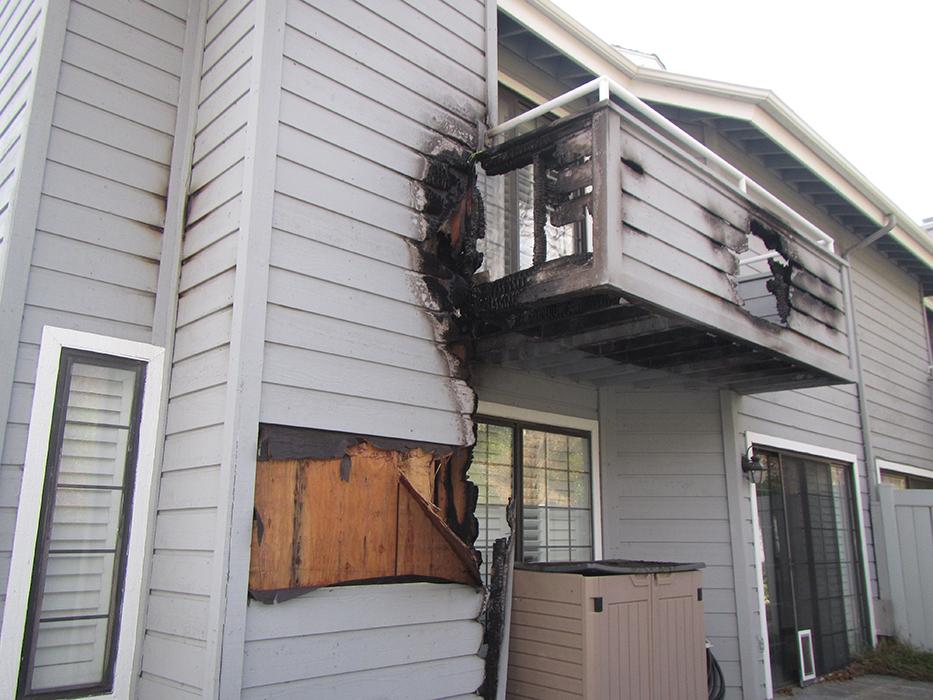
The Eaton Fire caused catastrophic destruction across residential neighborhoods in Pasadena and Altadena, California, exposing homes and infrastructure to prolonged high-temperature fire conditions. While some structures were completely consumed, others were left standing, with foundations and basement walls still in place – raising critical questions about whether these elements could be safely reused or required full replacement.
Thornton Tomasetti’s fire forensics team was engaged to conduct a structural engineering assessment of a residential community heavily damaged by the fire. This case study examines how wildfire exposure affects concrete and concrete masonry unit (CMU) elements and how forensic evaluation informs rebuild and recovery decisions.
The residential community consisted of 20+ single-family homes, 15+ of which collapsed during the fire. Following debris removal, remaining slabs, foundations and basement walls were exposed for evaluation. Thornton Tomasetti was retained to assess the post-fire condition of these structural elements, determine whether they retained adequate structural integrity and support decisions regarding repair, replacement or demolition.
The homes were constructed in the late 1980's and included a mix of foundation types. Approximately half of the homes had slabs-on-grade with no basement. The other half of the homes had walkout basements with CMU retaining walls and elevated decks supported on concrete deck piers.
All dwellings incorporated concrete footings, concrete entry stairs and wood shear walls with anchor bolts and hold downs embedded in the foundations.
Our investigation focused on identifying fire-related deterioration of concrete and masonry components and differentiating between thermal damage and damage from debris removal activities. The assessment included:
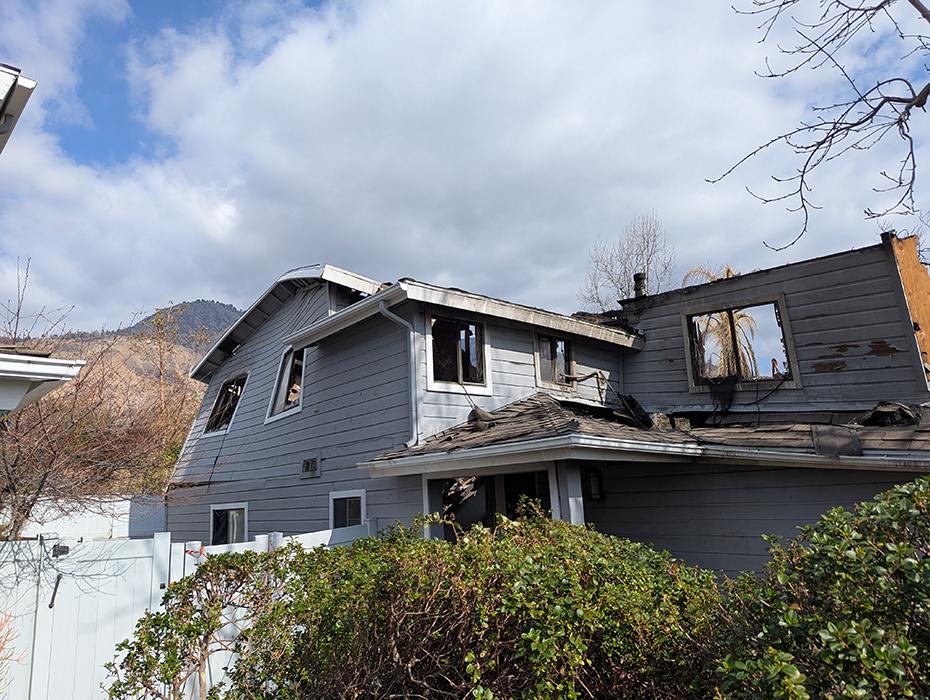
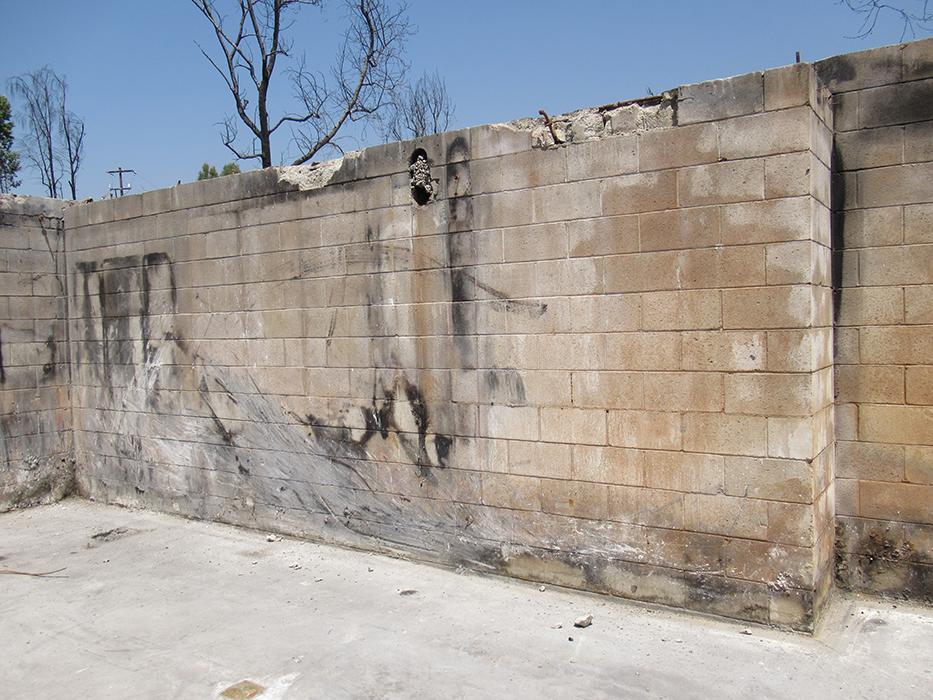
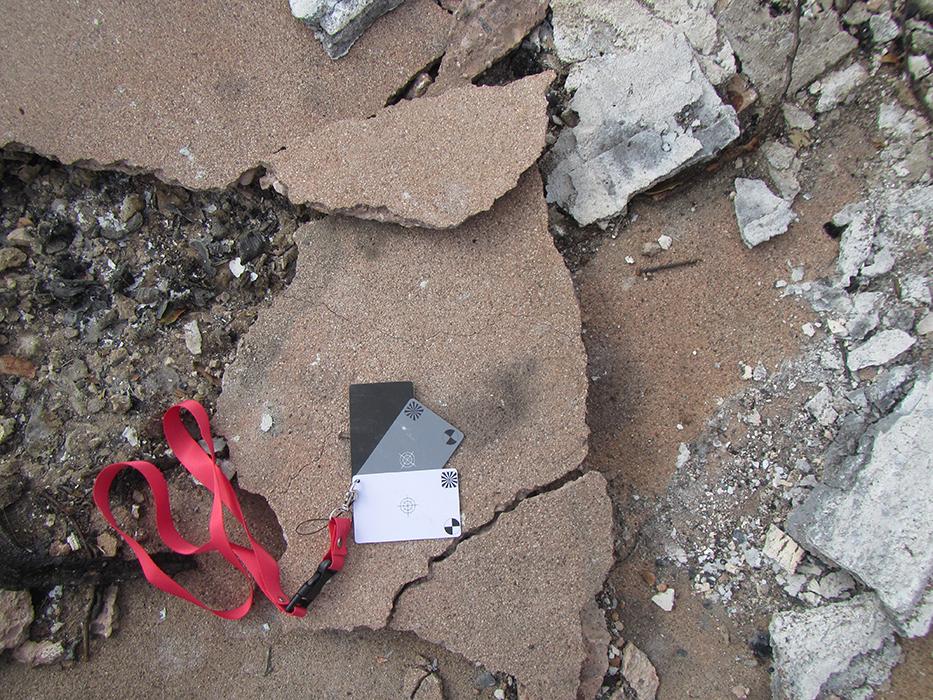
Pink discoloration in concrete and masonry is a well-documented indicator of high-temperature exposure during fire events. In this case, the extent and consistency of discoloration, combined with cracking, spalling and anchorage damage, indicated widespread loss of structural integrity that would be likely uneconomical to mitigate through repair.
The Eaton Fire caused extensive and irreparable damage to concrete and CMU structural elements across the 16 collapsed homes. Fire exposure, compounded by collapse and debris removal, resulted in degradation severe enough to preclude reuse of most foundations and basement walls.
Most properties were deemed beyond repair. Some properties exhibited partial salvage potential but would require extensive testing, selective demolition and replacement of critical structural components, making repair costs likely uneconomical compared to full reconstruction.
Following wildfires, remaining concrete foundations could be reusable following a detailed engineering assessment. This case demonstrates that high-temperature exposure can compromise concrete and masonry even when elements remain visually intact.
Forensic engineering assessments provide critical clarity by:
Thornton Tomasetti’s fire forensics team supports homeowners, insurers, attorneys and public agencies by delivering objective, science-based evaluations of post-wildfire structural damage. Our work helps ensure that recovery decisions are grounded in engineering evidence rather than visual assumptions.
If you require expert support for wildfire damage assessments, foundation evaluations or forensic investigations, our team is available to assist.



News
Fire Damage to a School’s Cladding & Rooftop MEP