Steve Freihon/Related-Oxford
New York, New York
Global experience.
Regional perspective.
Local impact.
New York, New York
Australia

London, United Kingdom

Diriyah, Riyadh, Saudi Arabia
 Shutterstock/Bilanol
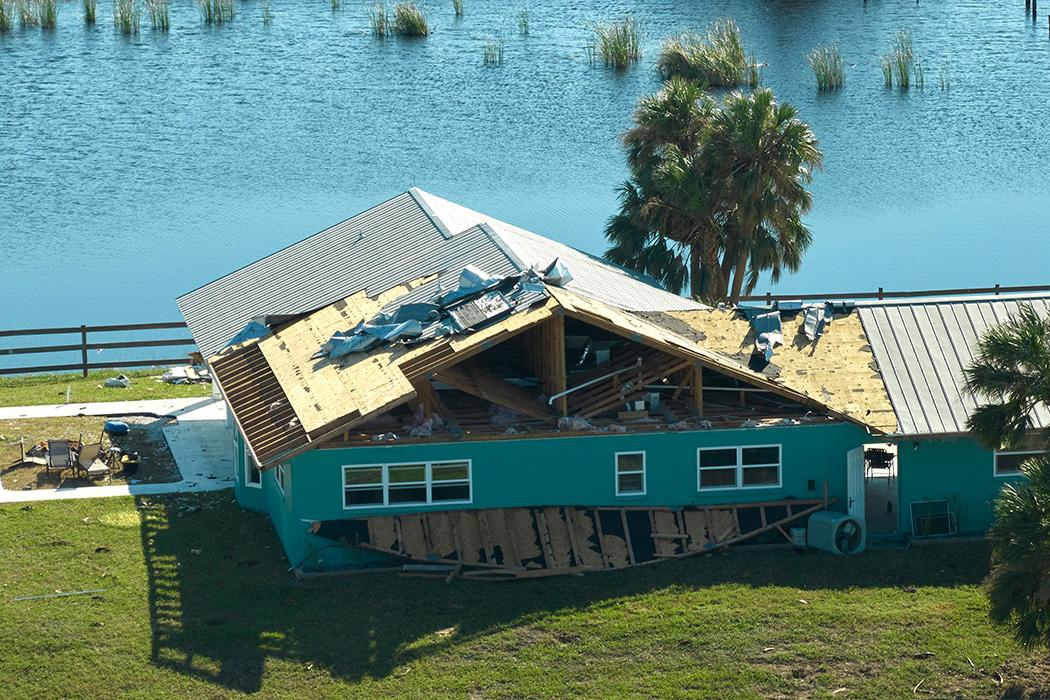
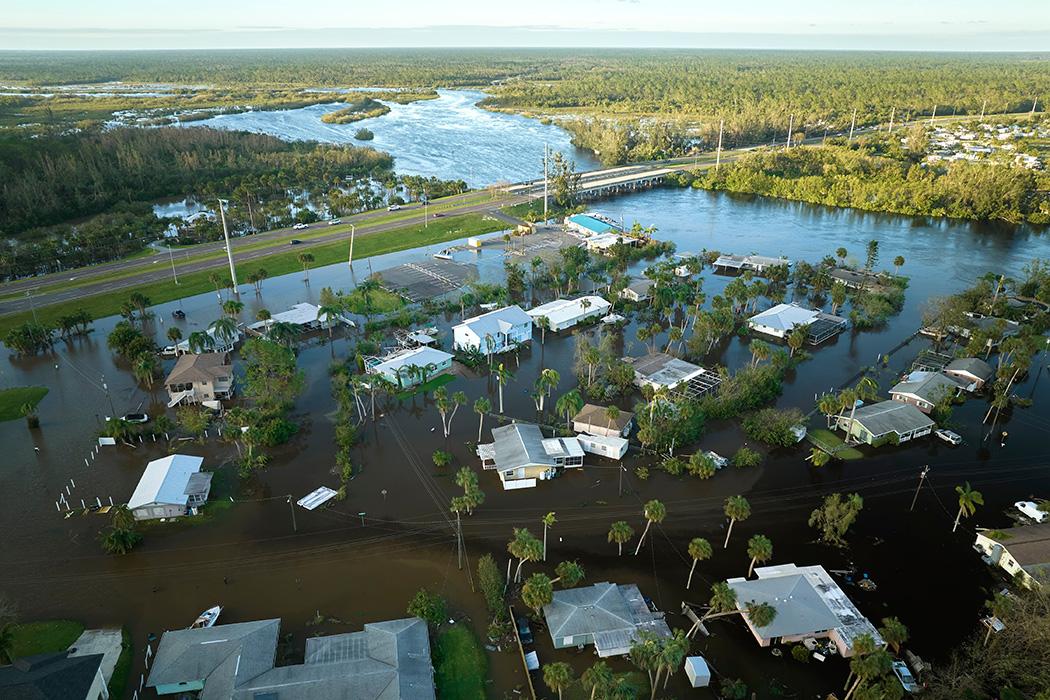
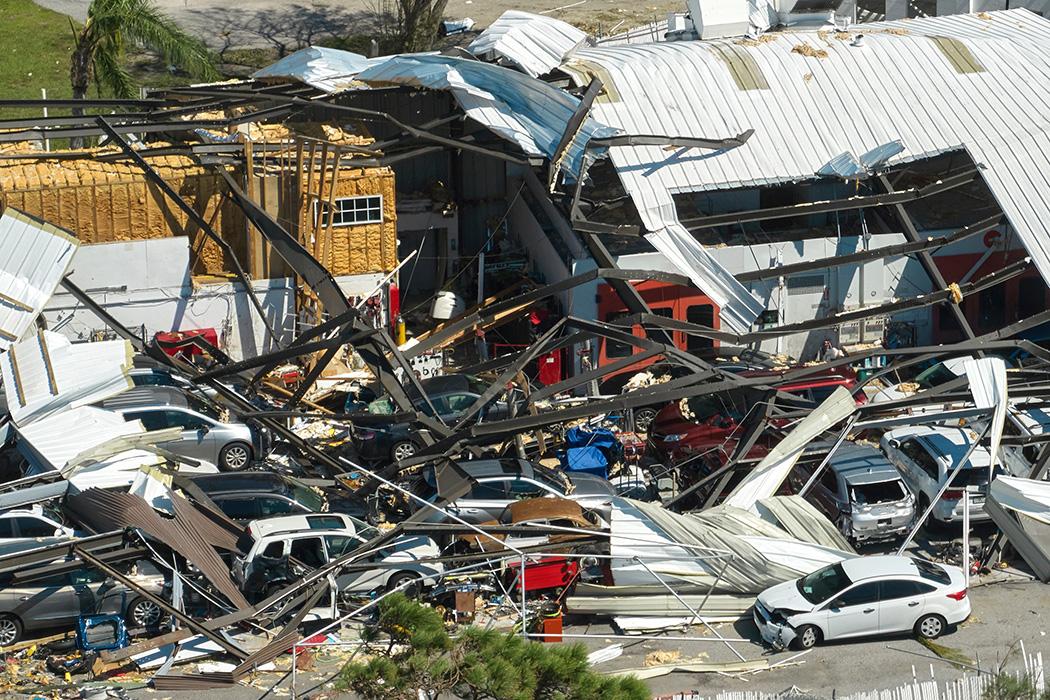
As hurricane season intensifies, commercial property owners face heightened risks from devastating storms that can cause widespread damage to buildings, infrastructure and operations.
At Thornton Tomasetti, we've seen firsthand the structural impacts of hurricanes on commercial assets. Our aim is to empower property owners with proactive insights to mitigate risks and recover effectively.
In this post, we'll explore key risk scenarios highlighted by major insurance carriers, essential types of coverage to secure and practical steps for documenting damage and filing claims. Being prepared isn't just about weathering the storm – it's about safeguarding your business's future.
Insurance carriers use sophisticated risk modeling to assess potential hurricane impacts on commercial properties. These scenarios help underwriters evaluate exposure and set premiums, while providing valuable insights for property owners to strengthen resilience.
One insurance market, for example, maintains a set of mandatory realistic disaster scenarios to stress-test syndicates and the market. These include detailed hurricane events, such as a major Northeast U.S. hurricane with an estimated industry property loss of USD 39 billion, factoring in storm surge and demand surge. Other scenarios illustrate combined damage levels and recognize challenges in estimating losses from wind, flooding and secondary perils. These scenarios emphasize aggregations of risk, including casualty implications, urging underwriters to model accumulations across portfolios.
Another carrier similarly focuses on climate-related risks by analyzing impacts on property insurance from catastrophes like hurricanes. They highlight flood risk management using stochastic models and hazard maps, noting that deterministic scenarios were once standard but have evolved for better underwriting. Carriers also address environmental preservation through risk control services, helping insureds mitigate hurricane vulnerabilities. These carrier insights underscore common risks: structural wind damage, flooding, business interruptions from evacuations and escalating repair costs due to demand surge.
By reviewing these scenarios, property owners can identify vulnerabilities – such as inadequate roof reinforcements or flood-prone locations – and work with engineers like ours at Thornton Tomasetti to implement pre-storm fortifications.
Standard commercial property insurance may not fully cover hurricane-related damage, so layering specific coverages is crucial. Here's what to prioritize:
This forms the foundation, covering physical damage to buildings, equipment and inventory from wind, hail and debris. However, it often excludes floods and may have hurricane deductibles in high-risk areas.
Hurricanes frequently cause flooding, which is typically excluded from standard policies. Obtain separate flood coverage through the National Flood Insurance Program (NFIP) or private insurers to protect against water inundation, including building and contents.
In coastal or hurricane-prone regions, this add-on covers high-wind damage and hail, offsetting gaps in general property policies.
Also known as business income coverage, this insurance reimburses lost revenue and extra expenses during downtime caused by hurricane damage, such as forced closures or supply chain disruptions.
This extends business interruption to losses from government-ordered evacuations or access restrictions, even if your property isn't directly damaged.
Post-hurricane repairs may require compliance with updated building codes; this coverage pays for the increased costs to meet those standards.
Review your policy annually, especially before hurricane season, and consider endorsements for named storms. Deductibles can vary—often higher for hurricanes—so factor them into your risk management strategy. Consulting with an insurance broker and structural experts can ensure your coverage aligns with your property's specific exposures.
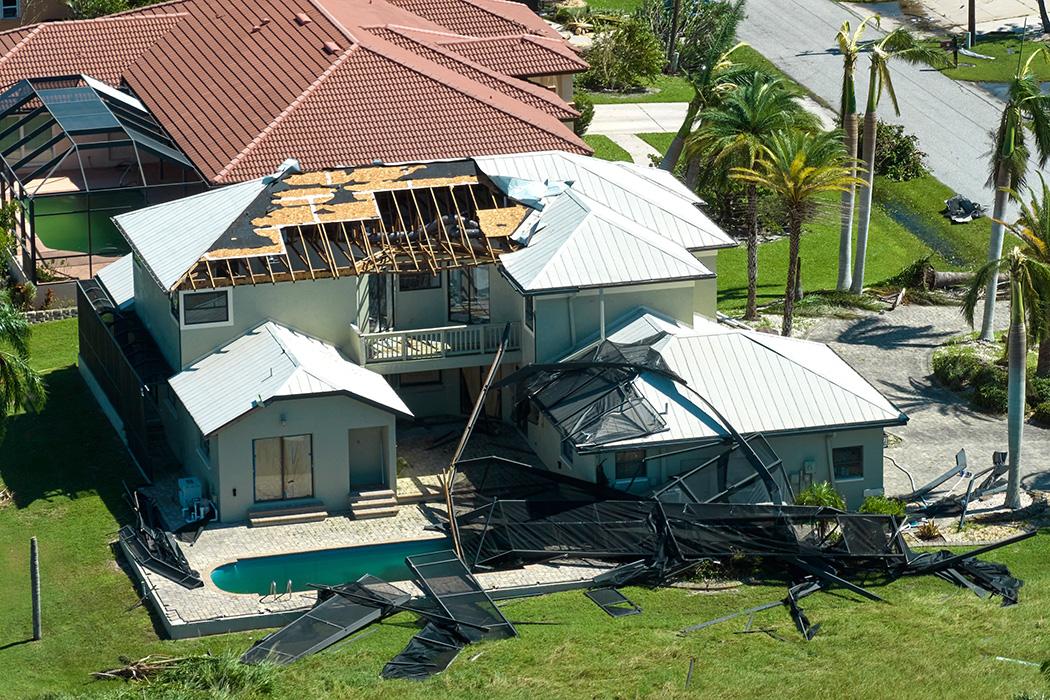
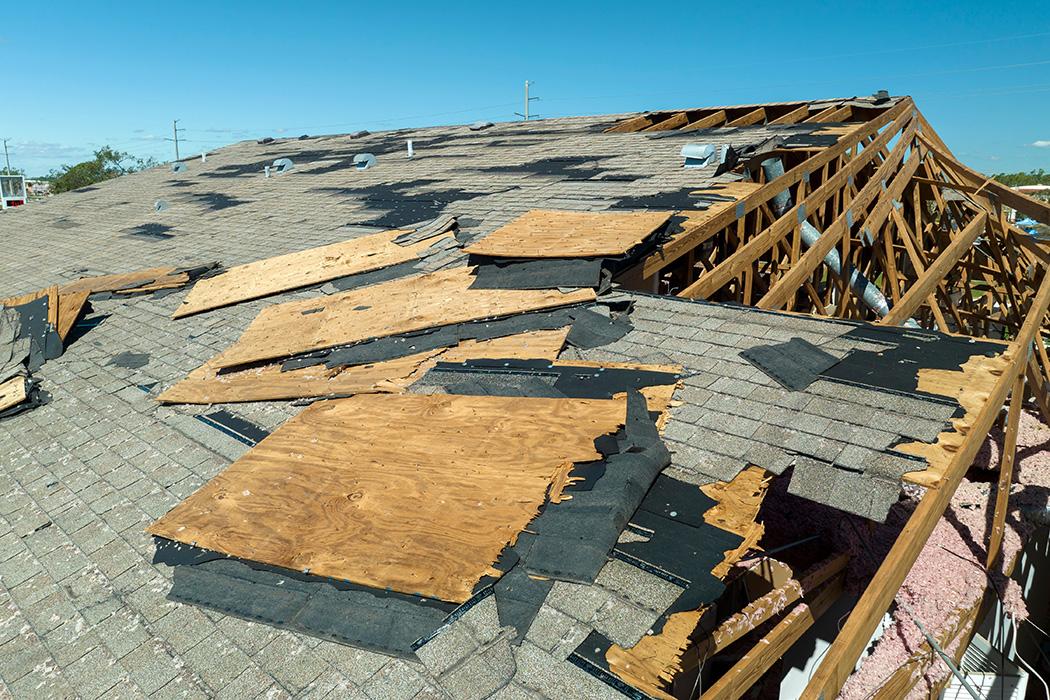
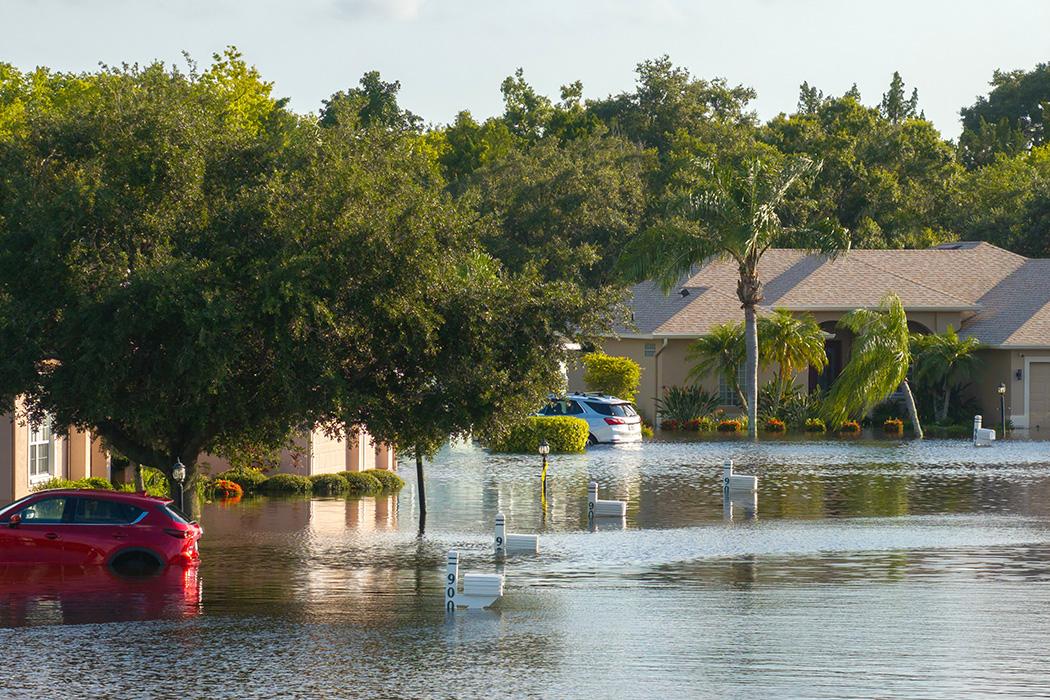
After a hurricane, swift and organized action is key to a successful claim. Delays or poor documentation can lead to denials or underpayments. Follow these steps:
Contact your insurance provider as soon as it's safe, providing initial details of the damage. This starts the claims process and may trigger advance payments for urgent needs.
Take detailed photos and videos of all damage – exterior, interior and contents – before any cleanup. Create an inventory of affected items, including receipts, repair estimates and pre-storm condition records. Note time stamps and locations for accuracy.
If you want to fully replace something, communicate with the adjuster and document thoroughly.
Compile all documentation, including your policy, damage logs and communication with the insurer. Track expenses like temporary relocation or debris removal.
File the claim with supporting evidence. If disputes arise – common in complex commercial claims – consider seeking advice from experts in claims resolution.
Remember, statutes of limitations apply (e.g., one year in some states for filing), so act promptly. Our forensic teams can assist with independent damage assessments to strengthen your claim.
Hurricanes pose significant threats to commercial properties, but with informed insurance strategies, you can navigate the challenges. By understanding carrier risk scenarios, securing comprehensive coverage and mastering the claims process, you'll position your business for resilience and recovery.
At Thornton Tomasetti, we are dedicated to partnering with you on pre- and post-storm engineering solutions. Contact us today to assess your property's readiness – because preparation today protects tomorrow.