Steve Freihon/Related-Oxford
New York, New York
Global experience.
Regional perspective.
Local impact.
New York, New York
Australia

London, United Kingdom

Diriyah, Riyadh, Saudi Arabia
 Courtesy Wikimedia Commons
As we mark the 20th anniversary of Hurricane Katrina, Thornton Tomasetti’s Forensics team pauses to reflect on one of the most devastating natural disasters in U.S. history. On August 29, 2005, Hurricane Katrina made landfall as a Category 3 hurricane, claiming over 1,300 lives and inflicting $108 billion in damages. Eighty percent of New Orleans flooded, primarily due to the catastrophic failure of its levee system.
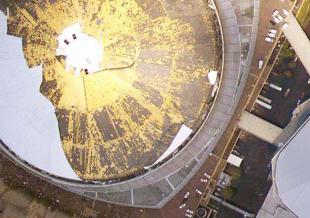
This event marked a defining moment for forensic engineering. At our firm, Katrina was the impetus for expanding our forensic engineering services for hurricane damage, beginning with a pivotal engagement assessing the Superdome’s roof failures. We also provided litigation support on behalf of the owner—a relationship that spurred capital improvements to one of the most recognized structures in the Gulf South.
Principal Adam Hapij chaired the ASCE’s Hurricane Katrina Task Committee, co-editing the authoritative text “Multidisciplinary Assessment of Critical Facility Response to Natural Disasters.” These efforts helped codify a new standard for post-hurricane structural investigations. See More Hurricane Season Insights
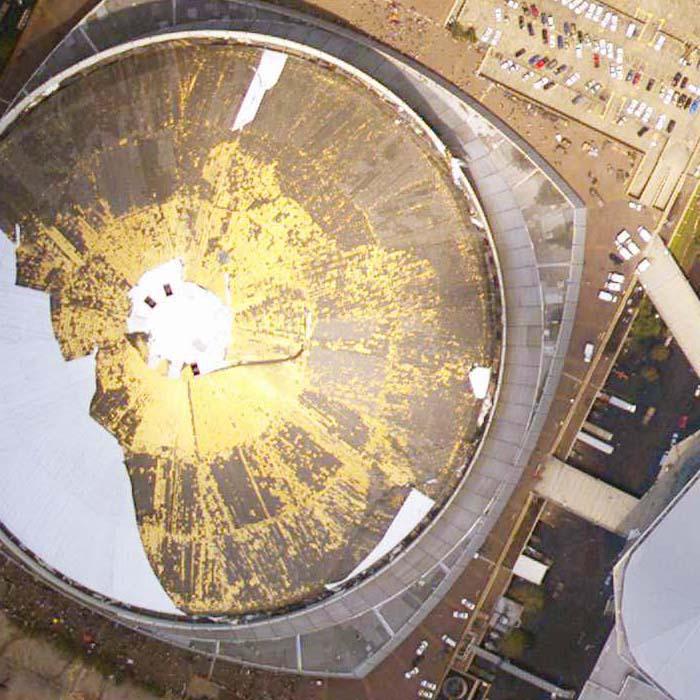
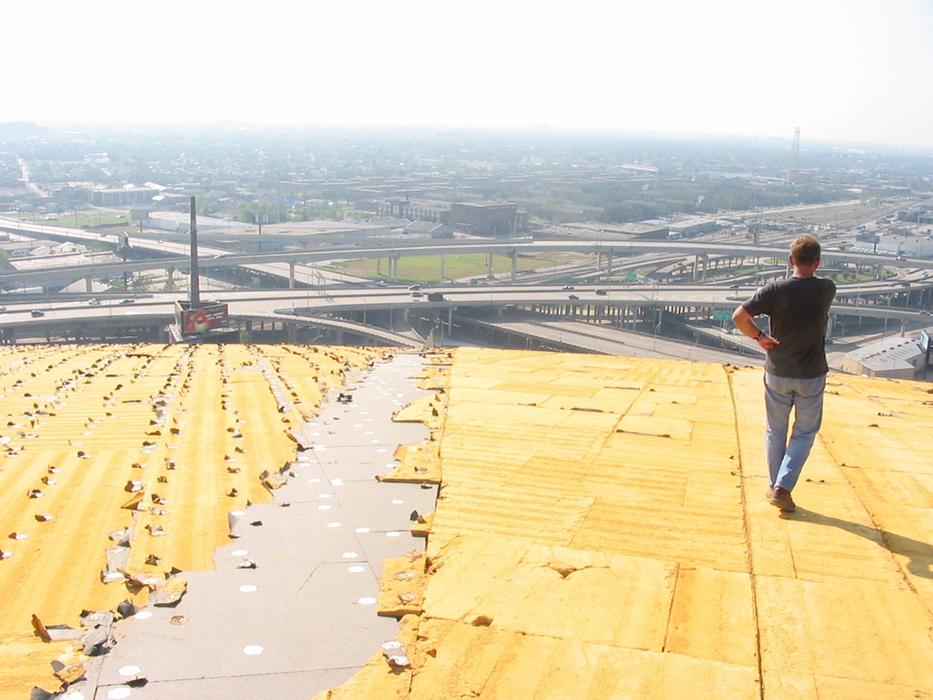
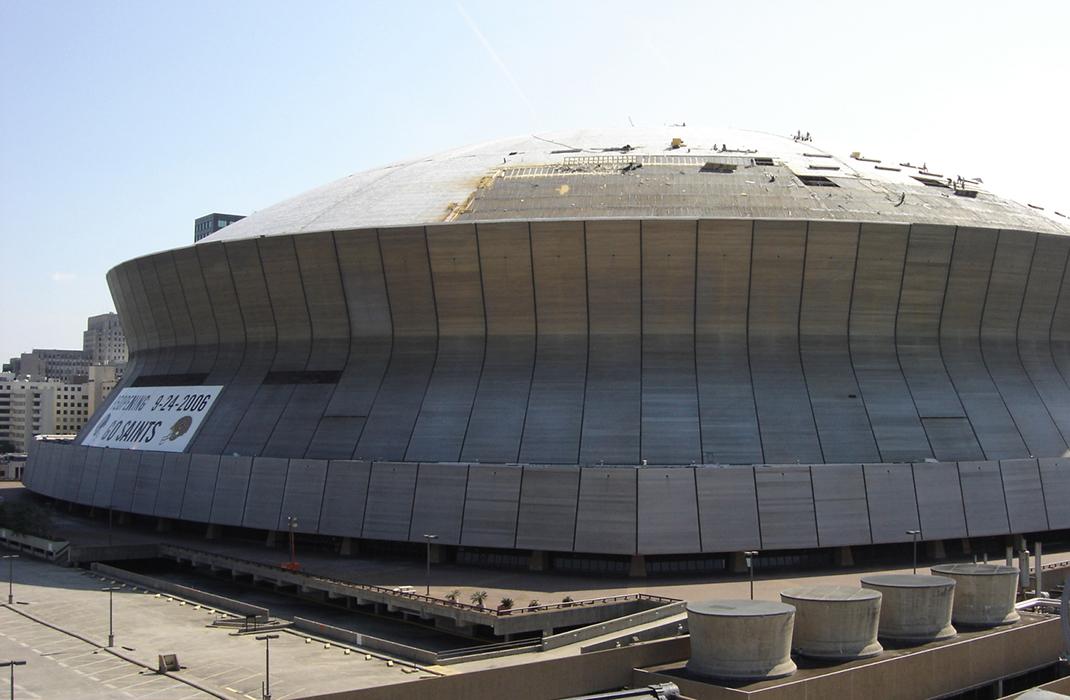
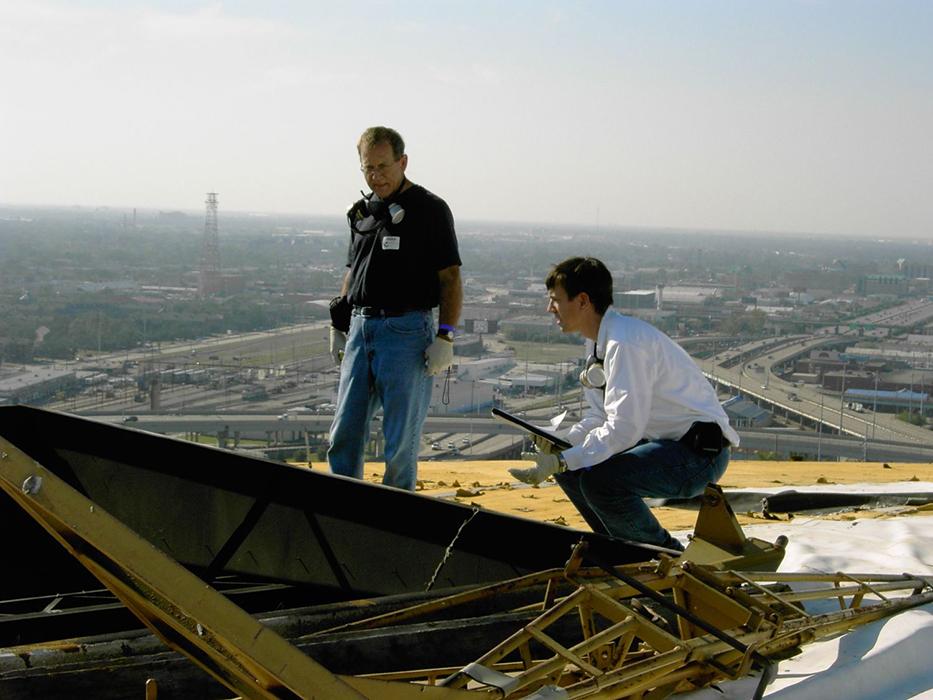
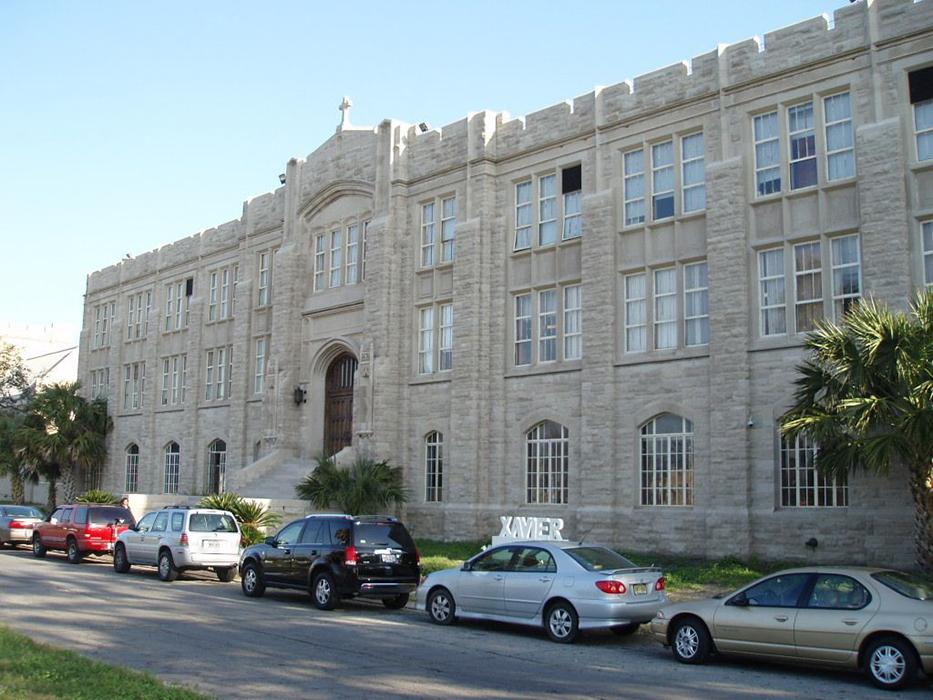
In the weeks and months that followed, engineers and investigators examined the levee breaches, structural collapses and widespread service outages that exacerbated the storm’s toll. Among the most significant findings were:
Forensic investigations, including the use of LIDAR technology and geotechnical modeling, played a crucial role in diagnosing these failures and guiding long-term recovery strategies.
The engineering community responded not only by assessing damage but by contributing to the systems that would prevent future catastrophes. Following these investigations:
These outcomes were the result of cross-disciplinary collaboration, where structural, civil, geotechnical, and forensic engineers worked alongside local governments and federal agencies.
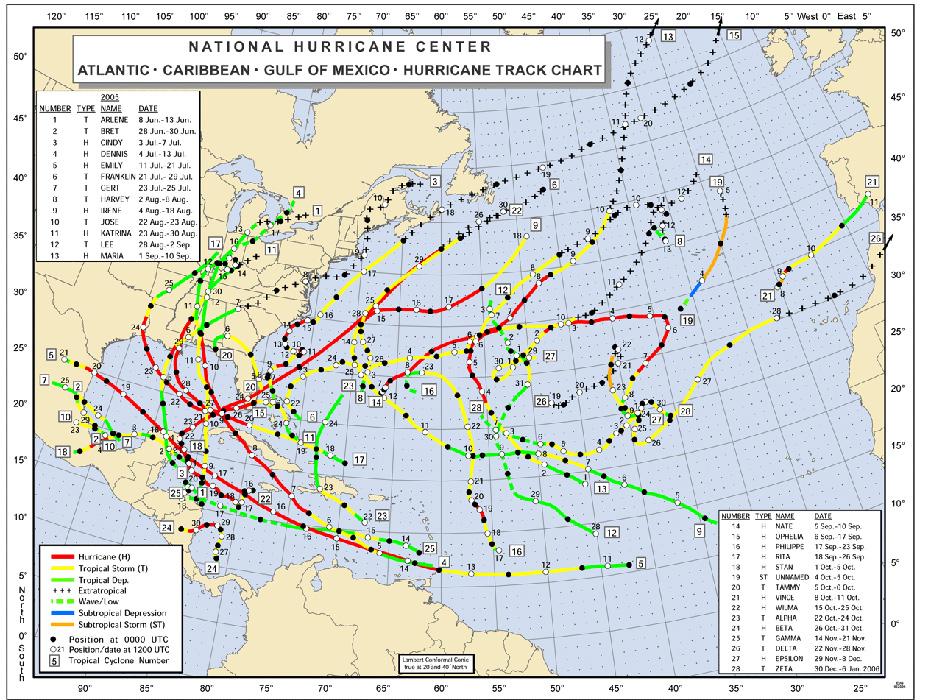
Katrina was one of 27 named storms during the 2005 Atlantic hurricane season—the most active on record at the time. That year saw 15 hurricanes and 7 major hurricanes, exhausting the National Hurricane Center’s naming list and ushering in the use of Greek letters for the first time. The scale and intensity of the 2005 season underscored how climate-driven factors, like warmer sea surface temperatures, are reshaping risk profiles. Engineering teams began shifting focus from historical storm models to forward-looking scenarios, reinforcing the need for adaptive design and flexible infrastructure.
The impact of Hurricane Katrina has been deeply felt across multiple disciplines, particularly in forensic engineering, which has evolved significantly in the years since. The storm became a pivotal case study in how buildings and infrastructure fail under extreme conditions—and how they can be made stronger.
Insights from Katrina have influenced how forensic engineers:
This legacy continues to inform engineering decisions not only in New Orleans, but also in coastal and hurricane-prone communities around the world.
Two decades later, the scars of Katrina remain—visible in rebuilt neighborhoods, memorials and strengthened levees. But the storm’s enduring lesson is that disaster can drive progress when we choose to learn from it.
For engineers, that means designing for failure—and designing to prevent it. It means asking not only what broke, but why, and how to ensure it doesn’t break again. It means approaching every storm not just as a force of nature, but as a test of our collective foresight.
As climate change continues to intensify the challenges we face, Katrina remains both a benchmark and a reminder: the cost of inaction is steep, and the opportunity to build better is always within reach.
News
Preparing a Construction Site Ahead of a Major Hurricane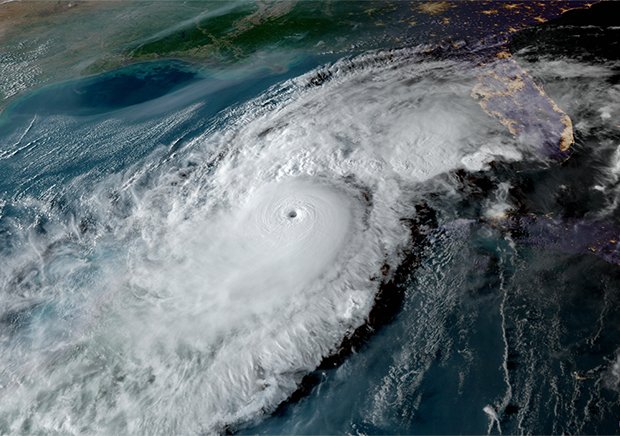
News
2025 Hurricane Season Preparation