
Steve Freihon/Related-Oxford
New York, New York
Global experience.
Regional perspective.
Local impact.
New York, New York
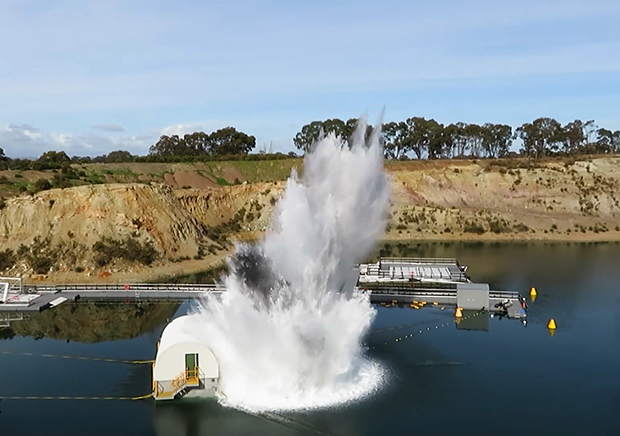
Australia

London, United Kingdom
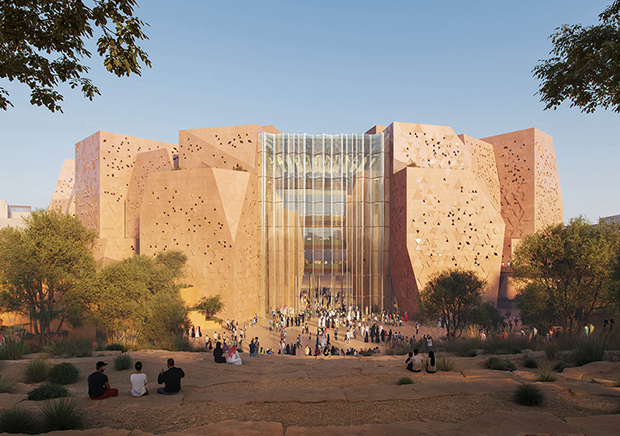
Diriyah, Riyadh, Saudi Arabia
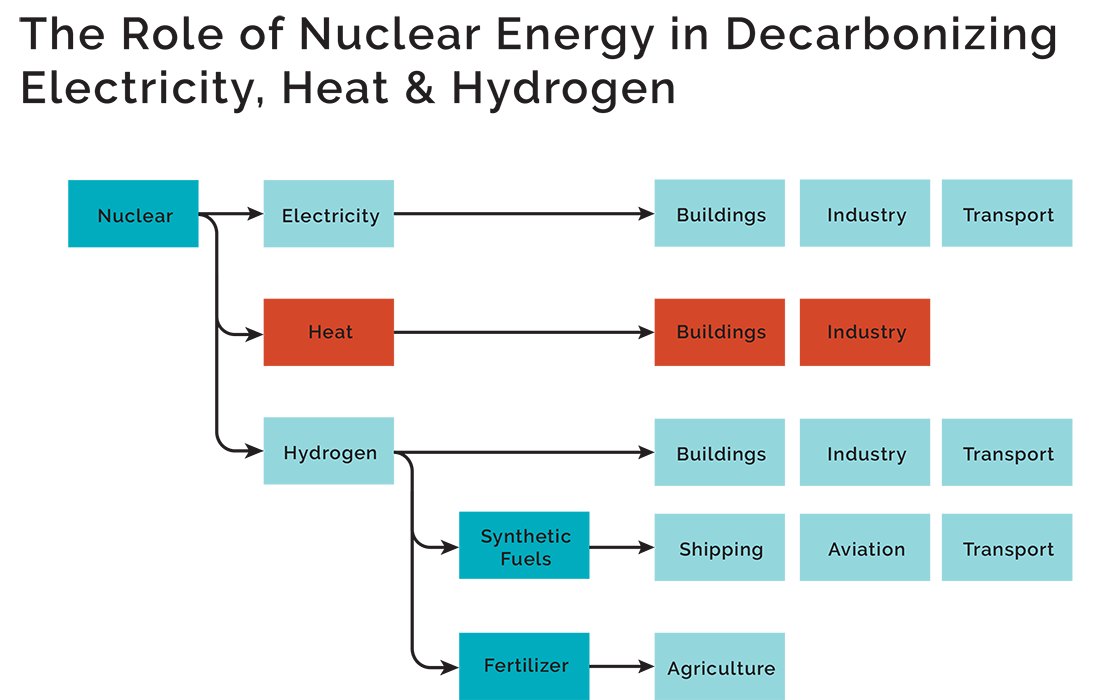
Nuclear energy can create an effective shift in decarbonizing the energy sector by providing stable and vast power with no carbon emissions.


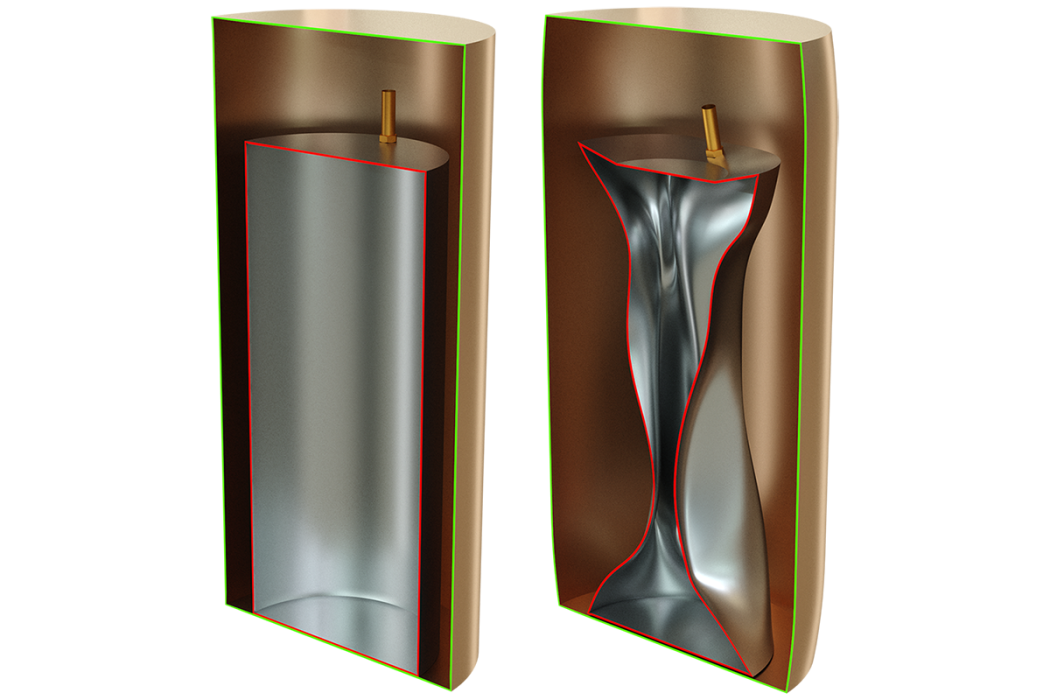
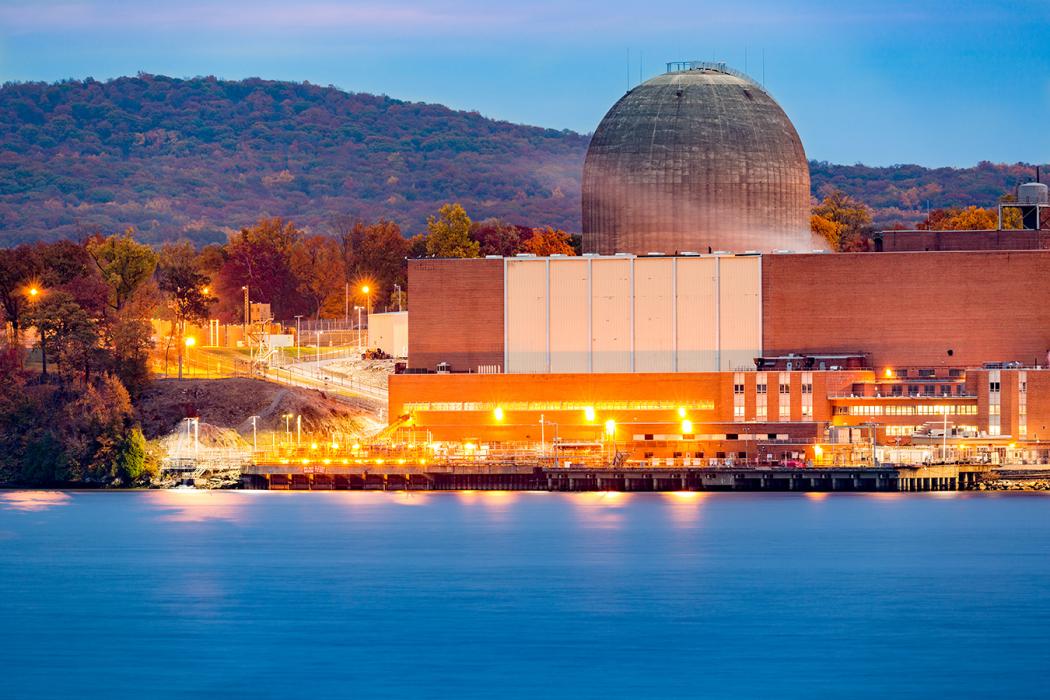
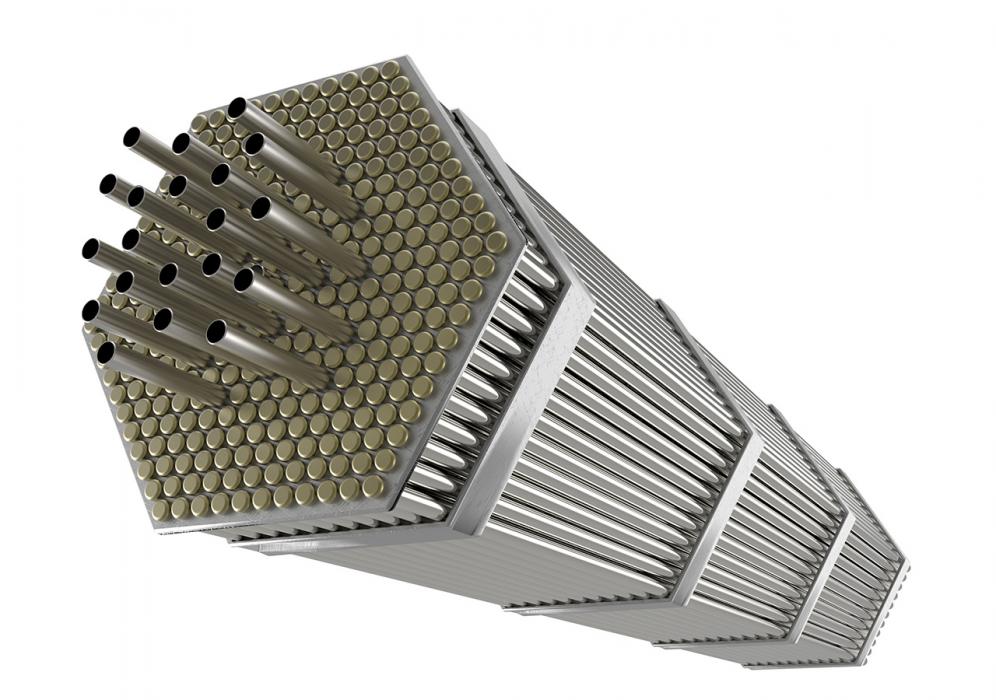
Nuclear power can help meet growing demand for reliable, low-carbon electricity from data centers, industrial facilities, critical infrastructure, and the wider energy system. Delivering it safely requires specialized engineering that addresses regulation, safety, security, resilience, and long-term facility performance.
Thornton Tomasetti provides nuclear engineering and technical consulting for commercial, civil, defense, research, and medical applications. Since the mid-1950s, we have supported complex nuclear programs from new reactor development and facility operations through life extension, decommissioning, demolition, spent fuel storage and waste management.
Our multidisciplinary teams help owners, developers, operators, laboratories, and government agencies address technical risk at every stage of the nuclear facility life cycle.
We help clients manage the structural, mechanical, materials, safety, and regulatory challenges associated with nuclear facilities and the nuclear fuel cycle. Our experience extends beyond power plants to research laboratories, medical facilities, fuel-cycle infrastructure, and military and defense applications.
From concept design and project development through operations and end-of-life decommissioning, we apply advanced engineering analysis to improve safety, performance, resilience, and long-term facility management.
Our work includes science-based modeling, simulation, testing, and research for commercial nuclear power plants and U.S. Department of Energy laboratory projects. We combine technical expertise with knowledge of government regulations, nuclear quality requirements, and international best practices to help projects withstand rigorous technical, regulatory, and stakeholder review.
Our extensively audited, DOE-approved NQA-1 quality assurance program supports engineering and review requirements associated with safety-related nuclear structures, systems, and components.
We support established and emerging nuclear technologies, from traditional large-scale reactors to first-of-a-kind fission and fusion projects.
Our experience includes early- and mid-stage advanced nuclear technology programs involving small modular reactors, or SMRs, and micro-modular reactors, or MMRs. We support design development, structural and material assessment, performance improvement, modularization, facility resilience, and technical risk mitigation.
As advanced reactors move beyond traditional nuclear-licensed sites to support industrial facilities, data centers and other energy-intensive users, project teams must evaluate how reactor technologies, modular construction methods, site conditions, and operating environments affect safety, performance, and regulatory requirements.
Our multidisciplinary approach connects reactor and facility design with structural mechanics, fluid behavior, material performance, hazard assessment, and long-term operations.
Nuclear engineers support the planning, design, assessment, operation, life extension, and decommissioning of nuclear facilities. Their work can include structural and fluid analysis, materials evaluation, fire modeling, safety and risk assessment, radioactive material management, regulatory support, and spent fuel storage.
We support commercial nuclear power plants, research laboratories, medical facilities, fuel-cycle infrastructure and civil, government, military, and defense applications.
Yes. We support traditional reactors, advanced fission and fusion systems, small modular reactors and micro-modular reactors. Our work includes design development, engineering analysis, structural and material assessment, performance improvement, modularization, resilience and risk mitigation.
We provide plant operations support, inspection, condition assessment, structural evaluation, materials analysis, and risk-informed engineering. These services help clients manage aging assets, evaluate degradation and make informed decisions about maintenance, modification, and continued operation.
We assess nuclear structures and contaminated sites, support decommissioning and demolition planning, evaluate materials and hazards, and address spent fuel, radioactive waste, and long-term storage requirements.
Yes. Our extensively audited, DOE-approved NQA-1 quality assurance program supports engineering and review requirements associated with safety-related nuclear structures, systems, and components.
We help nuclear facility owners, developers, and operators identify technical risks before they create safety concerns, extended regulatory review, or significant downstream costs.
Our engineers combine technical judgment with modeling, simulation, testing, and research to evaluate hazards, quantify uncertainty, and develop practical measures that protect personnel, the public, assets, and the environment.
Our nuclear safety and risk capabilities include:
Our understanding of the nuclear regulatory environment allows us to develop technically rigorous solutions while maintaining the safety, quality, and security requirements of the industry.
Long-term nuclear facility performance depends on understanding how structures, systems, components, and materials change under operating and environmental conditions.
We support nuclear facility operations through inspection, condition assessment, structural evaluation, materials analysis, and risk-informed engineering. Our work helps clients evaluate degradation, manage aging assets, improve facility performance, and make informed decisions about maintenance, modification, and continued operation.
Lessons from operating facilities also inform the design of new nuclear projects. Incorporating operational experience during design can improve inspectability, maintainability, material selection, resilience, and life-cycle performance.
Nuclear facilities cannot simply be switched off, demolished, and removed. Decommissioning requires a detailed understanding of a facility’s operating history, structural condition, radioactive inventory, waste streams, and long-term environmental and safety obligations.
We help clients assess and transform contaminated structures and sites into safe places. Our work includes nuclear decommissioning and demolition planning, structural and material assessment, radioactive material management, spent fuel storage and transport safety, and evaluations supporting the long-term storage and disposal of nuclear materials and waste.
Our engineers assess how contamination, deterioration, demolition sequencing, material handling, and waste-disposal requirements affect worker safety, project risk, and site transformation.
Experience gained through operations and decommissioning can also improve new nuclear facility design. Applying those lessons early can strengthen maintainability, material selection, resilience, waste planning, and end-of-life decision-making.




Insight
What Happens When Energy Demand Makes Nuclear Harder To Ignore?
Insight
Practical Decarbonization Beyond Electrification
Insight
Climate Action: Nuclear Energy