
R&D and technology play an essential role in our firm. We invest in constant learning, testing and innovation. That uniquely positions us to solve our clients’ most difficult problems.
Innovation EngineOur CORE groups manage our research and development efforts, from incremental efficiency improvements to solving some of the most challenging engineering problems of our time.Learn More
Innovation OutputWe believe collaboration amplifies our innovation potential and creates connections that lead to better, more imaginative solutions for our clients.Learn More
Early mass timber procurement decisions shape structural design, connection strategy, fabrication, and erection. Listen how supplier input during schematic design helps teams improve constructability, reduce late changes, and align designs with available mass timber systems.
Electrification is essential, but it is not the whole story. Real decarbonization requires a systems-based approach that accounts for energy, materials, infrastructure, and operational constraints.
NYC’s proposed FISP updates signal a major shift in how façade inspections are conducted under Local Law 11. With a focus on risk-based assessments, fewer sidewalk sheds, and the integration of technologies like drones, these changes could redefine how building owners approach safety and compliance.
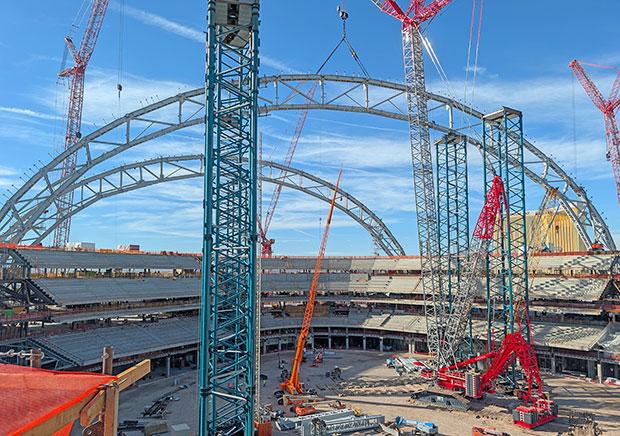
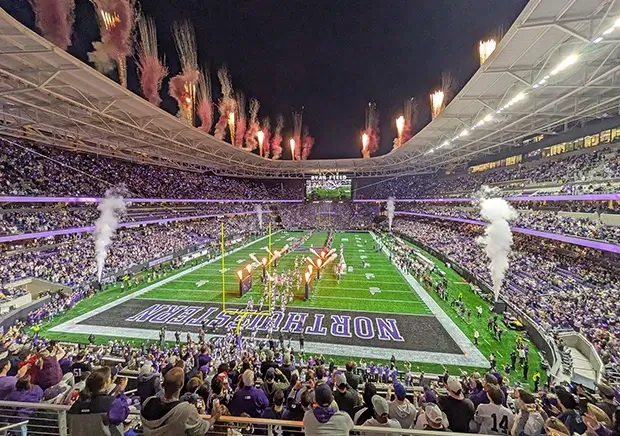
Thornton Tomasetti’s work on the Ryan Field redevelopment, featured in Informed Infrastructure, showcases how early coordination drives one of the NCAA’s most advanced stadiums.
Not all foundation cracks are cause for alarm, but some signal deeper structural movement driven by freeze-thaw cycles. Understanding the difference is key. Here’s what’s happening beneath the surface and when it’s time to act.
Oriole Park at Camden Yards has been reimagined for today’s fans without losing what made it iconic. Behind the scenes, structural upgrades made it possible to install a larger video board and new premium spaces—balancing modern performance demands with the constraints of an existing stadium.
A new UK standard is redefining what “net zero carbon building” actually means—shifting the focus from design intent to verified, in-use performance. Here’s what it is, why it matters, and how to apply it.